Artwork
Dialectica (Dialectics)
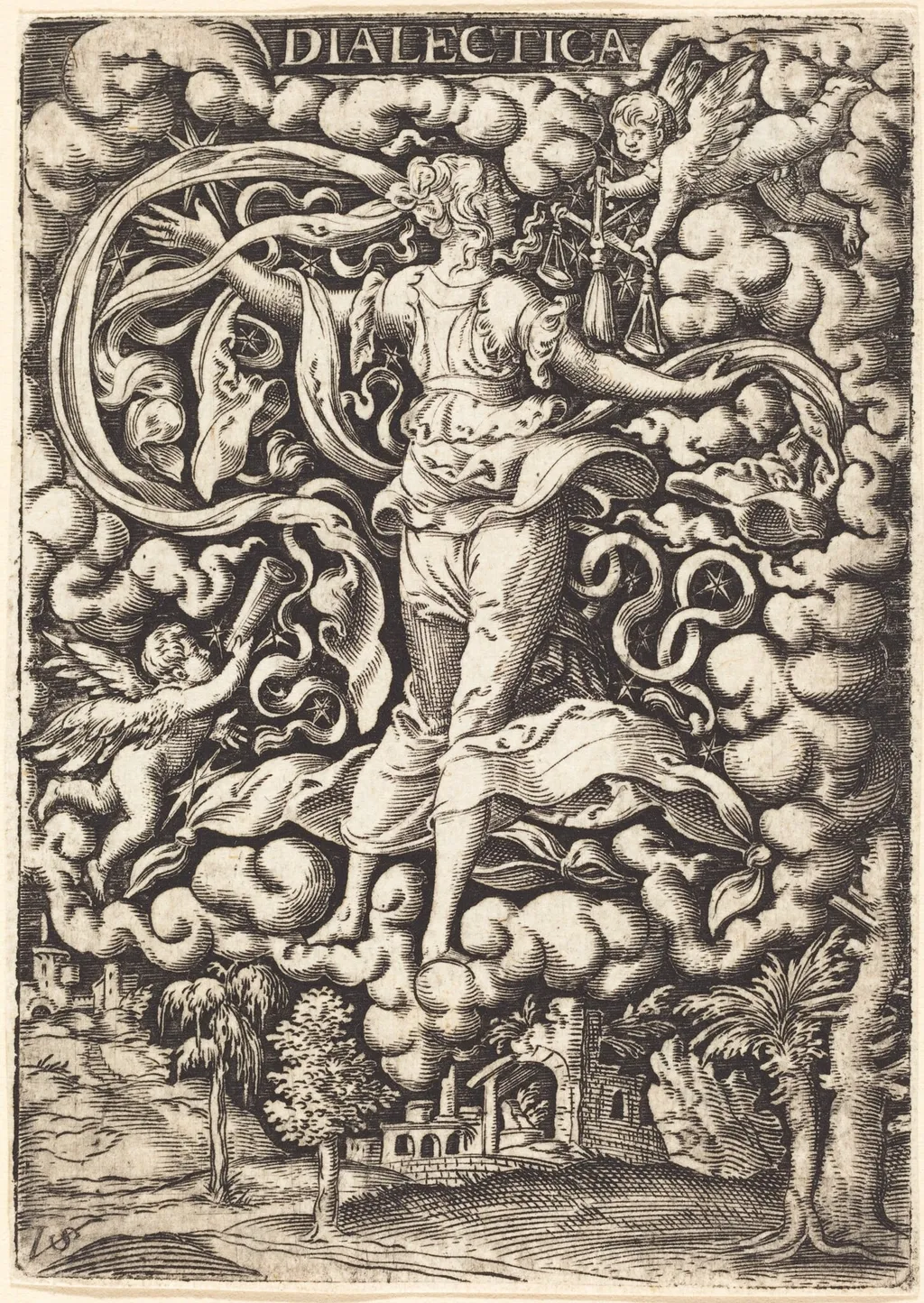
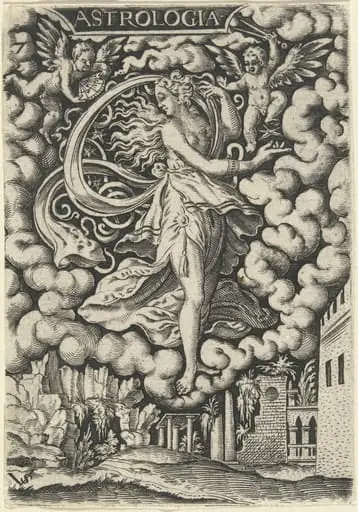
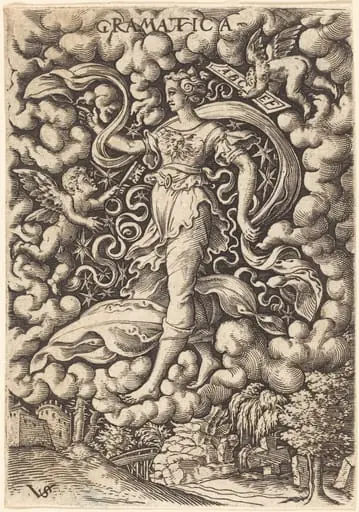
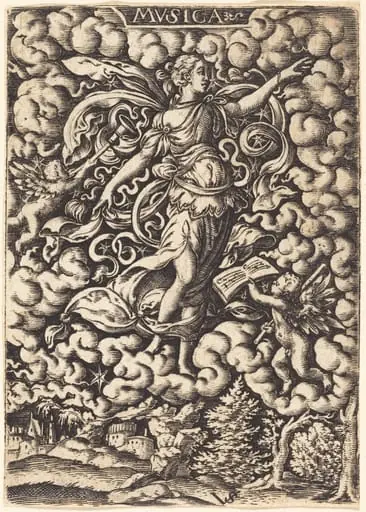
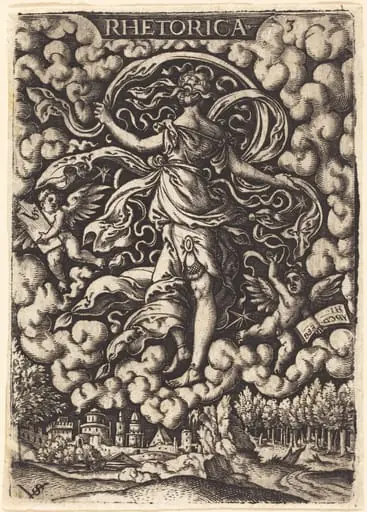
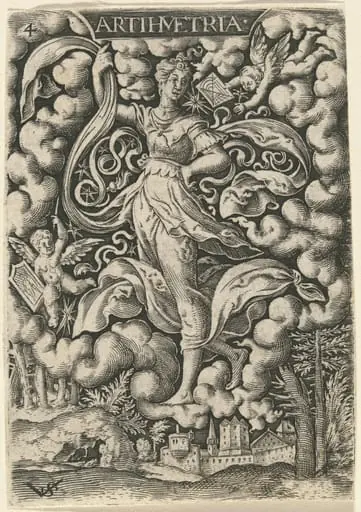
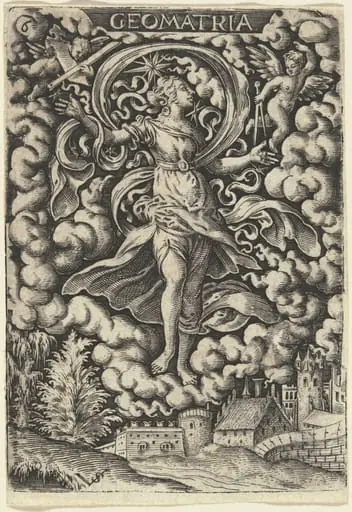
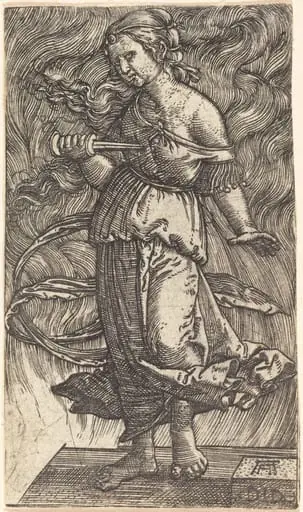
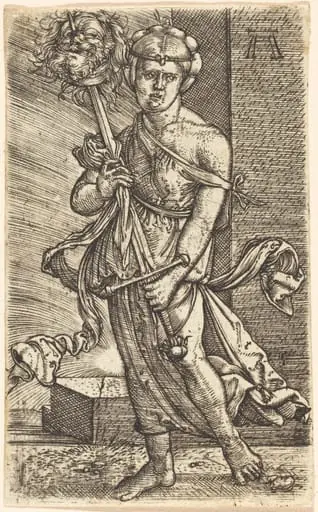
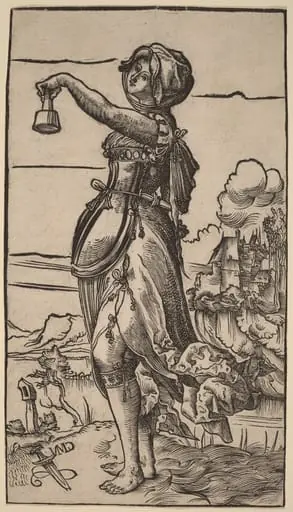
Dialectica (Dialectics) is an ink print by the Renaissance artist Virgil Solis. It dates from 1538 and is held in the collection of the National Gallery of Art.
About this work
Overview
Virgil Solis, a Nuremberg‑born draughtsman active in the first half of the sixteenth century, produced the engraving *Dialectica* in 1538. Executed in copper, the print measures roughly a sheet‑size typical of his workshop output and exemplifies the dense, narrative style for which Solis is noted.
Subject & Meaning
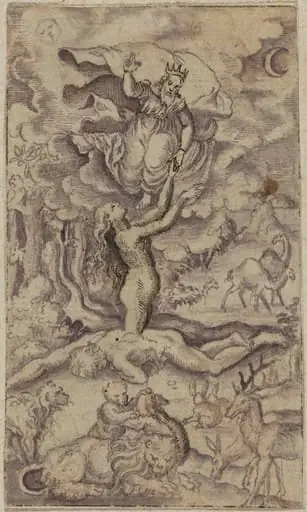
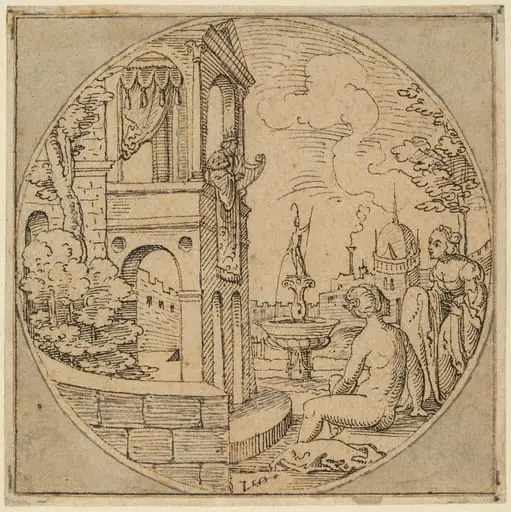
The composition is crowded with a multitude of figures—people, animals, and hybrid forms—arranged beneath a bold inscription of the title. Many of the characters appear to be gesturing, holding books, tools, or other objects, suggesting a visual allegory of argument, dispute, or the interplay of ideas, consistent with the notion of dialectic reasoning.
Technique & Style
Solis employs fine, swirling lines to delineate the tangled scene, a hallmark of his engraving practice. Cross‑hatching creates tonal variation, while the background is filled with undulating, cloud‑like patterns that give depth without recourse to perspective. The overall effect is a dense, almost chaotic visual field that reflects Renaissance allegorical conventions.
History & Provenance
Created in Solis’s native Nuremberg, the print was likely circulated among humanist circles interested in philosophical illustration. No specific ownership records survive, but the work appears in several early catalogues of German prints, indicating it was part of the broader distribution network of the city’s thriving print market.
Context
*Dialectica* belongs to the German Renaissance, a period when artists combined classical learning with local visual vocabularies. Engravings served as vehicles for disseminating scholarly ideas, and Solis’s choice of a dialectic theme aligns with contemporary intellectual currents that prized debate and the synthesis of opposing arguments.
Artist & collection

Artist
Virgil Solis or Virgilius Solis (1514 – 1 August 1562), a member of a prolific family of artists, was a German draughtsman and printmaker in engraving, etching and woodcut who worked in his native city of Nuremberg.