Artwork
Rhetorica (Rhetoric)
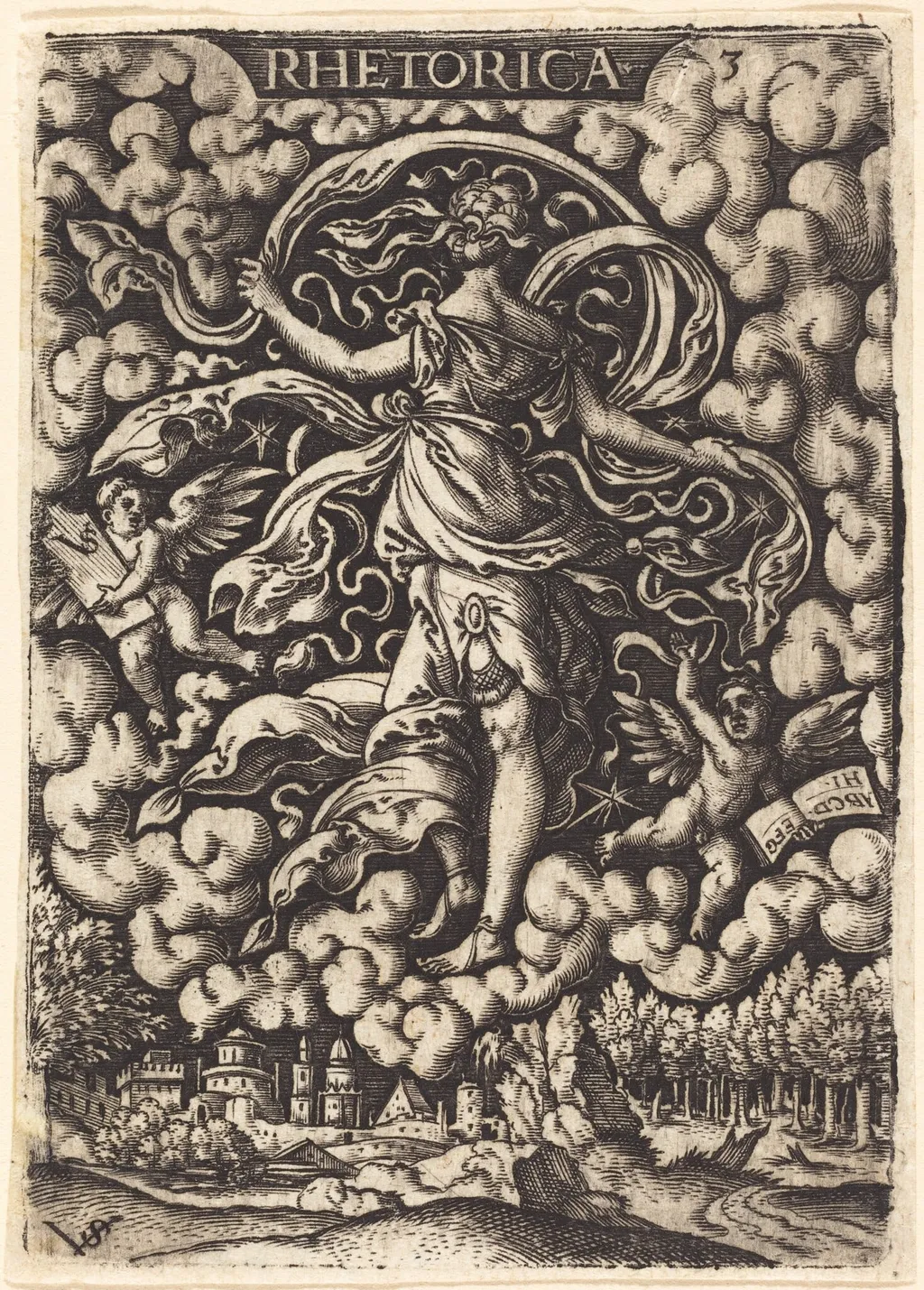
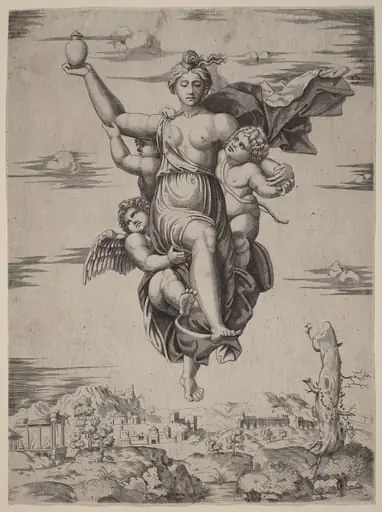
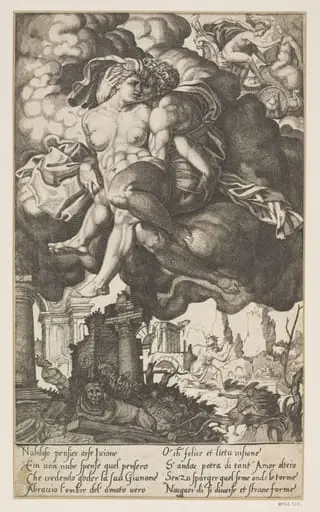
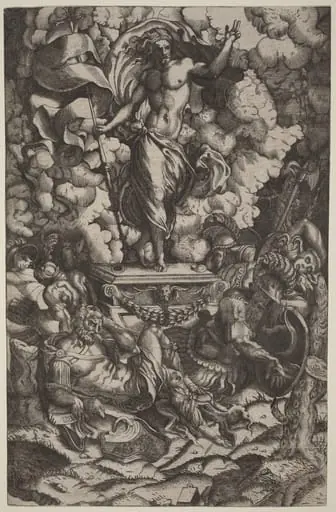
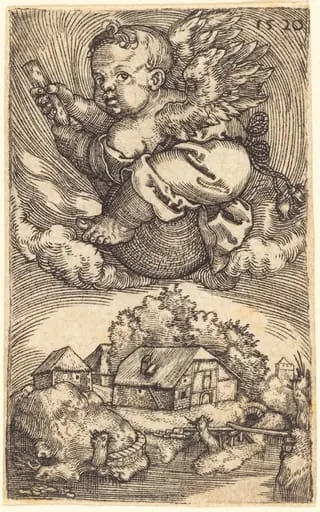
Rhetorica (Rhetoric) is an ink print by the Renaissance artist Virgil Solis. It dates from 1538 and is held in the collection of the National Gallery of Art.
About this work
Overview
The print belongs to his extensive body of work in engraving, etching and woodcut, a practice shared by several members of the Solis family.
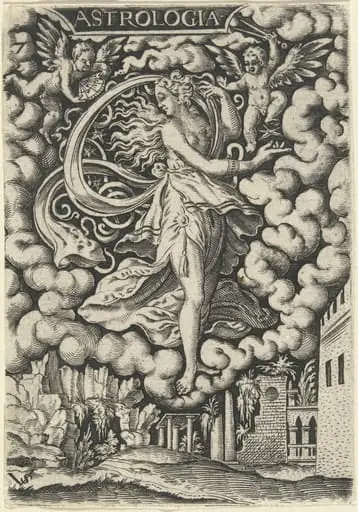
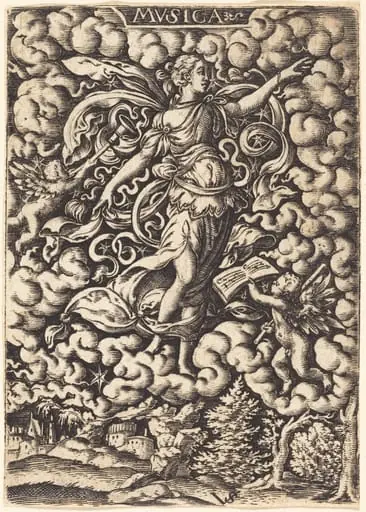
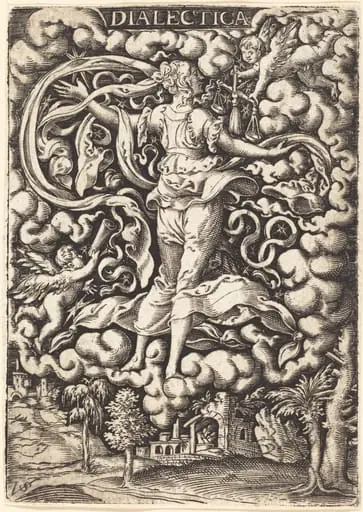
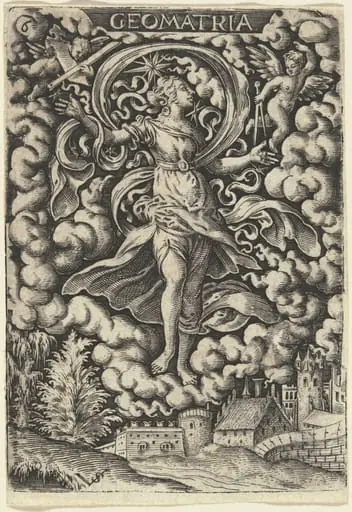
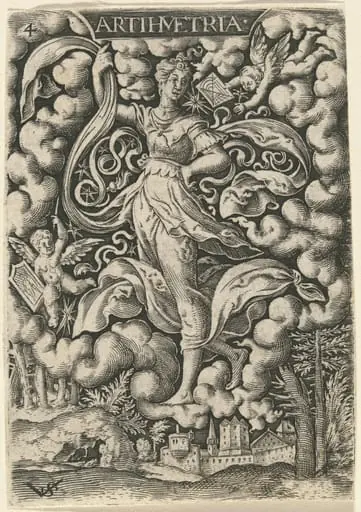
Virgil Solis, a German draughtsman active in Nuremberg, produced the engraving *Rhetorica* in 1538. The print belongs to his extensive body of work in engraving, etching and woodcut, a practice shared by several members of the Solis family. It presents an allegorical representation of the classical discipline of rhetoric, rendered in the dense, linear style typical of early sixteenth‑century German prints.
Subject & Meaning
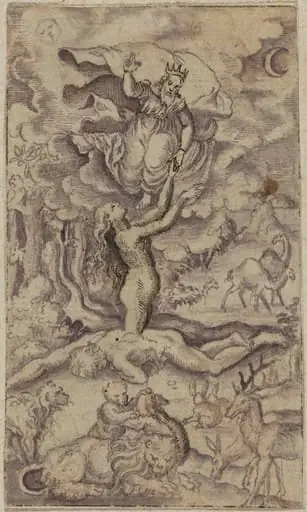
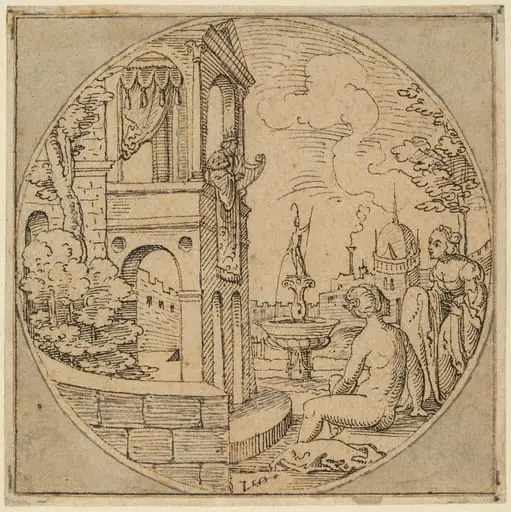
At the centre of the composition a female personification of Rhetoric hovers amid a cloud of swirling hair and feathers, clutching a scroll that signifies the written word. Smaller faces emerge from the surrounding vapour, suggesting the multitude of voices and arguments that converge in persuasive discourse. A miniature city with a bridge at the bottom grounds the allegory in the civic sphere where rhetoric is applied.
Technique & Style
The work is executed as an engraving, a process in which lines are incised into a metal plate and printed in black ink. Solis employs tightly packed, overlapping lines to create a sense of movement and density, especially in the cloud‑filled background. The intricate hatching and cross‑hatching convey texture in the hair, feathers and architectural details, reflecting the meticulous hand‑cutting characteristic of the period.
History & Provenance
Created in 1538, *Rhetorica* was likely intended for a learned audience familiar with classical allegories. While specific ownership records are scarce, the print circulated among collectors of German Renaissance prints and appears in several early catalogues of Solis’s oeuvre. Its survival in multiple impressions attests to the popularity of such emblematic works in the mid‑sixteenth century.
Context
The engraving emerges from a cultural moment in which humanist scholars revived classical subjects for moral and educational purposes. In Nuremberg, a hub of print production, artists like Solis responded to the demand for visual representations of the liberal arts. *Rhetorica* thus reflects both the intellectual climate of the German Renaissance and the commercial viability of allegorical prints.
Artist & collection

Artist
Virgil Solis or Virgilius Solis (1514 – 1 August 1562), a member of a prolific family of artists, was a German draughtsman and printmaker in engraving, etching and woodcut who worked in his native city of Nuremberg.