Artwork
The Fables of Jean de la Fontaine: The Swan and the Cook
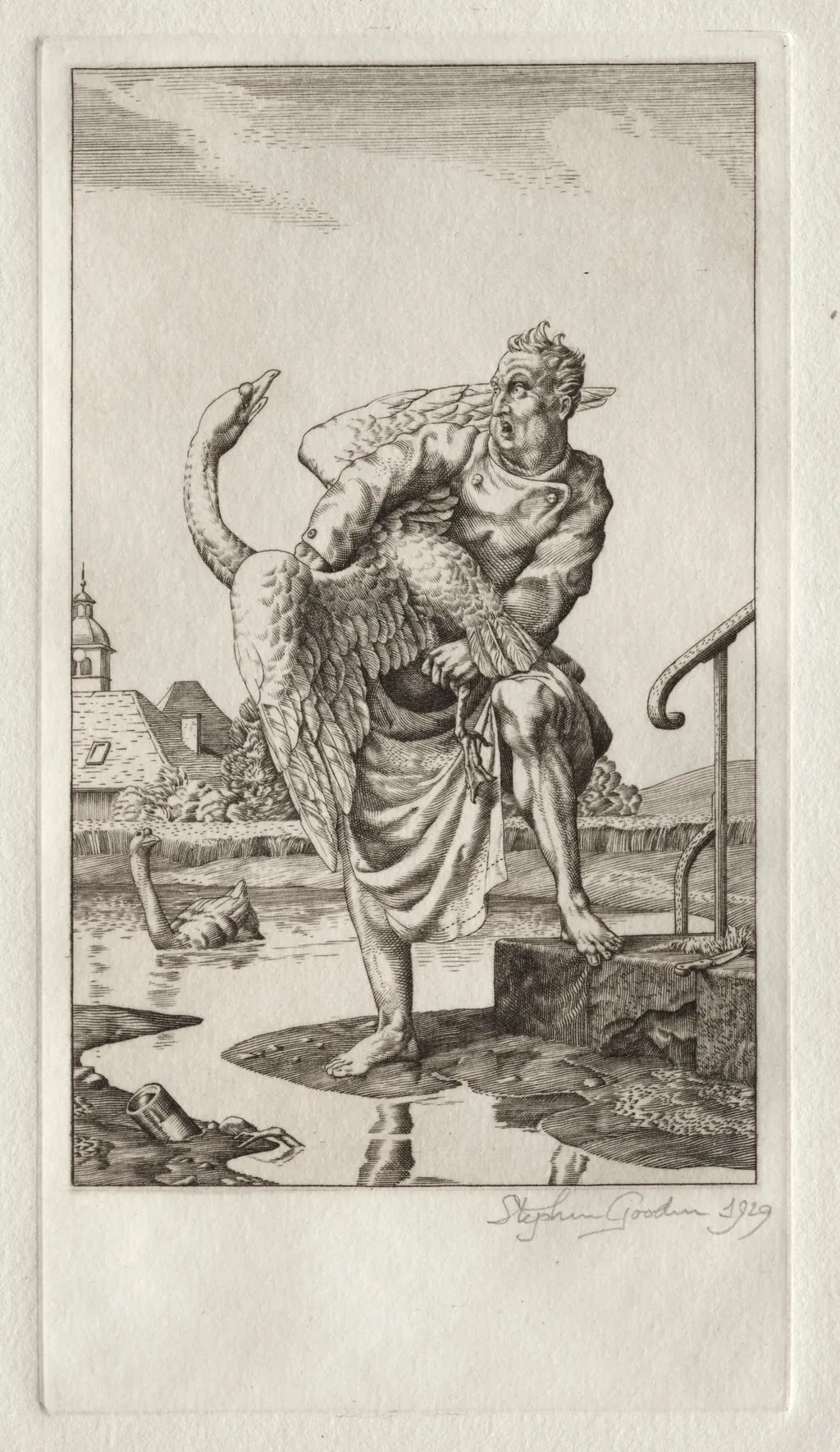
The Fables of Jean de la Fontaine: The Swan and the Cook is a print by Stephen Gooden. It dates from 1929 and is held in the collection of the Cleveland Museum of Art.
About this work
Overview
The work is held in the collection of The Cleveland Museum of Art and reflects Gooden’s interest in literary themes rendered through precise graphic techniques.
Created in 1929 by Stephen Gooden, this print illustrates one of Jean de la Fontaine’s fables, specifically the tale of the Swan and the Cook. It is part of a series visualizing the French poet’s moral stories. The work is held in the collection of The Cleveland Museum of Art and reflects Gooden’s interest in literary themes rendered through precise graphic techniques. The image merges human and avian forms to convey a moment of poetic irony.
Subject & Meaning
The figure is a hybrid of man and swan, symbolizing the fable’s central theme: the unintended consequences of beauty and privilege. The swan-man, caught in distress, represents the creature whose grace invites admiration but also exploitation. The cook, though absent, is implied as the unseen threat. The open mouth and clenched arms suggest helplessness, underscoring the fable’s warning against being valued only for one’s external qualities.
Technique & Style
Gooden employs chiaroscuro to model the swan-man’s form, enhancing volume and emotional tension through stark light and shadow. The feathered skin is rendered with fine linework, distinguishing texture from the smooth stone platform and still water. The background village, rendered in muted tones, recedes spatially, focusing attention on the central figure. The print’s precision reflects early 20th-century revival of traditional engraving methods.
History & Provenance
The print was produced as part of a limited series illustrating La Fontaine’s fables, commissioned during a period of renewed interest in classical literature through modern visual art. It entered The Cleveland Museum of Art’s collection in the mid-20th century, likely through acquisition from a private collector or publisher. Its provenance remains tied to Gooden’s known publications and print runs from the 1920s and 1930s.
Context
In the interwar period, European artists revisited literary and mythological subjects as a counterpoint to industrial modernity. Gooden’s work aligns with this trend, drawing from French poetic tradition while employing British printmaking techniques. The choice of La Fontaine’s fable reflects a broader cultural fascination with moral allegory, particularly in visual media seeking to engage audiences through narrative depth rather than overt symbolism.
Legacy
Gooden’s illustration remains a notable example of 20th-century literary printmaking, preserving the fable’s emotional weight through visual metaphor. While not widely reproduced, it is referenced in studies of modern interpretations of classical fables. Its presence in a major museum collection affirms its role as a thoughtful, restrained response to a centuries-old tale, bridging literary heritage and graphic artistry.
Artist & collection

Artist
Stephen Frederick Gooden CBE, RA, RE was an English artist, engraver, illustrator and designer of banknotes.

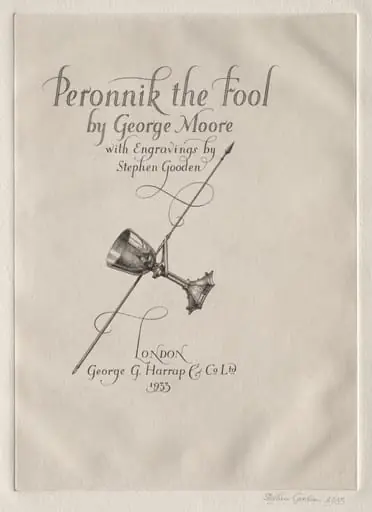 Illustrations for "Peronnik the Fool"
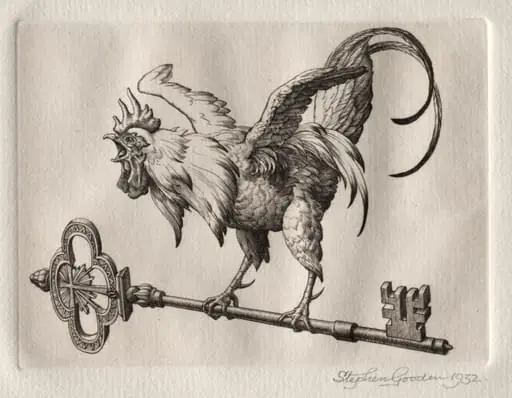 Illustration for "Peronnik the Fool": Cock Key
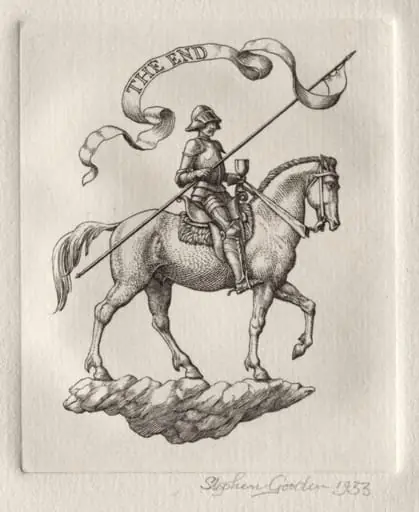 Illustration for "Peronnik the Fool": Tailpiece
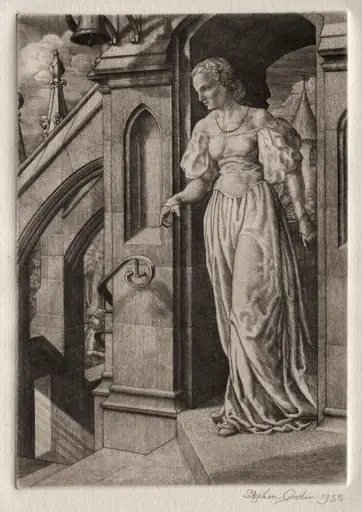 Illustration for "Peronnik the Fool": Redemonde on the Staircase
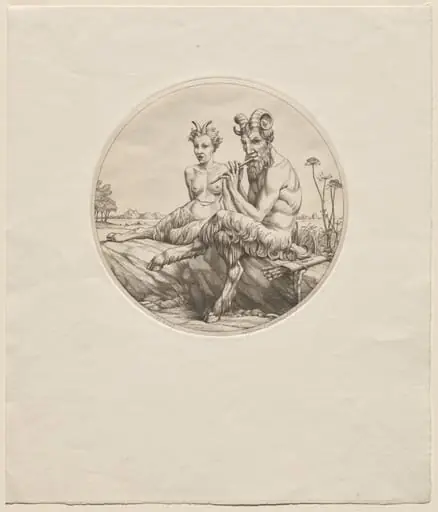 Two Satyrs
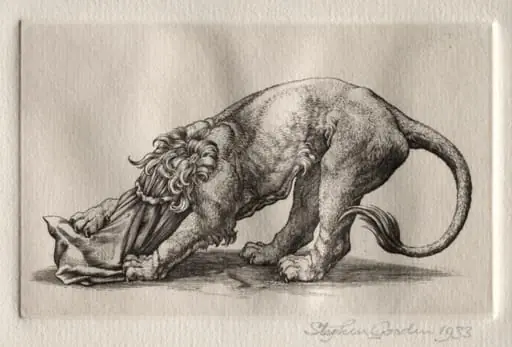 Illustration for "Peronnik the Fool": A Lion Tearing at a Sack
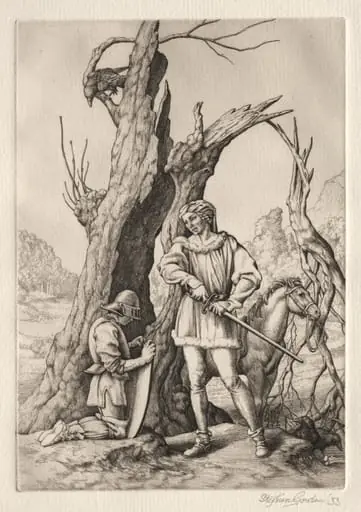 Peronnik the Fool: Peronnik and Sir Gilles
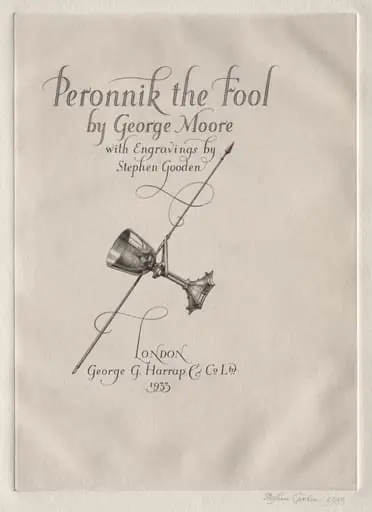 Illustration for "Peronnik the Fool": Peronnik the Fool
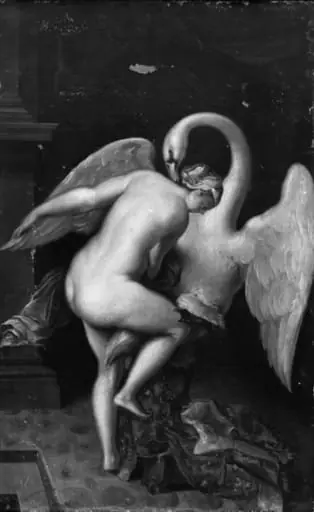 Leda and the Swan
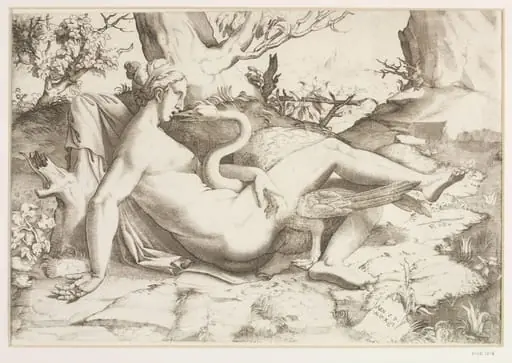 Leda and the Swan
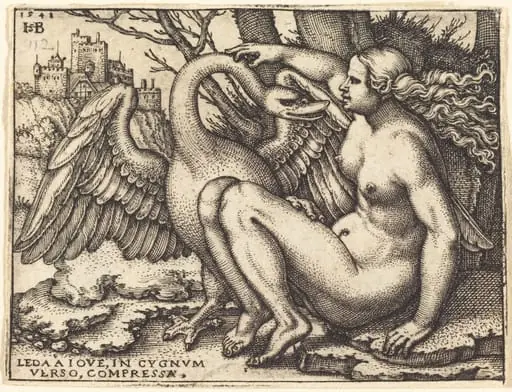 Leda and the Swan
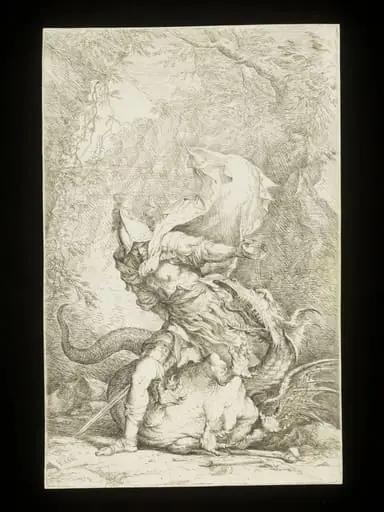 Jason and the Dragon
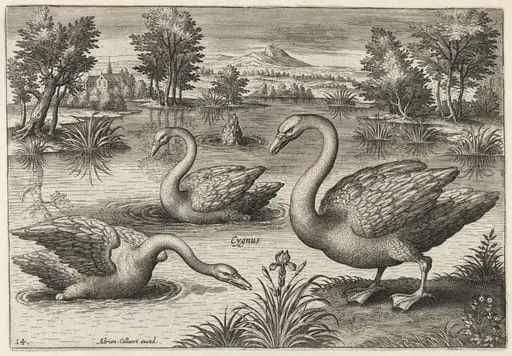 Three Whooper Swans
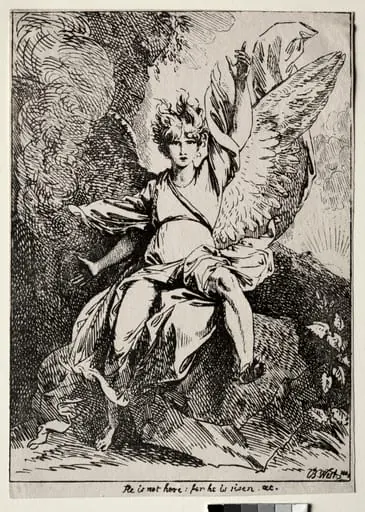 Specimens of Polyautography: The Angel at the Tomb of Christ
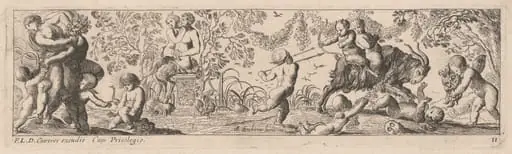 Putti and Satyrs Shooting Arrows
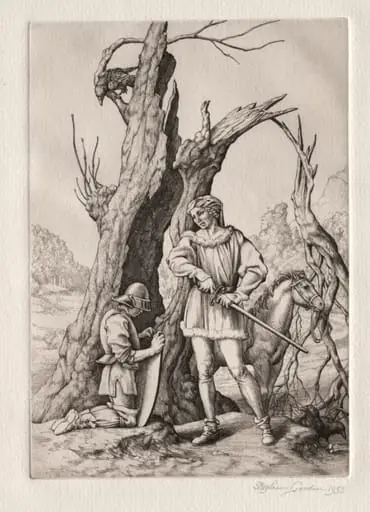 Illustration for "Peronnik the Fool": Peronnik and Sir Gilles
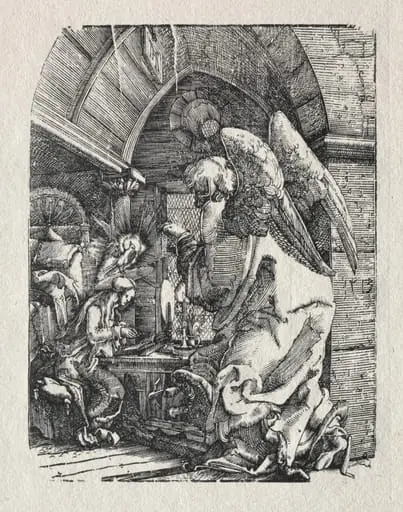 The Annunciation
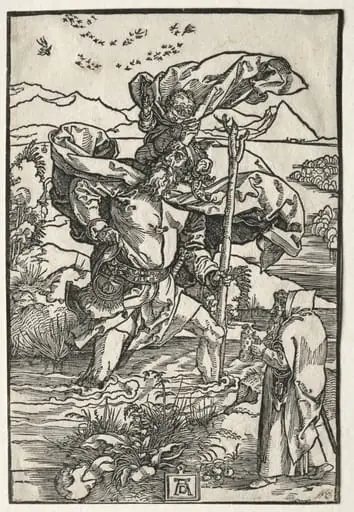 St. Christopher with the Birds
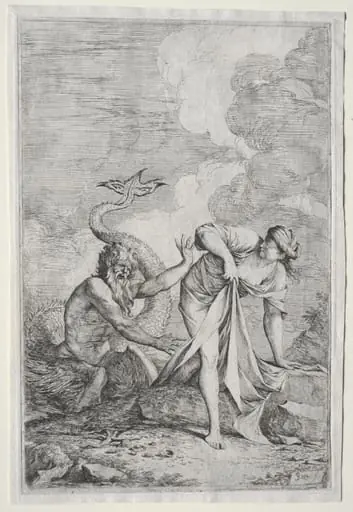 Glaucus and Scylla