Artwork
Paulus de Praun
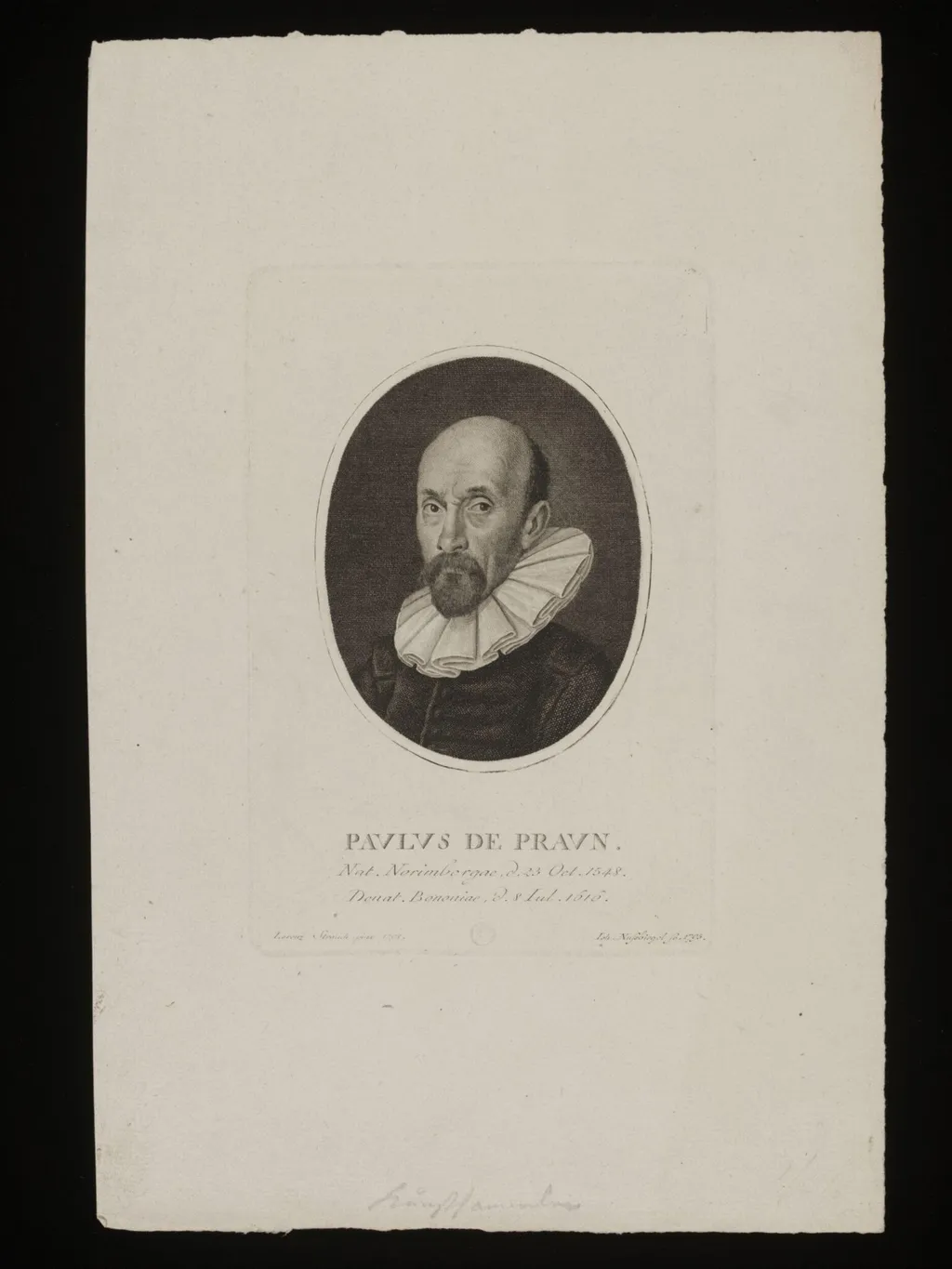
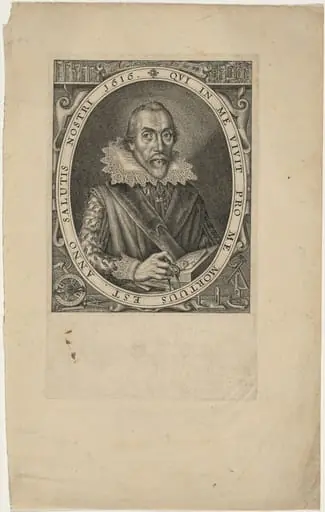
Paulus de Praun is a print by the Renaissance artist Lorenz Strauch. It dates from 1508 and is held in the collection of the Victoria and Albert Museum.
About this work
It is an example of Renaissance art, characterized by its use of realism and attention to detail.
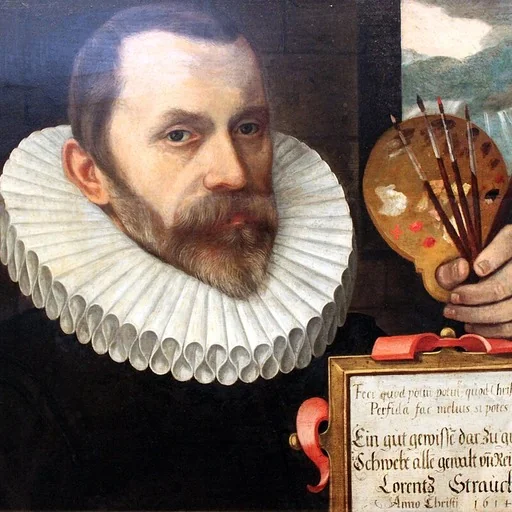
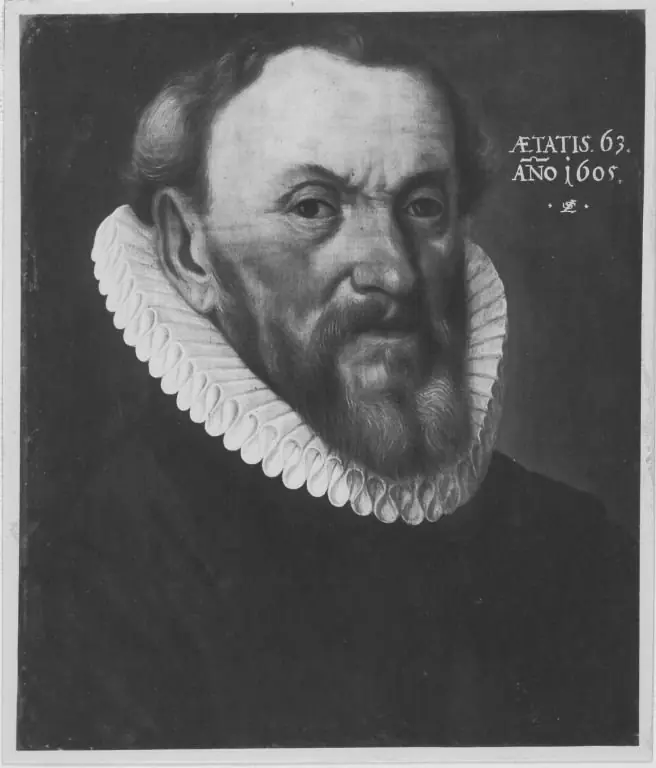
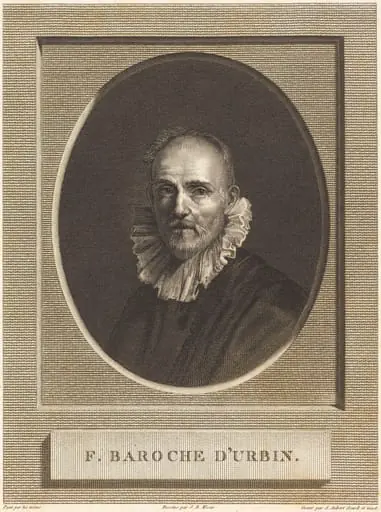
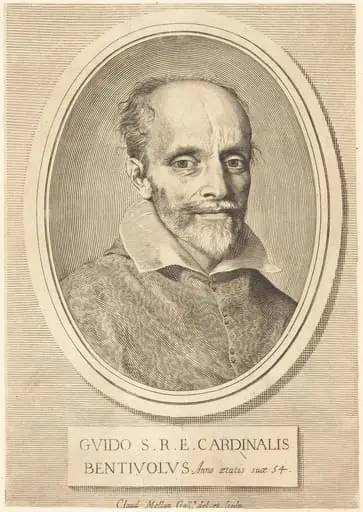
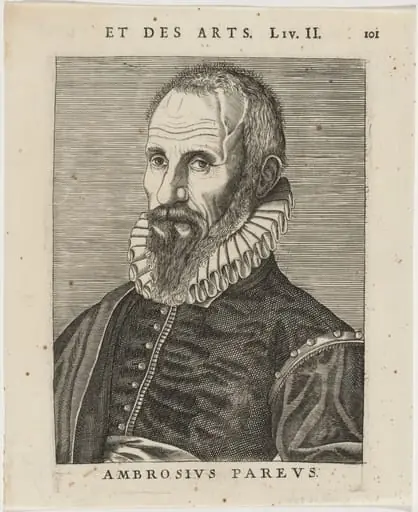
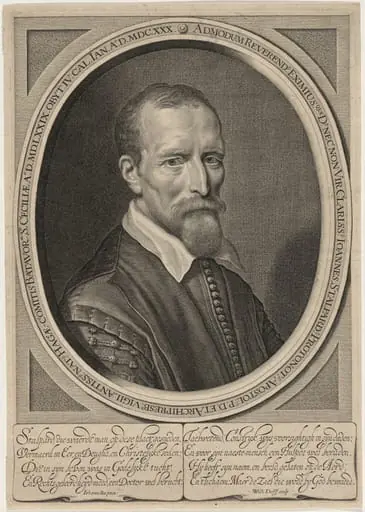
This painting shows a man's head and shoulders, with a dark background. He is wearing a ruffled collar and a dark jacket.
The man's face is serious, and he has a thin beard and mustache. His eyes are looking straight ahead, and his eyebrows are slightly furrowed. The artist has used a range of shades to create depth and dimension in the portrait.
The painting is a portrait of Paulus de Praun, created by Lorenz Strauch in 1508. It is an example of Renaissance art, characterized by its use of realism and attention to detail. To learn more about the Renaissance movement, look up Renaissance.
Overview
This portrait print, dated 1508, depicts Paulus de Praun, a figure likely of civic or professional standing. Created by Lorenz Strauch, it is one of the few known works by the artist and is preserved in the Victoria and Albert Museum. Executed in print form, it reflects the Northern Renaissance tradition of intimate, detailed portraiture, emphasizing individual presence over idealization.
Subject & Meaning
The sitter, Paulus de Praun, is rendered with solemn composure, his direct gaze and furrowed brow suggesting contemplation or authority. His attire—a dark jacket and ruffled collar—signals modest affluence, typical of urban elites in early 16th-century Germany. The absence of symbolic objects or background elements focuses attention on his character, aligning with Renaissance ideals of personal dignity and inner life.
Technique & Style
Strauch employed fine linear engraving to model the face and fabric with subtle gradations of tone. The contrast between the dark background and the softly lit features enhances three-dimensionality. The texture of the ruffled collar and the fine hairs of the beard are rendered with precision, demonstrating mastery of detail characteristic of Northern Renaissance printmaking, where clarity and realism were paramount.
History & Provenance
The print entered the Victoria and Albert Museum’s collection as part of its broader holdings in early European prints. Its survival is notable, given the fragility of paper media and the limited output of Strauch, whose career remains poorly documented. No earlier ownership records are publicly known, but its preservation suggests early appreciation for its technical quality and likeness.
Context
Created in 1508, the portrait emerges during a period when printmaking enabled wider dissemination of likenesses beyond aristocratic circles. In German-speaking regions, artists like Strauch responded to growing demand for individual portraiture, influenced by humanist values and the rise of the urban middle class. This work reflects the shift from religious imagery toward secular, personal representation.
Legacy
Though Lorenz Strauch left few works, this print endures as a representative example of early 16th-century German portraiture. It contributes to the understanding of how print technology democratized visual identity and preserved the features of non-noble individuals. Its restrained elegance continues to inform studies of Renaissance portraiture beyond Italy.
Artist & collection