Artwork
Christ Driving the Money-changers from the Temple
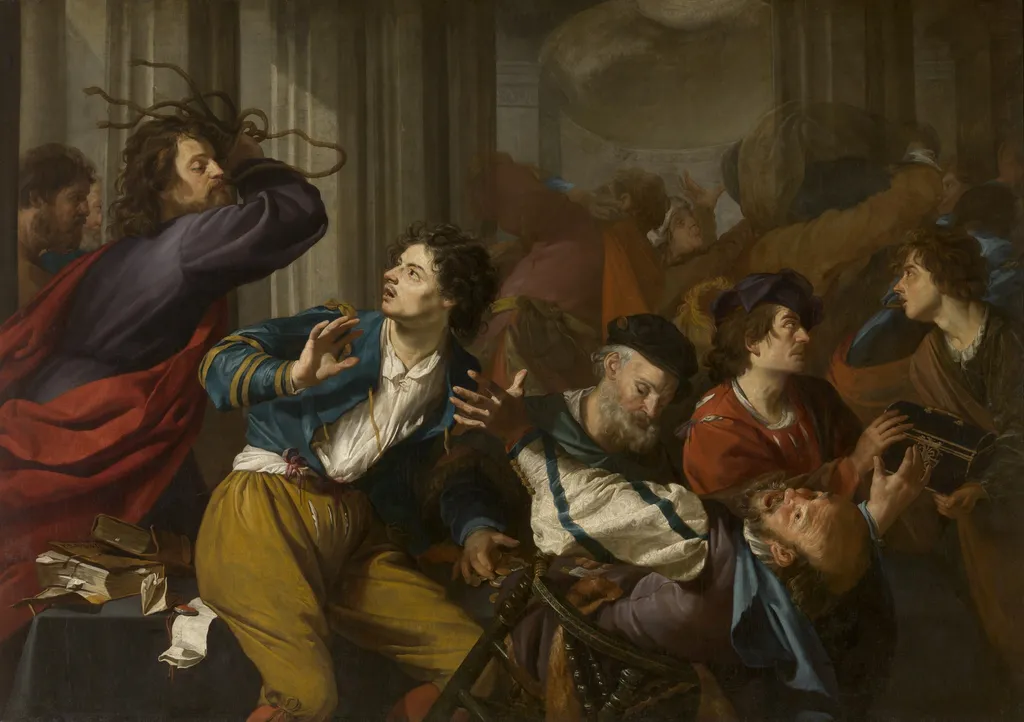
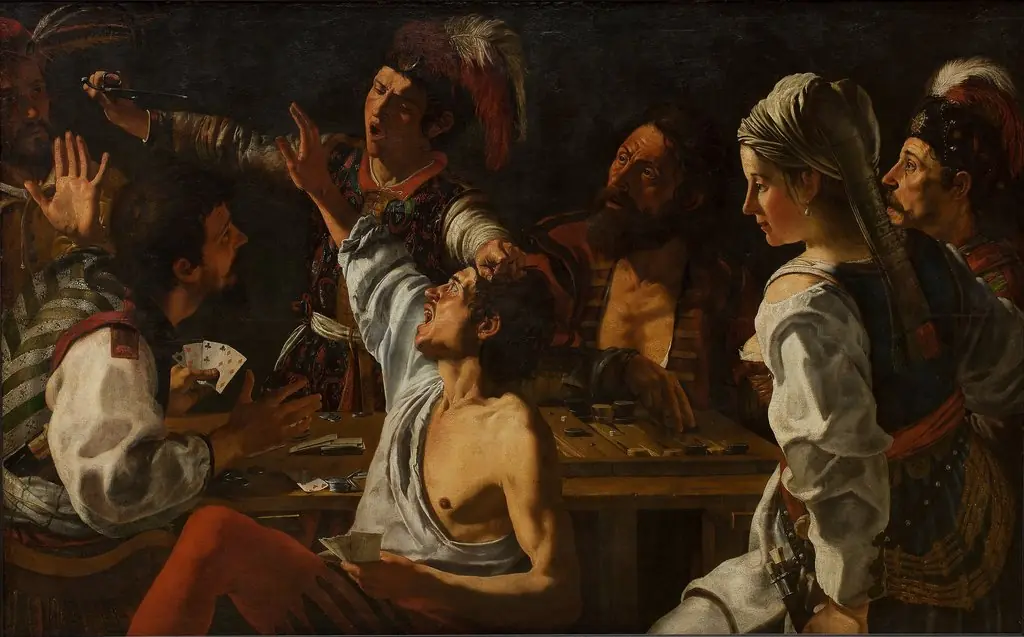
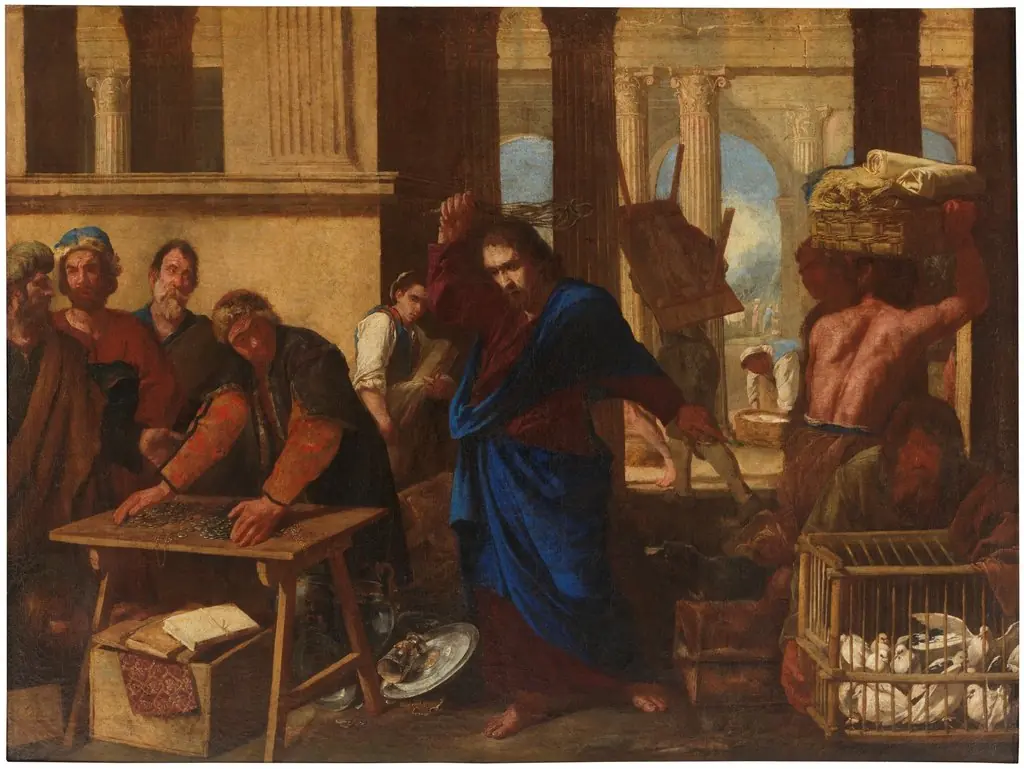
Christ Driving the Money-changers from the Temple is an oil painting by the Flemish Baroque painting artist Theodoor Rombouts. It dates from 1628 and is held in the collection of the Royal Museum of Fine Arts Antwerp.
About this work
Overview
The composition captures a moment of intense action, rendered with heightened realism and a focus on physical presence, characteristic of his mature style.
Painted in 1628 by Theodoor Rombouts, this oil-on-canvas work portrays Christ expelling merchants from the Temple, a scene drawn from the Gospels. Rombouts, active in Antwerp during the Flemish Baroque era, aligned himself with artists who absorbed Caravaggio’s visual language. The composition captures a moment of intense action, rendered with heightened realism and a focus on physical presence, characteristic of his mature style.
Subject & Meaning
The scene illustrates Christ’s righteous anger as he clears the Temple of commercial activity, a symbolic act against corruption. Figures scatter in disarray—some recoil, others clutch coins or goods—while a central figure wields a whip. A man in the foreground holds a book, possibly representing sacred texts displaced by commerce. The narrative emphasizes moral clarity through physical confrontation, aligning with Counter-Reformation ideals of spiritual purity.
Technique & Style
Rombouts employs chiaroscuro to model forms and direct attention, with stark contrasts between illuminated figures and shadowed recesses. The figures are rendered with tactile realism, their garments and gestures conveying urgency. Architectural elements—columns and arches—frame the scene, enhancing spatial depth without overwhelming the drama. Brushwork is controlled yet dynamic, capturing motion without sacrificing anatomical precision.
History & Provenance
The painting entered the collection of the Royal Museum of Fine Arts Antwerp in the 19th century, where it remains today. It was likely commissioned by a local religious institution or private patron sympathetic to Caravaggisti themes. Its survival through centuries of political and religious upheaval reflects its enduring status within Flemish artistic heritage.
Context
Rombouts worked in a city where Catholic revival fueled demand for emotionally charged religious imagery. His style responded to both Italian Caravaggism and local traditions of detailed narrative painting. While not a direct copyist, he adapted chiaroscuro and naturalism to suit Flemish tastes, bridging Italian innovation with Northern attention to texture and expression.
Legacy
Though less widely known than contemporaries like Rubens, Rombouts contributed to the dissemination of Caravaggio’s dramatic idiom in the Southern Netherlands. This painting exemplifies how regional artists reinterpreted Italian models to serve local devotional needs. His work influenced later Flemish painters seeking emotional intensity grounded in observed reality.
Own this work as a print
Artist & collection
Artist
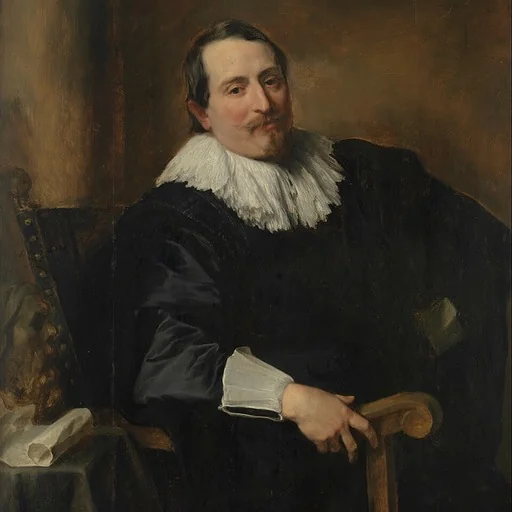
Theodoor Rombouts (2 July 1597 – 14 September 1637) was a Flemish painter who is mainly known for his Caravaggesque genre scenes depicting lively dramatic gatherings as well as religiously themed works.