Artwork
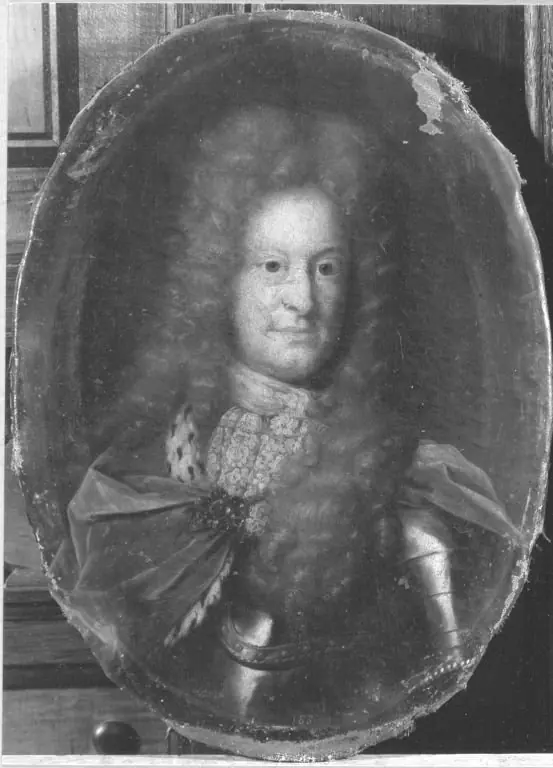
Bildnis von Pfalzgraf Christian II. von Birkenfeld-Bischweiler-Rappoltstein (1637-1717)
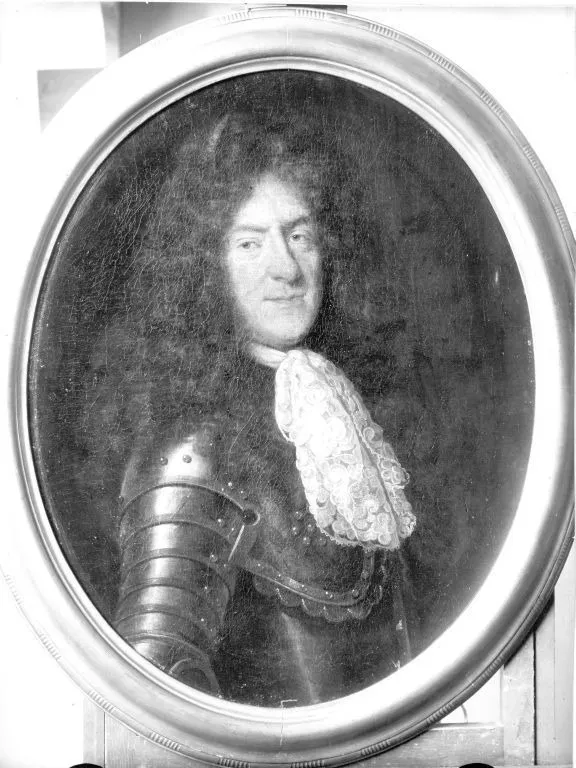
Bildnis von Pfalzgraf Christian II. von Birkenfeld-Bischweiler-Rappoltstein (1637-1717) is an unspecified painting by the Dutch Golden Age artist Theodor Roos. It dates from 1662 and is held in the collection of the Bavarian State Painting Collections.
About this work
The level of detail in the clothing and the subject's face indicates a high level of skill on the part of the artist.
This painting depicts a man in a dark outfit, with a white lace collar and a metal arm guard. He is shown from the waist up, facing forward with a neutral expression. The background is dark, which makes the subject stand out.
The man's attire and the style of the painting suggest that it may be a portrait from the 17th century. The level of detail in the clothing and the subject's face indicates a high level of skill on the part of the artist.
The painting's use of chiaroscuro, a technique that uses strong contrasts between light and dark to create a sense of volume, adds depth and dimension to the image.
Overview
This 1662 portrait by Theodor Roos, housed at the Alte Pinakothek, depicts Pfalzgraf Christian II. von Birkenfeld-Bischweiler-Rappoltstein (1637-1717) in a formal, dark attire with distinctive accessories.
Subject & Meaning
The subject, a member of the Palatine nobility, is presented in a neutral, forward-facing pose, emphasizing dignity. His dark outfit, white lace collar, and metal arm guard convey his status and possibly allude to his military or ceremonial role.
Technique & Style
The painting showcases Roos's mastery through detailed rendering of textures (cloth, lace, metal) and the effective use of chiaroscuro, which creates depth and highlights the subject against a dark background.
History & Provenance
Created in 1662, the portrait has been part of the Alte Pinakothek's collection, though specific acquisition details are not provided here.
Context
The work reflects 17th-century European portraiture conventions, blending realism with symbolic elements to represent the sitter's position within the nobility.
Artist & collection

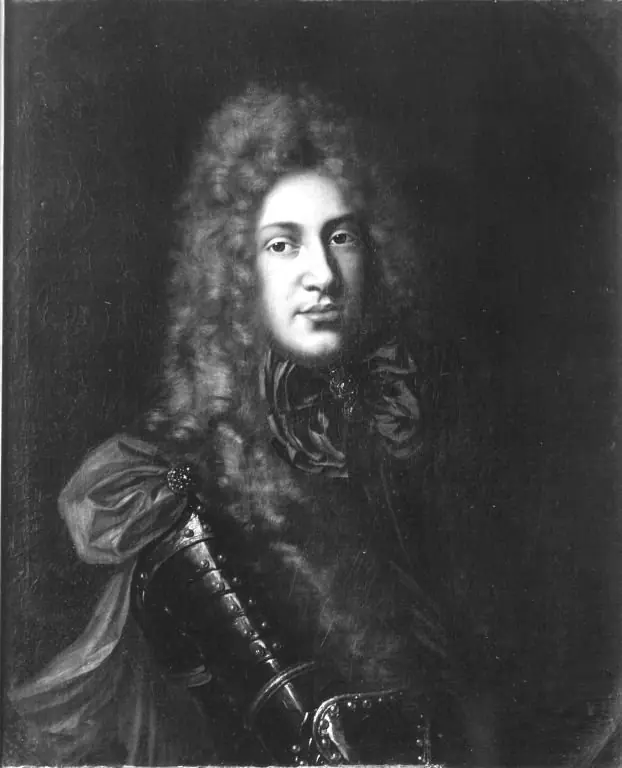 Fürstenbildnis
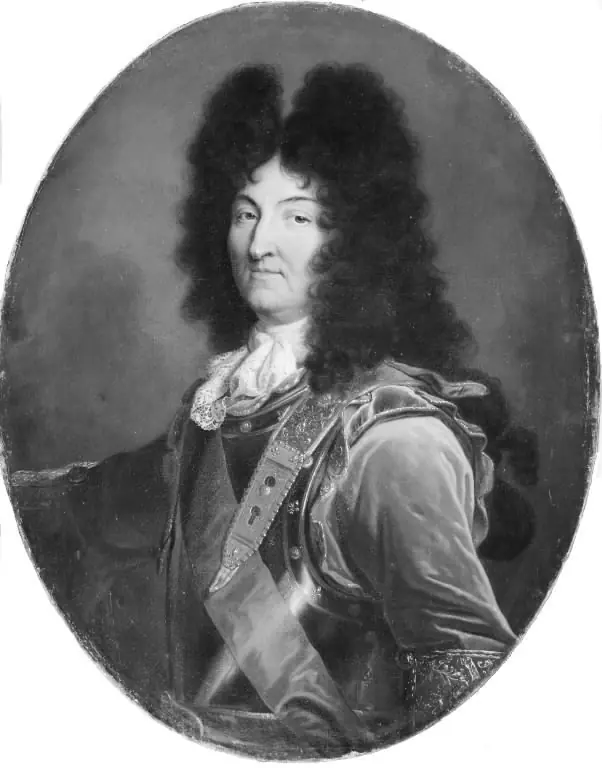 Portrait of Louis XIV
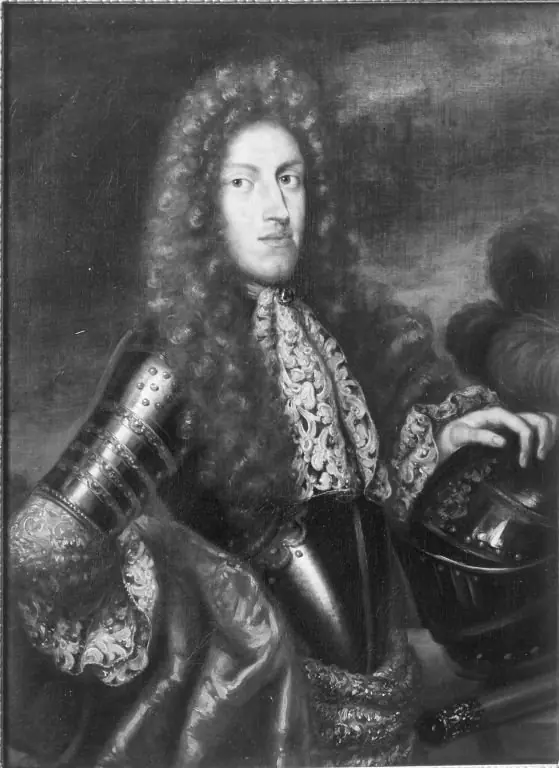 Ludwig Anton in goldverzierter Rüstung
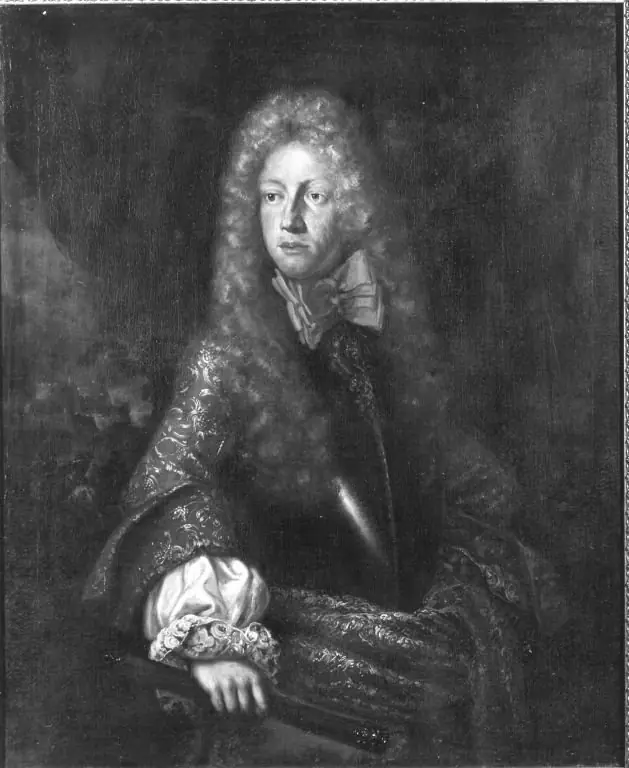 Carl III. Philipp Pfalzgraf von Neuburg
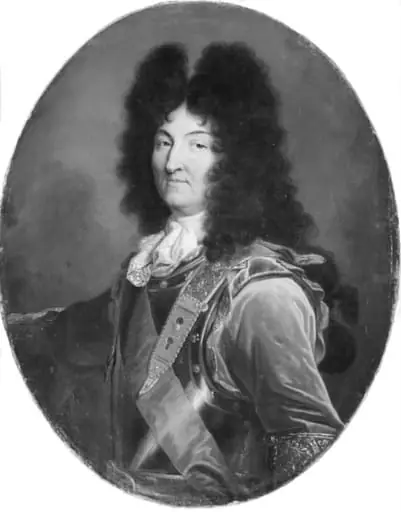 Portrait of Louis XIV
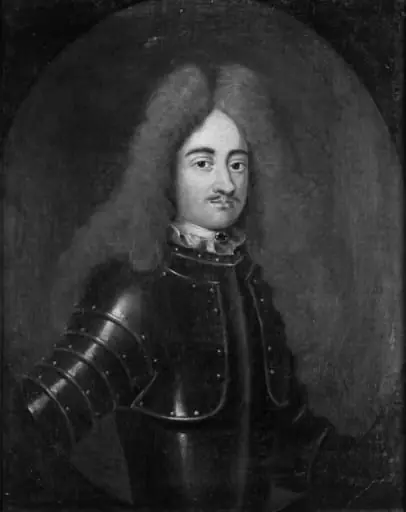 Portrait of a Man
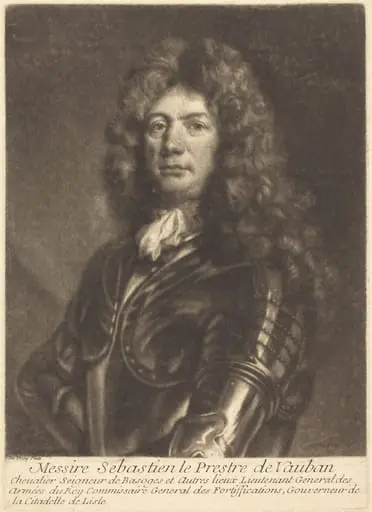 Portrait of M. Sebastien Le Prestre de Vauban
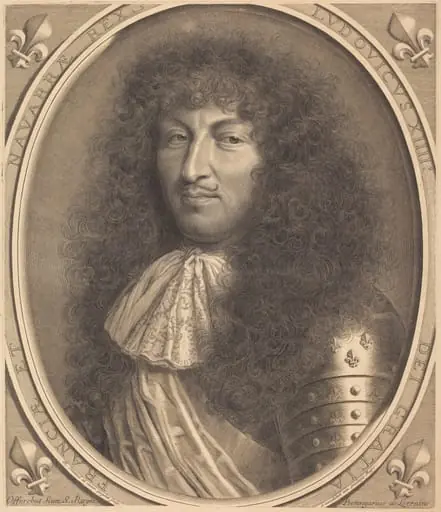 Louis XIV
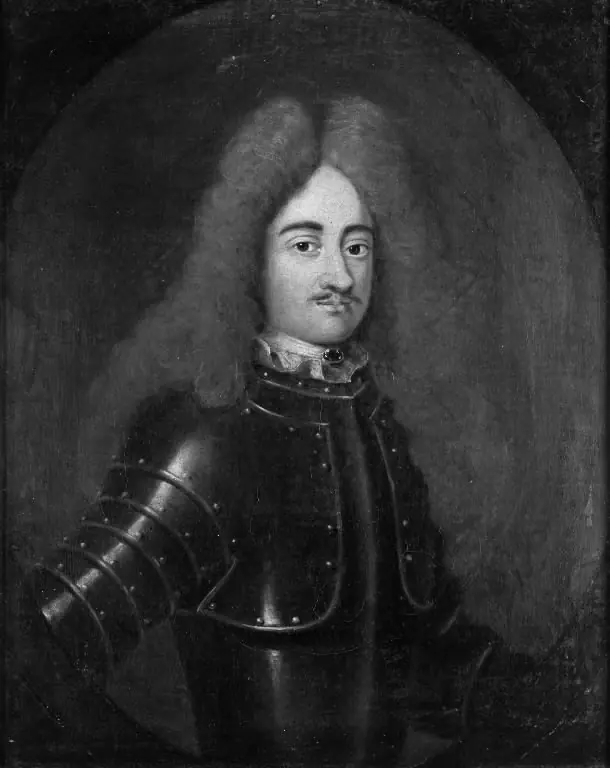 Portrait of a Man
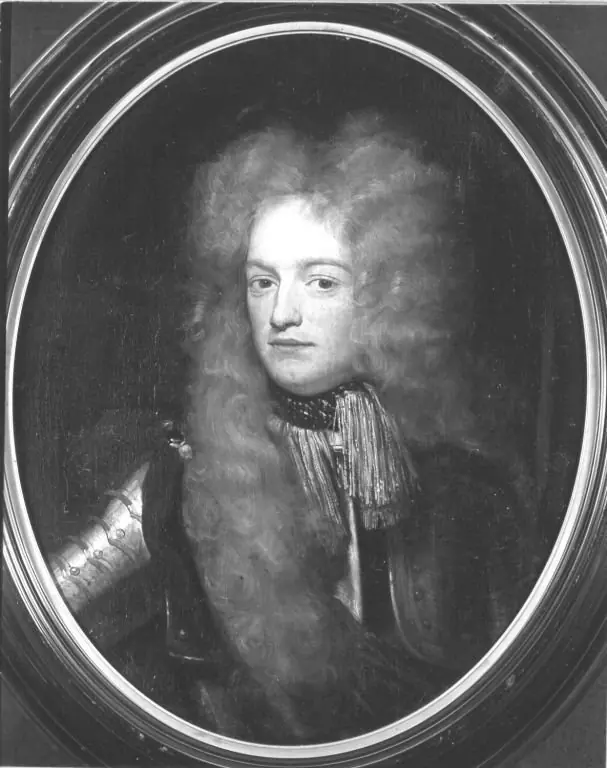 Bildnis des Kurfürsten Karl III. Philipp von der Pfalz (1661-1742)
 Bildnis eines unbekannten Fürsten