Artwork
Carl III. Philipp Pfalzgraf von Neuburg
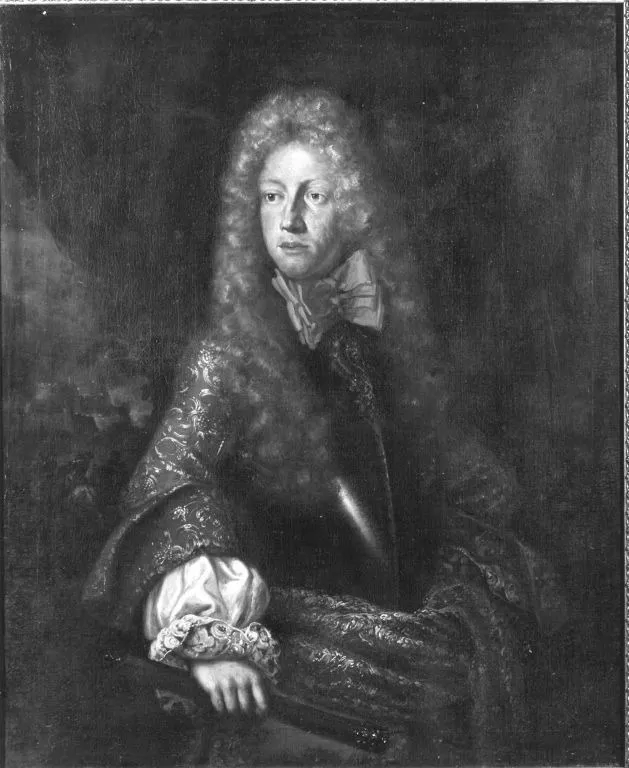
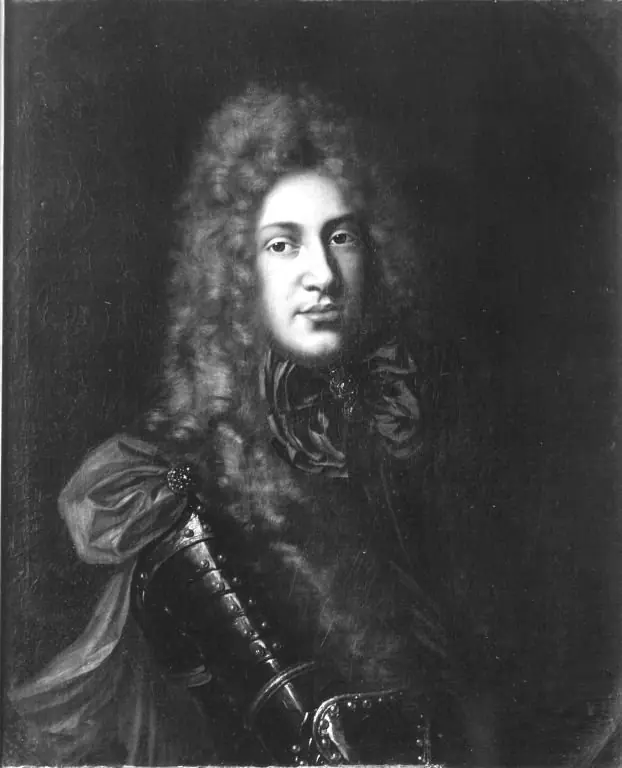
Carl III. Philipp Pfalzgraf von Neuburg is an unspecified painting by the Rococo painting artist Wolfgang Ludwig Hopfer. It dates from 1692 and is held in the collection of the Bavarian State Painting Collections.
About this work
Overview
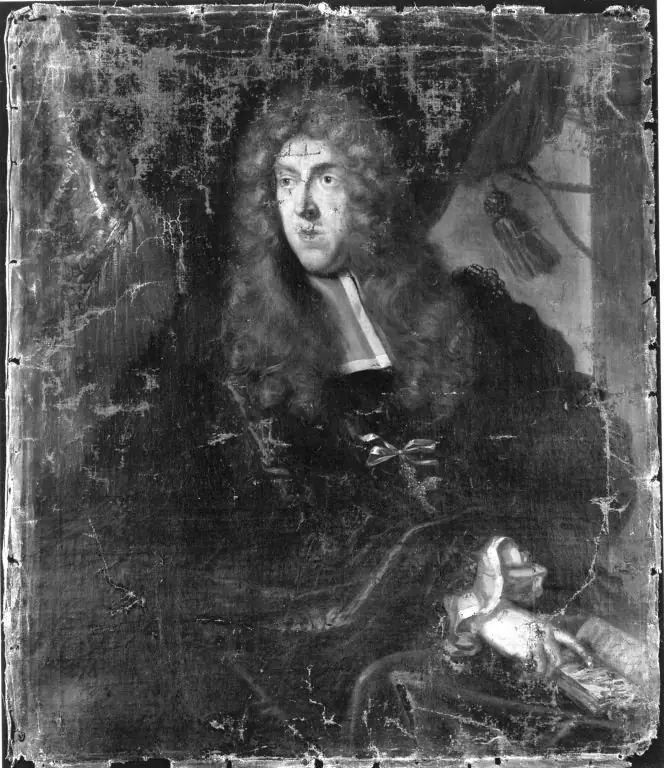
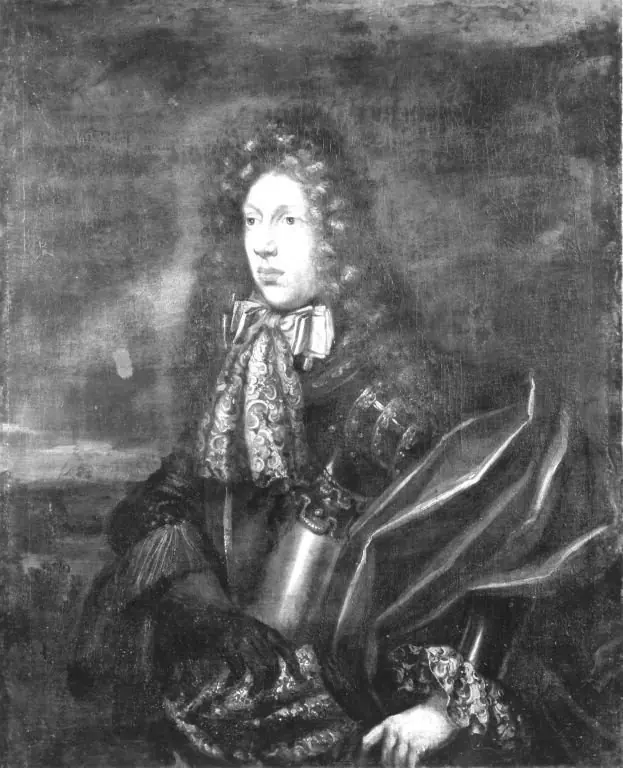
Wolfgang Ludwig Hopfer’s 1692 oil portrait presents Carl III Philipp, Pfalzgraf von Neuburg, in a formal, half‑length composition. The work is part of the Alte Pinakothek’s collection in Munich and exemplifies late‑Baroque portraiture of German aristocracy.
Subject & Meaning
The sitter, a regional ruler of the early modern Holy Roman Empire, is shown with a composed expression, suggesting authority and dignified poise. His direct gaze engages the viewer, reinforcing his status as a figure of governance and lineage.
Technique & Style
Hopfer employs a stark chiaroscuro, using a dark, unadorned backdrop to isolate the subject’s face and elaborate costume. The illumination renders the wig, coat, and cravat with subtle gradations, giving the flesh a gentle, almost luminous quality while the surrounding shadows deepen the three‑dimensional effect.
History & Provenance
Created in 1692, the portrait entered the Alte Pinakothek’s holdings during the museum’s 19th‑century acquisitions of Bavarian court art. Its documented provenance traces back to the family’s private collection before becoming part of the public institution’s early assemblage.
Context
The painting reflects the conventions of aristocratic portraiture in the German lands after the Thirty Years’ War, where elaborate dress, powdered wigs, and controlled lighting signaled both wealth and the emerging Baroque aesthetic of drama and refinement.
Artist & collection

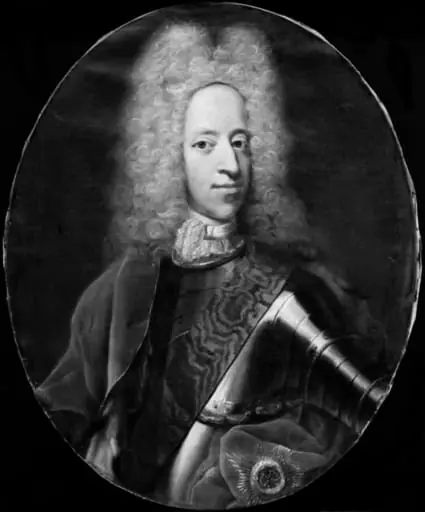 Kong Christian VI som prins
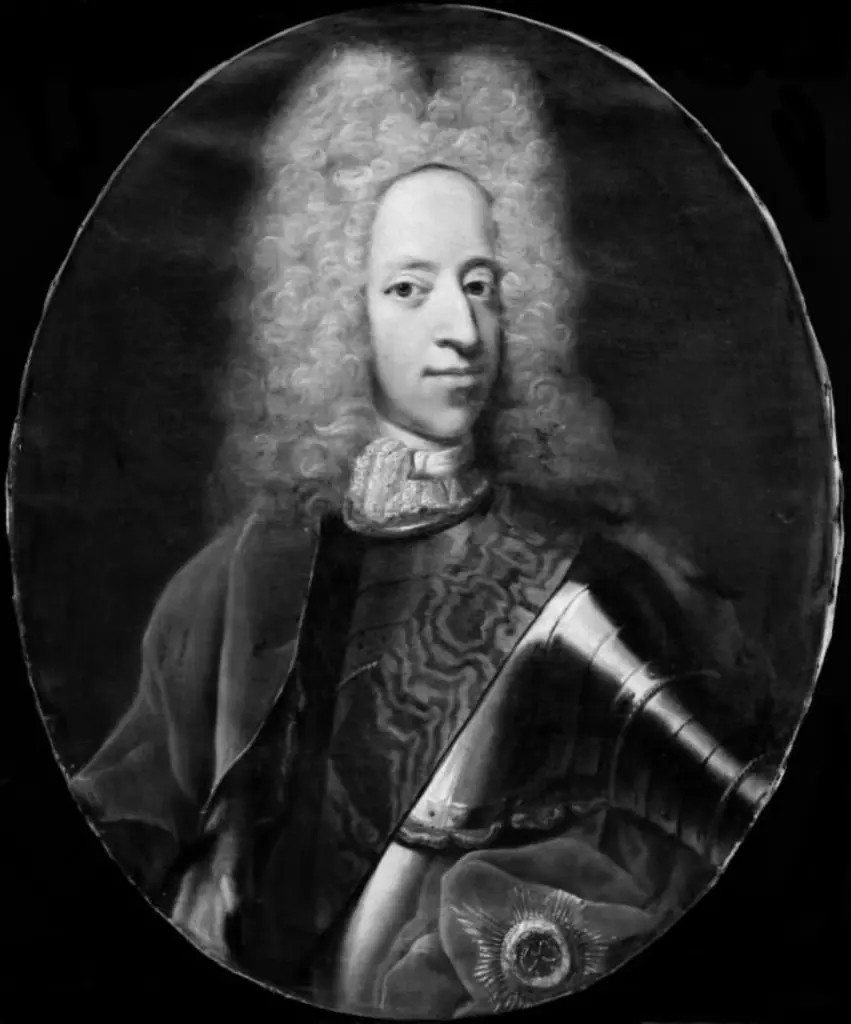 Kong Christian VI som prins
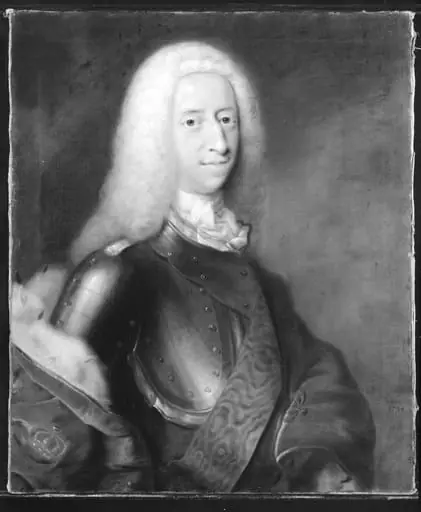 King Christian VI
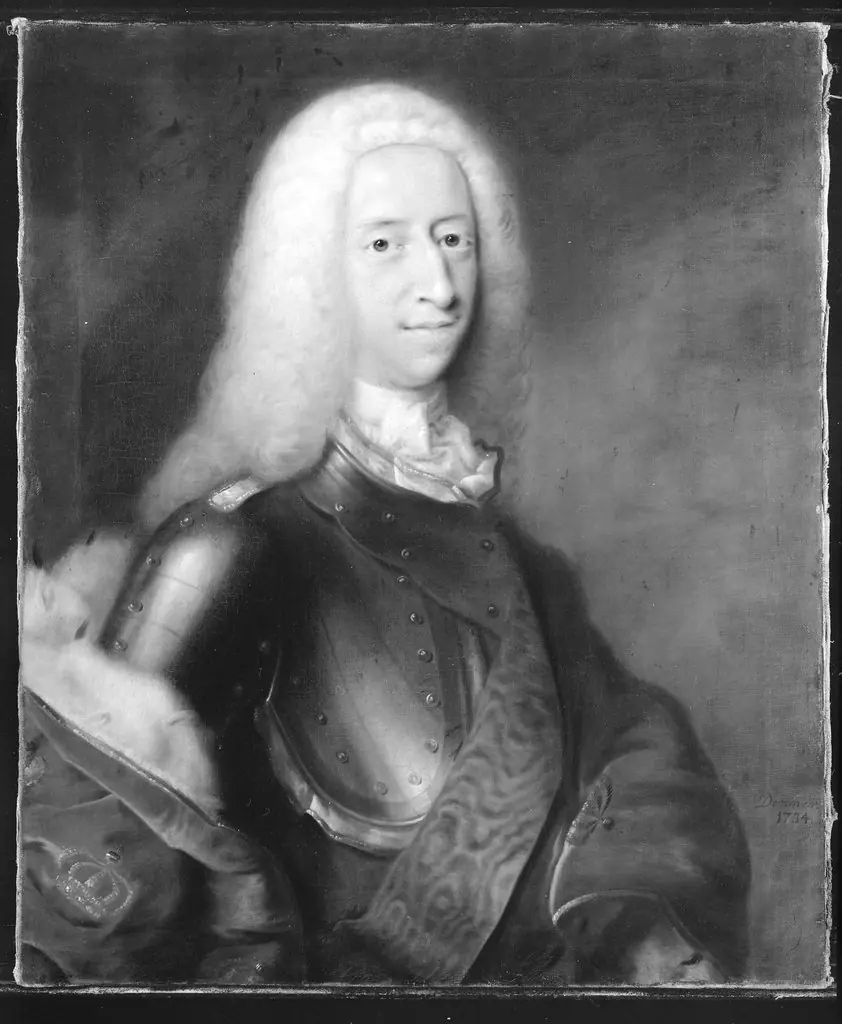 King Christian VI
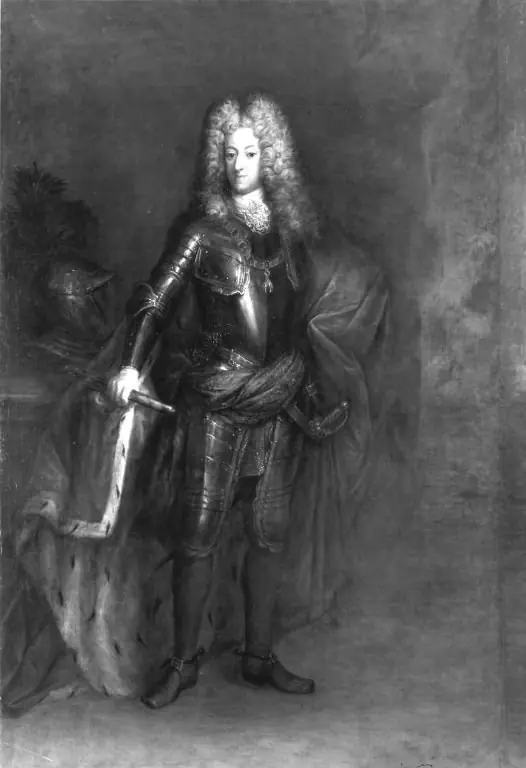 Bildnis des Kurfürsten Max Emanuel von Bayern
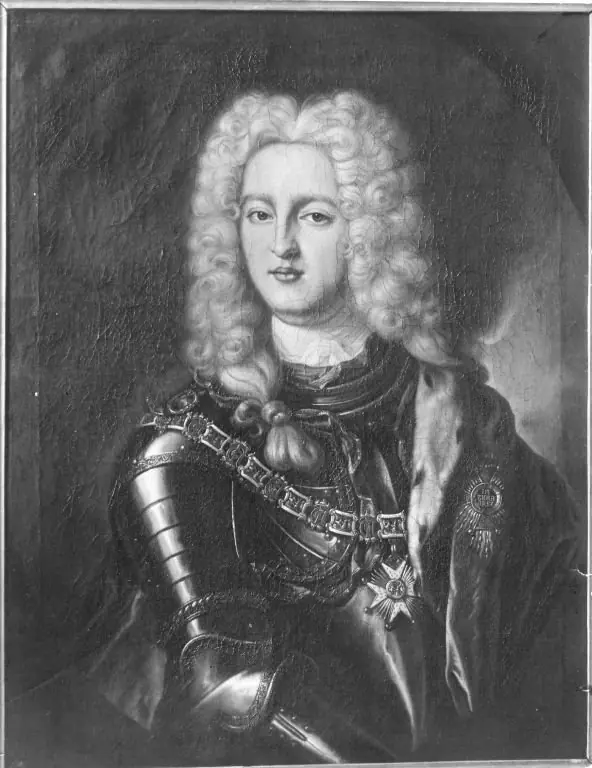 Count Palatine Christian III from Zweibrücken-Birkenfeld
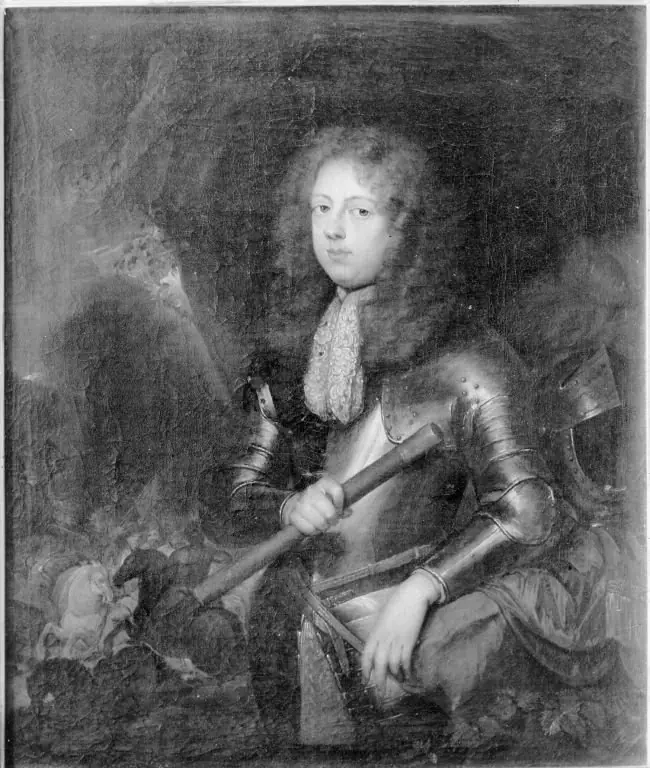 Bildnis eines Prinzen
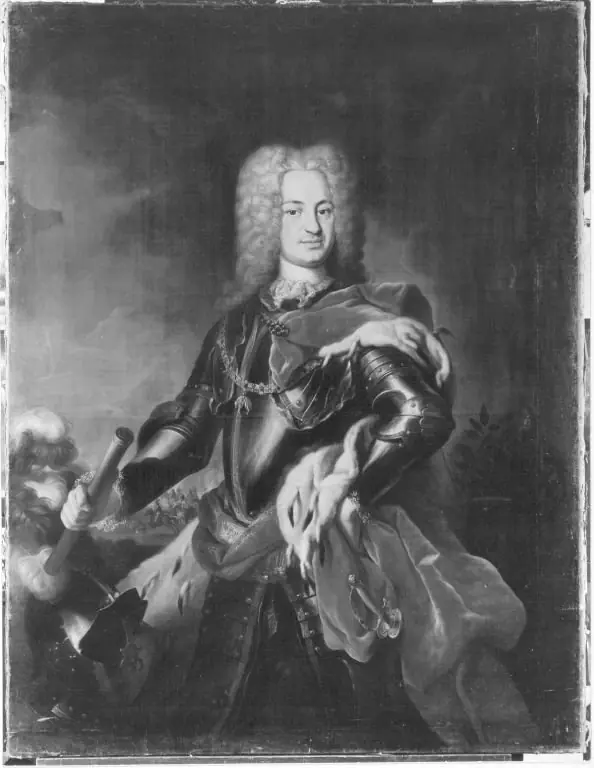 Bildnis des Joseph Karl Emanuel von Sulzbach als Feldherr (1694-1729)
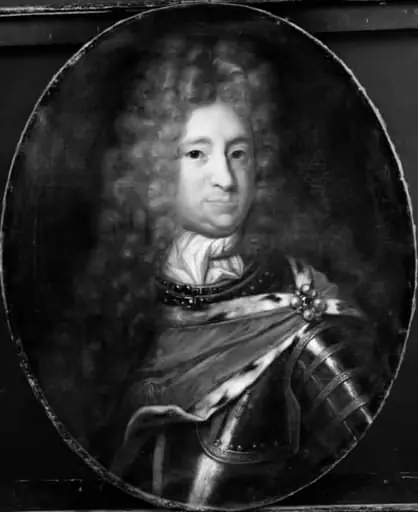 Hertug Gustaf Adolf til Mechlenborg