Artwork
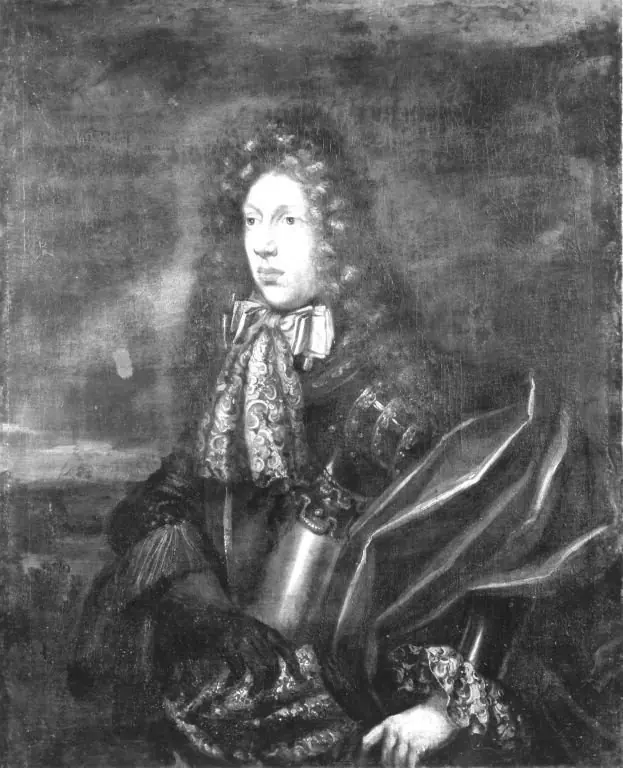
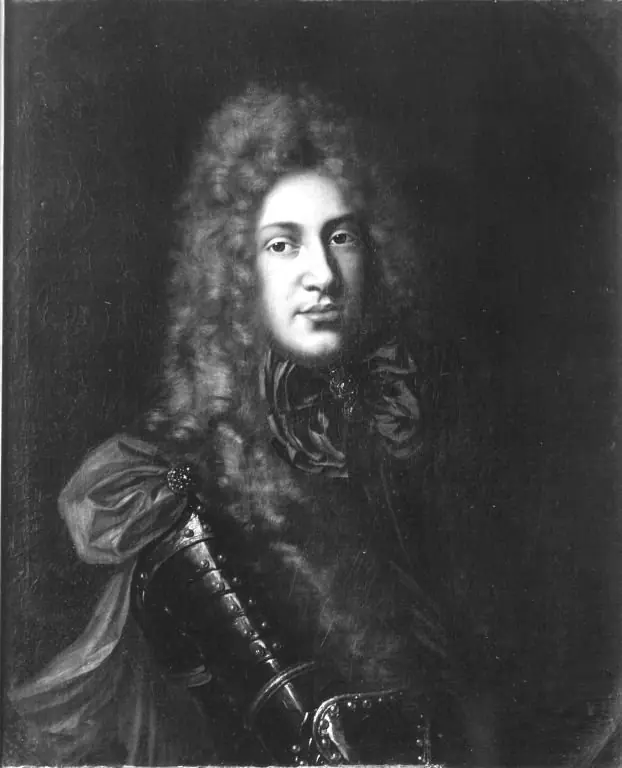
Ludwig Anton in goldverzierter Rüstung
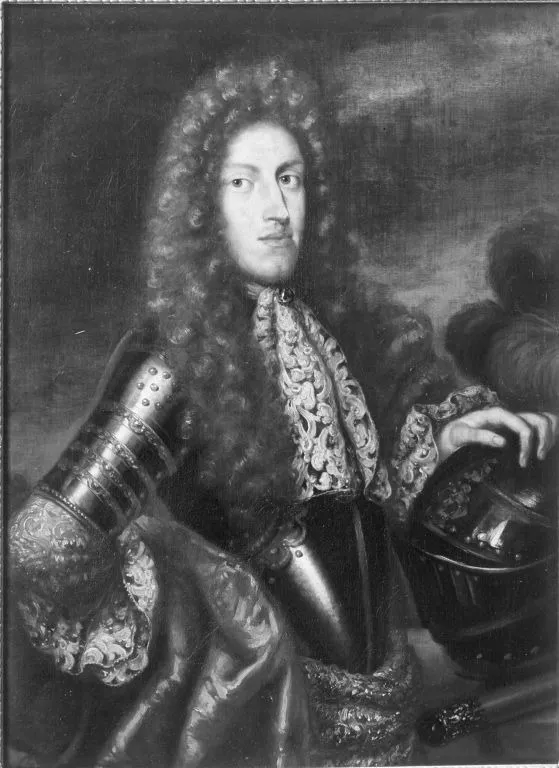
Ludwig Anton in goldverzierter Rüstung is an unspecified painting by the Dutch Golden Age artist Wolfgang Ludwig Hopfer. It dates from 1673 and is held in the collection of the Bavarian State Painting Collections.
About this work
This painting depicts a man with long, curly hair and a mustache, dressed in a dark jacket adorned with intricate gold embroidery on the cuffs and collar.
This painting depicts a man with long, curly hair and a mustache, dressed in a dark jacket adorned with intricate gold embroidery on the cuffs and collar. He wears a white shirt underneath, and his right hand rests on a helmet. The background of the painting is dark, with a subtle gradient of light and shadow.
The man's attire and hairstyle suggest that the painting was created in the 17th century, and the level of detail in the embroidery and helmet implies a high level of craftsmanship.
To learn more about the artistic techniques used in this painting, look up the technique of chiaroscuro.
Overview
Wolfgang Ludwig Hopfer’s 1673 portrait presents a gentleman in elaborate armor, now part of the Alte Pinakothek collection. The work exemplifies late‑Baroque portraiture, focusing on the sitter’s status through detailed costume and a restrained, darkened backdrop.
Subject & Meaning
The figure is shown with long, curled hair and a moustache, wearing a dark jacket richly embroidered in gold along the cuffs and collar. A white shirt peeks beneath, and his right hand rests on a helmet, suggesting a martial identity or affiliation with a chivalric order.
Technique & Style
Executed with a careful use of light and shadow, the painting employs chiaroscuro to model the folds of fabric and the sheen of metal. Fine brushwork renders the gold embroidery and the texture of the hair, while the muted background recedes, drawing attention to the sitter’s attire.
History & Provenance
Created in 1673, the portrait entered the holdings of Munich’s Alte Pinakothek, where it remains on display. Its documented provenance traces directly to the museum’s early acquisitions of German Baroque works, reflecting the institution’s focus on regional artists.
Artist & collection

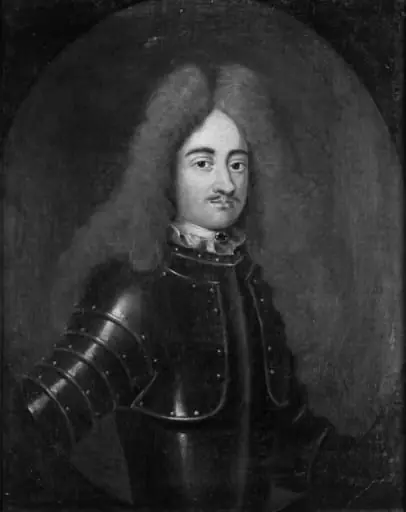 Portrait of a Man
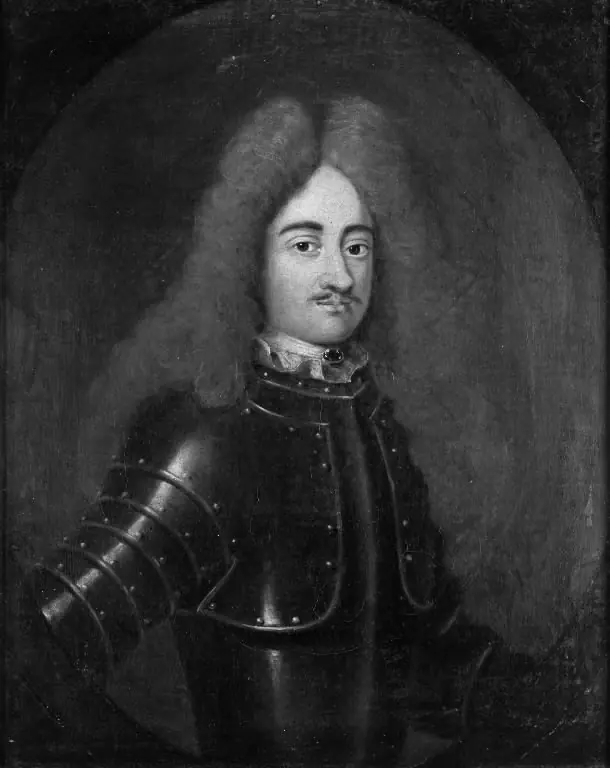 Portrait of a Man
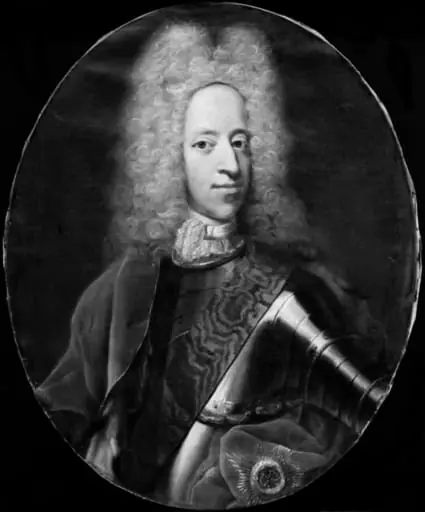 Kong Christian VI som prins
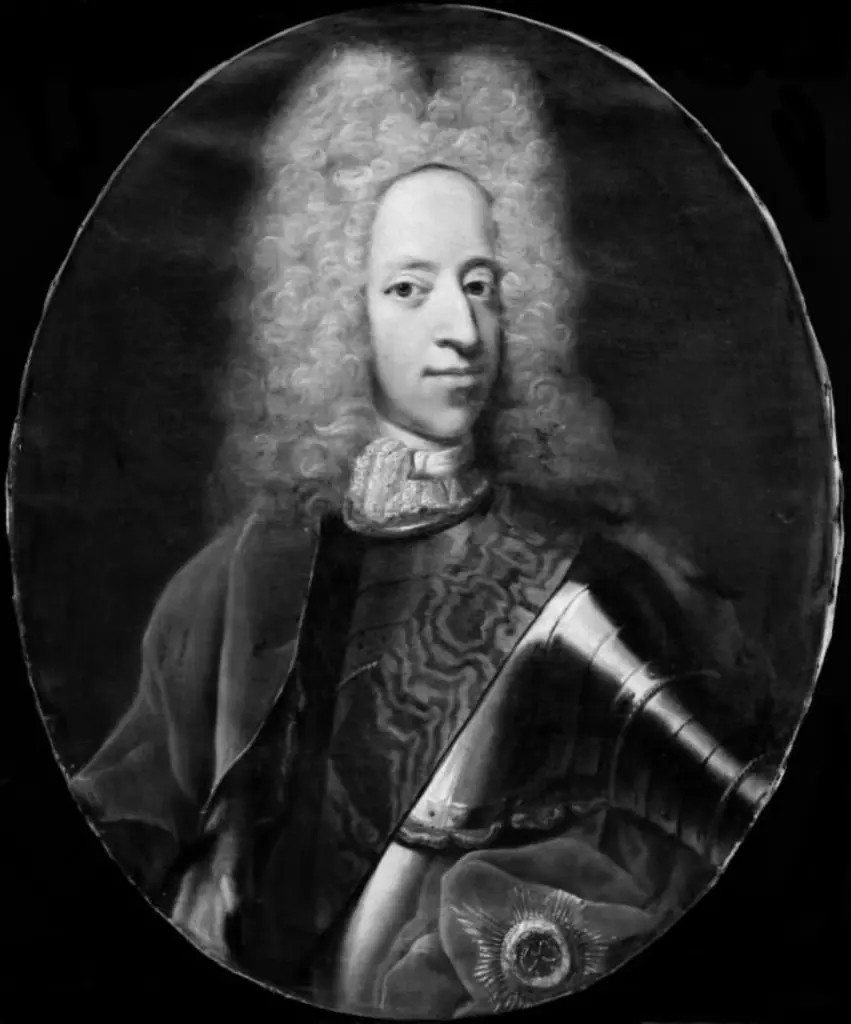 Kong Christian VI som prins
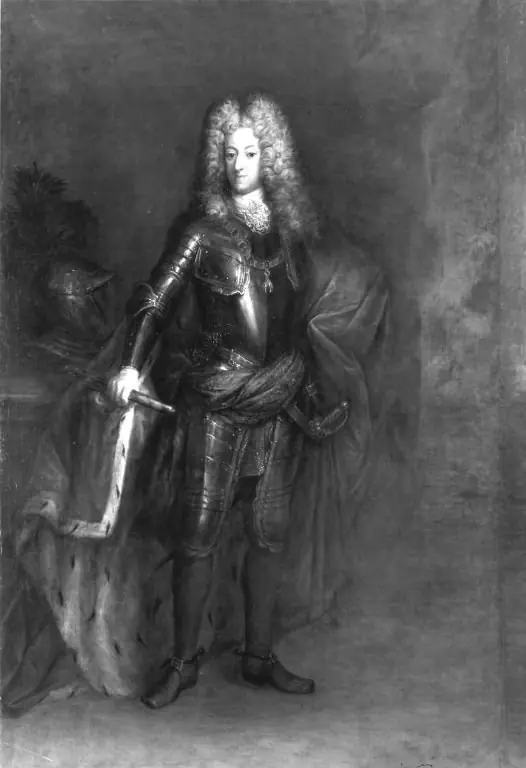 Bildnis des Kurfürsten Max Emanuel von Bayern
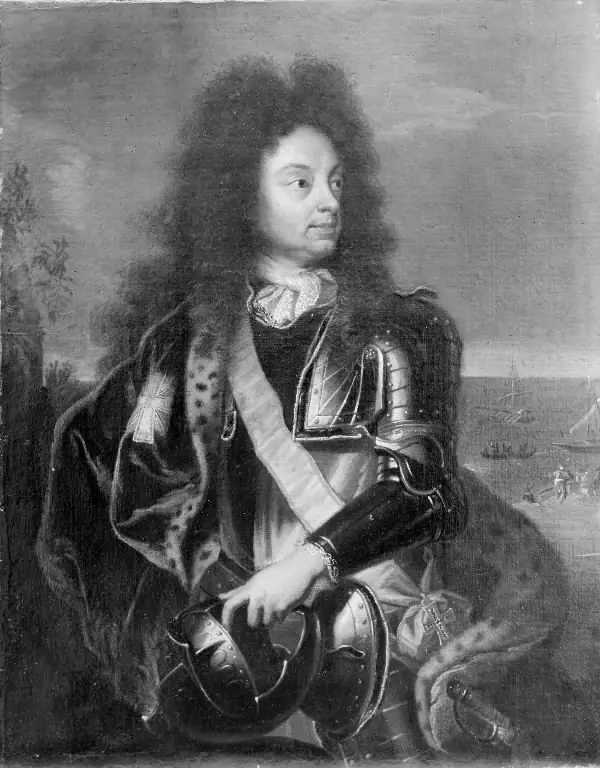 Portræt af Frederik Walter (1671-1718), gehejmeråd, overhofmester. Hvid Ridder 1701
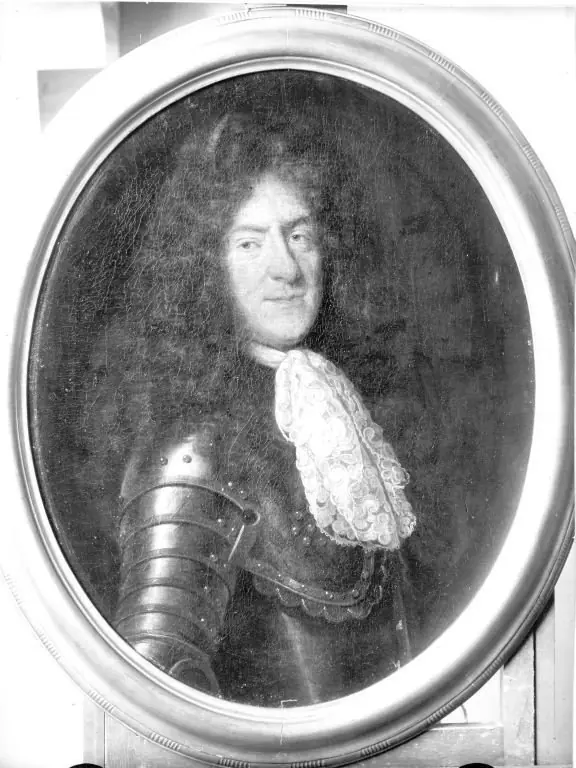 Bildnis von Pfalzgraf Christian II. von Birkenfeld-Bischweiler-Rappoltstein (1637-1717)
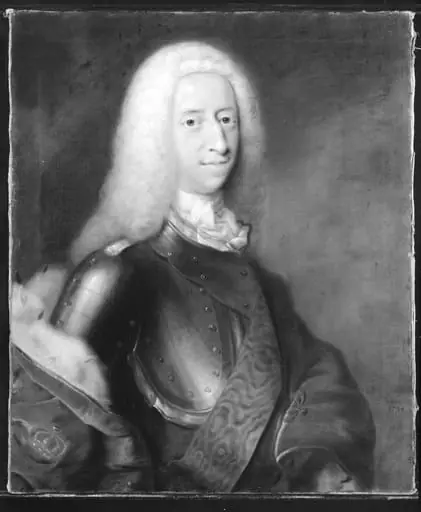 King Christian VI
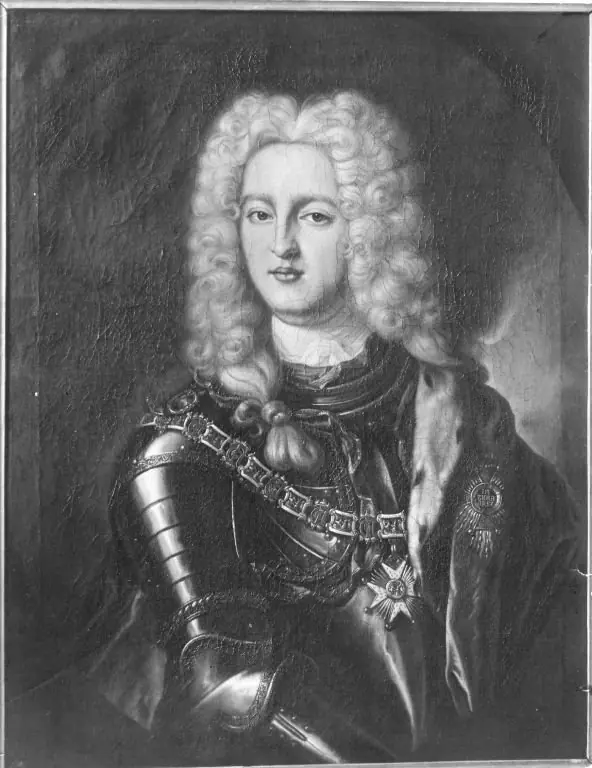 Count Palatine Christian III from Zweibrücken-Birkenfeld
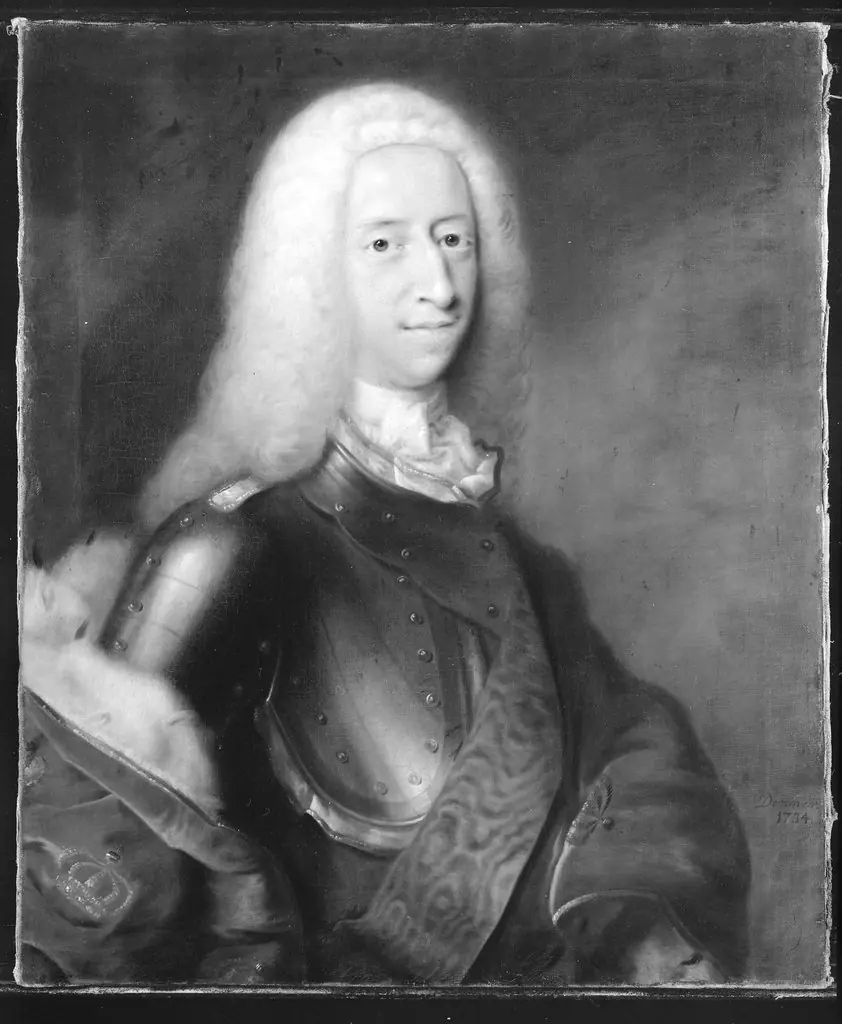 King Christian VI
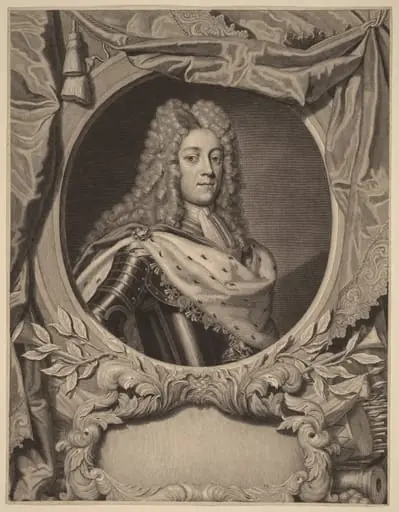 King George II