Artwork
Bildnis des Kurfürsten Karl III. Philipp von der Pfalz (1661-1742)
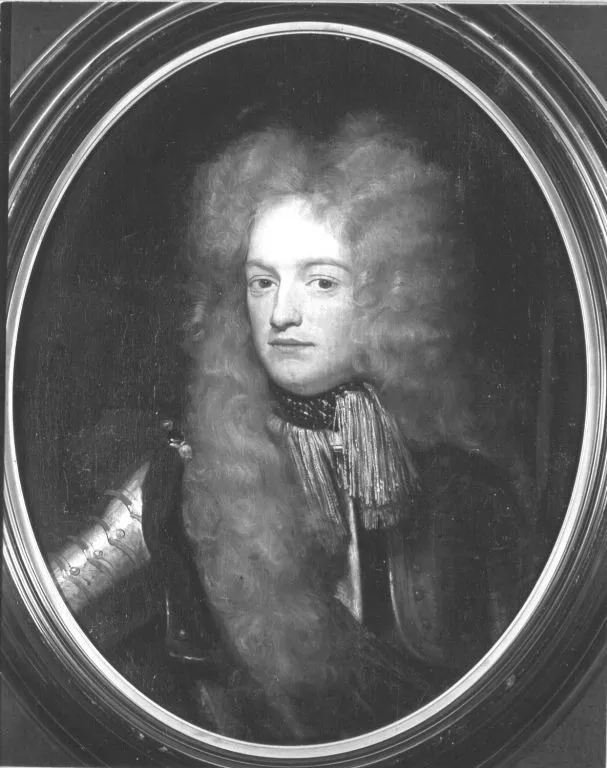
Bildnis des Kurfürsten Karl III. Philipp von der Pfalz (1661-1742) is an unspecified painting by the Dutch Golden Age artist Wolfgang Ludwig Hopfer. It dates from 1696 and is held in the collection of the Bavarian State Painting Collections.
About this work
Overview
Wolfgang Ludwig Hopfer’s 1696 oil portrait presents Charles III Philip, Elector Palatine, in a formal, dignified pose. The work resides in Munich’s Alte Pinakothek, where it forms part of the museum’s collection of German Baroque portraiture.
Subject & Meaning
The sitter, Charles III Philip (1661‑1742), is shown with a serious gaze directed at the viewer, embodying the authority and gravitas expected of an 18th‑century elector. His attire and sword reinforce his political and military status within the Holy Roman Empire.
Technique & Style
Hopfer renders the figure in a restrained palette, emphasizing the texture of the dark jacket, high collar, and frilled scarf. Fine brushwork captures the curls of the hair and the intricate folds of the clothing, while the dark background isolates the portrait, heightening its solemnity.
History & Provenance
Created in 1696, the painting has remained in German collections, eventually entering the Alte Pinakothek’s holdings. Its provenance reflects the museum’s focus on preserving works by regional artists of the Baroque period.
Context
The portrait aligns with the broader tradition of courtly representation in late‑17th‑century Germany, where rulers were depicted with symbols of power—such as swords—and in attire that signaled rank. Hopfer’s work contributes to this visual language of sovereign legitimacy.
Artist & collection

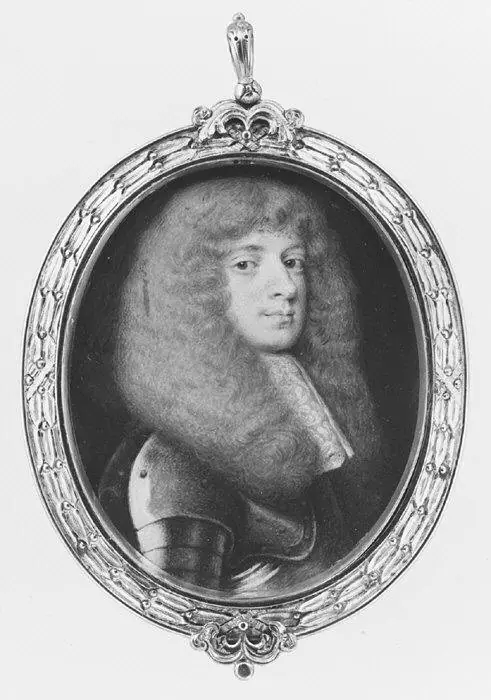 Portrait of a Man, Said to Be John Cecil (1628–1678), Fourth Earl of Exeter
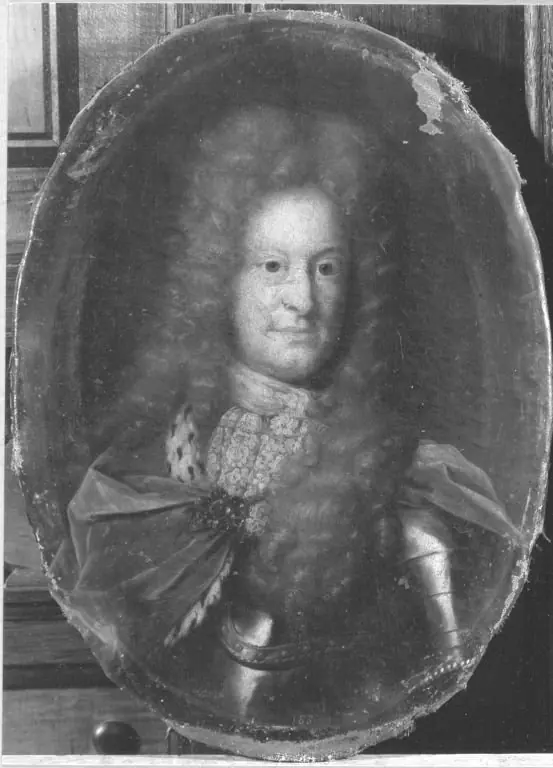 Bildnis eines unbekannten Fürsten
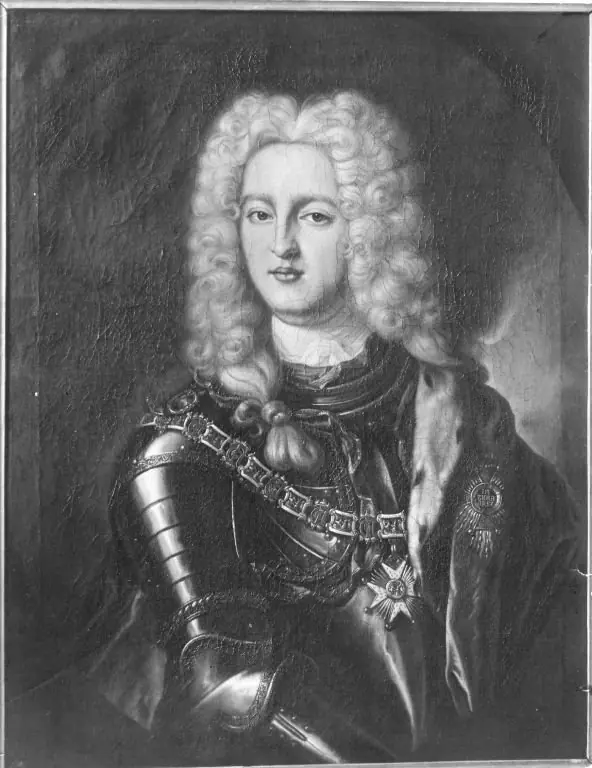 Count Palatine Christian III from Zweibrücken-Birkenfeld
 Portrait of a Man
 Portrait of a Man
 Bildnis eines Prinzen
 Bildnis des Kurfürsten Max Emanuel von Bayern
 Portrait of a Man
 Bildnis von Pfalzgraf Christian II. von Birkenfeld-Bischweiler-Rappoltstein (1637-1717)
 Portrait of a Man