Artwork
Primrose and Orchids
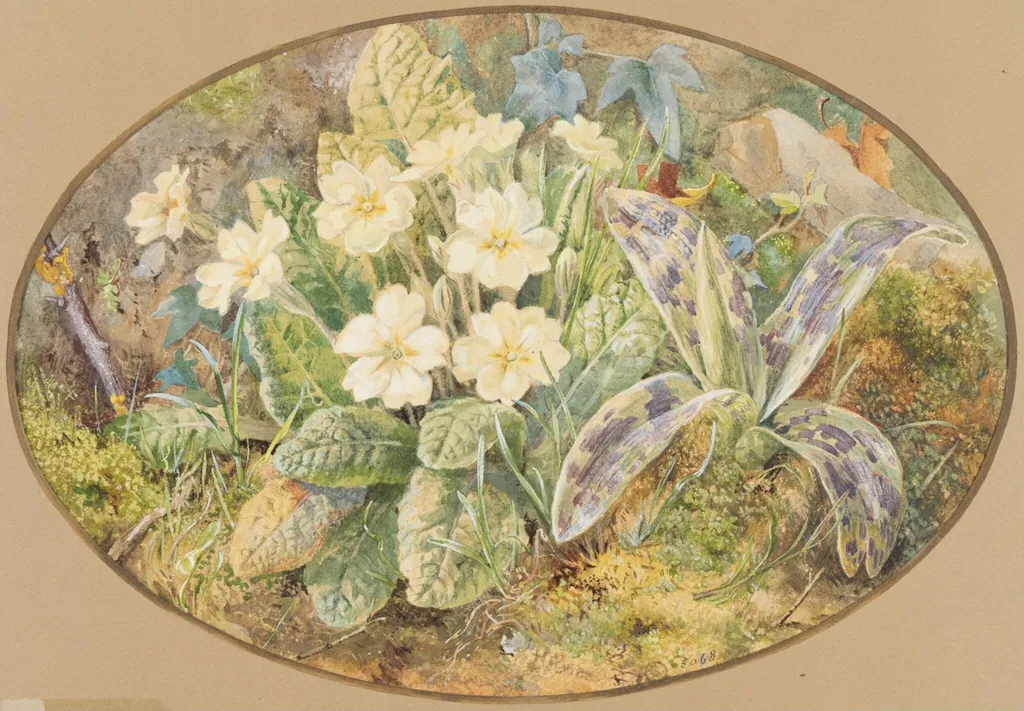
Primrose and Orchids is a watercolor work on paper by the British Romanticist artist Thomas Frederick Collier. It dates from 1864 and is held in the collection of the Victoria and Albert Museum.
About this work
Overview
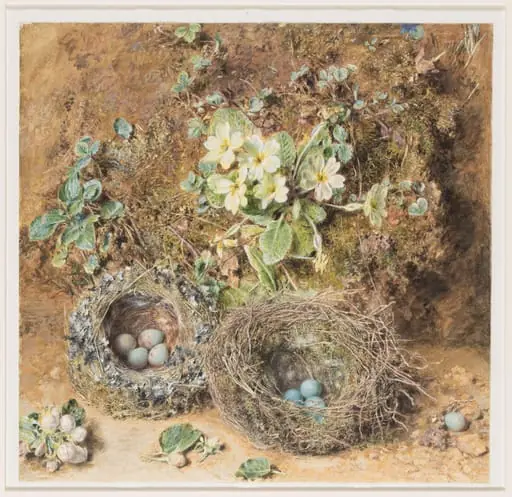
Thomas Frederick Collier painted *Primrose and Orchids* in 1864 using watercolour on paper. The work presents a close-up view of wildflowers emerging from damp earth, capturing their natural arrangement without artificial staging. The composition emphasizes botanical accuracy and quiet observation, reflecting the 19th-century interest in documenting plant life with precision and sensitivity.
Subject & Meaning
The selection of species may reflect regional flora, and the absence of human presence underscores a focus on the quiet autonomy of wild growth.
The painting features primroses with pale yellow petals and green centers, paired with purple orchids marked by speckled foliage and small blue blooms scattered among them. These plants grow interwoven in loose soil, suggesting an untended, natural setting. The selection of species may reflect regional flora, and the absence of human presence underscores a focus on the quiet autonomy of wild growth.
Technique & Style
Collier employed soft, translucent washes and loose, fluid brushwork to suggest the delicate textures of petals and leaves. The watercolour medium allowed for subtle gradations of colour, enhancing the sense of moisture and natural light. Details in the veins of leaves and the irregular edges of petals were rendered with restrained precision, avoiding excessive definition to preserve an impression of spontaneity.
History & Provenance
Created in 1864, the work is one of many botanical studies by Collier, an artist known for his detailed watercolours of British wildflowers. While its early ownership is undocumented, it has remained within private collections since the late 19th century. Its survival reflects a broader 19th-century practice of amateur and professional artists recording native flora for scientific and aesthetic purposes.
Context
In mid-19th-century Britain, botanical illustration flourished alongside rising public interest in natural history. Collier’s work aligns with this trend, where artists often worked from direct observation in the field. Unlike formal botanical plates, his approach prioritized atmospheric effect and organic composition, bridging scientific documentation with the aesthetic sensibilities of Romantic naturalism.
Legacy
Collier’s watercolours, including *Primrose and Orchids*, contributed to a quiet but enduring tradition of British floral studies. His works are not widely exhibited today but remain referenced in regional archives and private collections. They offer insight into how artists of the period engaged with nature—not as spectacle, but as a subject worthy of patient, intimate attention.
Artist & collection
Artist
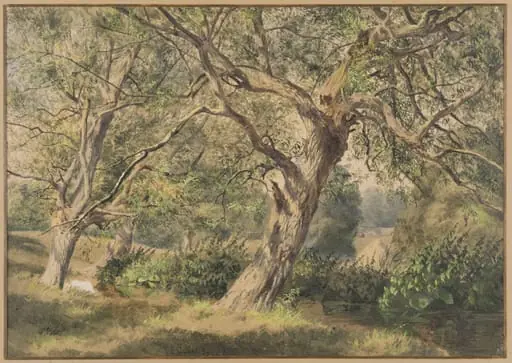
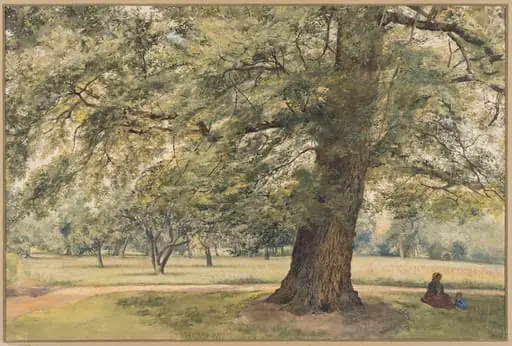
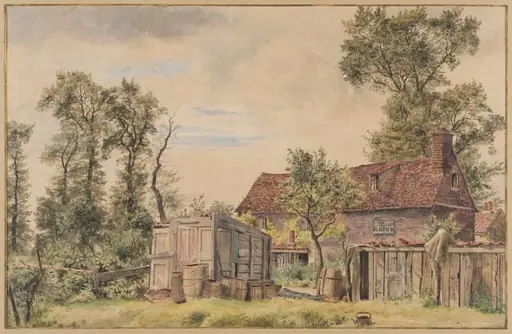
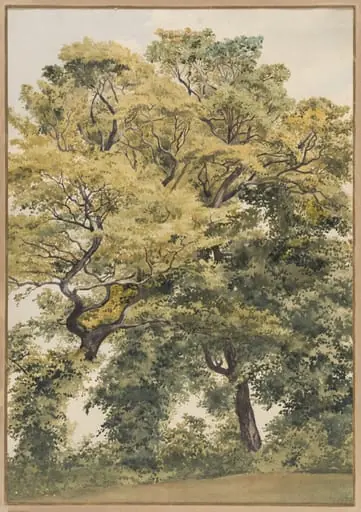
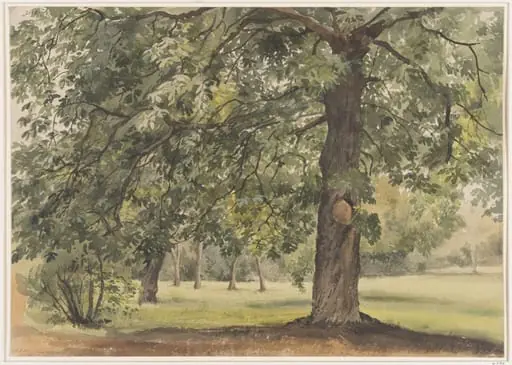
Thomas Frederick Collier painted quiet, detailed watercolours of English trees and landscapes in the 1850s.

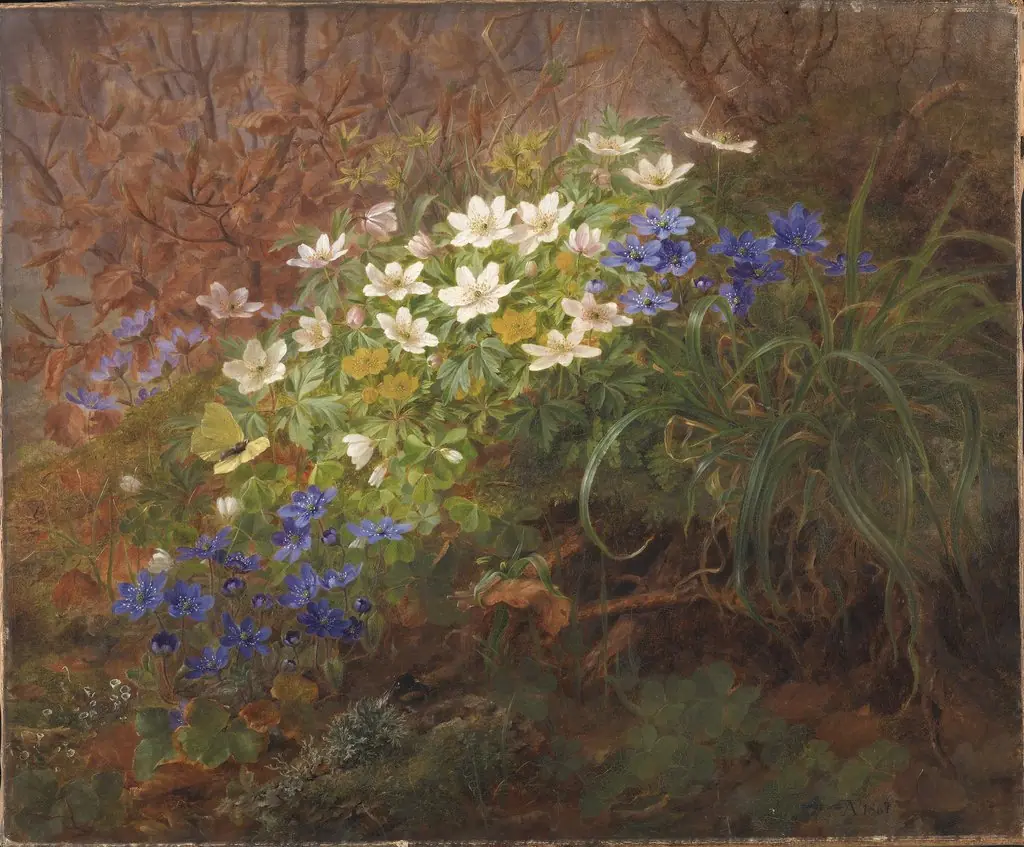 Anemoner
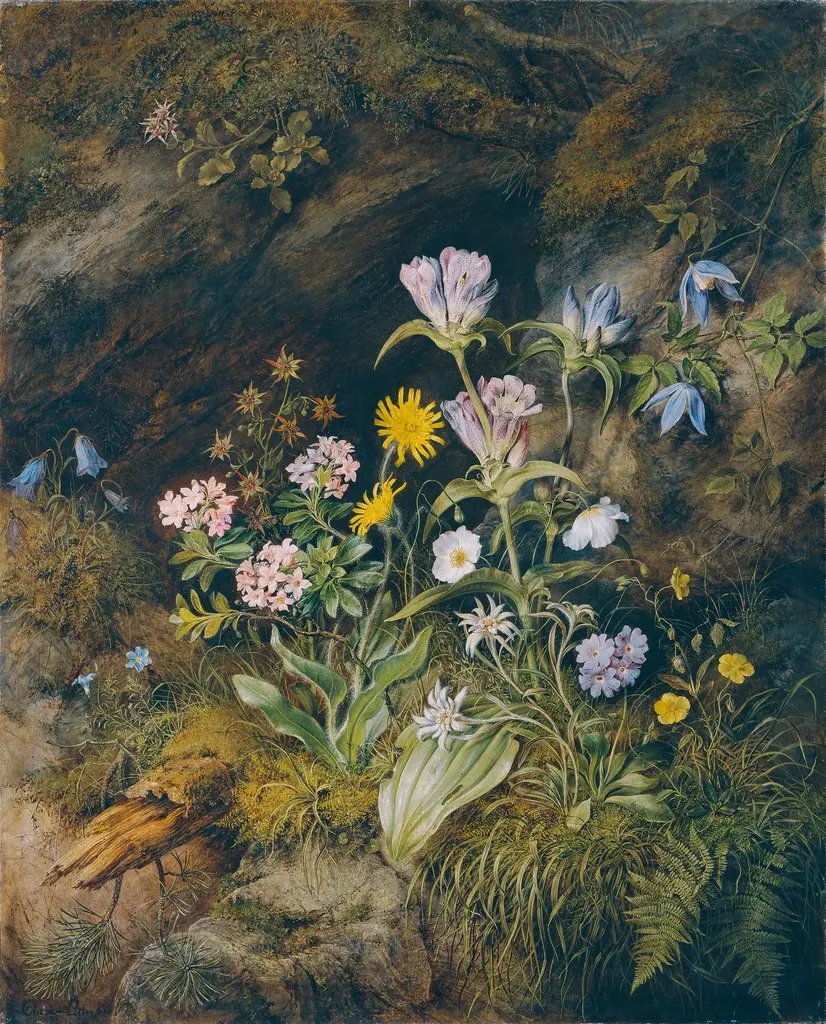 Alpine Flora
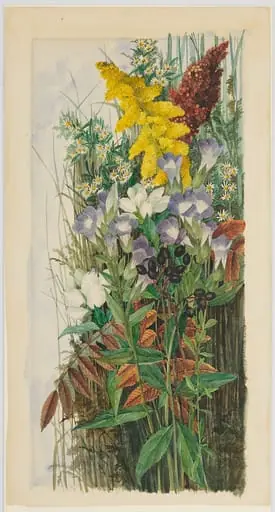 Wildflowers
 Spring Flowers
 Azaleas
 Primroses and Bird's Nests
 Crini
Crini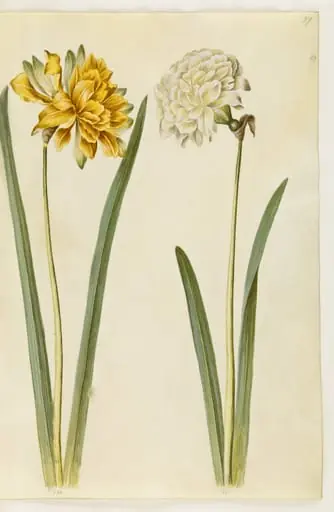 Narcissus pseudonarcissus (påskelilje)
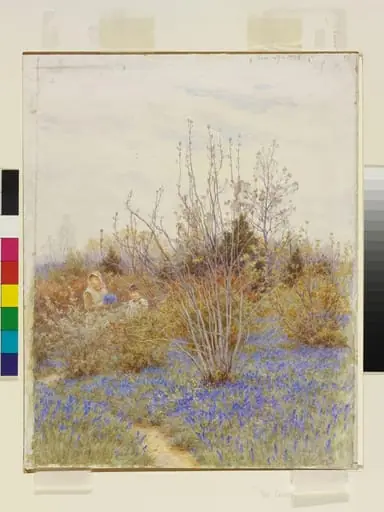 The Cuckoo
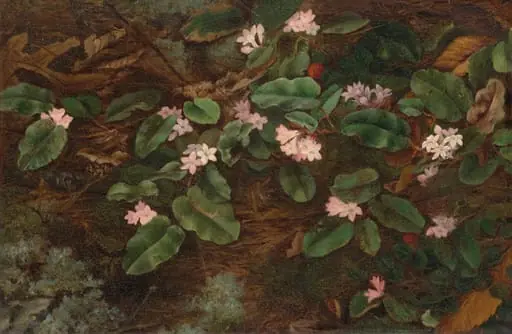 Trailing Arbutus
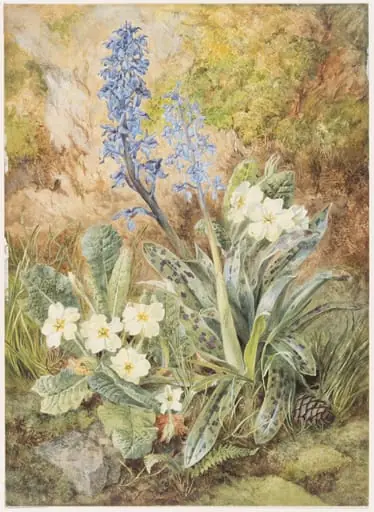 Purple Orchids and Primroses
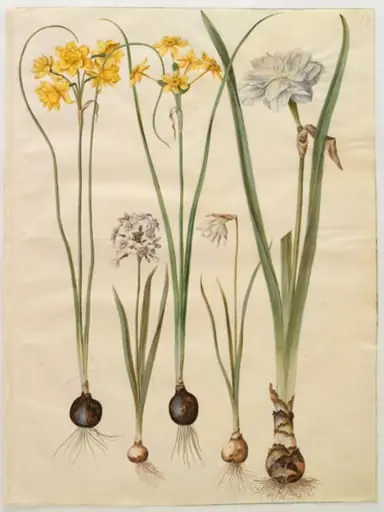 Narcissus jonquilla (siv-narcis); Narcissus tazetta (tazet); Narcissus pseudonarcissus moschatus (moskus-narcis); Narcissus poeticus (pinselilje)