Artwork
Durham Castle and Cathedral
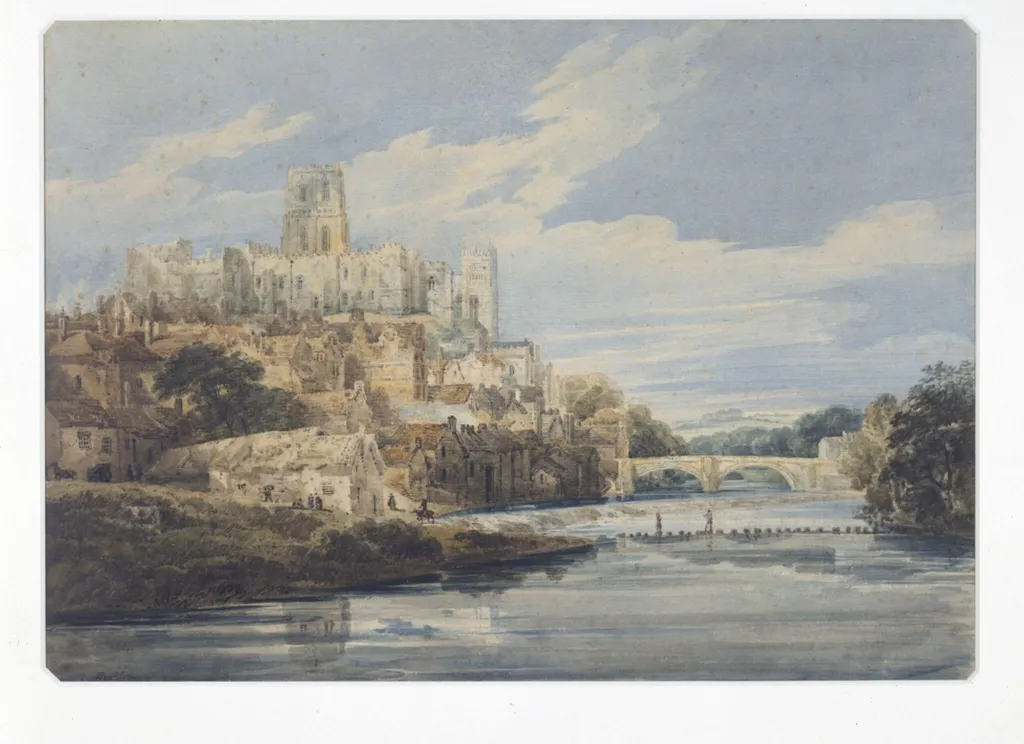
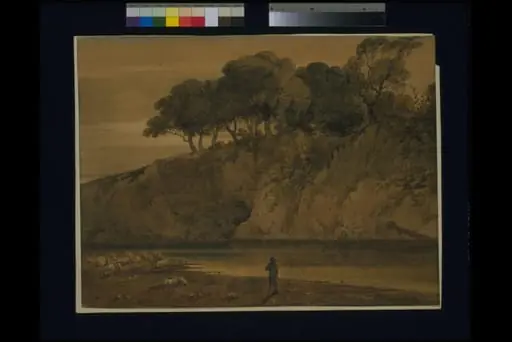
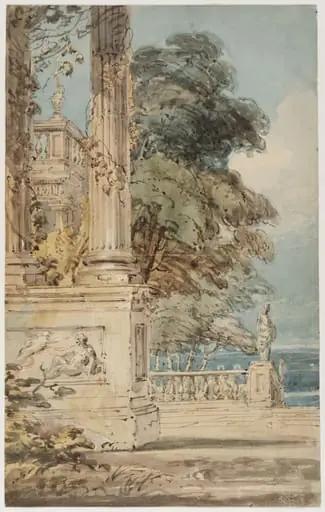
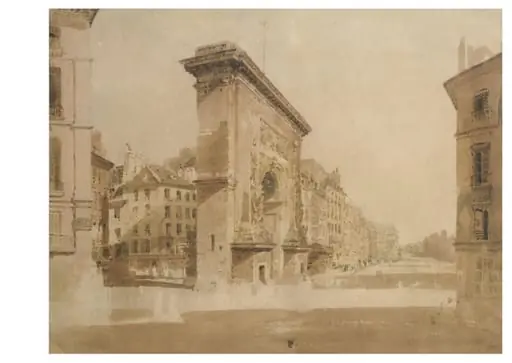
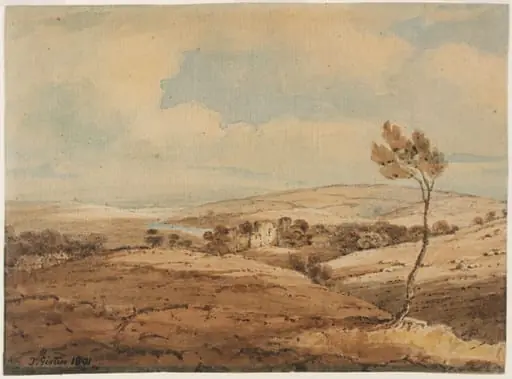
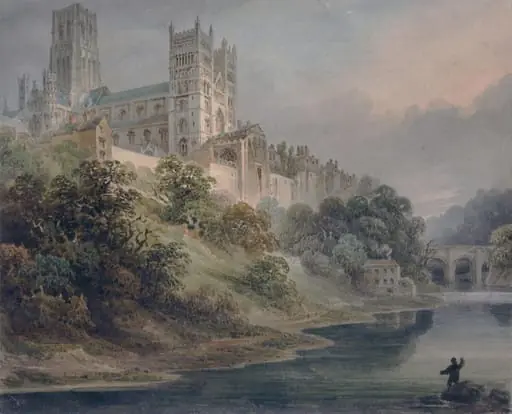
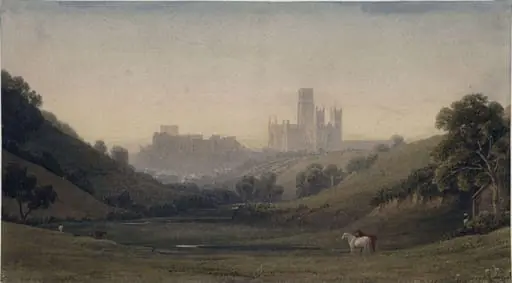
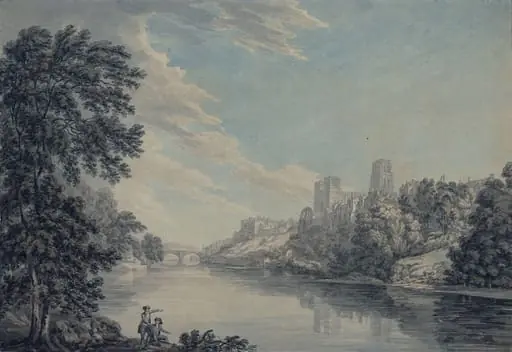
Durham Castle and Cathedral is a watercolor work on paper by the Romanticist artist Girtin. It dates from 1798 and is held in the collection of the Victoria and Albert Museum.
About this work
Overview
Though modest in scale, it reflects his skill in translating architectural grandeur into delicate washes of pigment, emphasizing atmosphere over detail.
Thomas Girtin created this 1798 watercolour as a preparatory study for a larger composition, capturing Durham’s castle and cathedral from a low vantage point along the River Wear. The work is signed and bears the quiet precision characteristic of his early career. Though modest in scale, it reflects his skill in translating architectural grandeur into delicate washes of pigment, emphasizing atmosphere over detail.
Subject & Meaning
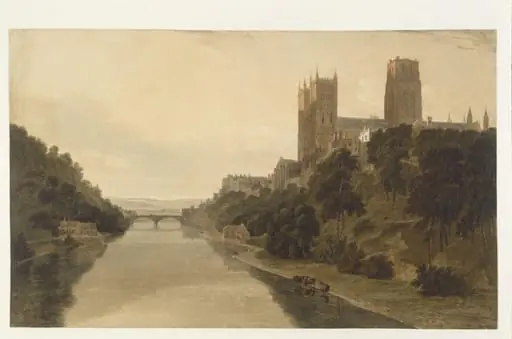
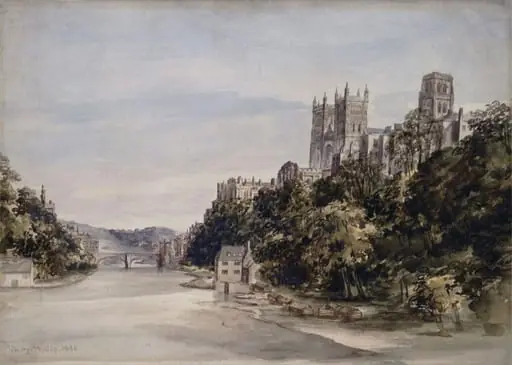
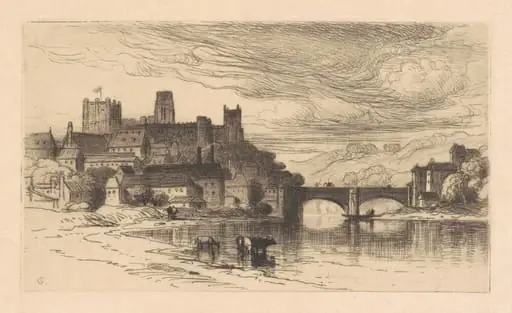
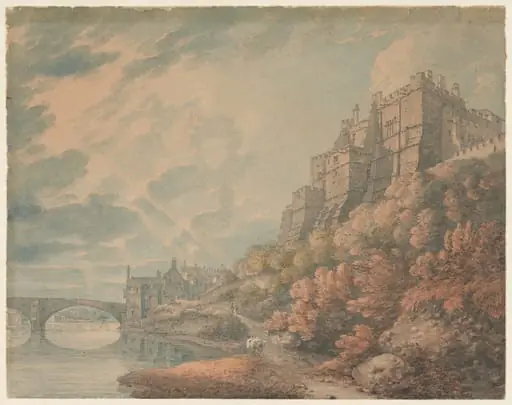
The scene presents Durham’s ecclesiastical and secular power structures—castle and cathedral—rising above the riverbank, framed by trees and a stone bridge. The composition suggests harmony between human construction and natural landscape, without overt symbolism. The stillness of the water and soft light imply a moment of quiet observation, aligning with early Romantic sensibilities that valued contemplative landscapes.
Technique & Style
Girtin employed transparent watercolour washes to model form through subtle gradations of tone rather than line. The pale blue sky and reflective river are rendered with loose, fluid strokes, while the stone structures are suggested through muted ochres and greys. Shadows are minimized, allowing light to define volume, a hallmark of his approach to topographical watercolour that prioritized mood over topographical accuracy.
History & Provenance
This watercolour was likely made during Girtin’s travels in northern England, part of a series documenting historic sites. It was later referenced in Randall Davies’s 1924 catalogue of Girtin’s watercolours, where a related sketch was reproduced. Its survival as a study rather than a finished piece offers insight into his working method and the circulation of such drawings among collectors and publishers of the time.
Context
In the late 18th century, watercolour was gaining legitimacy as a medium for serious landscape study, moving beyond mere sketching. Girtin’s work contributed to this shift, blending topographical precision with poetic light effects. Durham, as a site of religious and political significance, was a frequent subject for artists documenting Britain’s architectural heritage during a period of growing antiquarian interest.
Legacy
Girtin’s approach influenced later watercolourists, including J.M.W. Turner, by demonstrating how light and atmosphere could elevate documentary sketches into evocative compositions. This work remains a quiet example of his ability to convey place through restraint, helping to redefine watercolour’s role in British art beyond illustration toward expressive landscape.
Artist & collection
Artist
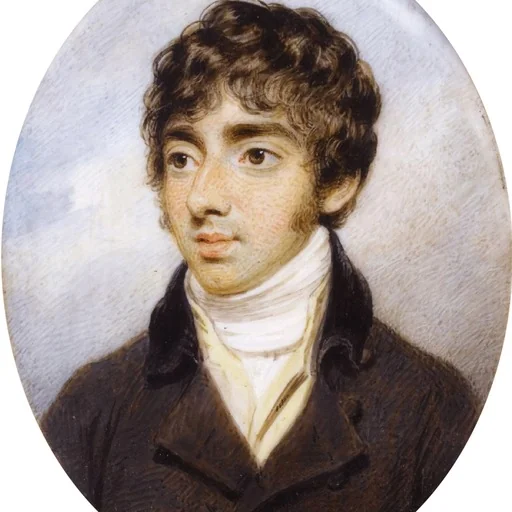
Thomas Girtin (18 February 1775 – 9 November 1802) was an English watercolourist and etcher. A friend and rival of J. M. W. Turner, Girtin played a key role in establishing watercolour as a reputable art form.