Artwork
Portrait of Settimia Jacovacci (?)
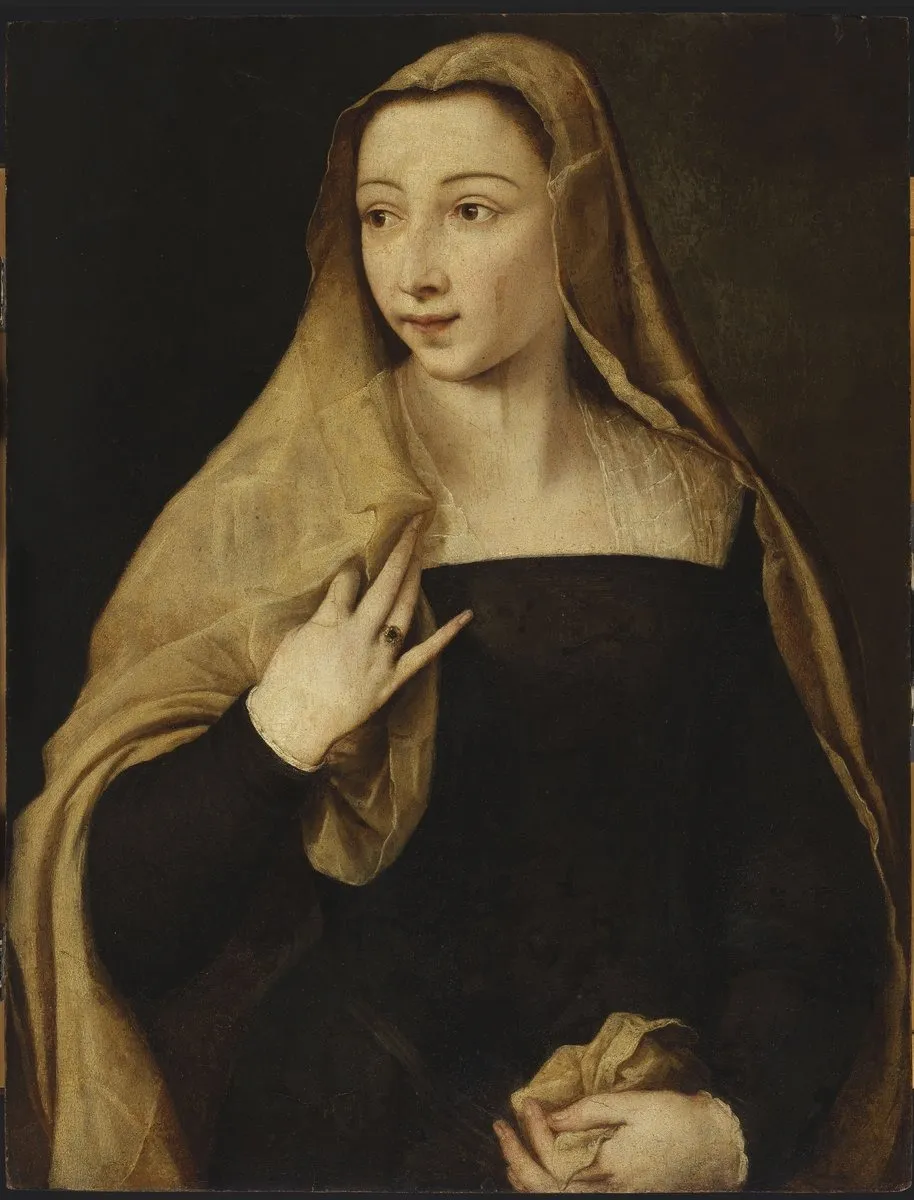
Portrait of Settimia Jacovacci (?) is an oil painting by the Mannerist artist Titian. It dates from 1545 and is held in the collection of the Museum of Fine Arts, Budapest.
About this work
Overview
This oil painting, dated to around 1545, is attributed to Titian, a central figure in Venetian Renaissance art.
This oil painting, dated to around 1545, is attributed to Titian, a central figure in Venetian Renaissance art. Though the sitter’s identity is uncertain, she is sometimes identified as Settimia Jacovacci. The work is part of the Museum of Fine Arts, Budapest’s collection and exemplifies the refined portraiture developed in Venice during the mid-16th century, where color and texture were used to convey presence rather than mere likeness.
Subject & Meaning
The woman is depicted in formal attire: a black gown, a white collar, and a gold headpiece, suggesting high social standing. Her right hand rests gently on her chest, while her left holds a folded fabric, possibly a sign of modesty or ritual. The restrained gesture and direct gaze convey composure and dignity, typical of aristocratic portraiture of the period, where inner character was implied through posture and dress rather than expression.
Technique & Style
Titian employed layered oil glazes to achieve subtle transitions in tone, particularly in the dark, softly graded background that enhances the figure’s three-dimensionality. The texture of fabric, metal, and skin is rendered with precision—gold threads catch light delicately, while the black dress absorbs it, creating contrast. The brushwork is controlled yet fluid, balancing naturalism with the elegance favored in Mannerist portraiture.
History & Provenance
The painting entered the Museum of Fine Arts, Budapest’s collection in the 19th century, though its earlier ownership is undocumented. It was likely commissioned by a Venetian noble family, as such portraits were common among the elite. The attribution to Titian has been consistently supported by stylistic analysis, though the sitter’s name remains speculative, based on limited archival references and later scholarly conjecture.
Context
In mid-16th century Venice, portraiture served both social and political functions, reinforcing status through visual representation. Titian’s workshop dominated this genre, blending realism with symbolic restraint. This portrait aligns with other Venetian works of the time that emphasized material richness and psychological stillness, reflecting a culture where appearance and decorum were deeply intertwined with identity.
Legacy
The painting contributes to the broader understanding of Titian’s evolving portrait style, showing his mastery of tonal harmony and textile detail. While not among his most famous works, it exemplifies the quiet authority of Venetian aristocratic portraiture and continues to inform studies of gender, class, and representation in Renaissance visual culture.
Artist & collection
Artist
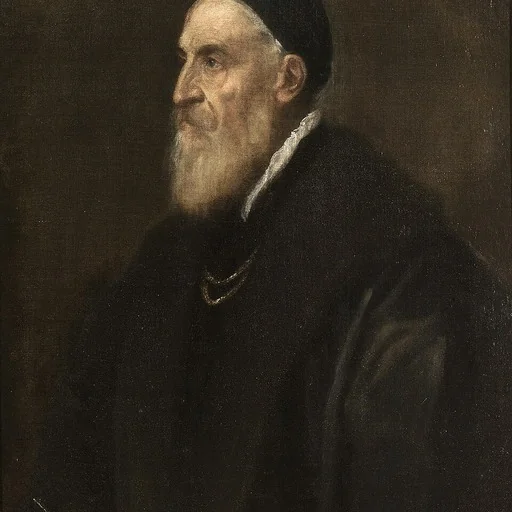
Tiziano Vecellio (Italian: ; c. 1488/1490 – 27 August 1576), Latinized as Titianus, hence known in English as Titian ( TISH-ən), was an Italian Renaissance painter. The most important artist of Renaissance Venetian…


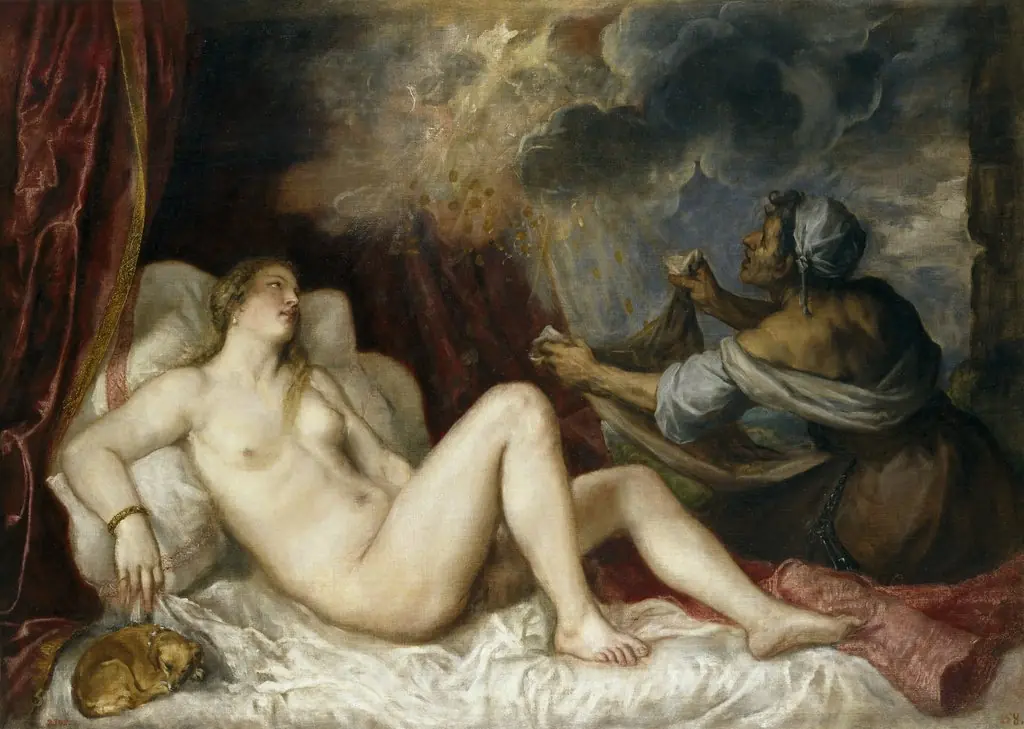
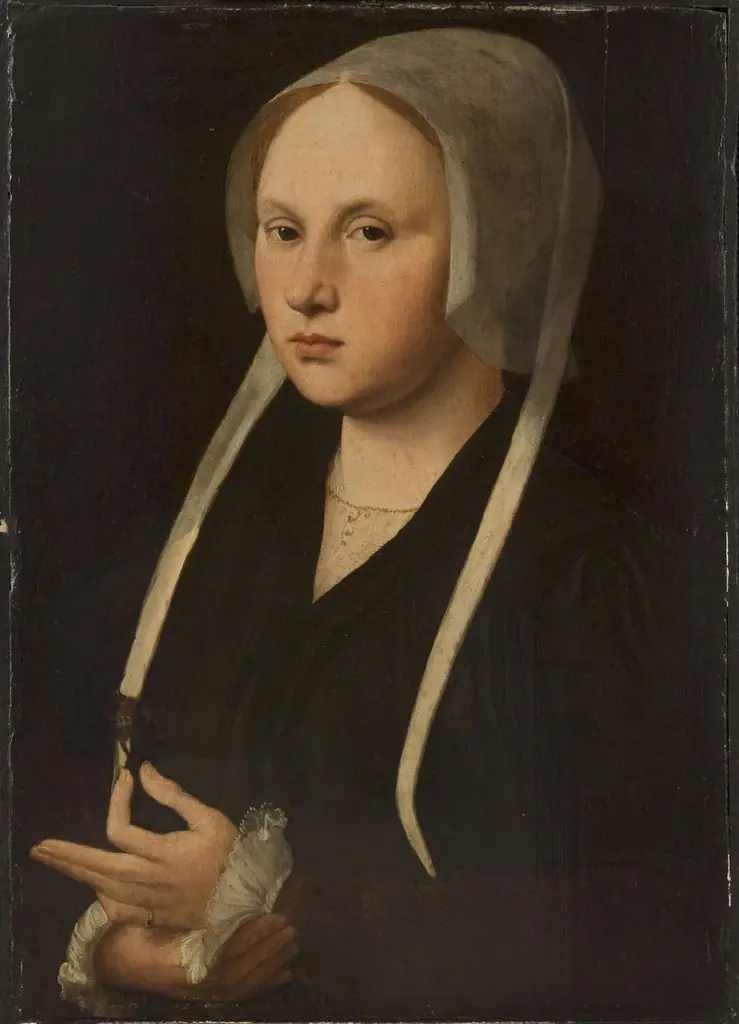 Portrait of a Lady
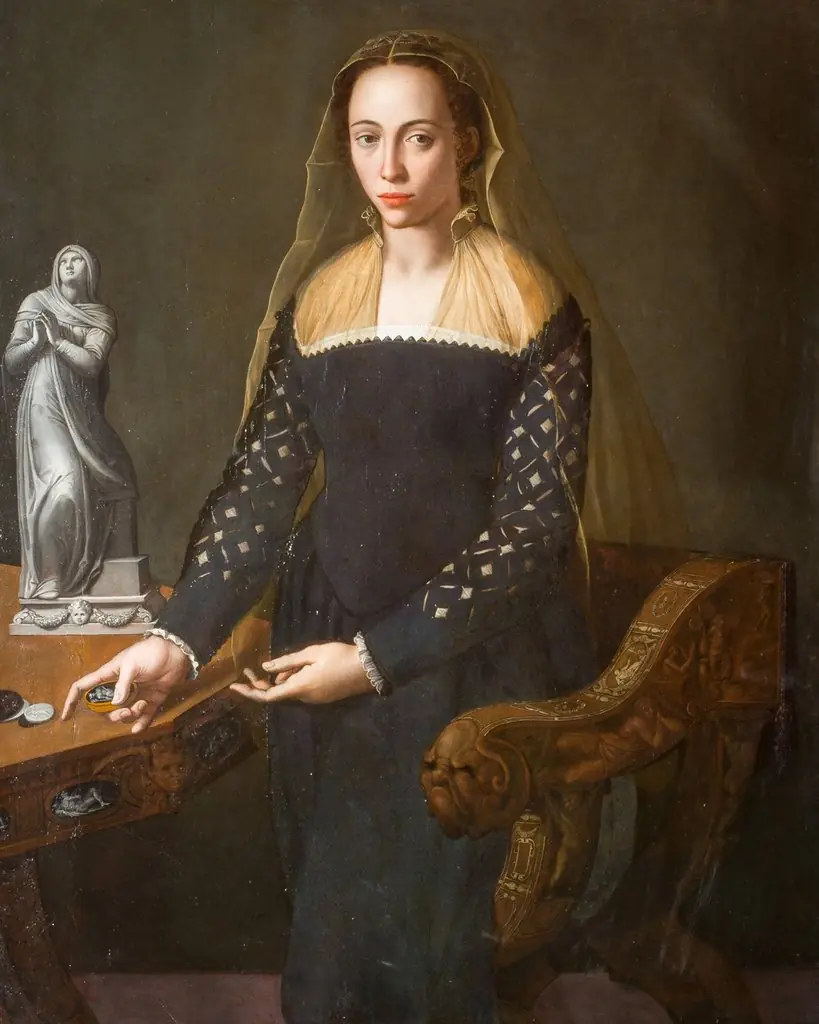 Portrait of Ortensia de Bardi di Montauto, formerly identified as Giulia de' Medici
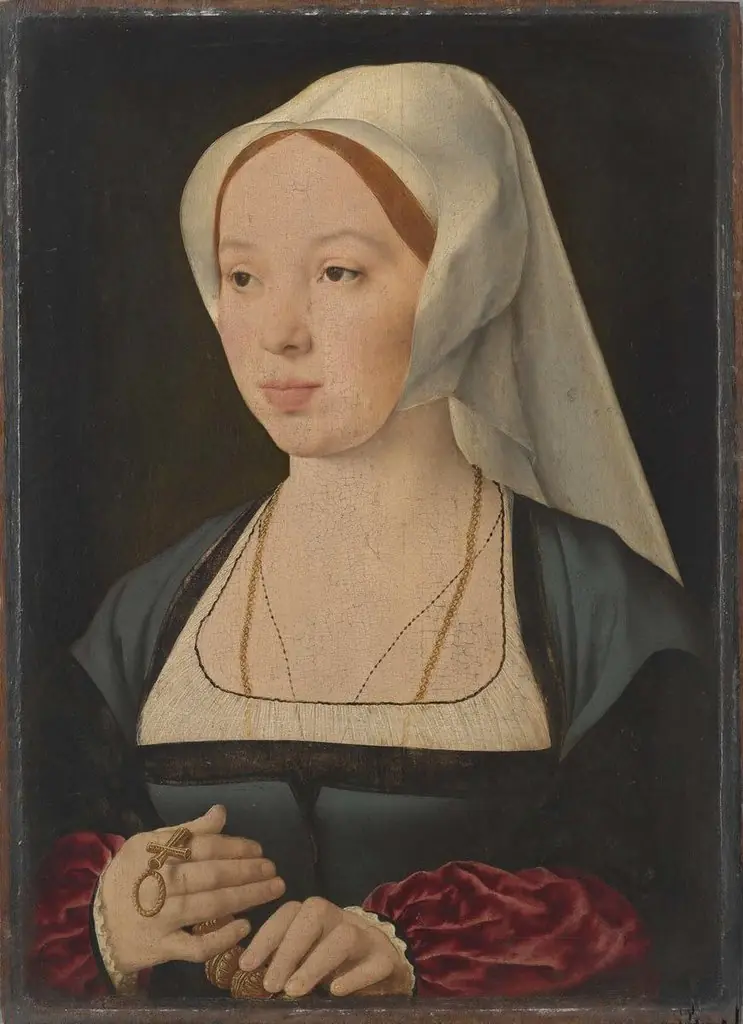 Portrait of a Lady
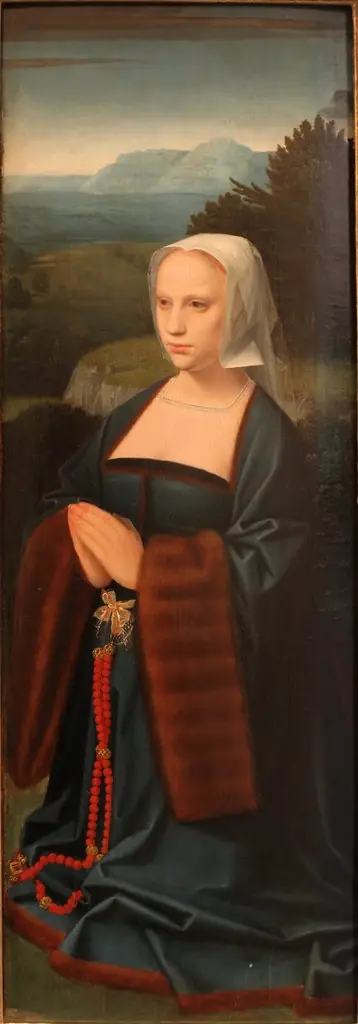 Female donor
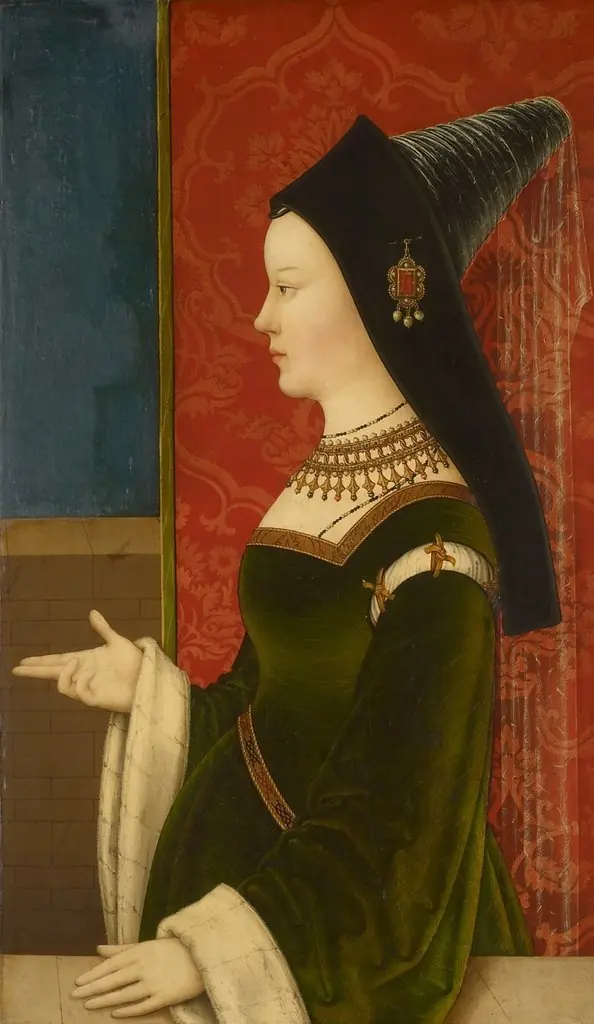 Mary Duchess of Burgundy
 Portret de donatoare
 Portrait of a Lady, called Agatha van Schoonhoven
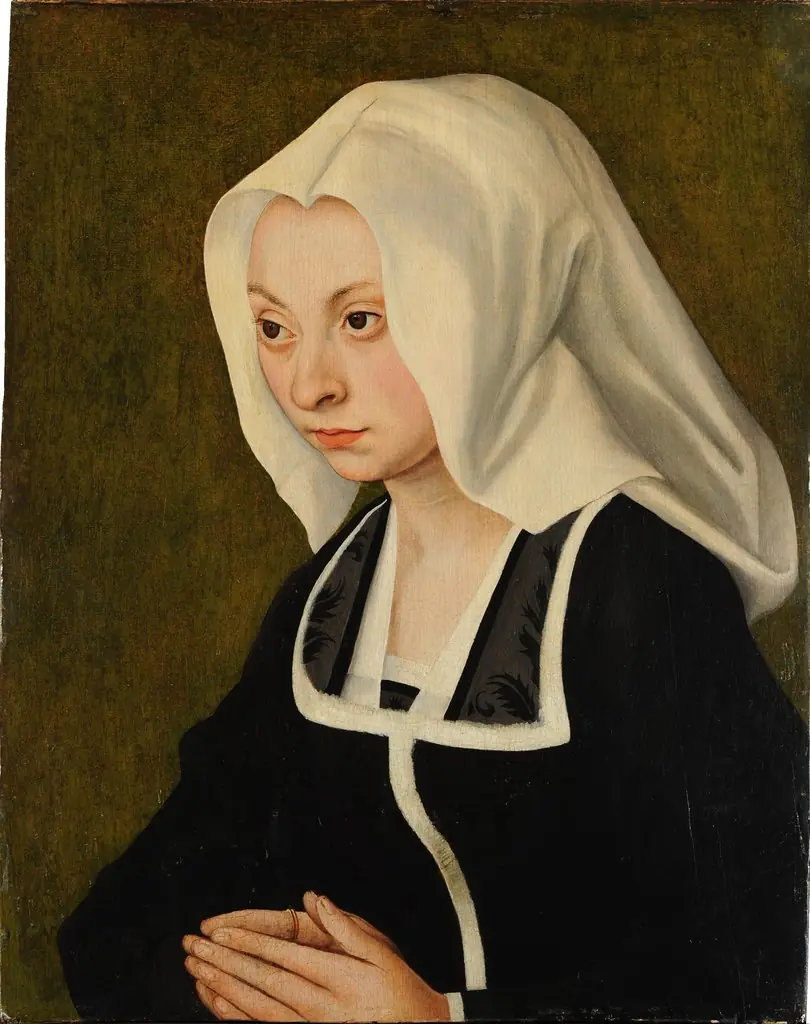 Portrait of a Woman
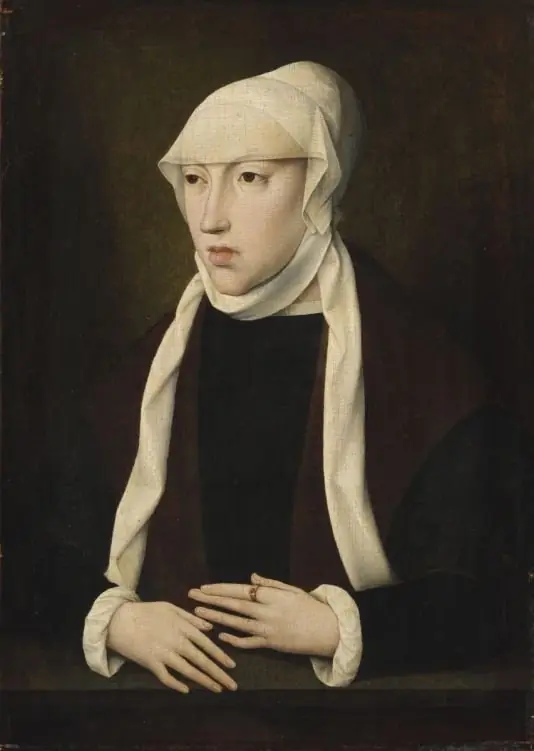 Portrait of Mary of Hungary (Mary of Austria, Queen of Hungary)
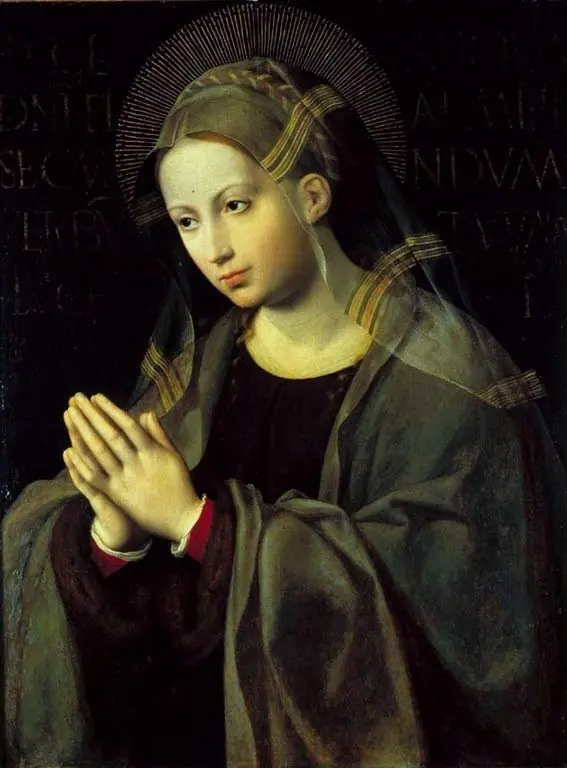 The Virgin Annunciate
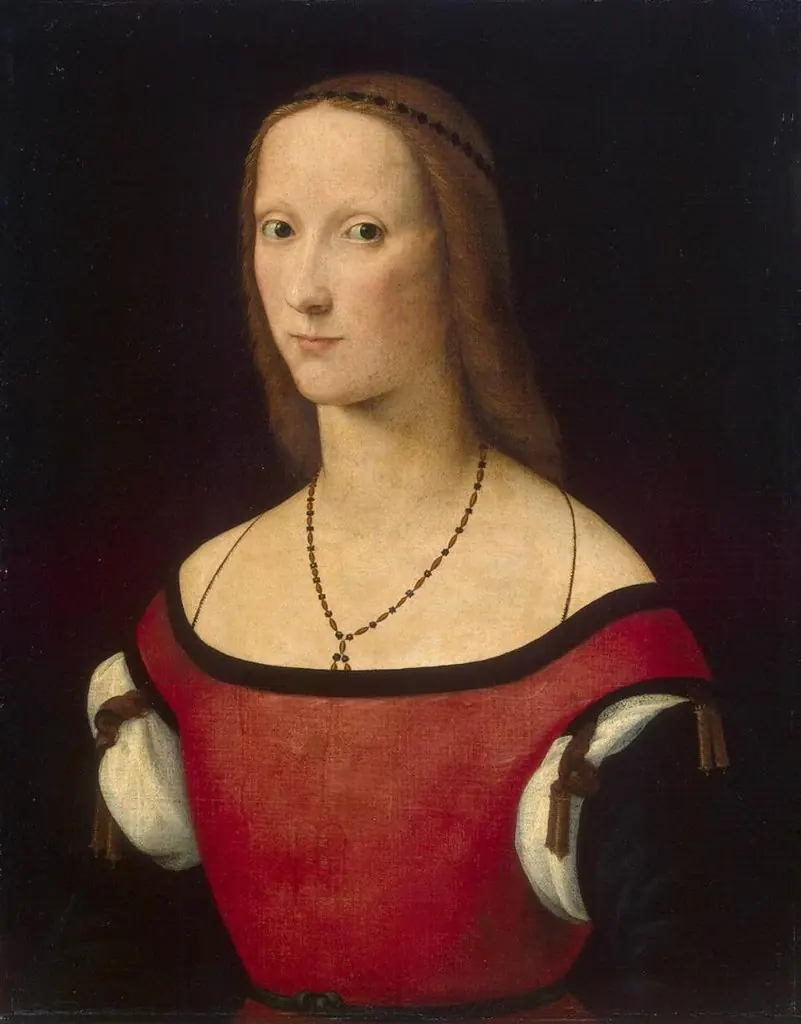 Portrait of a Lady
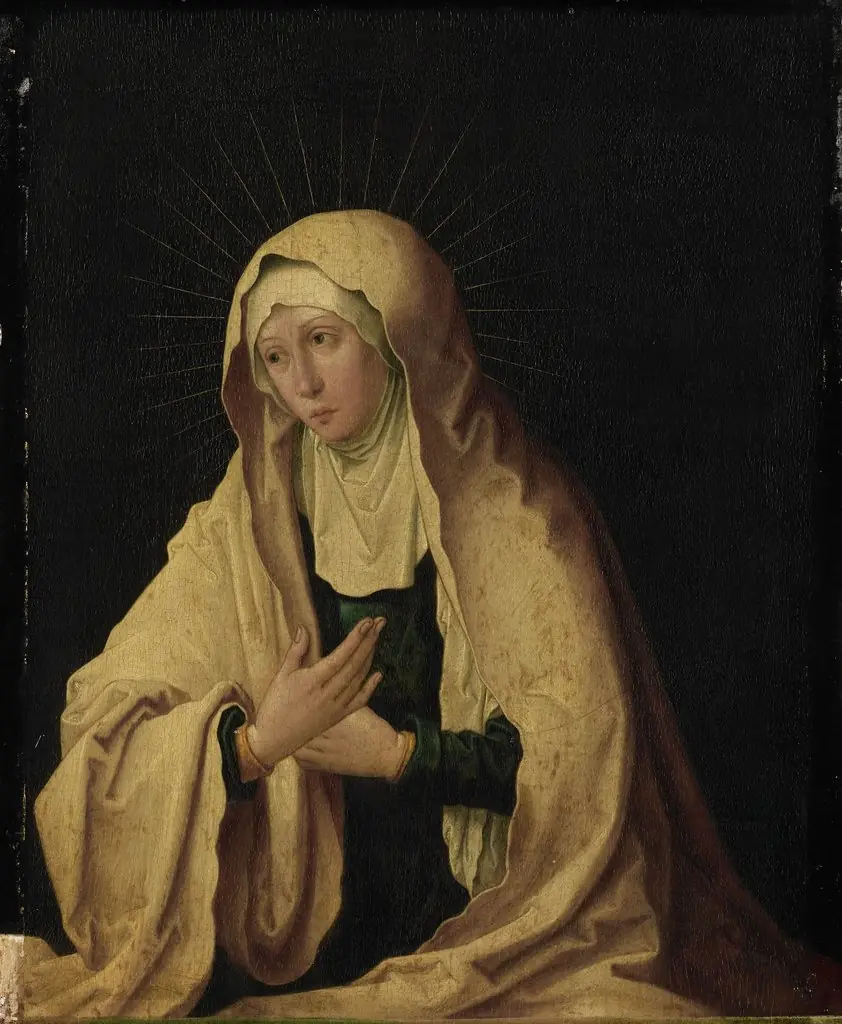 Inner right wing of a diptych with the Virgin as Mater Dolorosa