Artwork
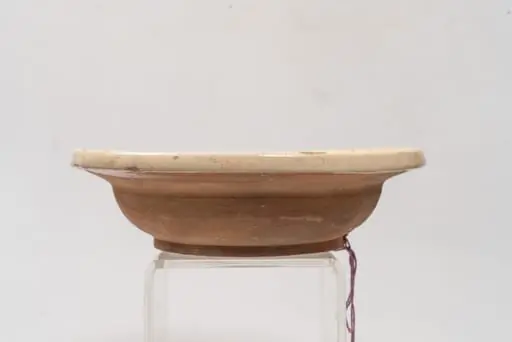
Farfurie de formă tronconică cu baza marcată printr-un inel proeminent perforat pentru atârnare pe perete cu buza lată, mult înclinată în afară și ondulată. Decorată cu un motiv central: floare; brâu alveolat pe buză realizat cu unghia si un alt brâu de puncte realizate cu cornul. Smălțuită la interior și la exterior. Cromatică: fond: bej; motive: maron închis; maron deschis.
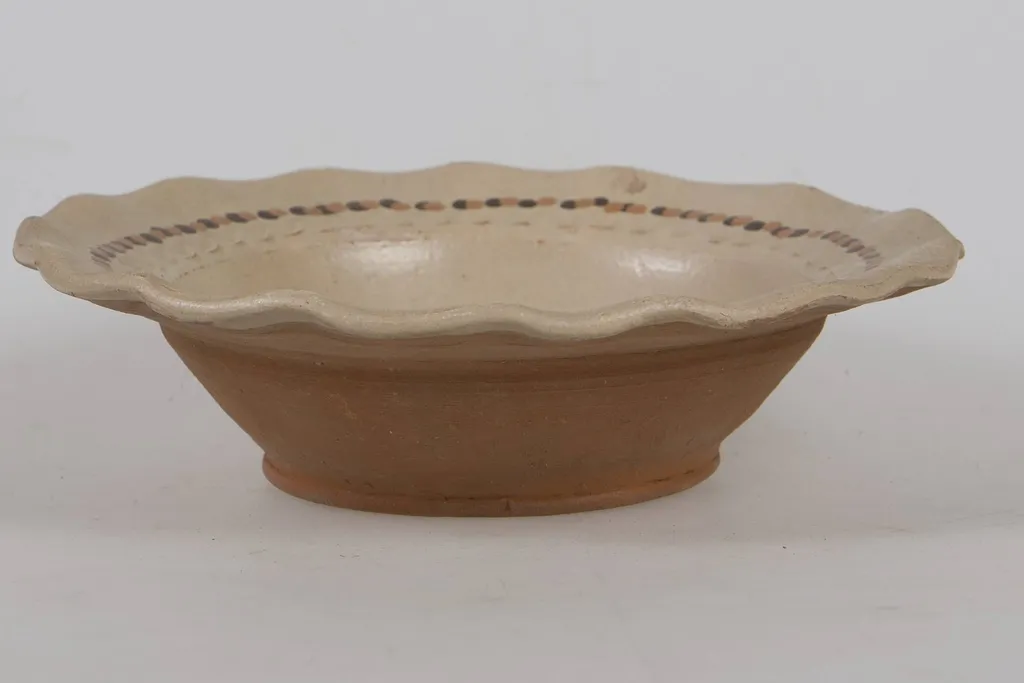
Farfurie de formă tronconică cu baza marcată printr-un inel proeminent perforat pentru atârnare pe perete cu buza lată, mult înclinată în afară și ondulată. Decorată cu un motiv central: floare; brâu alveolat pe buză realizat cu unghia si un alt brâu de puncte realizate cu cornul. Smălțuită la interior și la exterior. Cromatică: fond: bej; motive: maron închis; maron deschis. is a print by Toc Gheorghe. It is held in the collection of the ASTRA National Museum Complex. This conical clay vessel features a wide, outward-flaring, wavy rim with a raised, perforated band designed for wall suspension.
About this work
Overview
This conical clay vessel features a wide, outward-flaring, wavy rim with a raised, perforated band designed for wall suspension.
This conical clay vessel features a wide, outward-flaring, wavy rim with a raised, perforated band designed for wall suspension. Its surface is coated in a smooth, glossy glaze inside and a matte finish outside. The body is formed from hand-modeled earthenware, with decorative elements applied using fingernail and horn tools. The overall form is utilitarian yet refined, reflecting a balance between function and subtle ornamentation.
Subject & Meaning
The central motif is a single, stylized flower, likely symbolic of natural cycles or domestic harmony. Surrounding it, two bands of decoration—dotted and alveolar—frame the composition without narrative complexity. These patterns may denote regional identity or ritual use, though no explicit mythological or ceremonial context is recorded. The simplicity suggests everyday significance rather than ceremonial grandeur.
Technique & Style
The vessel was shaped by hand from coarse clay, then smoothed and glazed both internally and externally. Decoration was executed with rudimentary tools: dots made with a horn tip, and a scalloped band pressed with a fingernail. The color palette is restrained—beige ground with dark and light brown pigments—emphasizing texture over chromatic variation. The matte exterior contrasts with the glossy interior, highlighting functional awareness in surface treatment.
History & Provenance
This object originates from a rural ceramic tradition, likely produced in the 19th or early 20th century in Eastern Europe. Its form and decoration align with regional folkware practices documented in ethnographic collections. The perforated rim suggests it was hung for storage or display, common in domestic settings where wall space was limited. No specific maker or exact provenance is known, but similar pieces appear in museum holdings from Moldova and northern Romania.
Context
Produced in households or small village workshops, such vessels served practical purposes—storing food, liquids, or dry goods—while also expressing aesthetic sensibilities through handcrafted detail. The use of locally sourced clay and natural pigments reflects self-sufficiency. Wall-hanging designs indicate integration into domestic architecture, where utility and visual order coexisted in modest living spaces.
Legacy
Though not signed or attributed to a known artisan, this object exemplifies the quiet craftsmanship of vernacular pottery traditions. It entered institutional collections as part of broader efforts to preserve everyday material culture. Today, it stands as a testament to the aesthetic value embedded in utilitarian objects, influencing modern interpretations of folk art and handmade ceramics in museum and academic discourse.
Artist & collection
Artist
Gheorghe Toc made earthenware jugs, bowls, and pitchers with geometric or floral patterns and rich colors like brick red, cream, and green.

 Castron mic de formă tronconică, cu baza marcată printr-un inel proeminent. Buză cu contur rotund în exterior și ascuțit în interior. Decorul floral ce constă dintr-o floare pictată cu cornul în interior, pe fundul vasului. Cromatică: fond: alb-crem; motive: galben; negru; verde.
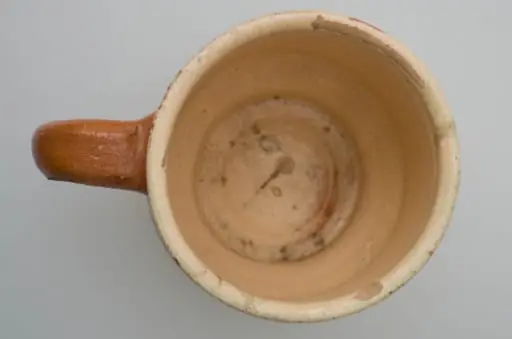 Cană de formă ușor tronconică cu inel răsfrânt în exterior. Prezintă toartă ce pleacă de sub buză și se unește cu corpul spre bază. Smălțuită în interior și exterior. Decor: floare cu patru petale realizată cu cornul din hume naturale; brâu de dungi scurte. Cromatică: fond maro; motive: alb; negru; verde.
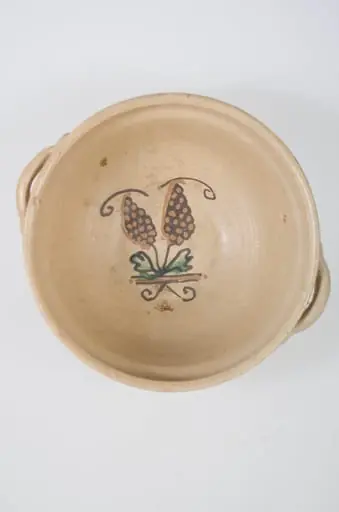 Farfurie de formă tronconică cu buza răsfrântă. Vasul este smălțuit atât la interior cât și la exterior. Decorul este amplasat pe fundul vasului motive florale (buchet) și motive fitomorfe (vrej). Cromatică; fond: alb-crem; motive: galben; negru; verde.
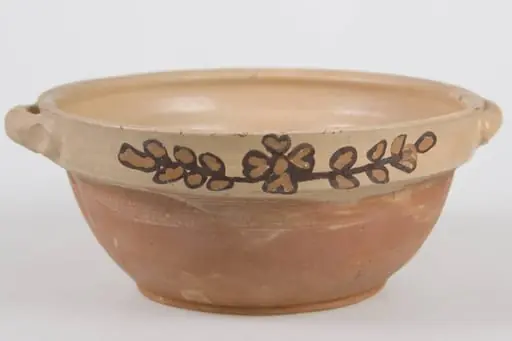 Vas tronconic cu buza răsfrântă. Prezintă două toarte mici fixate diametral opus la nivelul buzei. Decorul este poziționat într-un registru central format din motive florale (buchet) și motive fitomorfe (vrej). Cromatică: fond: crem; motive: maron deschis; maron închis; verde.
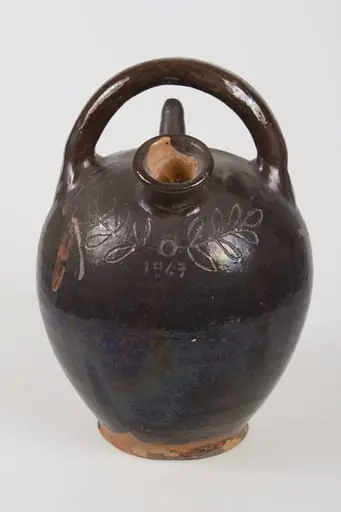 Recipient din lut de formă sferică, prevăzut cu două orificii la partea superioară și toartă. Sub gură, frontal, sunt incizate motive vegetale - o creangă cu frunze și anul ”1967''. La capătul opus, țuțul subțire este încadrat de două flori incizate cu tulpini și frunze. Cromatică: brun închis.
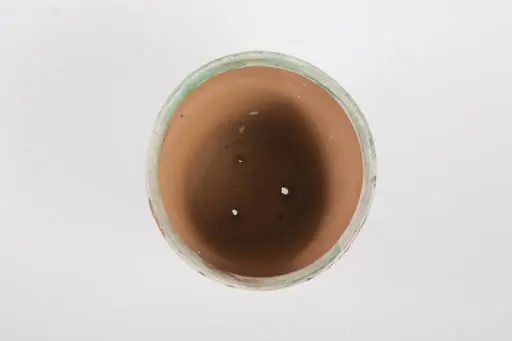 Vas de mici dimensiuni de formă tronconică cu baza mai mică; manșon sub gură lat de 4 cm, decorat cu motive geometrice: șir de romburi înscrise realizate cu cornul. Fund perforat pentru scurgerea apei. Cromatică: fond: cărămiziu; motive: galben; negru.
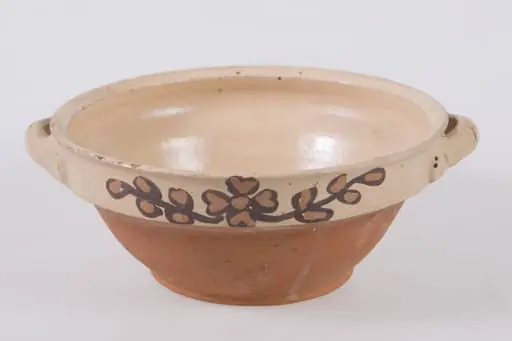
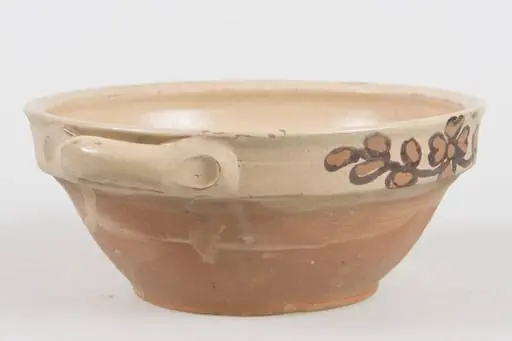 Vas de formă tronconică, cu baza marcată printr-un inel proeminent, buza ușor răsfrântă continuată cu o bandă lată, de care sunt fixate două torți dispuse orizontal ce au la capete impresiuni alveolate, rămase de la lipirea lor prin apăsare cu degetul. Cromatică: fond: crem; motive: verde; maron deschis; maron închis.
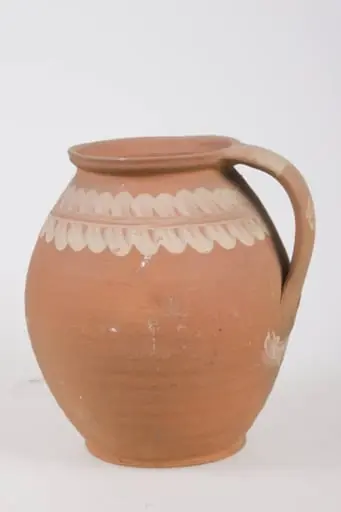 Oală ce are corpul bombat simetric cu diametrul maxim la mijlocul vasului, gâtul scurt și gura dreaptă. Buza este răsfrântă în exterior și toartă între buză și mijlocul vasului. Decor pe umăr cu linie ondulată realizată cu degetul și două linii paralele realizate cu fichieșul; dungi paralele pe toartă.
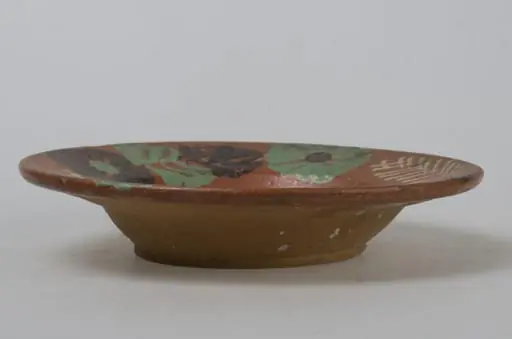 Vas de formă tronconică cu buza largă și evazată. Decorul este amplasat pe toată suprafața interioară a farfuriei. Acesta este compus din motive florale. Blidul este smălțuit la interior și pe zona exterioară a buzei. Cromatică: fond: maron; motive: alb, verde, maron închis.
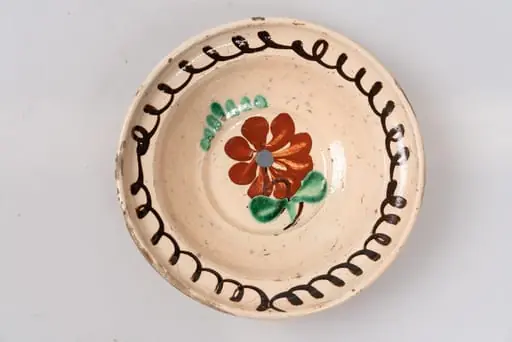 Farfurie adâncă, cu fund îngust, buza evazată cu muchia verticală; este angobată pe fața interioară cu un strat de humă albă și decorată prin pictare cu pensula și cu cornul cu motive florale, fitomorfe și geometrice: central pe fundul farfuriei este reprezentată o floare cu petale de culoare maro, cu mijlocul marcat printr-un punct gri și două frunze verzi. În partea superioară a florii, șapte linii verzi, scurte, completează decorul. Buza este ornamentată cu o linie buclată continuă, de culoare maro-închis. Cromatica: alb, verde, maro, maro-închis, gri. Suprafața ornamentată a farfuriei este acoperită cu un strat de smalț transparent.
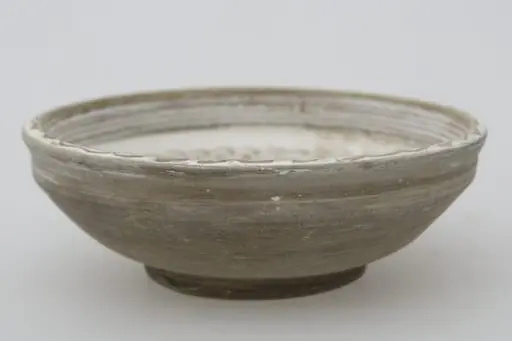 Vas din lut de uz casnic, nesmălțuit, nears, angobat, de formă tronconică, cu buza dreaptă și înaltă. Pe pereții interiori, vasul este decorat prin jirăvire cu gaița (motive florale stilizate și geometrice), continuând spre buză, cu linii ondulate și concentrice, pictate cu cornul. În centru, farfuria nu este ornată. Cromatică: fond: alb; motive: gri; negru; maro.
 Farfurie adâncă cu muchia buzei ridicată. Piesa este acoperită pe suprafața interioară și pe exteriorul muchiei buzei cu un strat de angobă albă, peste care este pictat cu pensula decorul format din motive florale și geometrice: fundul farfuriei conține o floare cu petale de culoare maro-roșcat și frunze verzi-deschis. Buza farfuriei este decorată cu un șir continuu format din puncte groase de culoare maro-închis. Suprafața ornamentată a farfuriei este acoperită cu un strat de smalț transparent. Cromatica: alb, verde-deschis, maro-roșcat, maro-închis.