Artwork
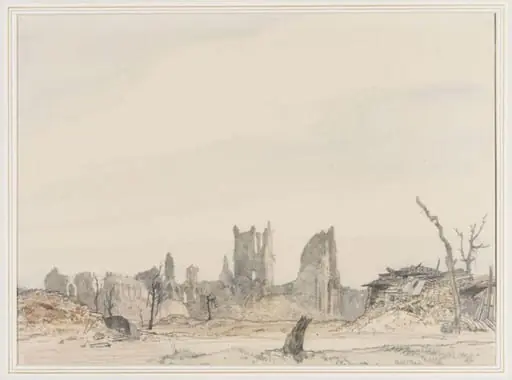
View of Ypres after bombardment
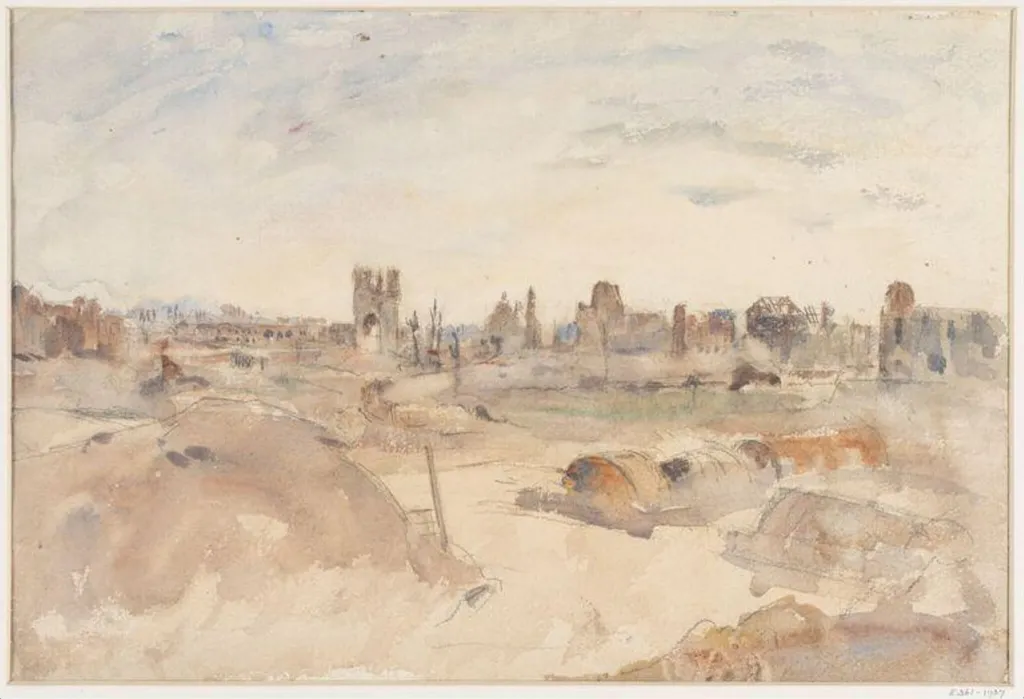
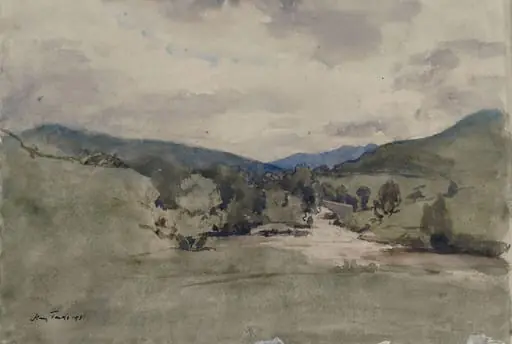
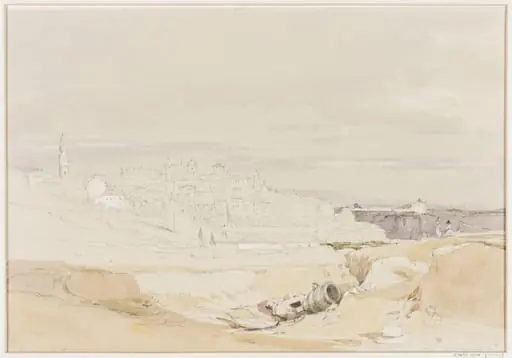
View of Ypres after bombardment is a watercolor work on paper by Henry Tonks. It dates from 1915 and is held in the collection of the Victoria and Albert Museum.
About this work
Overview
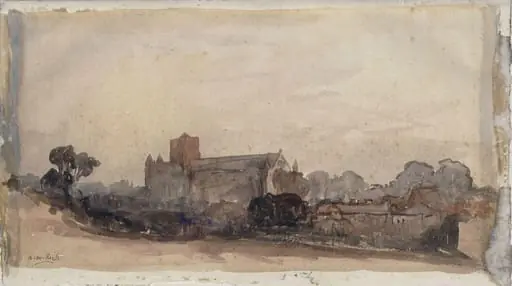
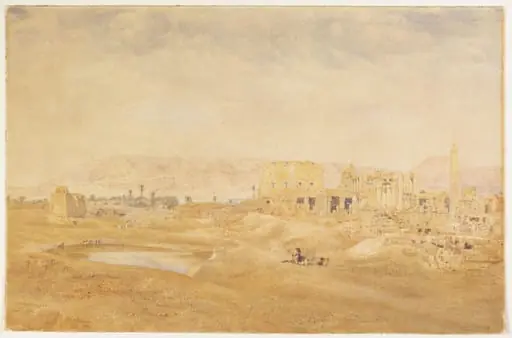
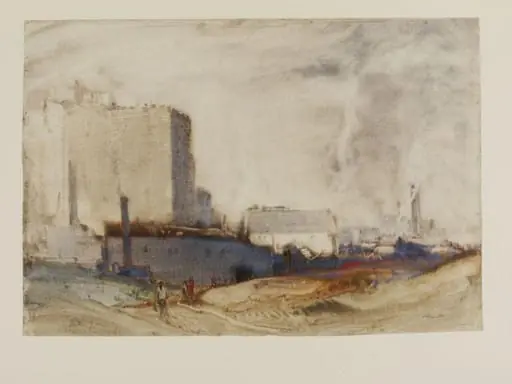
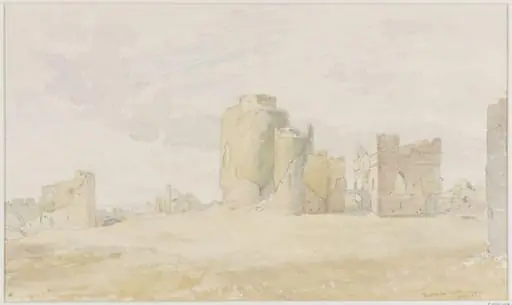
Henry Tonks’s watercolour portrays the town of Ypres after it had been subjected to heavy artillery fire. The composition presents a bleak, open terrain where the remnants of structures loom in the distance, while the foreground is strewn with rocks and a rudimentary shelter.
Subject & Meaning
The work captures the aftermath of bombardment, emphasizing the physical ruin and the desolation that war imposes on civilian spaces. By focusing on the barren ground and broken architecture, Tonks conveys the stark reality of destruction without resorting to overt narrative.
Technique & Style
Executed in muted tones, the watercolour relies on a limited palette to reinforce a somber atmosphere. Tonks applies loose, rapid brushstrokes that convey a sense of immediacy, suggesting that the scene was recorded quickly, perhaps on site, to document the chaos of the landscape.
History & Provenance
Created by Tonks, a British artist known for his medical illustrations and war art, the piece belongs to the body of visual records produced during World War I. Its provenance traces back to the artist’s own collection before entering public holdings, where it serves as a historical document of Ypres’s wartime condition.
Context
The painting aligns with a broader tradition of early‑twentieth‑century artists who rendered war‑torn environments, reflecting contemporary efforts to bear witness to the devastation of the Western Front. It stands alongside works by contemporaries who similarly used watercolour to capture the immediacy of battlefield landscapes.
Artist & collection
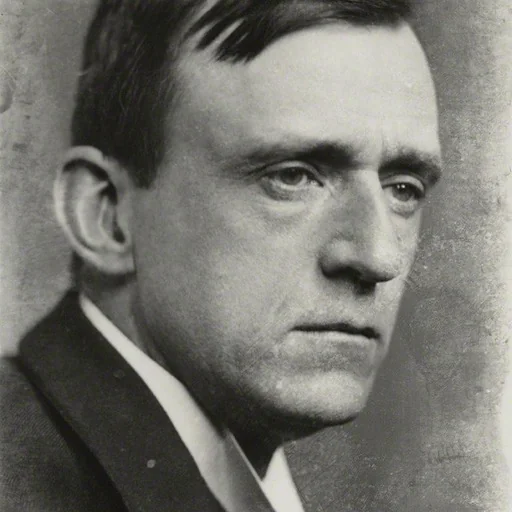
Artist
Henry Tonks, FRCS (9 April 1862 – 8 January 1937) was a British surgeon and later draughtsman and painter of figure subjects, chiefly interiors, and a caricaturist.