Artwork
Soldier's Family Encamped
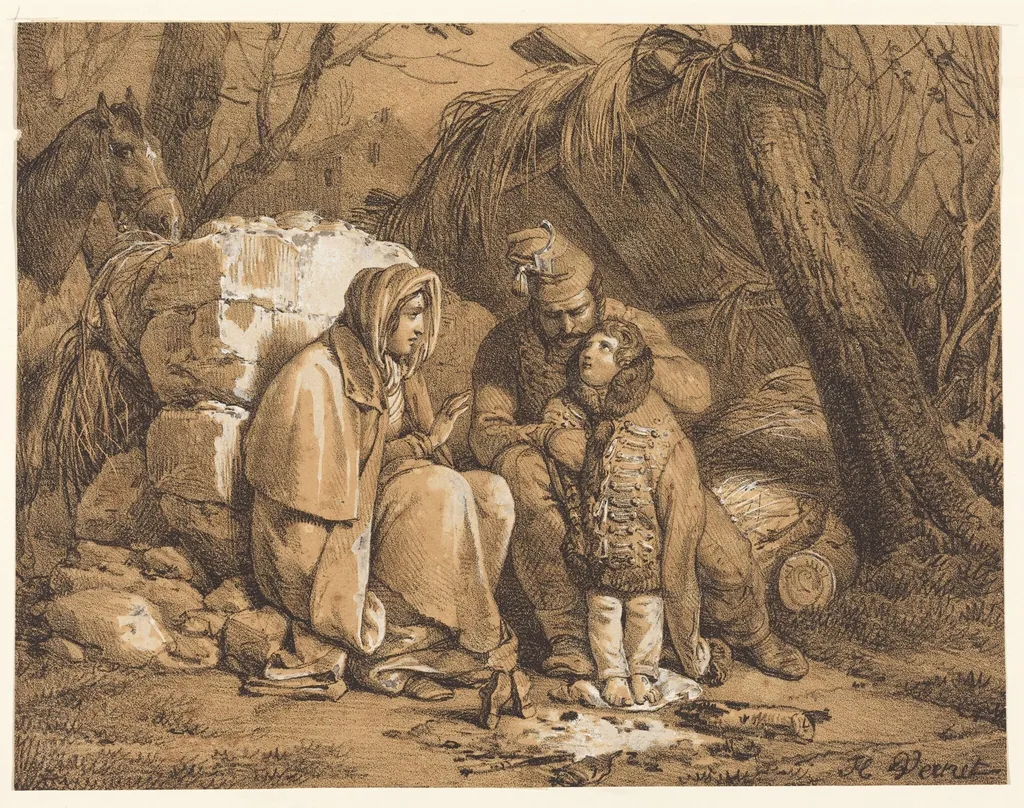
Soldier's Family Encamped is a gouache print by the Romanticist artist Horace Vernet. It dates from 1818 and is held in the collection of the National Gallery of Art.
About this work
Overview
Soldier's Family Encamped is a lithograph on brown wove paper, heightened with white gouache, created by French artist Horace Vernet around 1818. The work captures a serene scene of a military family in a temporary woodland camp.
Subject & Meaning
The composition focuses on a soldier, his wife, and child in simple attire, engaged in a quiet moment together. The setting and poses convey a sense of everyday intimacy and tranquility, despite the family's military context.
Technique & Style
Vernet employed muted tones on warm brown paper, with strategic white gouache highlights to achieve depth and texture. The overall effect aligns with Romanticism's emphasis on emotion and individual, everyday life moments.
History & Provenance
Created circa 1818 by Horace Vernet, known for his diverse works including battle scenes and portraits. Specific provenance details are not provided.
Context
Part of the broader Romantic movement, this piece reflects the era's focus on emotional, personal scenes. Vernet's choice of a military family in a peaceful setting offers a unique blend of themes.
Legacy
Soldier's Family Encamped stands as a characteristic example of early 19th-century Romantic printmaking, highlighting Vernet's ability to evoke intimacy and emotion in his subjects.
Artist & collection
Artist
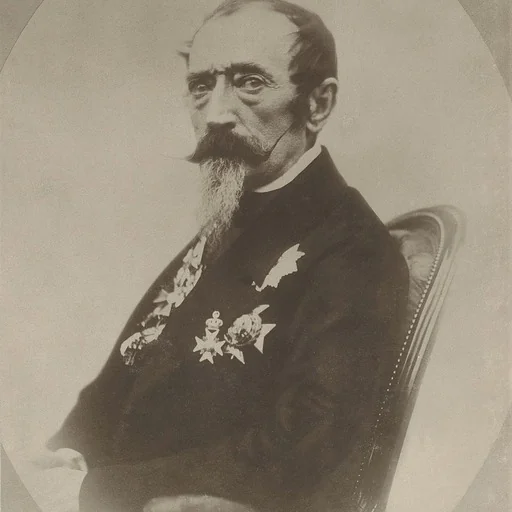
Émile Jean-Horace Vernet (French pronunciation: ; 30 June 1789 – 17 January 1863), better known as Horace Vernet, was a French painter of battles, portraits, and Orientalist subjects.

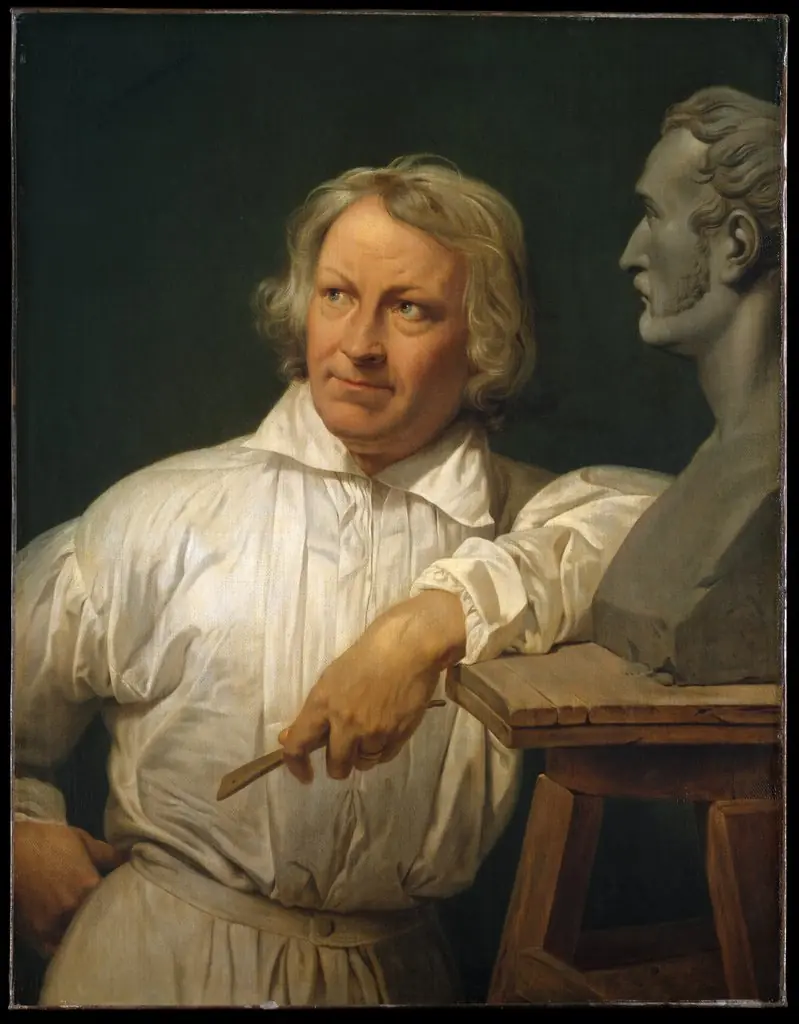 Bertel Thorvaldsen (1768–1844) with the Bust of Horace Vernet
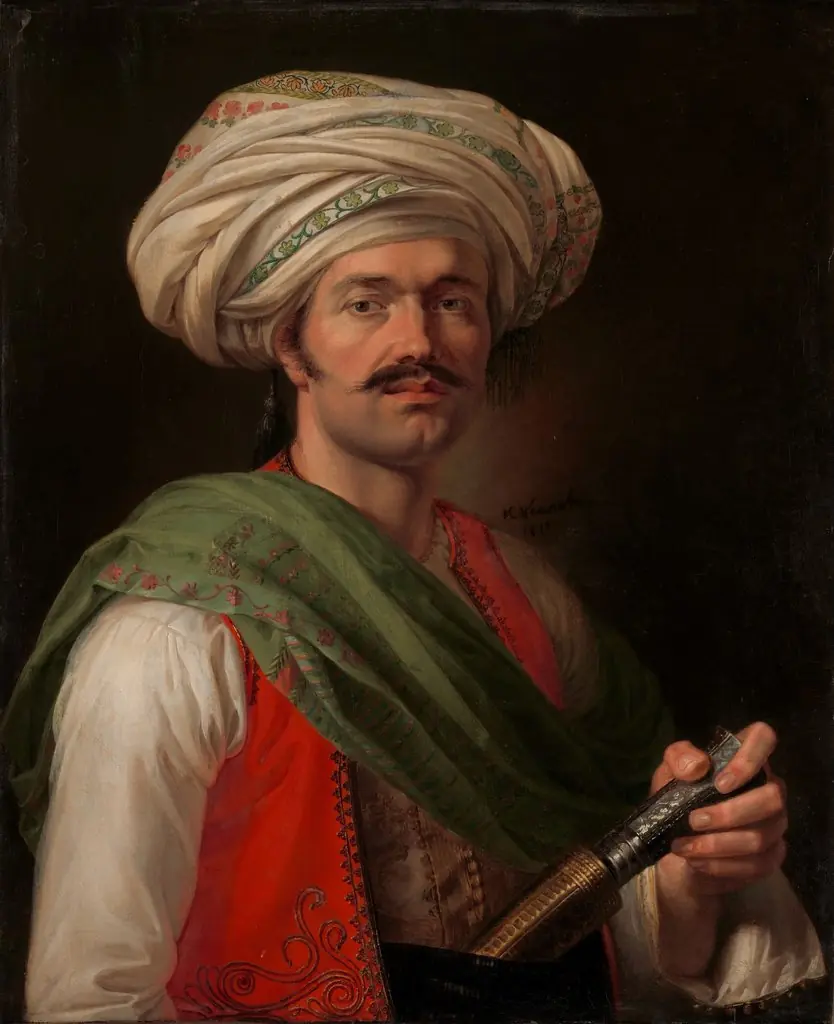 Portrait of a Mameluke, said to be Roustam Raza
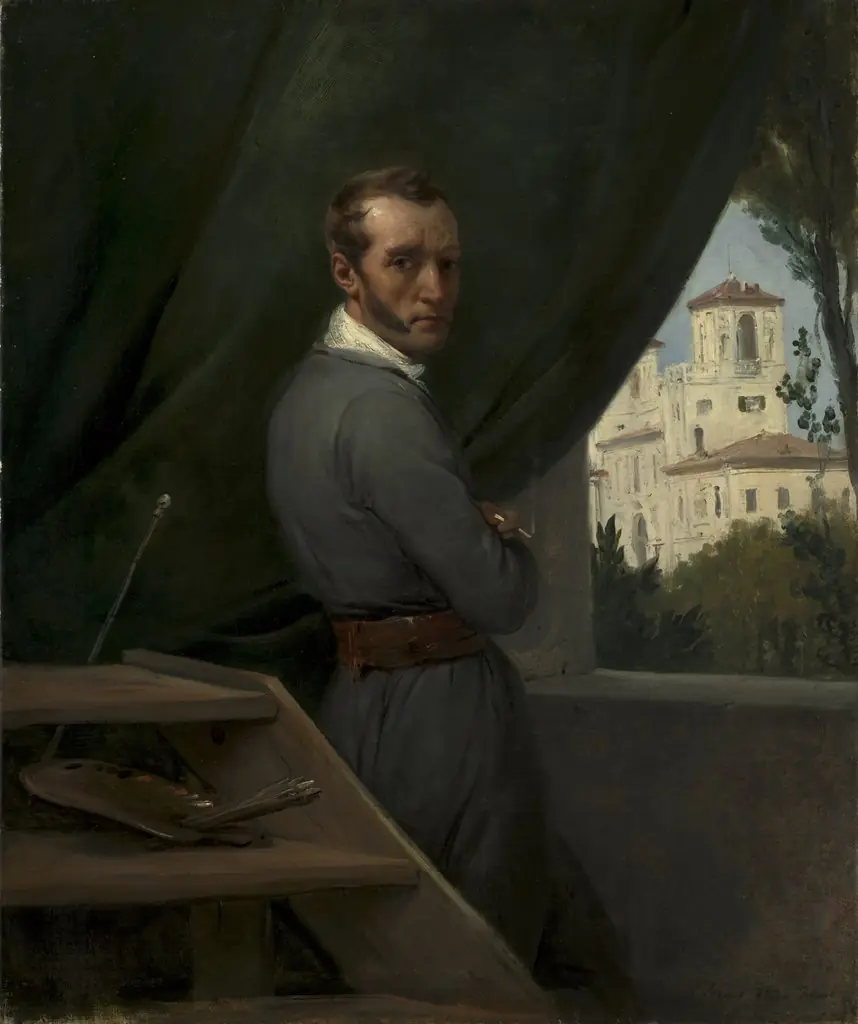 Self-Portrait in Rome
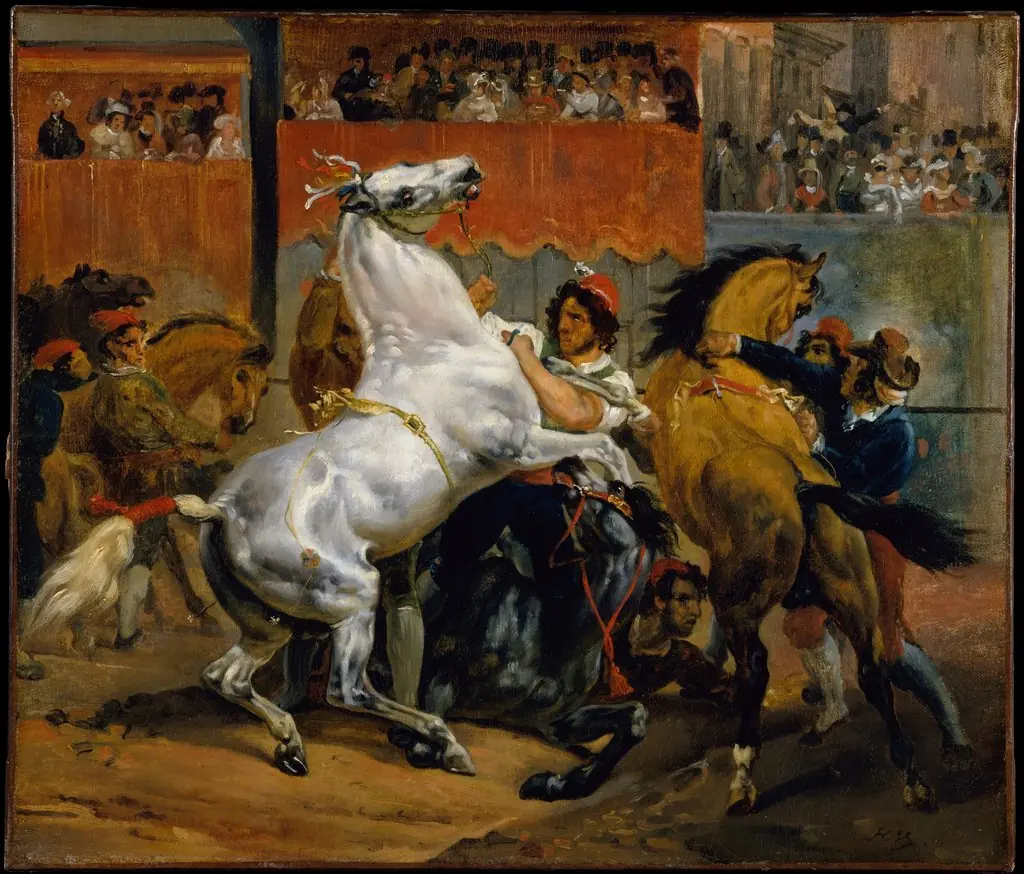 The Start of the Race of the Riderless Horses
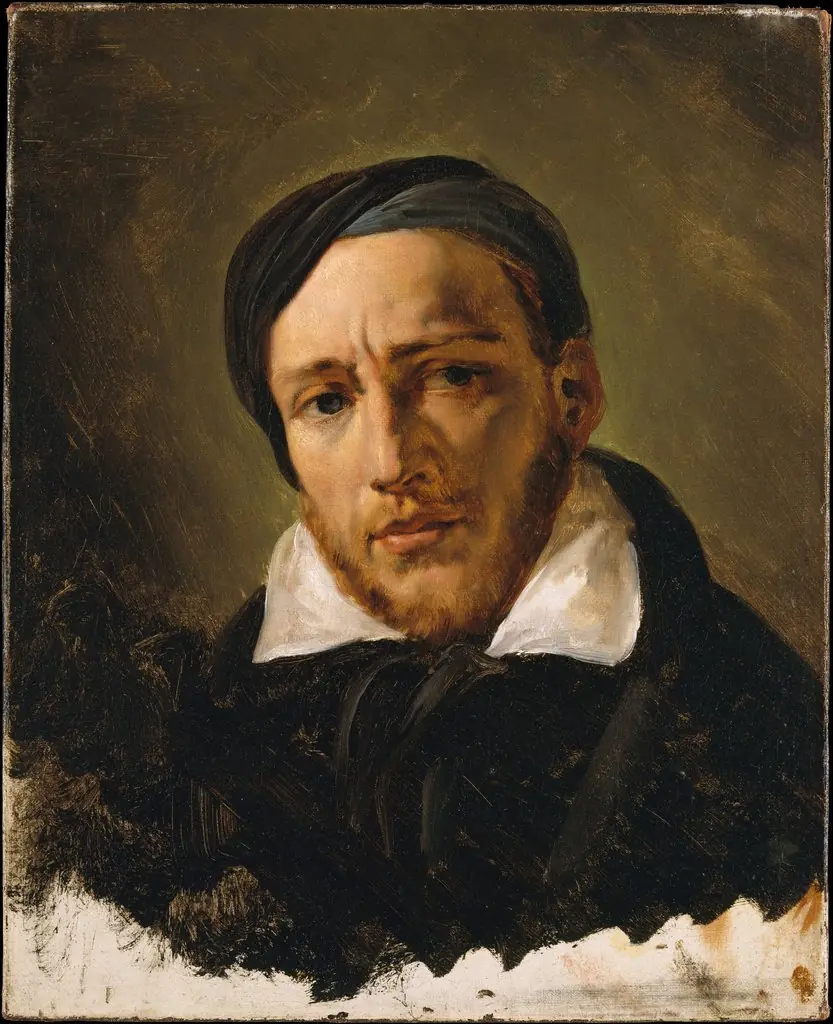 Jean-Louis-André-Théodore Gericault (1791–1824)
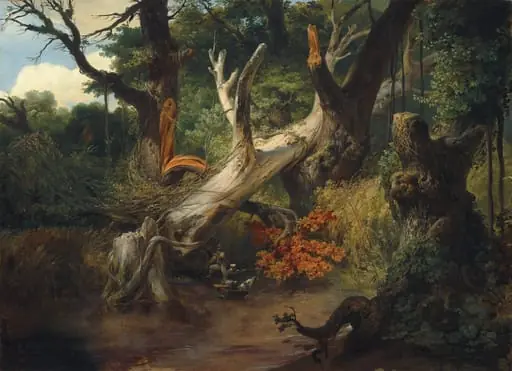 Hunting in the Pontine Marshes
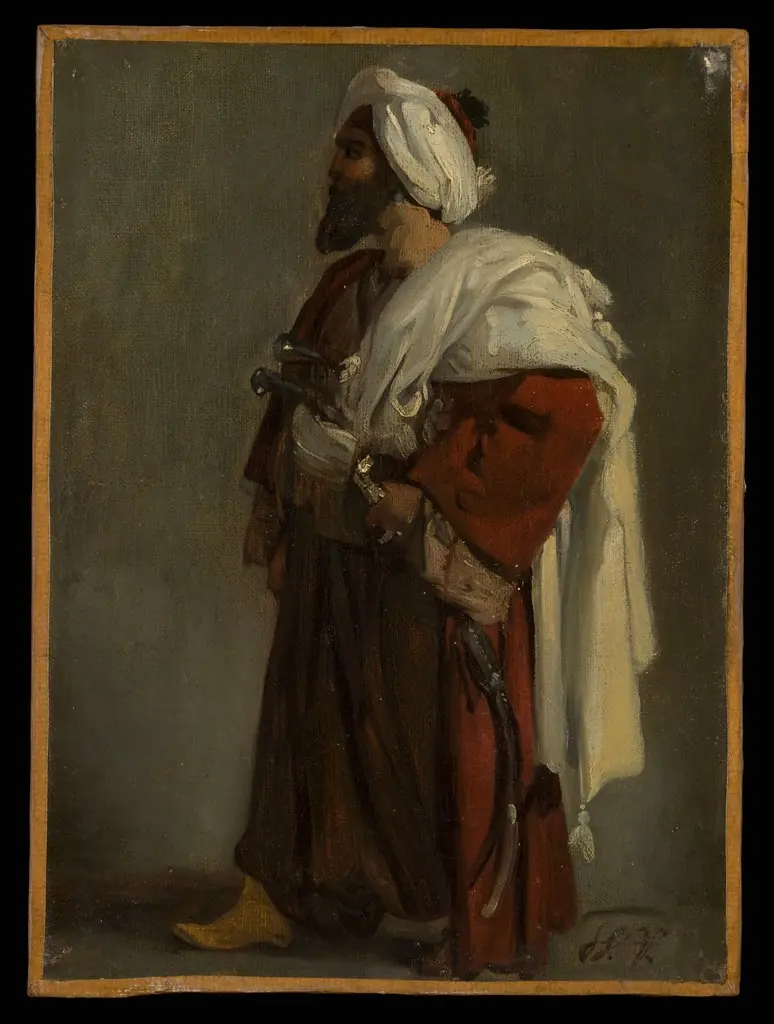 Arab Warrior
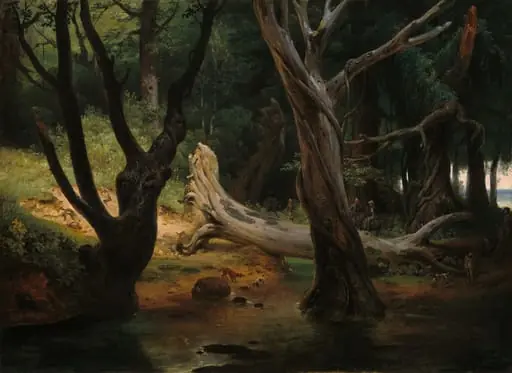 Departure for the Hunt in the Pontine Marshes
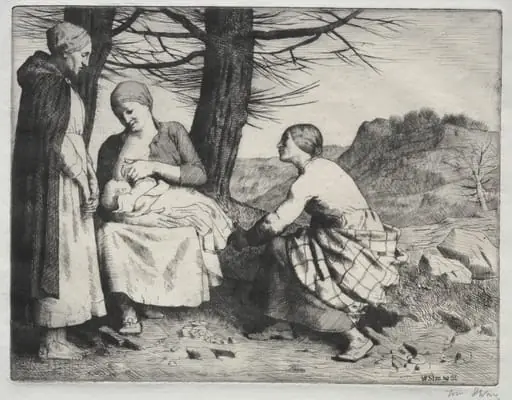 Woman and Child
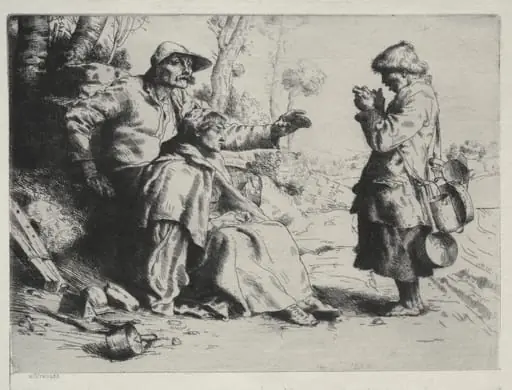 Tinkers
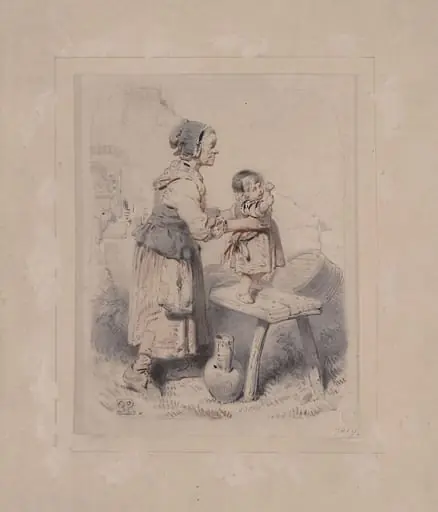 Old Woman and Child
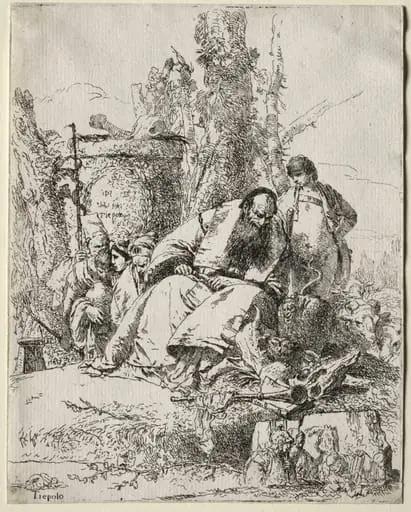 Scherzi di Fantasia: seated Magician, boy and four figures
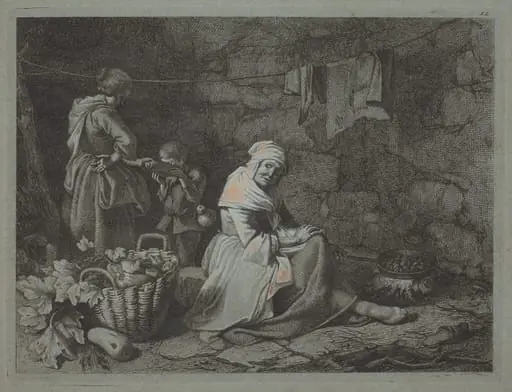 Interior of a House
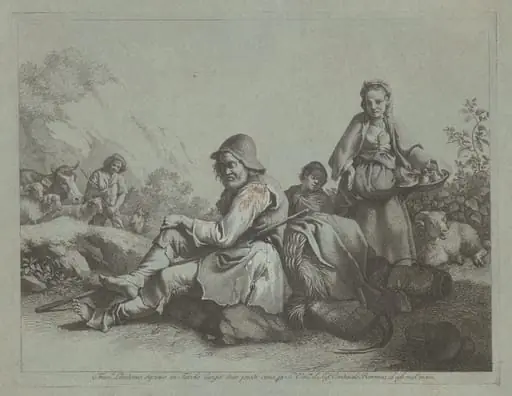 Seated Shepherd and a Peasant Woman with a Basket
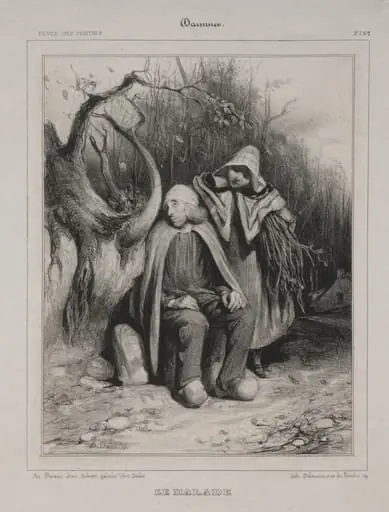 The Invalid
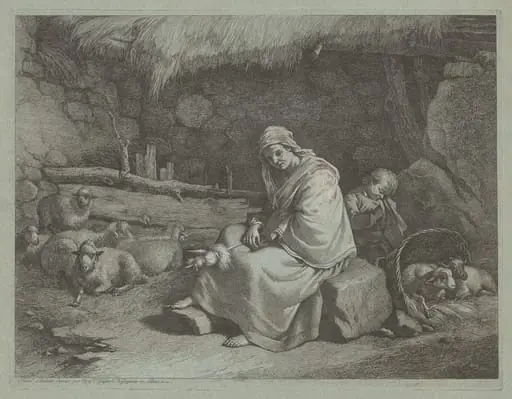 Interior of a Stable with a Seated Spinner and Sleeping Child
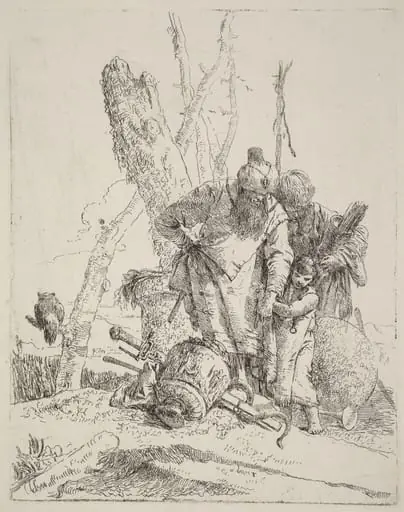 Two Turbaned Magicians and a Boy
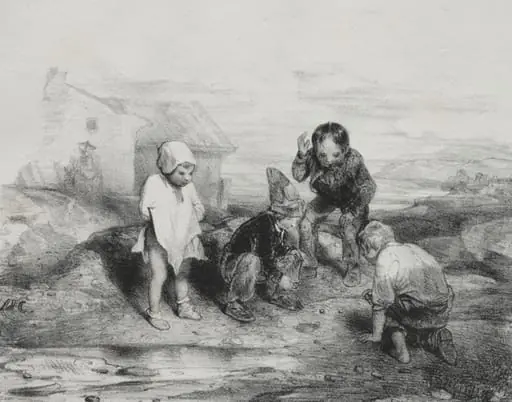 The Deciding Throw
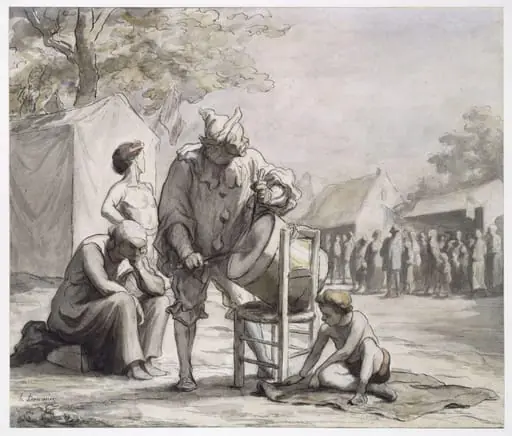 Les Saltimbanques
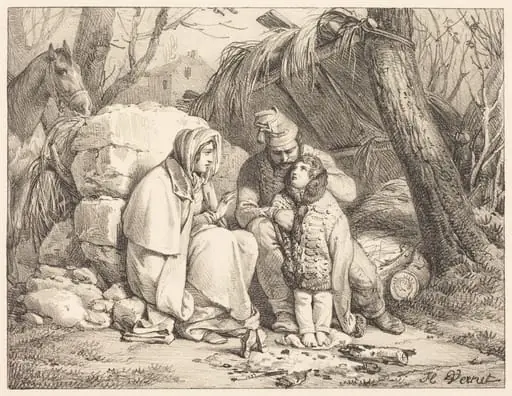 Soldier's Family Encamped