Artwork
Untitled
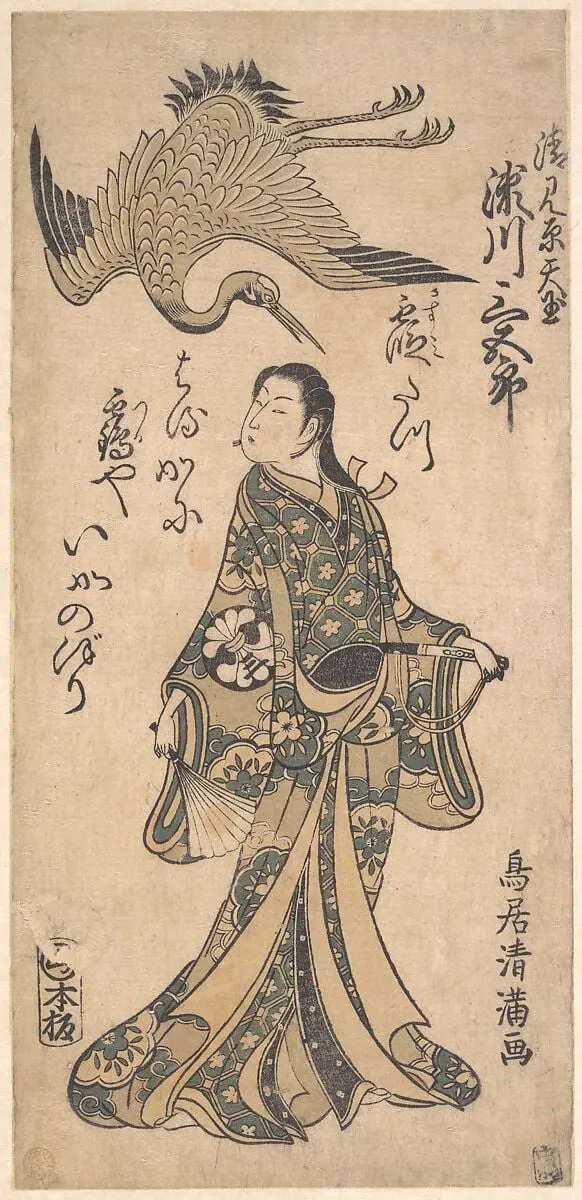
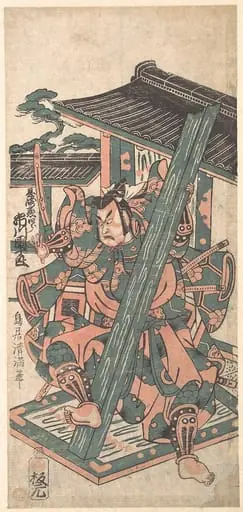
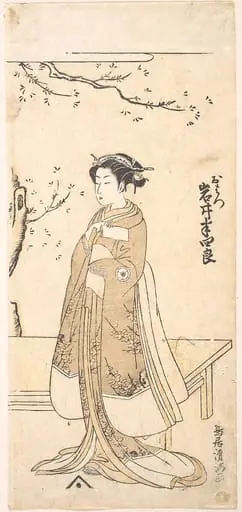
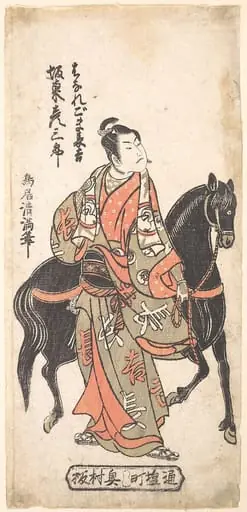
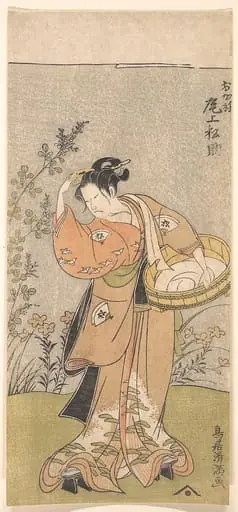
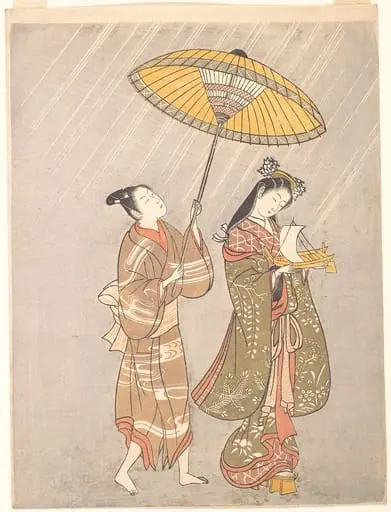
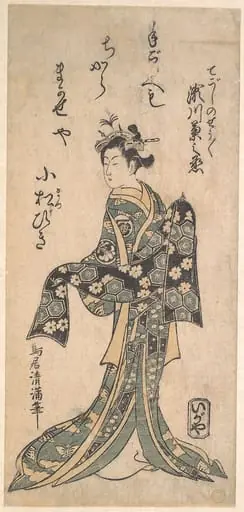
Untitled is an ink print by the Romanticist artist Torii Kiyomitsu. It dates from 1761 and is held in the collection of the Metropolitan Museum of Art.
About this work
Overview
This woodblock print, dated around 1761, is attributed to Torii Kiyomitsu, a prominent artist of the Torii school active in Edo-period Japan.
This woodblock print, dated around 1761, is attributed to Torii Kiyomitsu, a prominent artist of the Torii school active in Edo-period Japan. Executed in ink and color on paper, it exemplifies the ukiyo-e tradition of depicting elegant figures within refined, atmospheric settings. The work is part of the collection at The Metropolitan Museum of Art, where it is preserved as a representative example of mid-18th-century Japanese printmaking.
Subject & Meaning
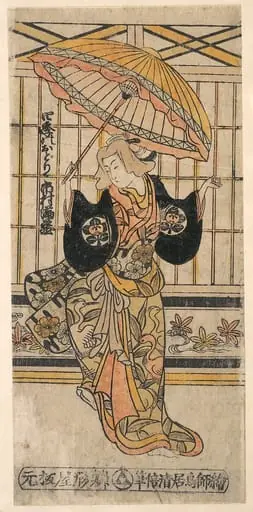
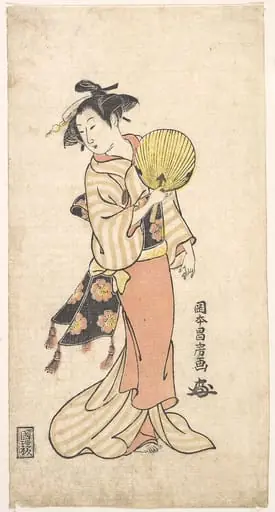
The print portrays a woman in a formal kimono, her posture composed and gaze lowered, suggesting introspection or quiet contemplation. Above her, a crane in flight—long associated in East Asian culture with longevity and grace—introduces a symbolic layer, possibly alluding to aspiration or spiritual transcendence. The absence of narrative context invites a meditative reading, emphasizing stillness over action.
Technique & Style
Kiyomitsu employed fine, controlled lines and layered color washes typical of ukiyo-e woodblock printing. The kimono’s floral and leaf motifs are rendered with delicate precision, while the background’s muted tones create visual harmony without distraction. The crane’s wings are suggested with minimal yet expressive strokes, balancing detail with restraint. The overall composition directs focus to the figure and the bird through spatial economy and tonal contrast.
History & Provenance
The print was produced during a period when Torii Kiyomitsu was refining the bijin-ga genre—portraits of beautiful women—within the commercial print market of Edo. While its early ownership history is undocumented, it entered The Metropolitan Museum of Art’s collection through established acquisition channels, likely in the 20th century, as part of broader efforts to preserve Japanese prints.
Context
Created in the 1760s, the work reflects the flourishing of ukiyo-e during Japan’s Edo period, when urban culture supported a demand for affordable, decorative art. Kiyomitsu, trained in the Torii studio, contributed to the evolution of bijin-ga by blending theatrical elegance with naturalistic detail. Unlike later romanticized Western styles, this piece derives its emotional tone from subtlety and cultural symbolism rather than dramatic expression.
Legacy
Though not among Kiyomitsu’s most widely reproduced works, this print exemplifies the quiet sophistication of mid-18th-century Japanese printmaking. It contributes to scholarly understanding of how everyday beauty was encoded in visual form during a time of social stability and artistic innovation. Its preservation in a major Western institution underscores its role in cross-cultural appreciation of Edo-period aesthetics.
Artist & collection


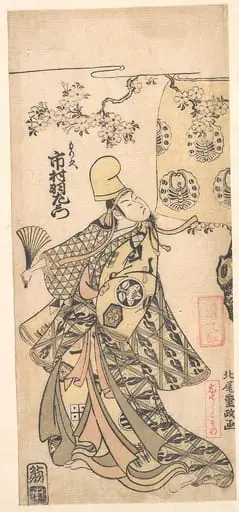 Untitled
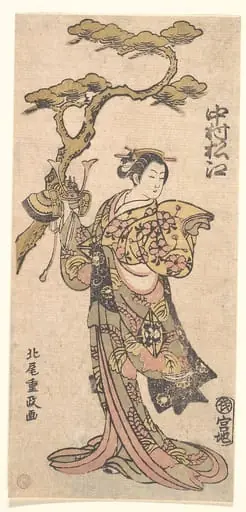 Untitled
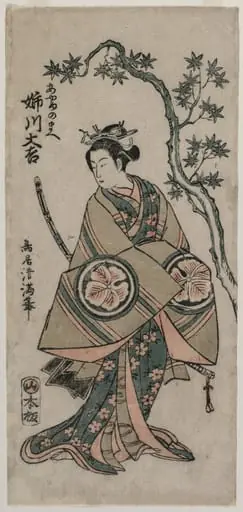 Anekawa Daisuke as Ayame-no-mae
 Untitled
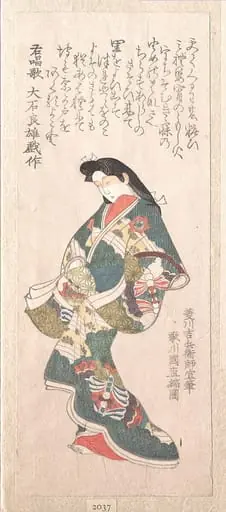 『春雨集』 摺物帖歌川国直画 元禄美人|Spring Rain Collection (Harusame shū), vol. 1: Genroku-style Courtesan
 Untitled
 Untitled
 Untitled
 Untitled
 Untitled
 Untitled
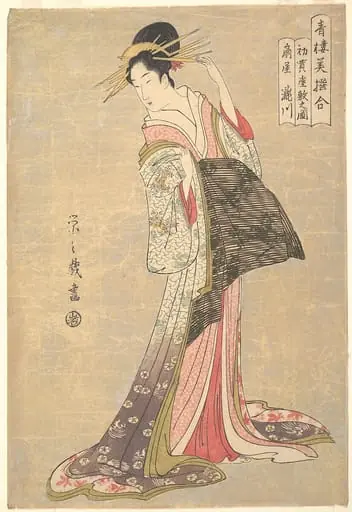 鳥文斎栄之画 「青楼美撰合 初売座敷之図 扇屋滝川」|Takigawa of the Ōgiya Brothel: The First Reception Room Appointment of the New Year (Hatsu-uri zashiki no zu: Ōgiya Takigawa), from the series A Comparison of Selected Beauties of the Pleasure Quarters (Seirō bisen awase)