Artwork
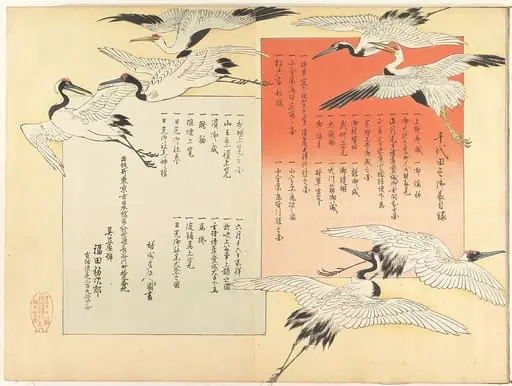
「三ひらの内」汀五羽の鶴|Five Cranes by the Water’s Edge, from the series Three Sheets (Mihira no uchi)
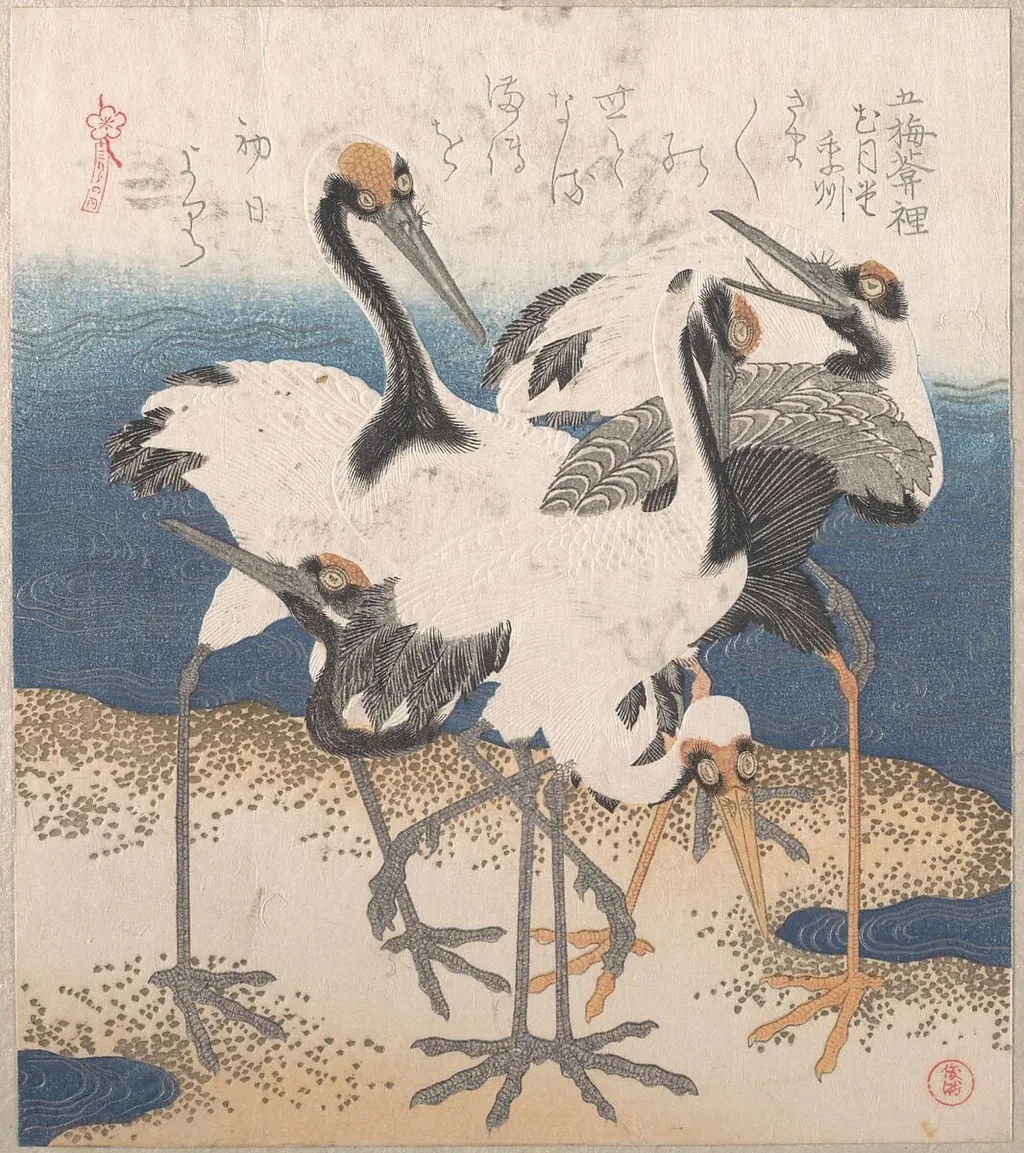
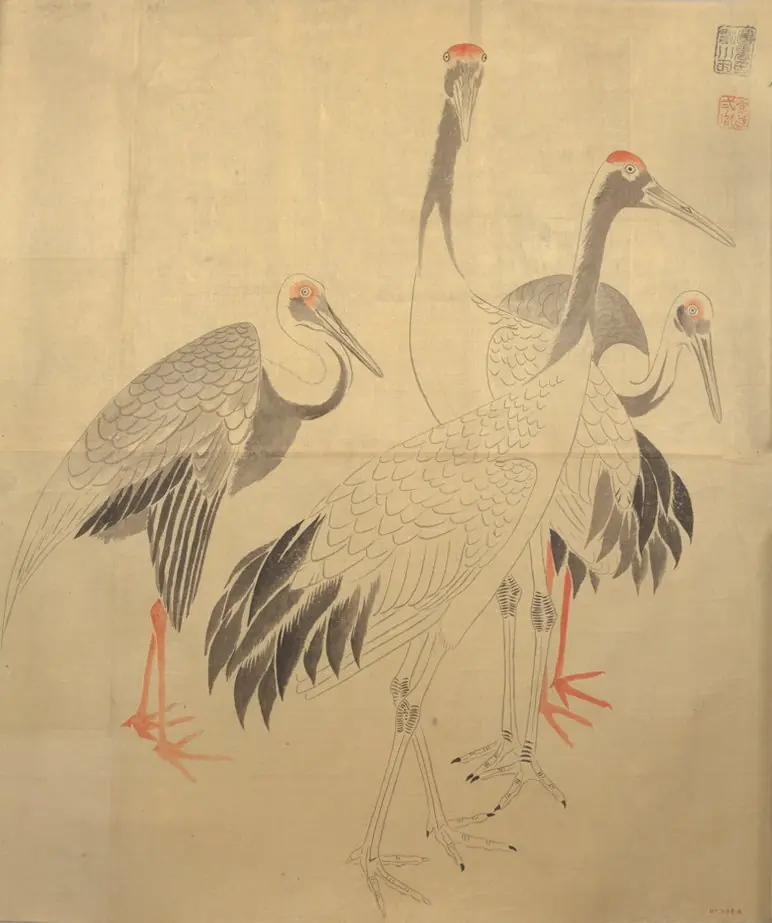
「三ひらの内」汀五羽の鶴|Five Cranes by the Water’s Edge, from the series Three Sheets (Mihira no uchi) is an ink print by the Romanticist artist Totoya Hokkei. It dates from 1814 and is held in the collection of the Metropolitan Museum of Art.
About this work
Overview
Created around 1814 by Totoya Hokkei, this woodblock print is one of three sheets in a privately commissioned album known as Mihira no uchi. Produced as a surimono, it was intended for connoisseurs rather than mass distribution. The work combines ink and color on paper, showcasing refined craftsmanship typical of early 19th-century Japanese printmaking for elite audiences.
Subject & Meaning
The print depicts five cranes standing along a quiet shoreline, their elongated forms poised with stillness.
The print depicts five cranes standing along a quiet shoreline, their elongated forms poised with stillness. Cranes in Japanese culture symbolize longevity and fidelity, often associated with serene natural settings. The composition emphasizes solitude and grace, inviting contemplation rather than narrative. The water’s edge suggests a liminal space, reinforcing themes of tranquility and endurance.
Technique & Style
Hokkei employed fine linear detailing to render the cranes’ feathers, using delicate ink strokes to suggest texture and volume. Soft washes of blue define the water and sky, contrasting with the birds’ white plumage accented by black markings. Subtle gradations and controlled brushwork create depth without heavy shading, reflecting a restrained aesthetic aligned with literati traditions.
History & Provenance
The print originates from a small, privately circulated album commissioned by a collector, likely for ceremonial or literary exchange. Such surimono were often produced in limited quantities and distributed among poets and artists. The Metropolitan Museum of Art acquired it as part of its broader collection of Edo-period prints, preserving its original context as a refined, non-commercial object.
Context
During the early 1800s, surimono flourished as a niche art form among Japan’s educated elite, blending poetry, printmaking, and seasonal themes. Hokkei, trained in both painting and printmaking, contributed to this tradition by merging naturalistic observation with poetic restraint. This work reflects a broader cultural preference for understated beauty and intimate scale over public spectacle.
Legacy
Though not widely known outside specialist circles, the print exemplifies the sophistication of Edo-period surimono. Its emphasis on quiet observation and technical precision influenced later generations of printmakers who valued subtlety over boldness. Today, it remains a key example of how nature was rendered with reverence in Japanese print culture, beyond commercial or theatrical conventions.
Artist & collection
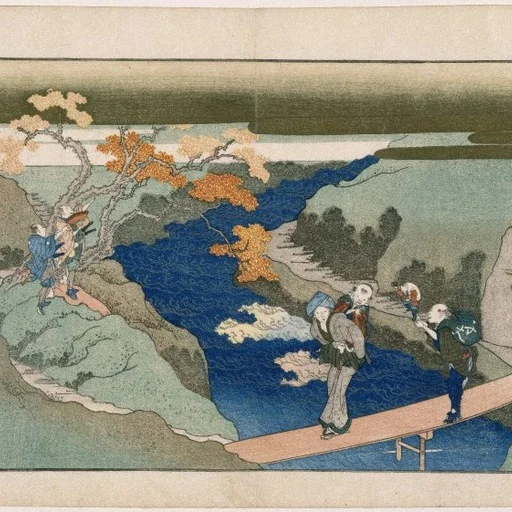

 Sumidagawa|Sumida River
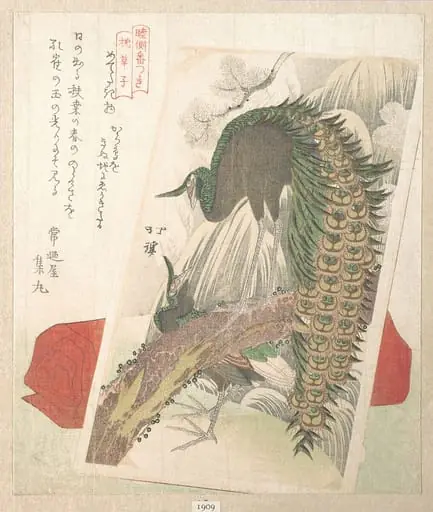 松・滝に孔雀図と緋毛氈|Painting of Peacocks, Pines, a Waterfall, and a Roll of Red Fabric
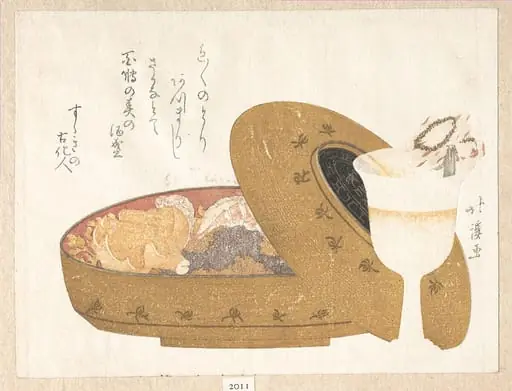 Untitled
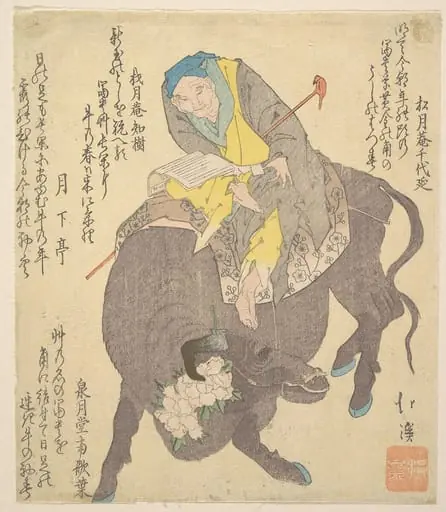 Untitled
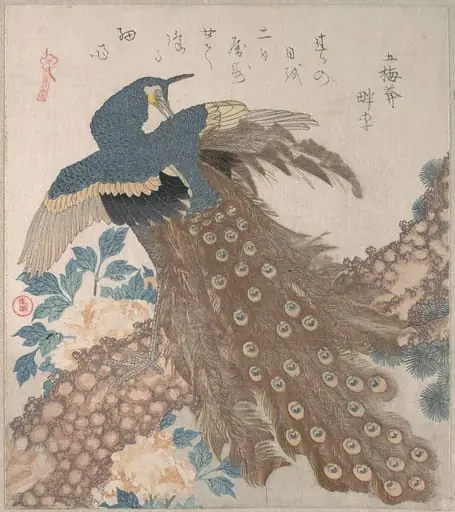 「三ひらの内」松・牡丹に孔雀|Peacock on Pine Tree and Peonies, from the series Three Sheets (Mihira no uchi)
 Untitled
 Untitled
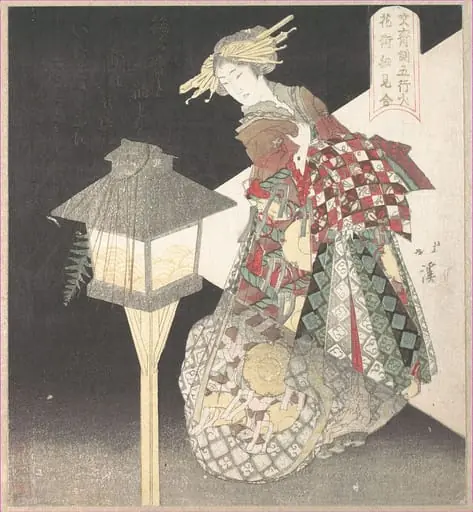 「文齊側五行火 花街細見合」|Courtesan by a Lantern, “Fire,” from the series Five Elements for the Bunsai Poetry Group, a Guide to the Yoshiwara Pleasure Quarters