Artwork
The Source of the Arveron
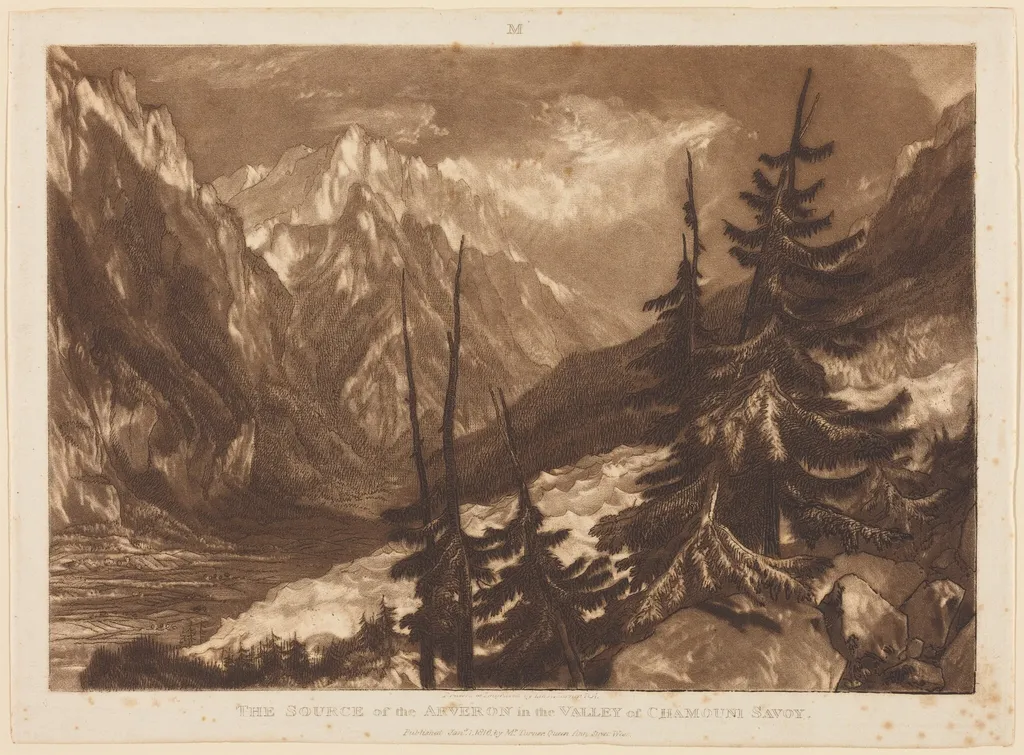
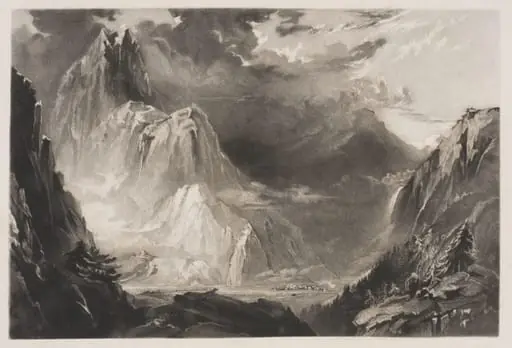
The Source of the Arveron is an ink print by the Romanticist artist Joseph Mallord William Turner. It dates from 1816 and is held in the collection of the National Gallery of Art.
About this work
Overview
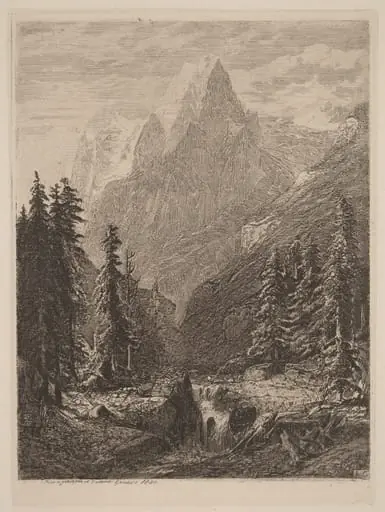
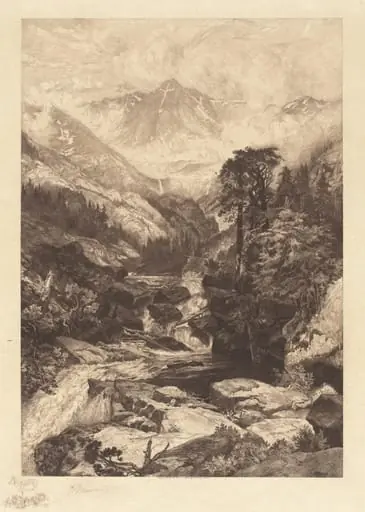
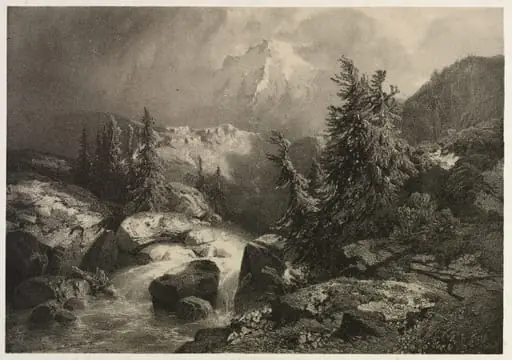
The Source of the Arveron is a print produced in 1816 by the British artist J. M. W. Turner. Executed as a combination of etching and mezzotint, the work presents a rugged mountainous landscape dominated by sharp peaks, a meandering river, and a sky charged with turbulent clouds. The composition emphasizes the raw power of nature through stark contrasts of light and shadow.
Subject & Meaning
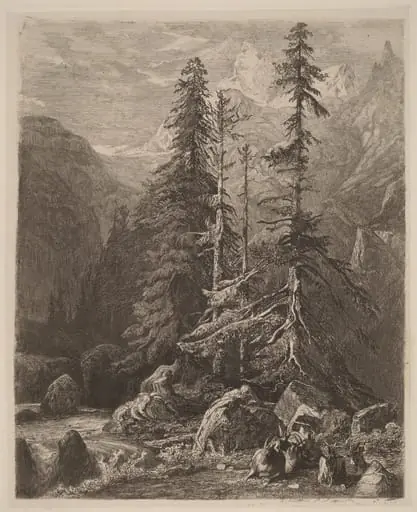
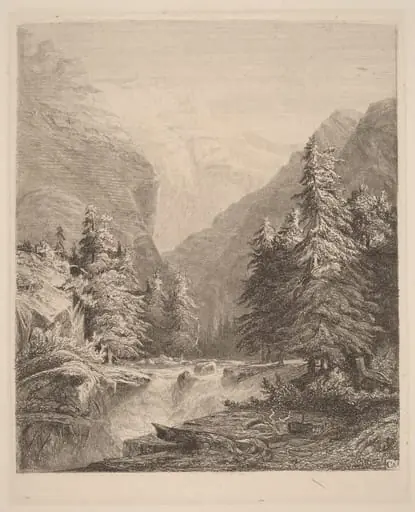
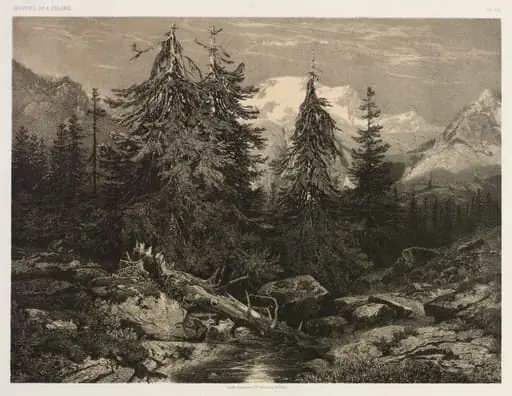
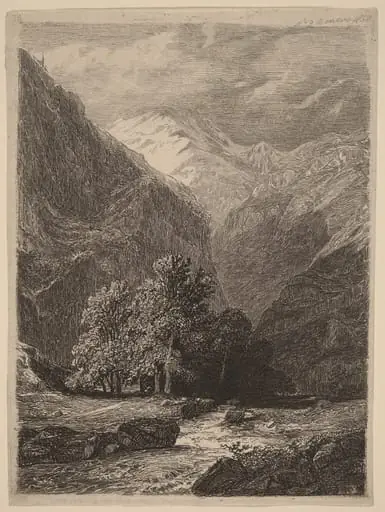
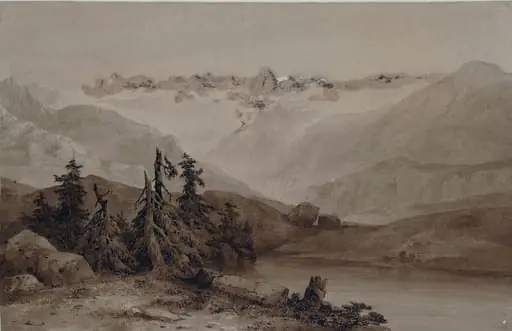
The image depicts a dramatic alpine scene, with towering pines clinging to craggy slopes and a river winding through the valley below. The turbulent sky and the stark, weather‑worn rocks suggest a moment of elemental force, inviting contemplation of humanity’s smallness before the untamed environment.
Technique & Style
Turner employed fine etched lines to delineate forms, while mezzotint shading builds atmospheric depth and tonal richness. The interplay of crisp linear detail with soft, gradated shadows creates a sense of three‑dimensionality, illustrating the artist’s early experimentation with light effects in printmaking.
History & Provenance
Created during Turner’s early career, the print reflects his interest in landscape and atmospheric effects that would later define his oil paintings. It was issued as part of a series of landscape prints, though specific details of its original publication and subsequent ownership remain limited.
Artist & collection
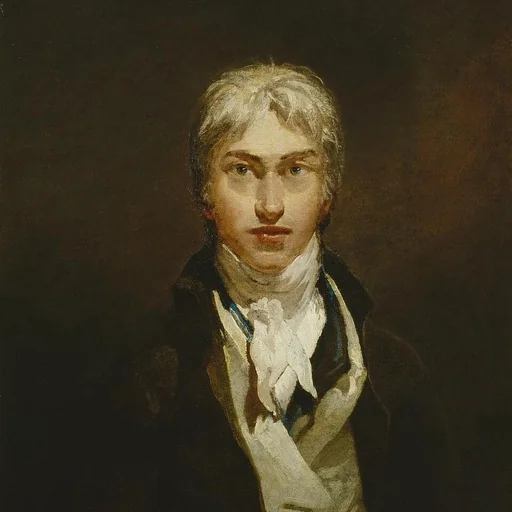
Artist
Joseph Mallord William Turner was born in 1775 at Maiden Lane, Covent Garden, where his father kept a barber and wig-making shop.