Artwork
Anna, Wife of Matthias, Roman Emperor
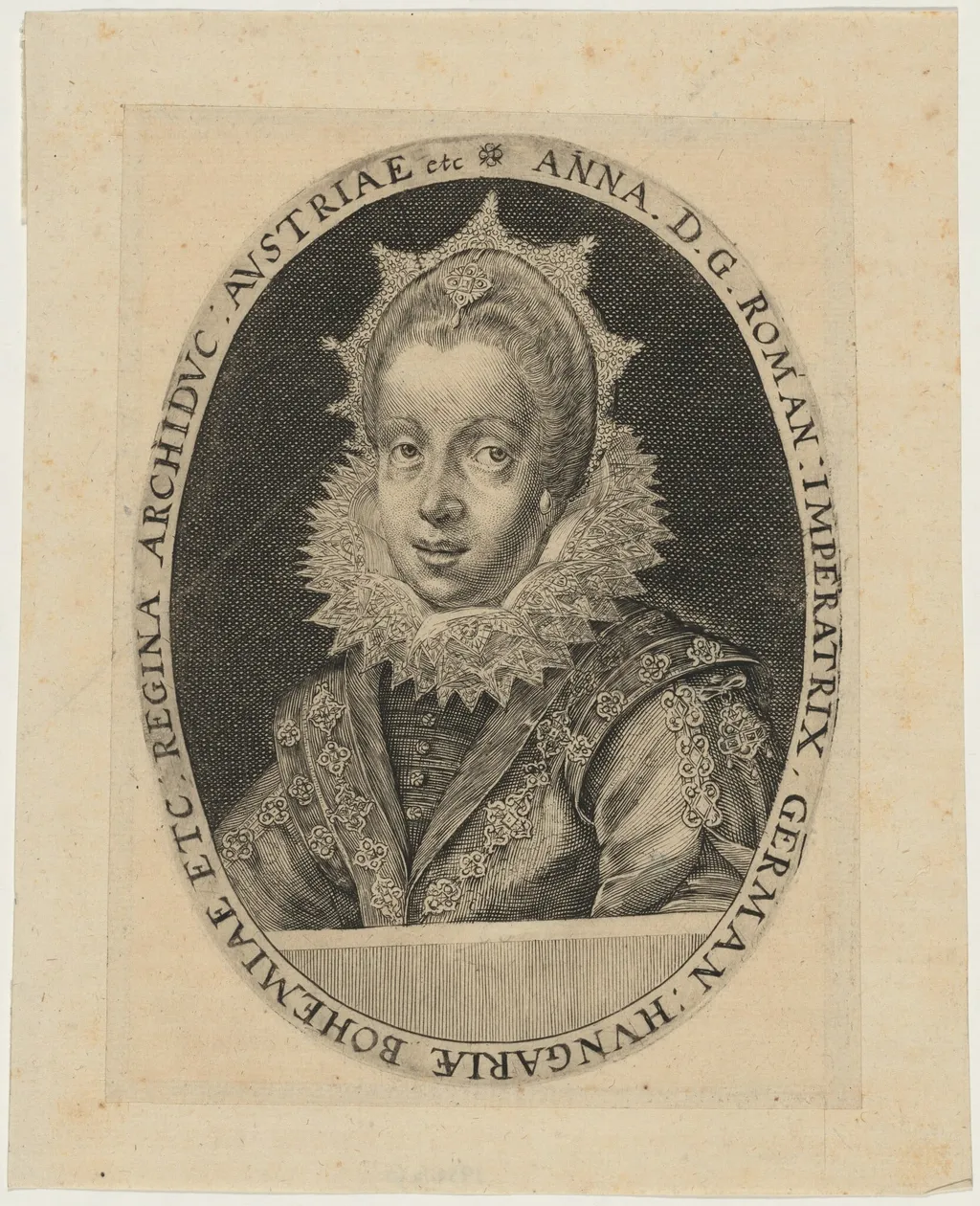
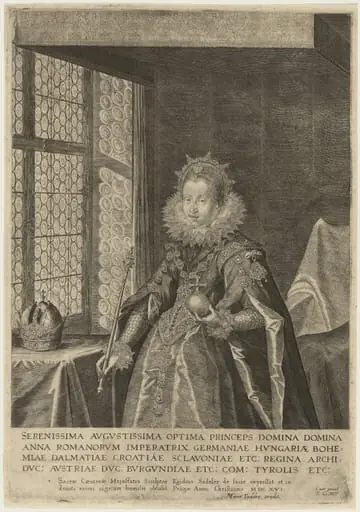
Anna, Wife of Matthias, Roman Emperor is an ink print by the Romanticist artist Unknown 19th Century. It dates from 1850 and is held in the collection of the National Gallery of Art. This black-and-white oval engraving depicts Anna, wife of the Roman Emperor Matthias, rendered in fine linear detail.
About this work
Overview
The oval format and intricate ornamentation suggest a commemorative function, likely intended for circulation among elite audiences.
This black-and-white oval engraving depicts Anna, wife of the Roman Emperor Matthias, rendered in fine linear detail. The portrait is framed by inscriptive text along its border, a common feature in early modern printed portraiture. The subject faces the viewer directly, her expression composed and unsmiling, emphasizing formality over sentiment. The oval format and intricate ornamentation suggest a commemorative function, likely intended for circulation among elite audiences.
Subject & Meaning
Anna, as the empress consort, is portrayed with regal insignia: a crown-like headdress and a heavily decorated collar, symbols of her elevated status. Her direct gaze and restrained demeanor convey authority and dignity, aligning with contemporary ideals of imperial femininity. The absence of narrative elements focuses attention solely on her identity and position, reinforcing her role as a figure of political and dynastic significance rather than personal character.
Technique & Style
Executed as a detailed engraving, the work relies on fine, controlled lines to model form and texture, particularly in the elaborate patterns of the collar and headdress. The monochrome palette enhances the precision of the technique, typical of printmaking in the early modern period. The oval composition and border text reflect conventions of engraved portraiture used in scholarly and aristocratic circles, prioritizing clarity and symbolic representation over emotional expression.
History & Provenance
The engraving likely dates to the early 17th century, contemporaneous with Matthias’s reign as Holy Roman Emperor. Such portraits were often produced to affirm imperial lineage and were distributed among courts and collectors. While the engraver’s identity is unrecorded, the style aligns with Northern European print workshops that specialized in official portraiture. Its survival suggests it was preserved within aristocratic or institutional collections.
Context
This portrait emerged during a period when printed images served as tools of political representation, especially in the absence of widespread photography. Unlike later Romantic portrayals that emphasized individual emotion, this work adheres to the formal traditions of dynastic portraiture, where symbolism and hierarchy took precedence over psychological depth. It reflects the visual language of courtly authority in the Holy Roman Empire.
Legacy
The engraving contributes to a broader corpus of early modern imperial portraiture that documented the visual culture of European courts. While not widely known today, it remains a valuable artifact for understanding how female royalty were visually constructed in print. Its preservation offers insight into the mechanisms of power representation before the rise of mass media and photographic reproduction.
Artist & collection

Artist

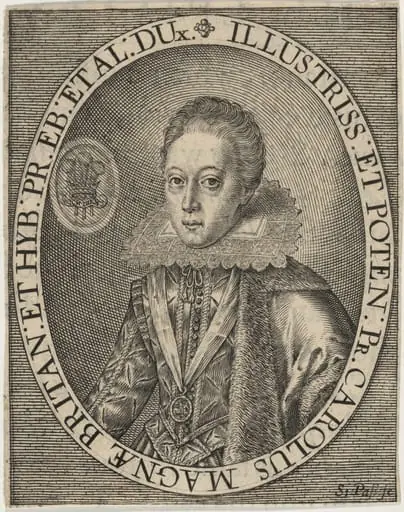 Charles I, King of England as Duke of York
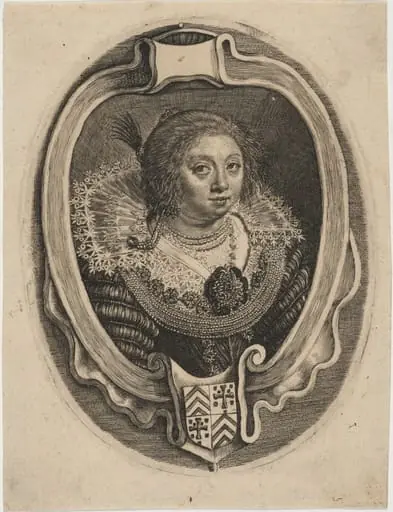 Portrait of a Woman in an Oval with Coat of Arms
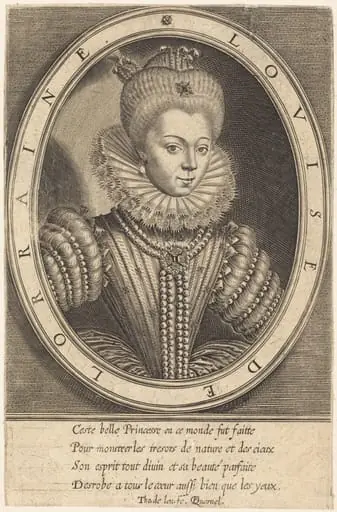 Louise de Lorraine
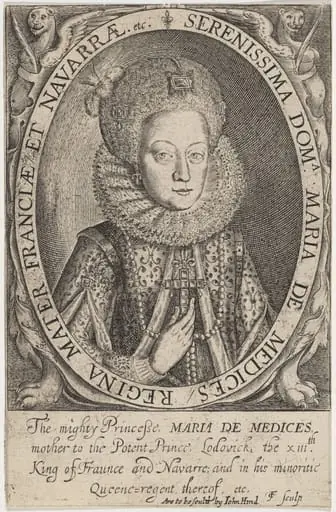 Marie de Medici, Wife of Henry IV of France
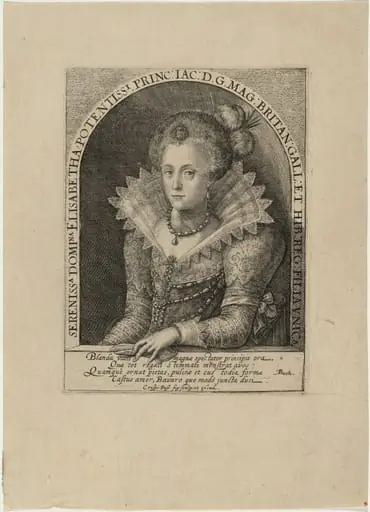 Elizabeth, Princess, Wife of the Elector Palatine Frederick V, King of Bohemia
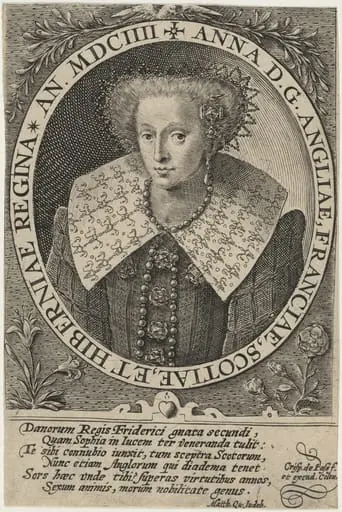 Anne of England
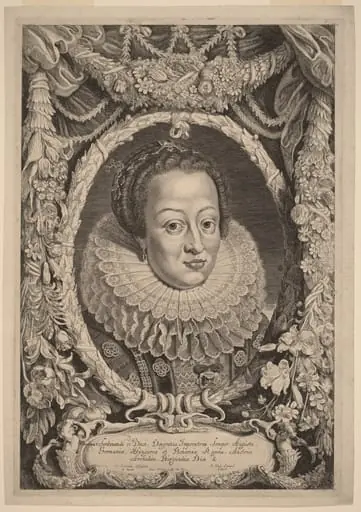 Eleanora, Wife of Ferdinand II
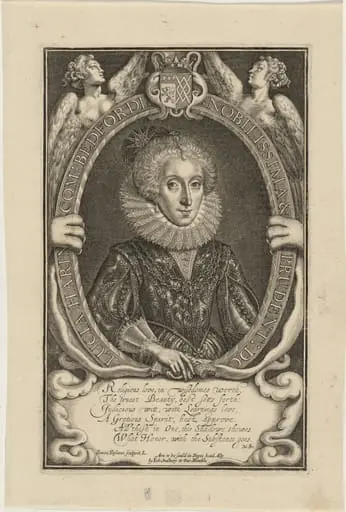 Lucia Harrington, Countess of Bedford
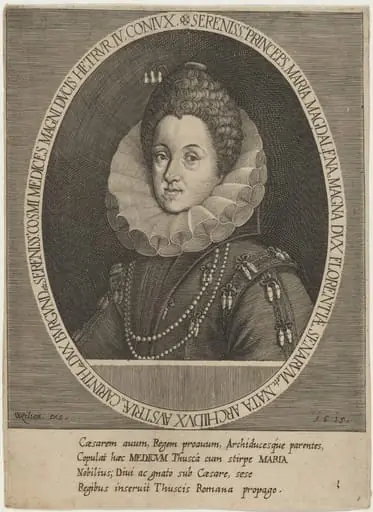 Princess Maria Magdalen
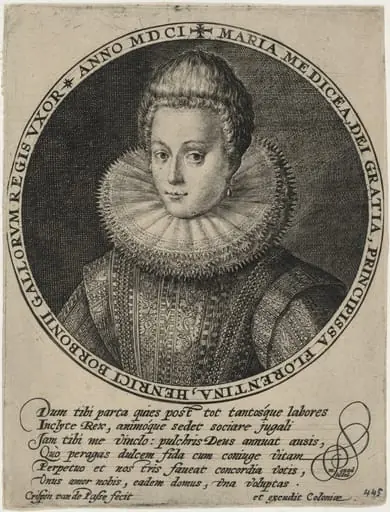 Marie de Medicis, Queen of France
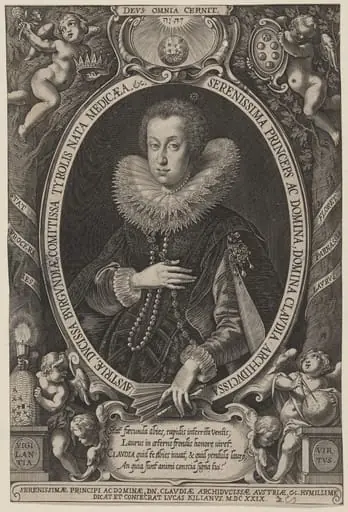 Claudia de Medici, Wife of Leopold of Austrian Tyrol
 Anna, Wife of Matthias, Roman Emperor