Artwork
Anna, Wife of Matthias, Roman Emperor
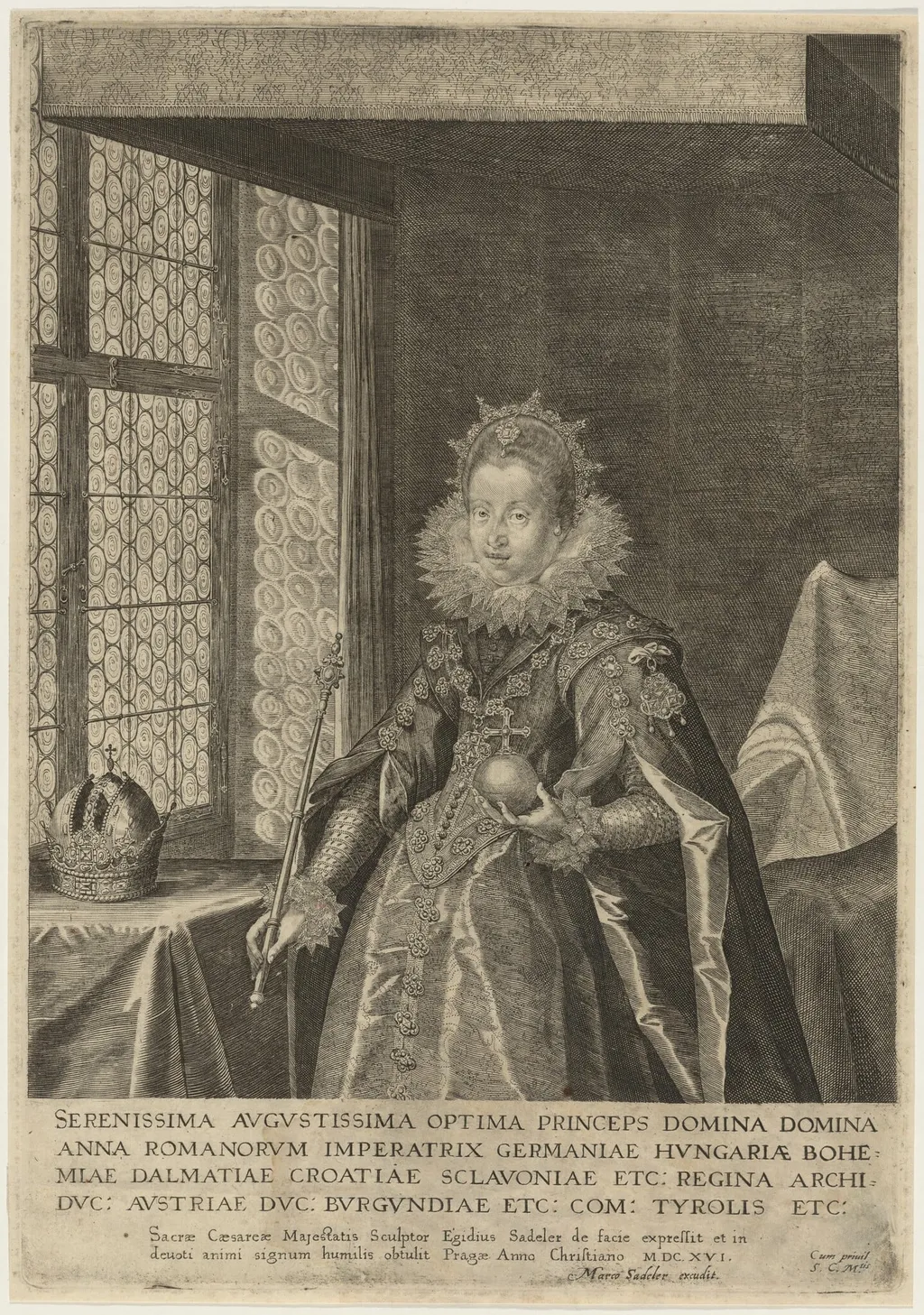
Anna, Wife of Matthias, Roman Emperor is an ink print by the Renaissance artist Aegidius Sadeler II. It dates from 1600 and is held in the collection of the National Gallery of Art.
About this work
Overview
Sadeler, a Flemish artist based at the Prague court of Rudolf II, specialized in reproductive prints of imperial figures.
Created in 1600 by Aegidius Sadeler II, this engraving portrays Anna of Tyrol, consort to Emperor Matthias. Sadeler, a Flemish artist based at the Prague court of Rudolf II, specialized in reproductive prints of imperial figures. The work is part of a broader effort to document and disseminate the likenesses of Habsburg royalty through the medium of print, reflecting the court’s interest in visual propaganda and dynastic representation.
Subject & Meaning
Anna is depicted as a symbol of imperial authority, clad in a richly detailed Renaissance gown and crowned, holding a scepter and orb—traditional emblems of sovereignty. Her poised stance and the presence of a second crown on the table reinforce her status as empress consort. The inclusion of ornate window glass and furnishings suggests a private chamber of state, blending domestic intimacy with public power, typical of court portraiture in the early 17th century.
Technique & Style
Sadeler employed fine cross-hatching and precise line work to render textures in fabric, glass, and metal. The intricate patterns of Anna’s dress and the leaded window are rendered with meticulous attention to detail, characteristic of Northern Renaissance engraving traditions. The composition is formal and symmetrical, emphasizing dignity and order, while subtle tonal gradations create a sense of volume without the use of color.
History & Provenance
The engraving was produced during Sadeler’s tenure at the Habsburg court in Prague, where he served under Rudolf II and later Matthias. It likely circulated among noble patrons and diplomatic circles as a portrait of the new empress following her marriage in 1611. Though dated 1600, the image may have been issued after Anna’s formal recognition as empress, reflecting the practice of posthumous or delayed portraiture in courtly print culture.
Context
In early 17th-century Central Europe, engraved portraits of royalty served both as records and instruments of political legitimacy. Sadeler’s work aligned with a broader trend of using print to project imperial authority beyond the palace walls. The emphasis on material opulence and heraldic symbolism reflects the Habsburgs’ efforts to assert continuity and prestige amid religious and territorial tensions in the Holy Roman Empire.
Legacy
Sadeler’s engravings, including this portrait, contributed to the visual lexicon of Habsburg rule and influenced later court portraiture across Europe. Though not widely known today, his prints remain important sources for understanding how imperial identity was constructed and communicated through print media in the late Renaissance. The work survives in several institutional collections, preserving its role as a historical document.
Artist & collection
Artist
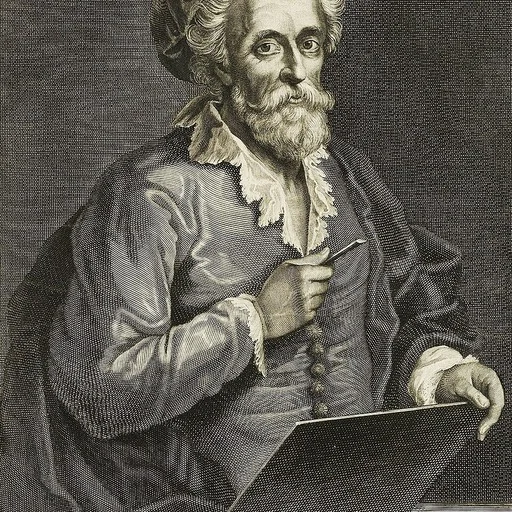
Aegidius Sadeler or Aegidius Sadeler II (1570–1629) was a Flemish engraver who was principally active at the Prague court of Rudolf II, Holy Roman Emperor and his successors.

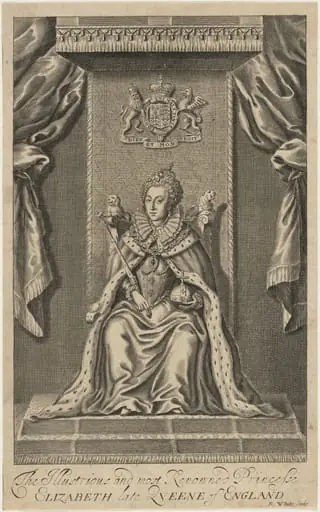 Queen Elizabeth Enthroned
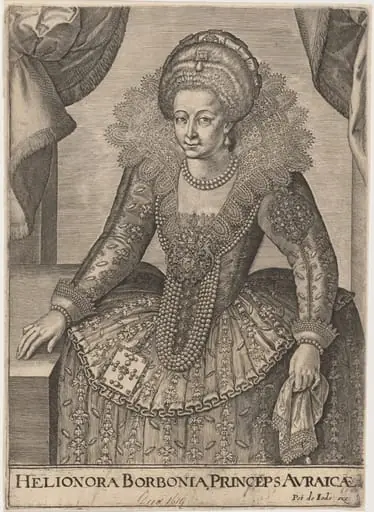 Eleanora, Princess of Orange
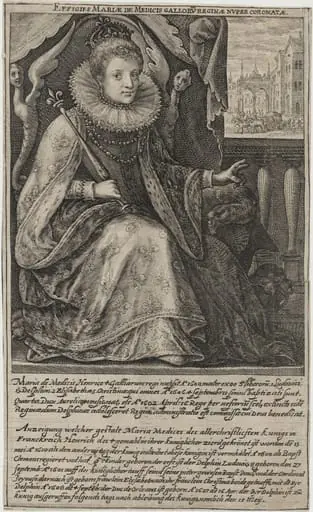 Marie de Medici, Wife of Henry IV of France
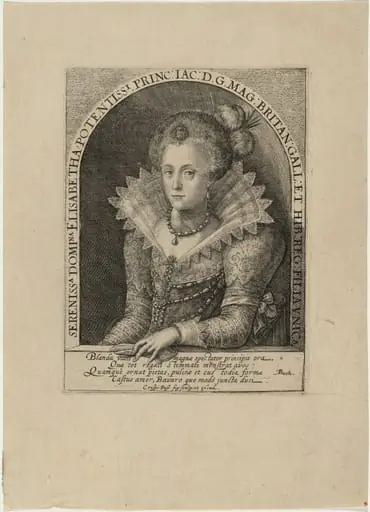 Elizabeth, Princess, Wife of the Elector Palatine Frederick V, King of Bohemia
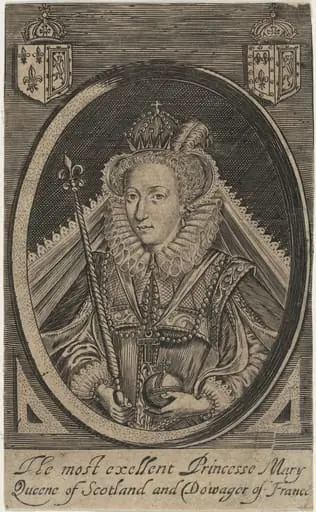 Mary, Queen of Scots
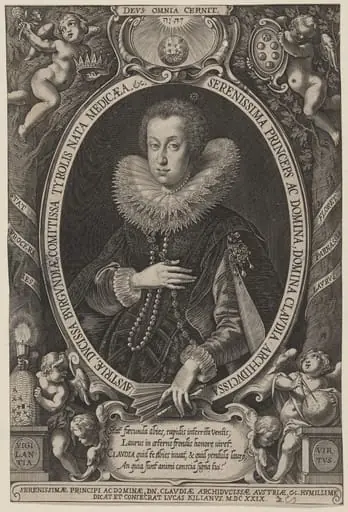 Claudia de Medici, Wife of Leopold of Austrian Tyrol
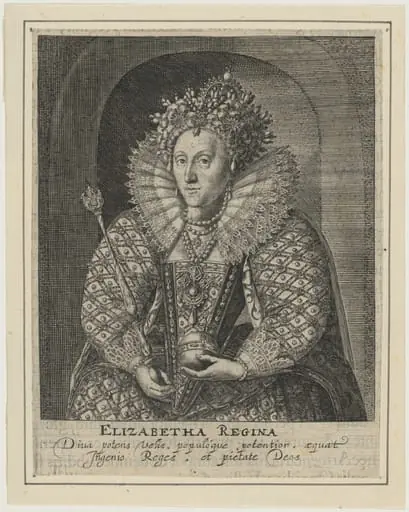 Queen Elizabeth
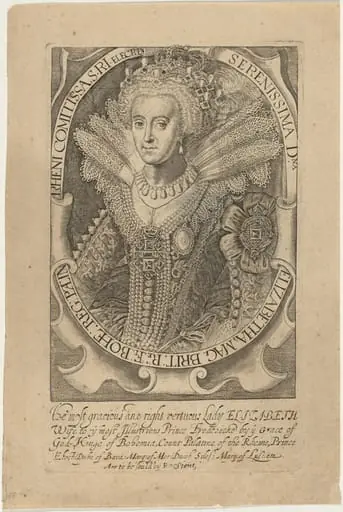 Elizabeth, Queen of Bohemia
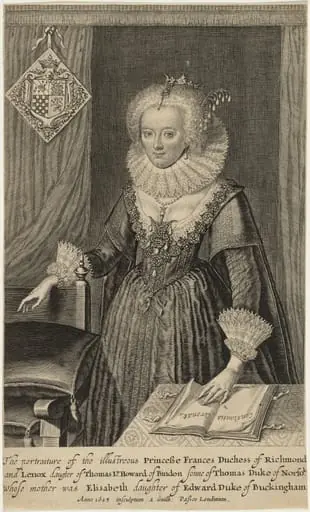 Frances Howard, Duchess of Richmond
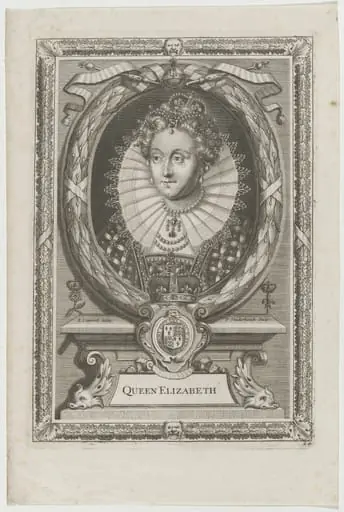 Queen Elizabeth
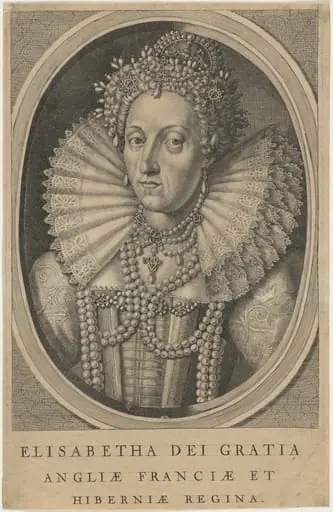 Queen Elizabeth
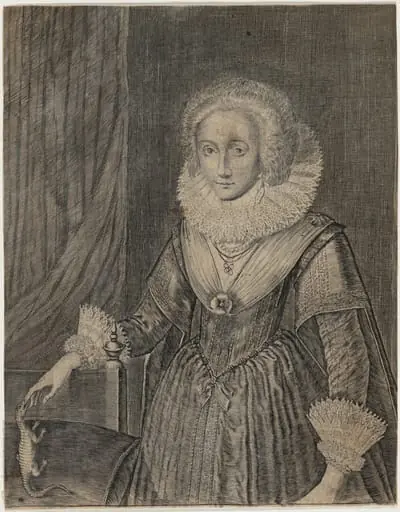 Frances Howard, Duchess of Richmond