Artwork
Christina, Queen of Sweden
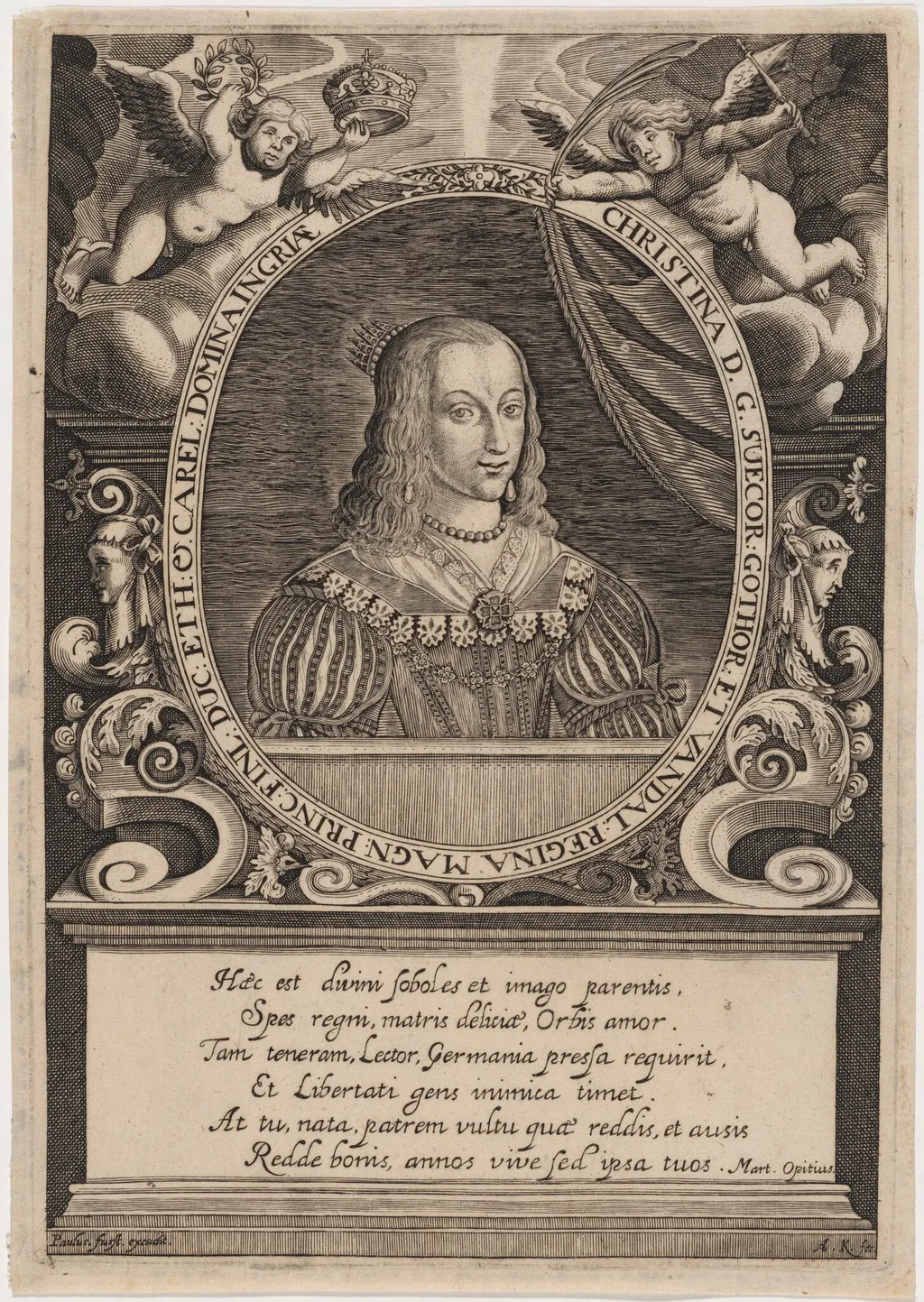
Christina, Queen of Sweden is an ink print by the Romanticist artist Unknown 19th Century. It dates from 1850 and is held in the collection of the National Gallery of Art.
About this work
Overview
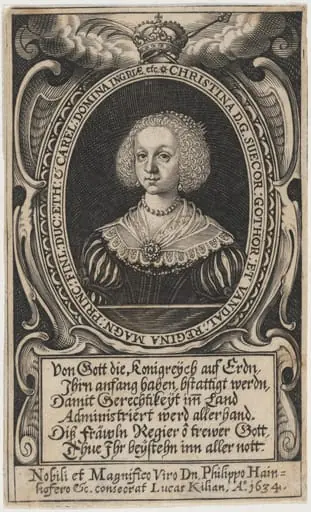
This engraving depicts Christina, Queen of Sweden, portrayed in formal 17th-century attire with a composed expression.
This engraving depicts Christina, Queen of Sweden, portrayed in formal 17th-century attire with a composed expression. She is framed by ornate scrollwork and flanked by two cherubs bearing inscribed banners. Below the portrait, a Latin poem extols her virtues as a ruler and emblem of aspiration. The composition reflects the conventions of commemorative portraiture, blending visual elegance with textual tribute.
Subject & Meaning
Christina is presented not merely as a monarch but as an idealized figure of wisdom and moral authority. The cherubs and poetic inscription elevate her image beyond biography, aligning her with allegorical traditions of leadership and virtue. The Latin text, rooted in classical rhetoric, frames her reign as a beacon of hope, reinforcing her cultural significance beyond political power.
Technique & Style
The image is rendered in fine, precise lines characteristic of engraving, with careful hatching to model form and texture. The delicate shading in her garments and the intricate borders demonstrate technical mastery. The integration of text and image within a decorative frame follows the Northern European tradition of printed portraiture, where craftsmanship and symbolism are equally valued.
History & Provenance
Created during or shortly after Christina’s reign, the print likely served as a diplomatic or commemorative object, circulated among European elites. Its survival suggests it was preserved in royal or scholarly collections. Though the artist’s identity is unrecorded, the style aligns with mid-17th-century Dutch or Swedish printmakers who specialized in royal imagery.
Context
Christina’s abdication in 1654 and subsequent life in Rome made her a figure of fascination across Europe. This engraving emerged in a climate where her intellectual pursuits and unconventional choices were both admired and contested. The work reflects contemporary efforts to shape her legacy through visual and literary symbolism, particularly in Catholic and humanist circles.
Legacy
The engraving contributes to a broader visual archive of Christina as a complex historical figure, distinct from conventional female rulers of her time. It preserves a moment when her persona was actively curated through print culture, influencing later representations in literature and art. Its restrained tone contrasts with later Romantic idealizations, offering a more contemporary perspective.
Artist & collection

Artist

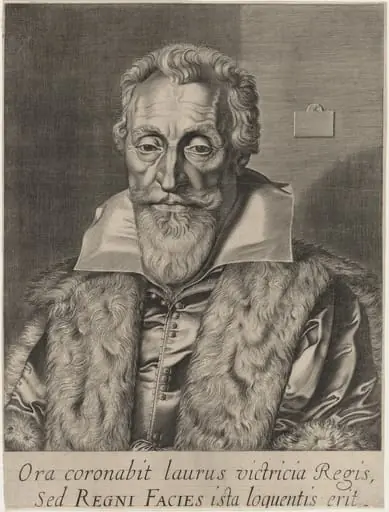
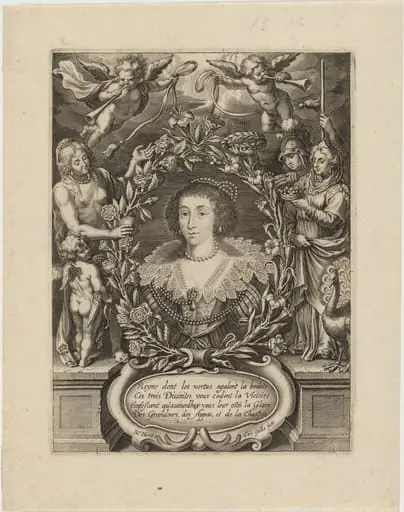 Henrietta Maria (?)
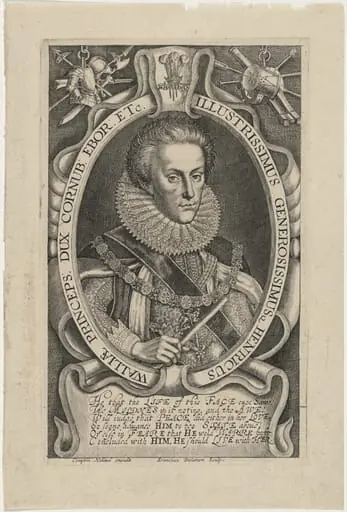 Henrici VIII Angliae, Franciae et Hiberniam Rex (King Henry VIII)
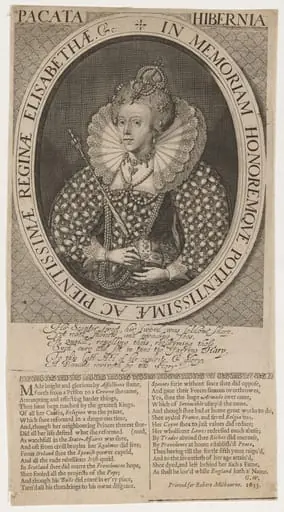 Queen Elizabeth
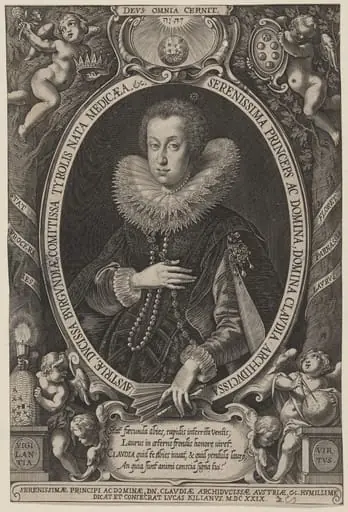 Claudia de Medici, Wife of Leopold of Austrian Tyrol
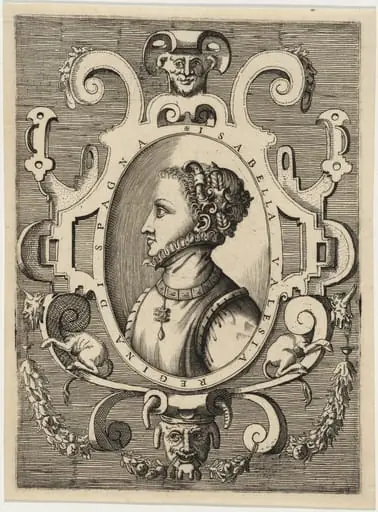 Isabella, Wife of Philip IV of Spain
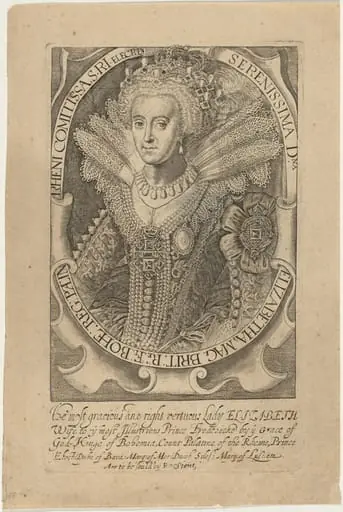 Elizabeth, Queen of Bohemia
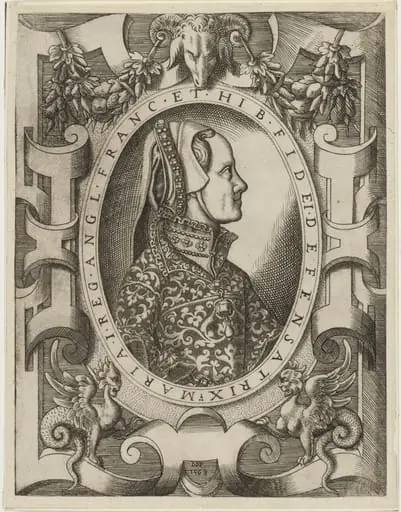 Queen Mary I of England
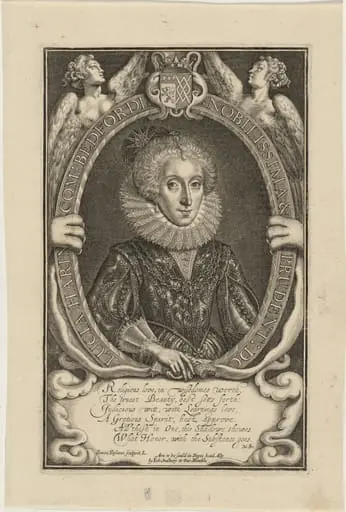 Lucia Harrington, Countess of Bedford
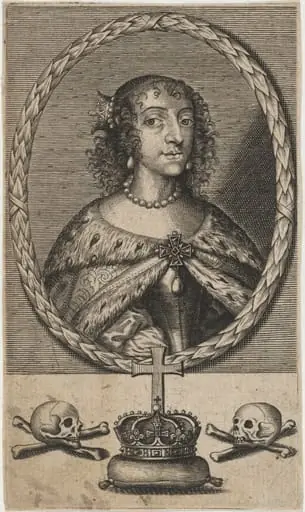 Henrietta Maria
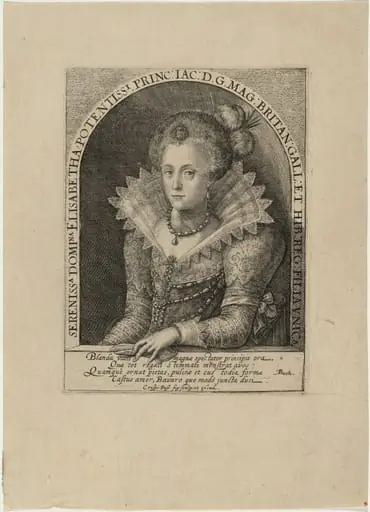 Elizabeth, Princess, Wife of the Elector Palatine Frederick V, King of Bohemia
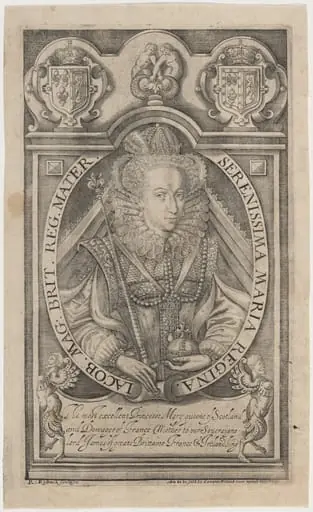 Mary, Queen of Scots
 Queen Christina