Artwork
Queen Christina
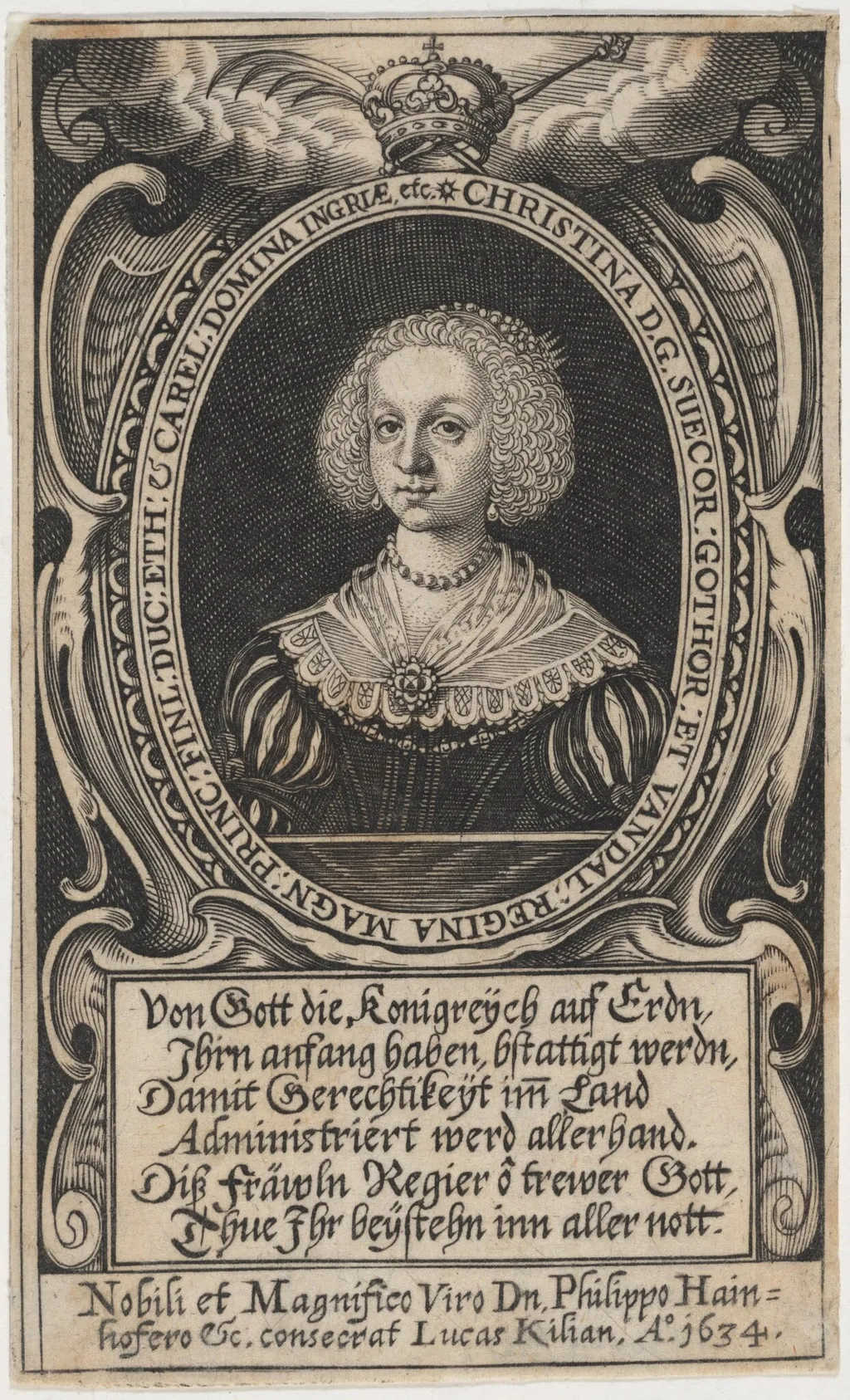
Queen Christina is an ink print by the Baroque artist Lucas Kilian. It dates from 1634 and is held in the collection of the National Gallery of Art.
About this work
Overview
The composition follows the conventions of early‑17th‑century portrait prints, emphasizing likeness through precise line work.
The 1634 engraving titled *Queen Christina* presents a portrait of the Swedish sovereign in her youth. Executed in black-and-white, the image shows a woman with curled hair, a high collar, a pearl necklace, and a floral brooch, framed by a crown and a Latin inscription above her head. The composition follows the conventions of early‑17th‑century portrait prints, emphasizing likeness through precise line work.
Subject & Meaning
The sitter is Queen Christina of Sweden, who ascended the throne as a teenager. The regal accessories—crown, pearl necklace, and embroidered banner—signal her authority and status, while the gentle expression and youthful features underscore her early reign. The Latin motto surrounding her head reinforces the political and cultural prestige associated with her rule.
Technique & Style
German engraver Lucas Kilian employed cross‑hatching to render shadows and texture, building depth through intersecting lines. The fine incisions create subtle gradations on the face, hair, and fabric, characteristic of the period’s portrait engraving tradition. The overall effect balances detailed rendering with the stark contrast inherent to the medium of copperplate printmaking.
History & Provenance
Born in Augsburg, Kilian worked in the city’s Custos workshop, where he produced a range of portrait, mythological, and anatomical prints. This particular work was likely commissioned to commemorate Christina’s early reign and circulated among European courts. Surviving copies are held in several museum collections, attesting to its distribution in the 17th century.
Context
The engraving emerges from a broader Northern European practice of disseminating royal images through prints, a means of reinforcing dynastic legitimacy across borders. In the 1630s, Sweden’s political influence was expanding, and portrait prints such as Kilian’s served both as propaganda and as collectible art for aristocratic patrons.
Artist & collection
Artist
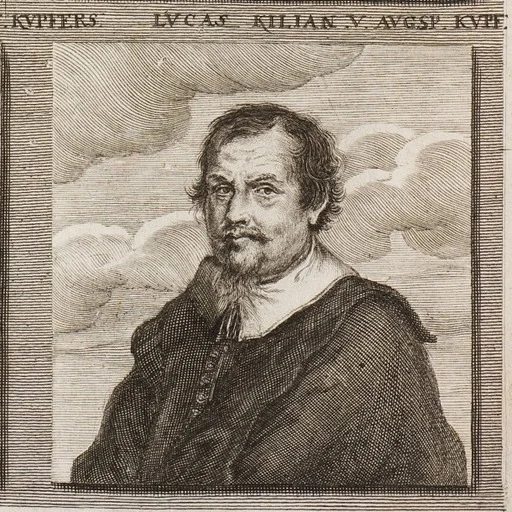
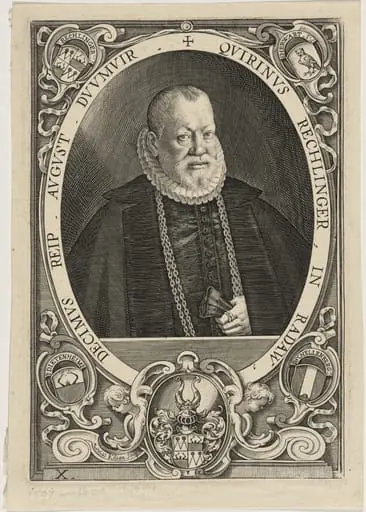
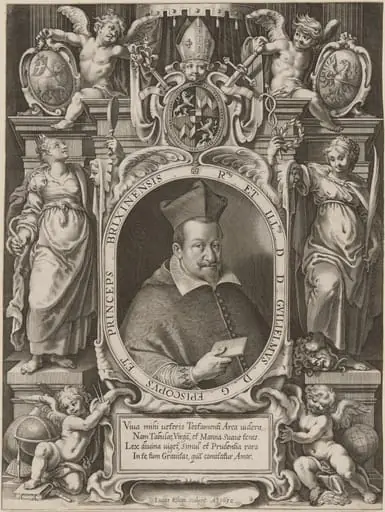
Lucas Kilian (Lucas Kilianus Augustanus; 1579–1637) was a German engraver and etcher from the Kilian family of engravers in Augsburg.

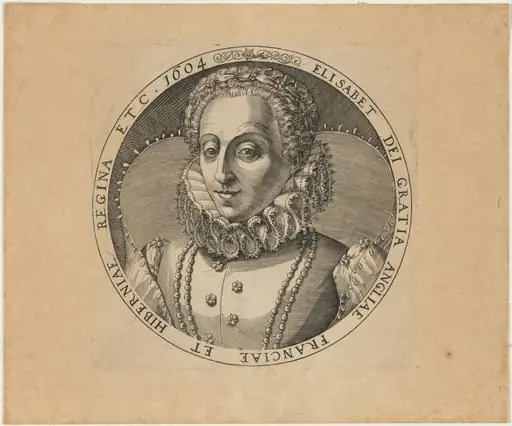 Queen Elizabeth
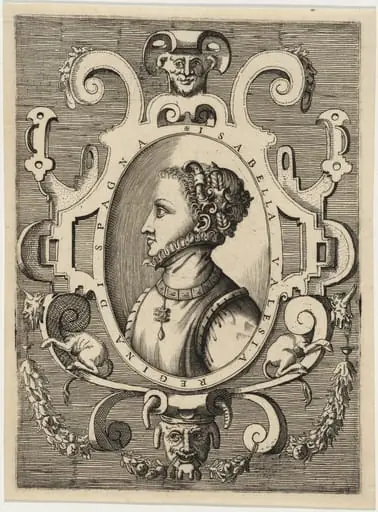 Isabella, Wife of Philip IV of Spain
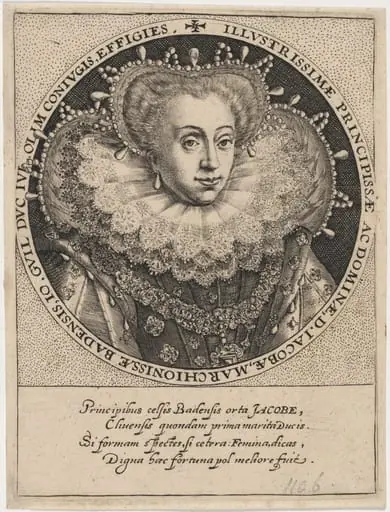 Marchioness of Baden
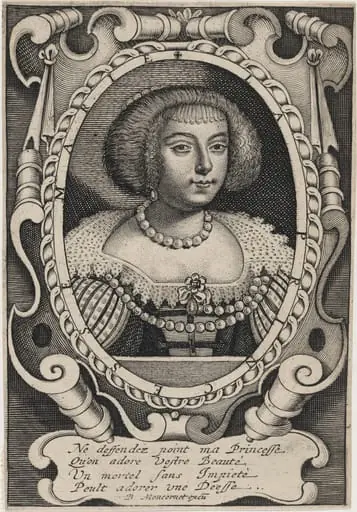 Henrietta Maria, Queen of Charles I
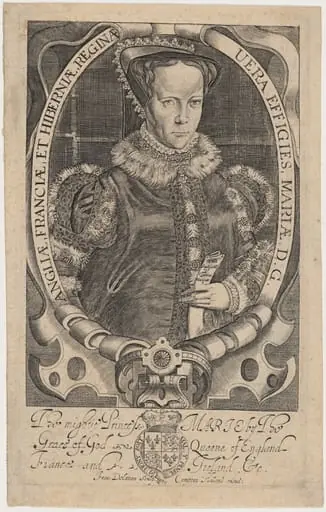 Mariae, D.G. Angliae, Franciae et Hiberniam Reginae (Mary I)
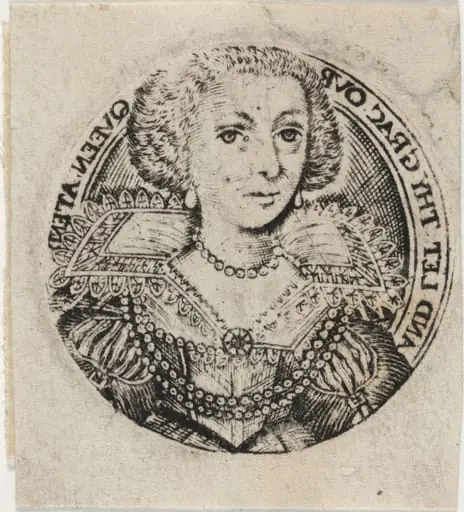 Henrietta Maria
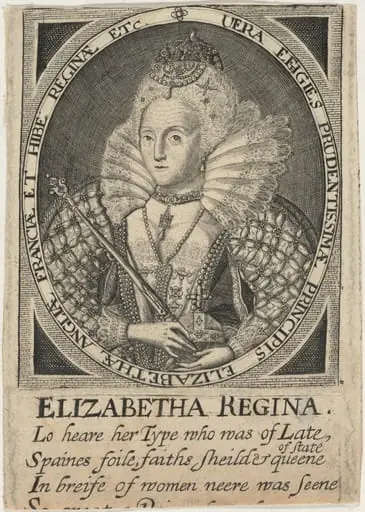 Queen Elizabeth
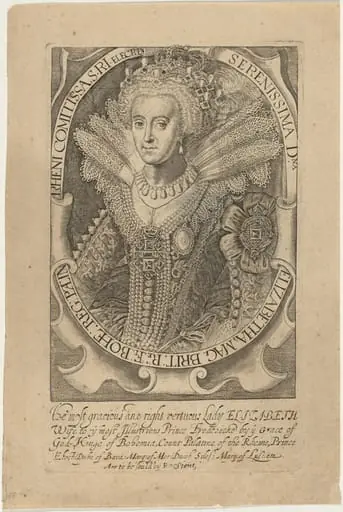 Elizabeth, Queen of Bohemia
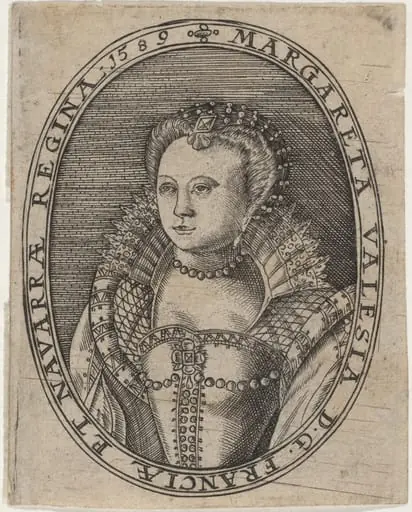 Marguerite de Valois, Wife of Henry of Navarre
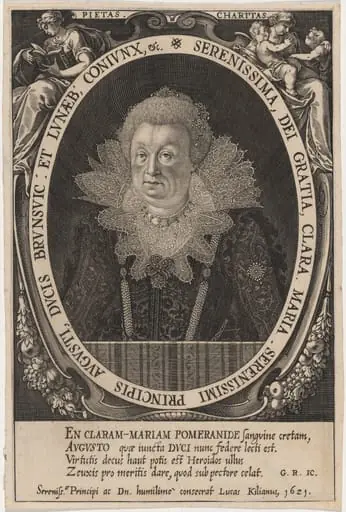 Clara Maria, Duchess of Brunswick, Wife of August II
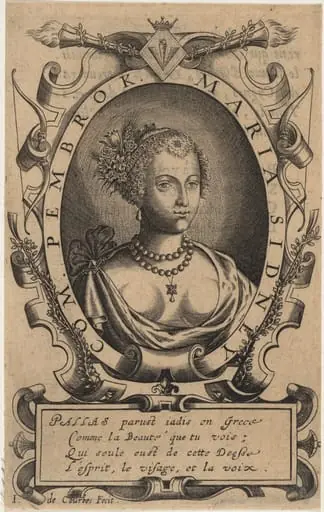 Mary Sidney, Countess of Pembroke
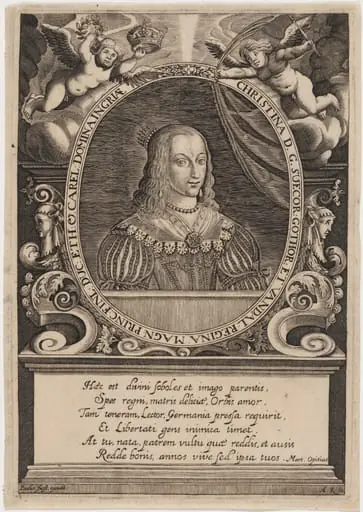 Christina, Queen of Sweden