Artwork
Queen Elizabeth
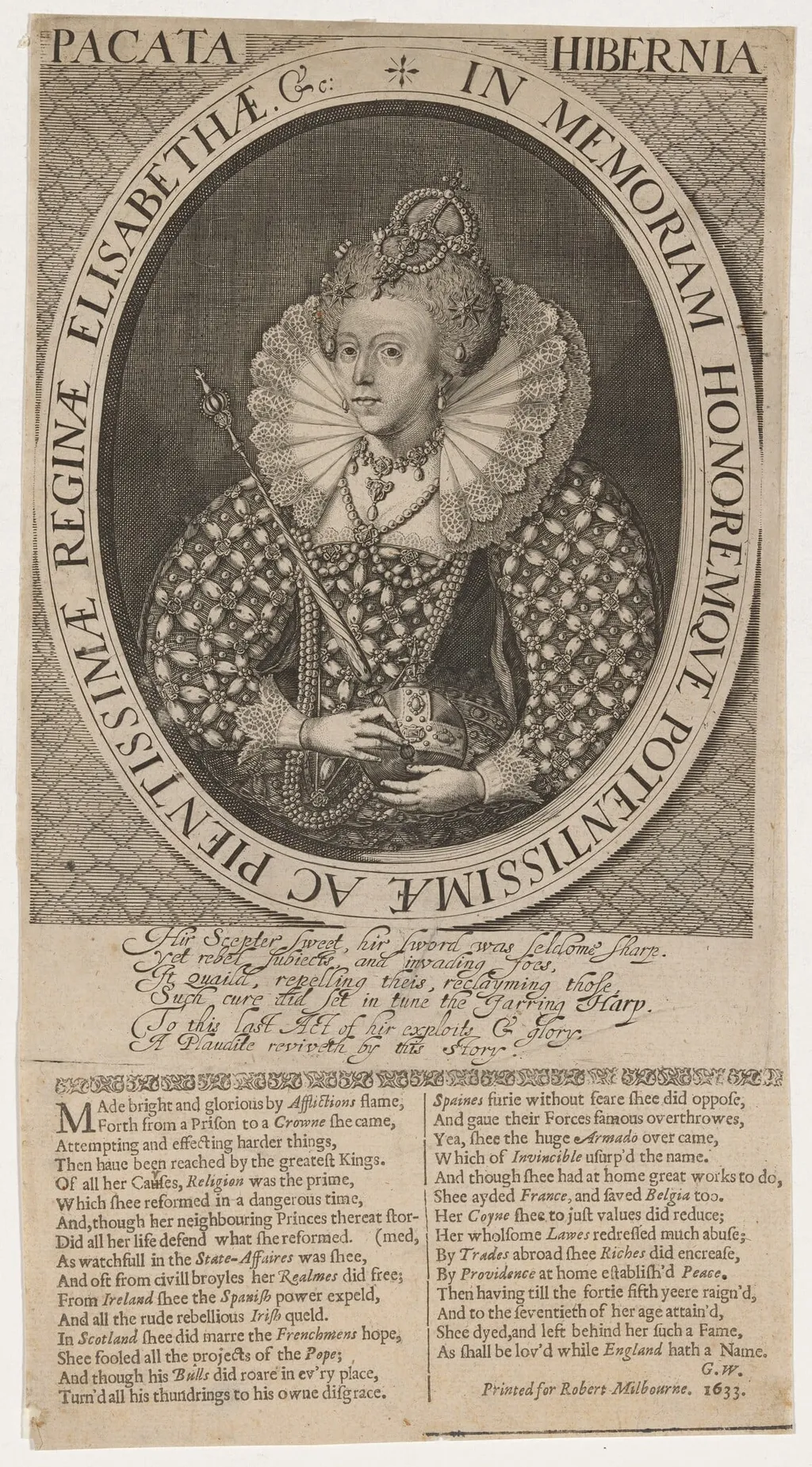
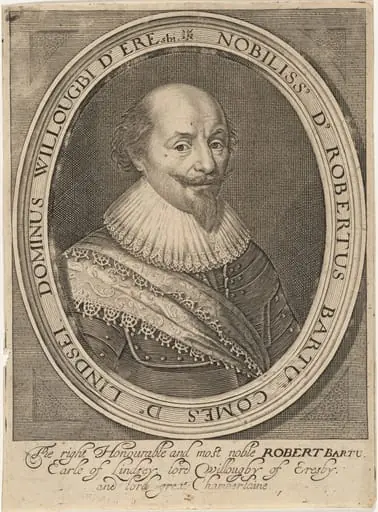
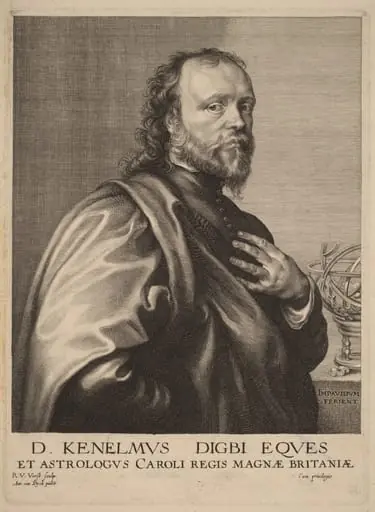
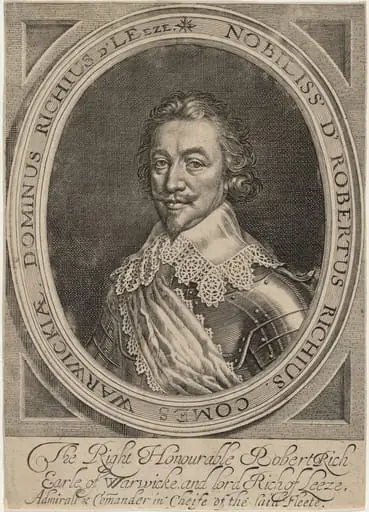
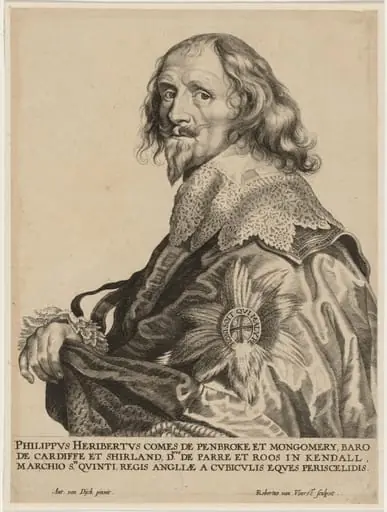
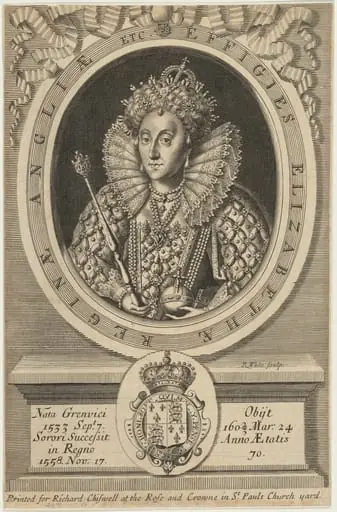
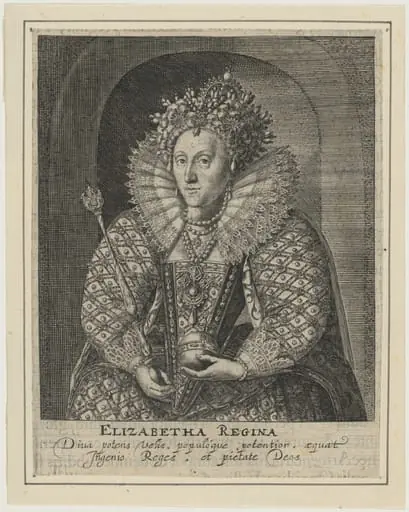
Queen Elizabeth is an ink print by the Baroque artist Robert van Voerst. It dates from 1633 and is held in the collection of the National Gallery of Art.
About this work
Overview
The composition balances the regal pose with a subdued, shadowed illumination that emphasizes the sitter’s solemn expression.
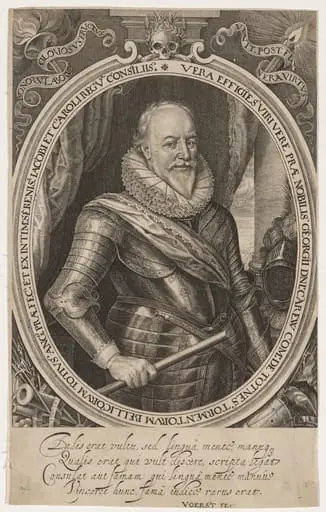
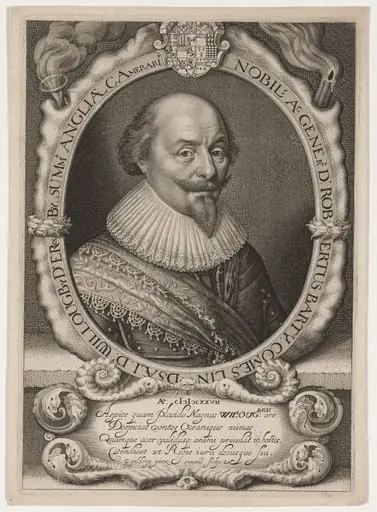
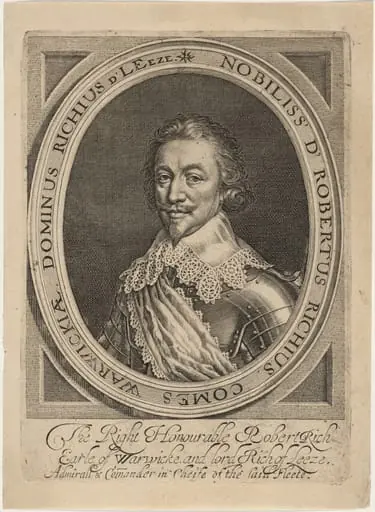
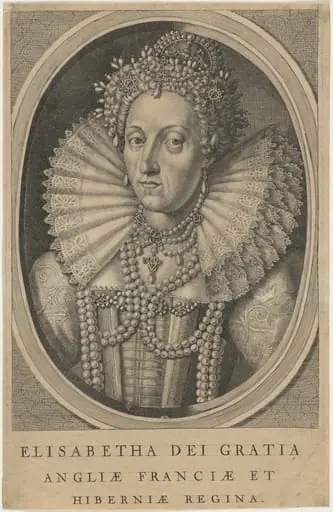
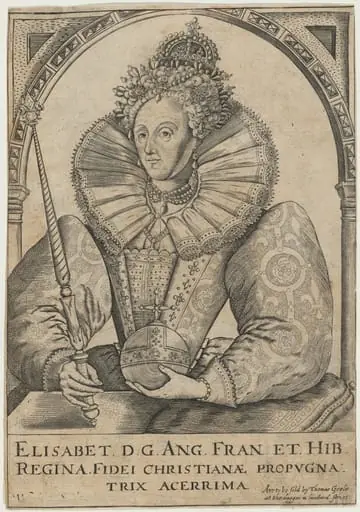
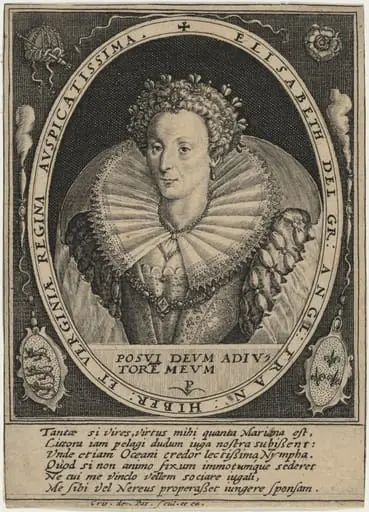
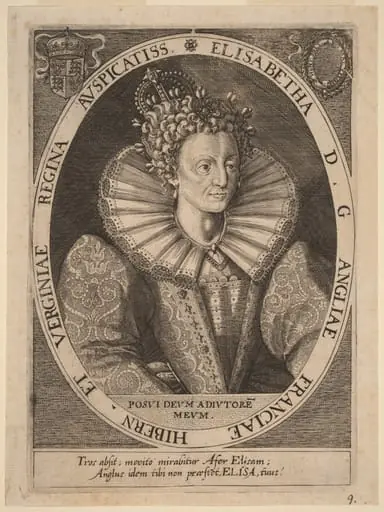
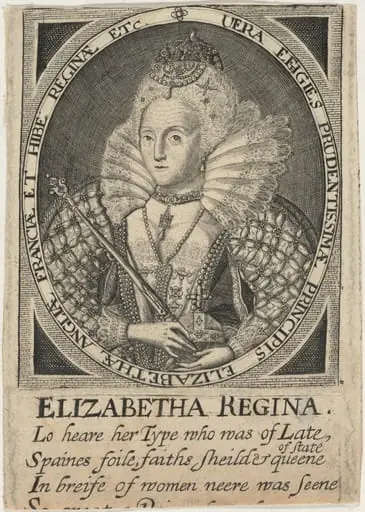
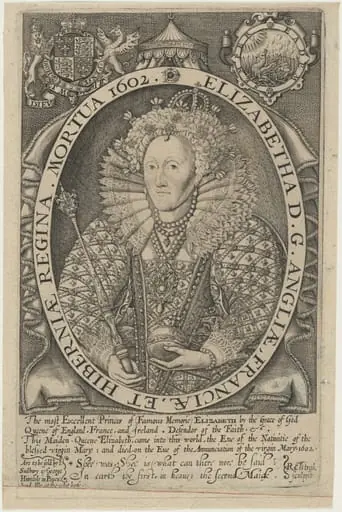
Robert van Voerst’s 1633 engraving presents a portrait of a queen, rendered in fine line work on a metal plate. The figure is shown in profile, crowned and holding a scepter and a globe, symbols of sovereign authority. A dark oval frame encloses the image, while surrounding text extols her reign. The composition balances the regal pose with a subdued, shadowed illumination that emphasizes the sitter’s solemn expression.
Subject & Meaning
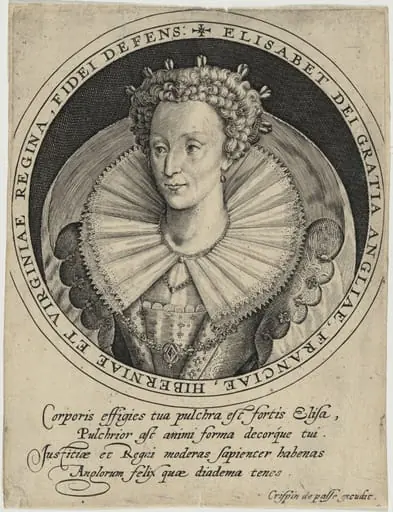
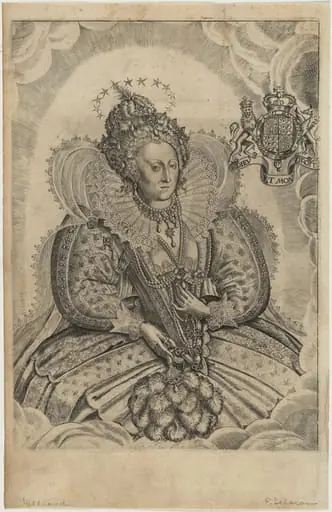
The portrait depicts a female monarch, identified by the crown, scepter, and globe as a ruler exercising both temporal and imperial power. The surrounding inscriptions, placed above and below the figure, function as a visual encomium, praising her governance and reinforcing the legitimacy of her authority. The use of pale skin and dark hair, along with sumptuous lace and jewels, underscores the status and dignity associated with her position.
Technique & Style
Van Voerst employed the traditional engraving method, incising intricate lines into a copper plate to achieve delicate shading and texture. Fine hatching creates the folds of the heavy lace and the subtle modeling of the face, while cross‑hatching renders the dark oval frame and background. The side lighting is suggested through tonal gradations, giving the portrait a three‑dimensional quality within the flat medium of print.
History & Provenance
Created in 1633, the print belongs to the early‑modern period when portrait engravings circulated widely as a means of disseminating royal imagery. Van Voerst, a Dutch engraver active in England, produced several likenesses of the English court, and this work likely served both decorative and propagandistic purposes. Surviving copies are found in several European collections, indicating its distribution among contemporary patrons and later collectors.
Artist & collection