Artwork
James, Second Marquis of Hamilton
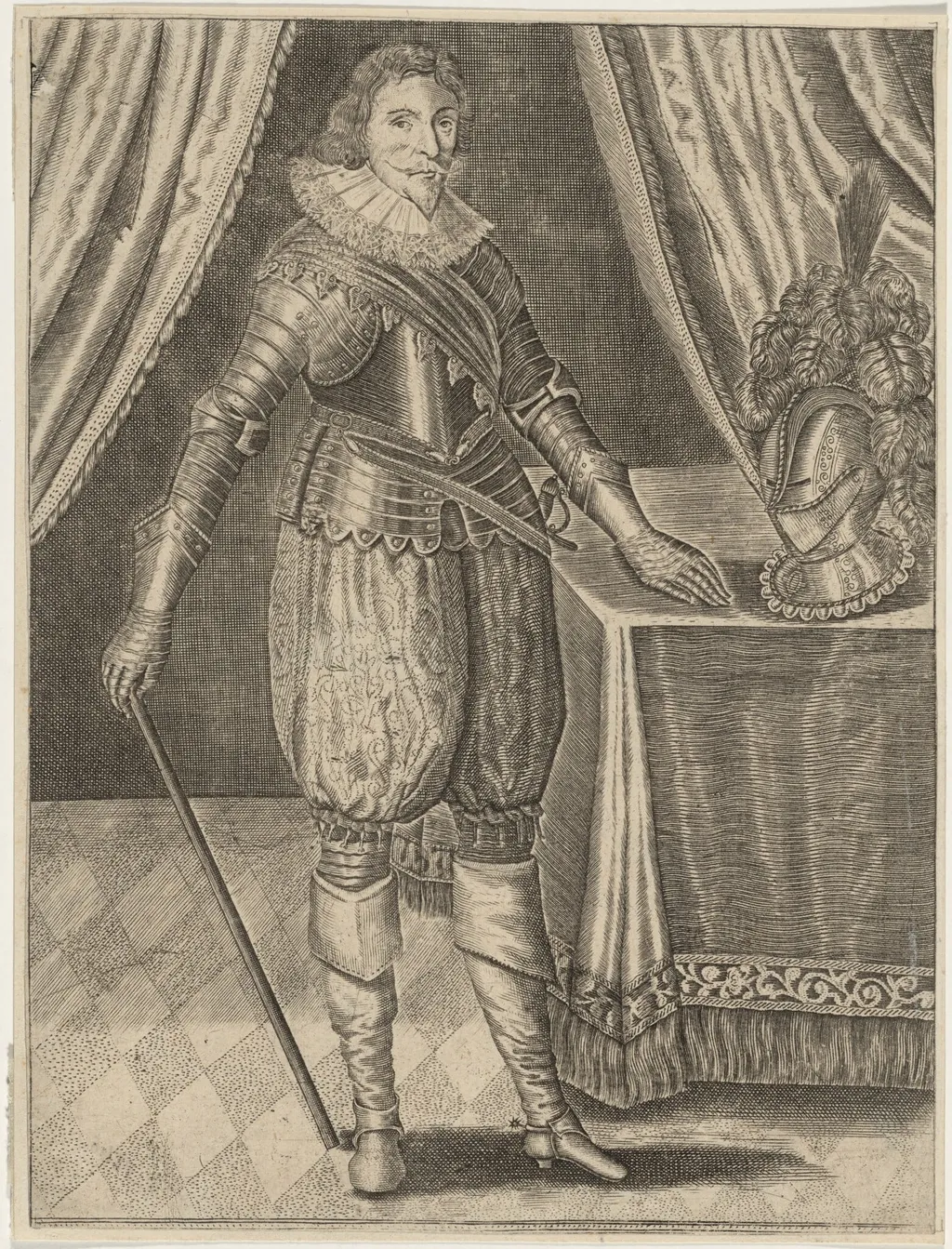
James, Second Marquis of Hamilton is an ink print by the Baroque artist Martin Droeshout. It dates from 1623 and is held in the collection of the National Gallery of Art.
About this work
Overview
This 1623 engraving by Martin Droeshout depicts James Hamilton, the Second Marquis of Hamilton, in formal military attire.
This 1623 engraving by Martin Droeshout depicts James Hamilton, the Second Marquis of Hamilton, in formal military attire. Executed in the intaglio technique, the print captures the subject with precise linear detail and tonal contrast. The composition emphasizes his status through symbolic elements: armor, a ceremonial sword, and a family coat of arms. The image was likely produced for circulation among nobility or as a record of lineage.
Subject & Meaning
James Hamilton is portrayed not as an active warrior but as a nobleman in repose, his posture conveying authority rather than movement. The heavy armor suggests military rank, while the embroidered coat reflects aristocratic wealth. The shield bearing his family’s heraldry reinforces lineage and inherited status. His serious expression and stillness convey dignity, aligning with early 17th-century ideals of noble comportment.
Technique & Style
Droeshout employed engraving, a method involving incised lines on a metal plate to hold ink. Fine, controlled strokes model the textures of armor, fabric, and curtain folds, while cross-hatching creates deep shadows that define volume. The composition is tightly framed by drapery, focusing attention on the figure. The style is precise and restrained, typical of English portraiture of the period, prioritizing clarity over expressive flourish.
History & Provenance
Created in 1623, the engraving was likely commissioned to commemorate Hamilton’s position at court or to accompany official documents. Droeshout, known for his portrait engravings, was active in London and had connections to the Stuart court. The print may have been distributed to allies or used in genealogical records. Its survival suggests it was valued as a representation of noble identity during a politically turbulent era.
Context
In early 17th-century Britain, engraved portraits served as tools of political and familial representation, especially before widespread photography. Hamilton, a key Scottish noble with influence at the English court, would have been a subject of interest. The engraving reflects the fusion of Scottish and English aristocratic culture under James I, where heraldic symbols and formal portraiture reinforced social hierarchy and dynastic continuity.
Legacy
The engraving remains a documented example of Droeshout’s portraiture and a visual record of Hamilton’s public image. It contributes to the study of how nobility used print media to assert status in the pre-modern era. While not widely reproduced today, it holds archival value for historians examining the visual language of early Stuart aristocracy and the role of engraving in elite self-representation.
Artist & collection

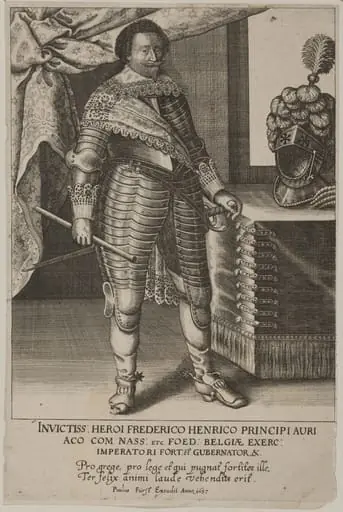 Frederick Henry of Nassau
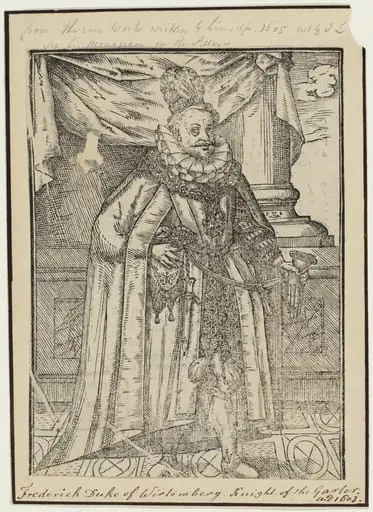 Frederick I, Duke of Wurtemberg
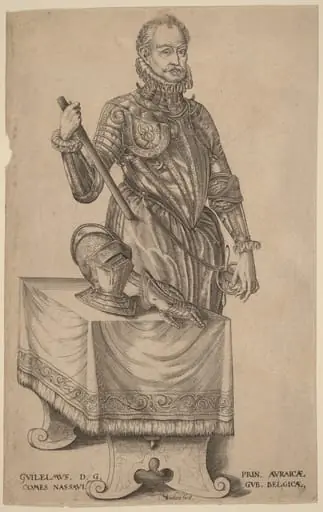 William of Nassau, Prince of Orange
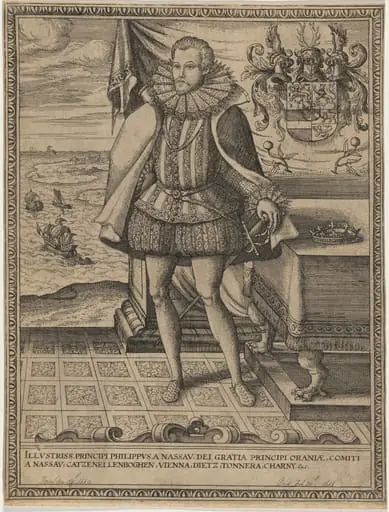 Philip William, Prince of Nassau
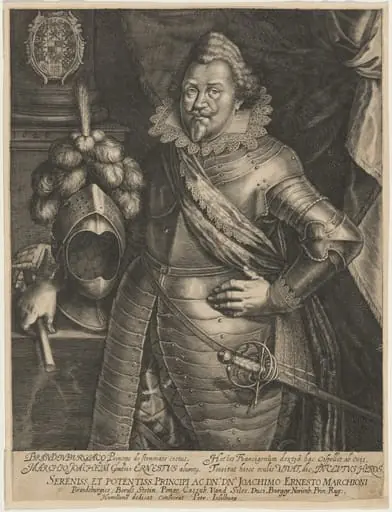 Joachim Ernest, Elector of Brandenburg
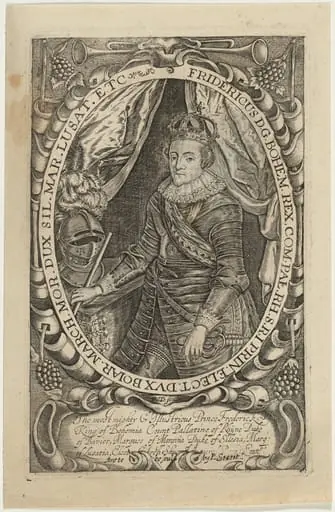 Fredericus D.G. Bohem. Rex (Frederick V, Kingof Bohemia)
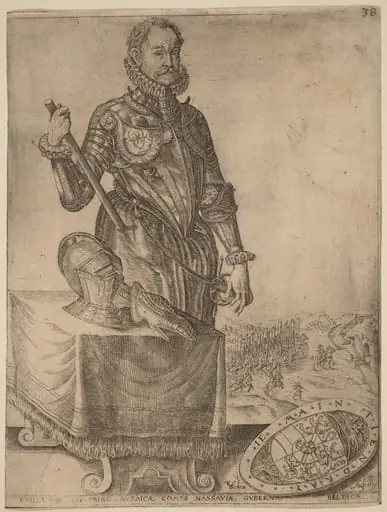 William of Nassau, Prince of Orange
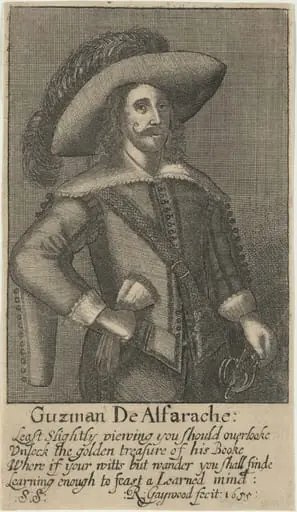 Guzman de Alfarache
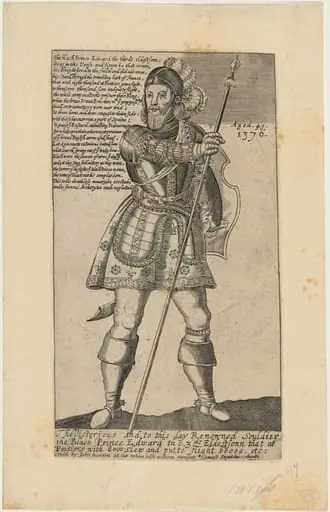 Edward, the Black Prince at the Age of 49
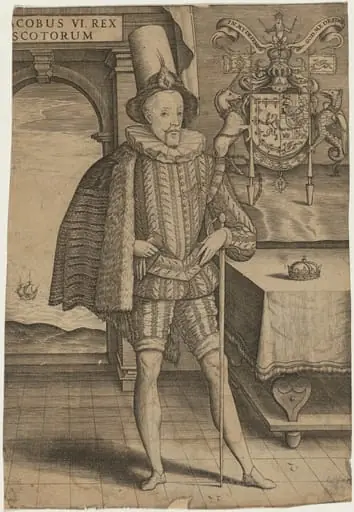 James I of England and James VI of Scotland
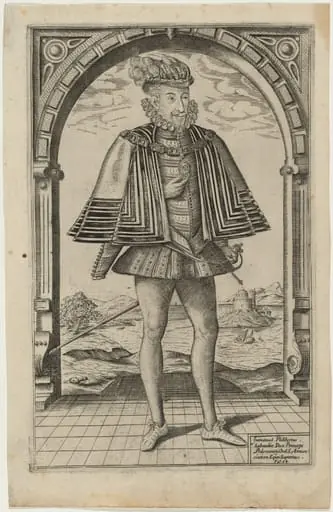 Emmanuel Philibert of Savoy
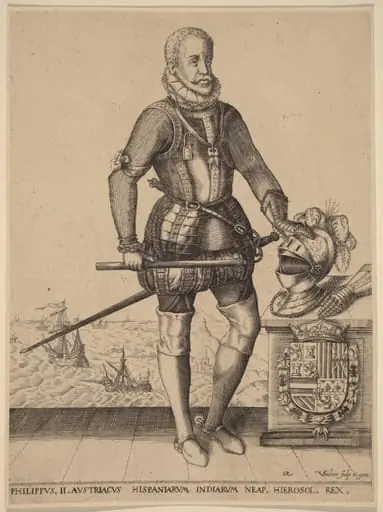 Philip II, King of Spain