Artwork
A Cook
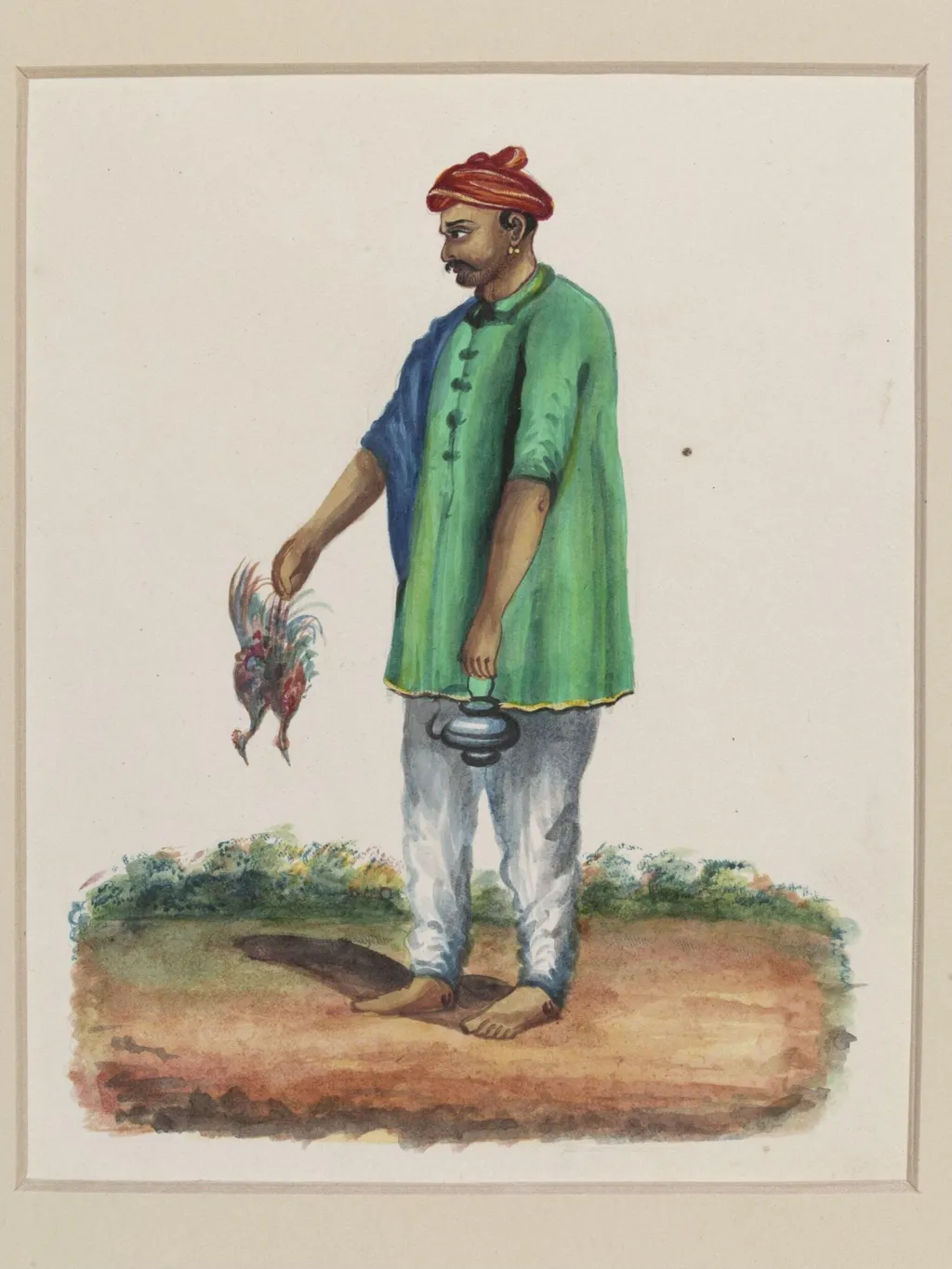
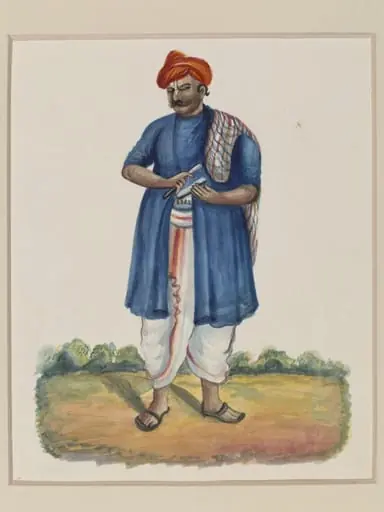
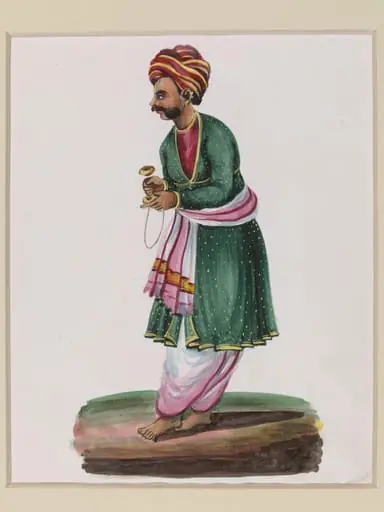
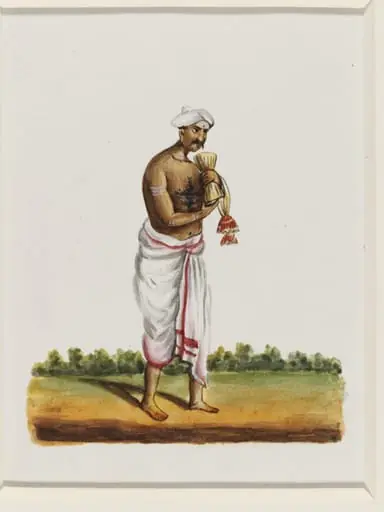
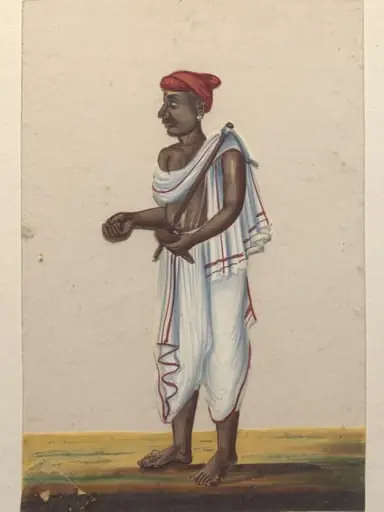
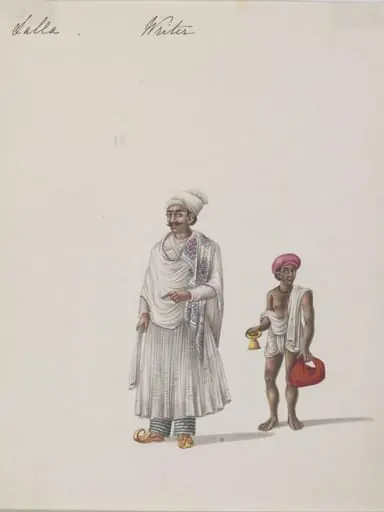
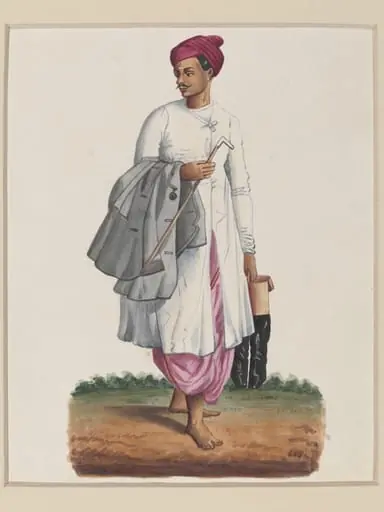
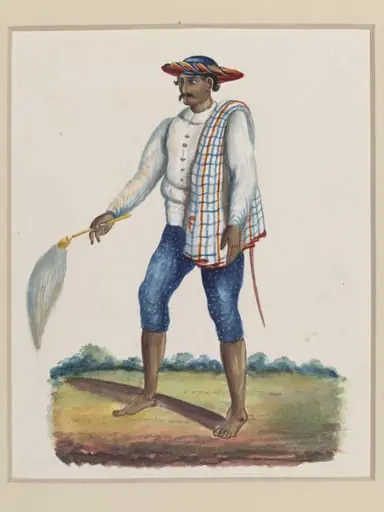
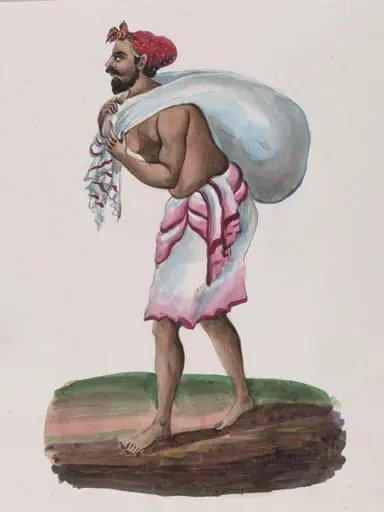
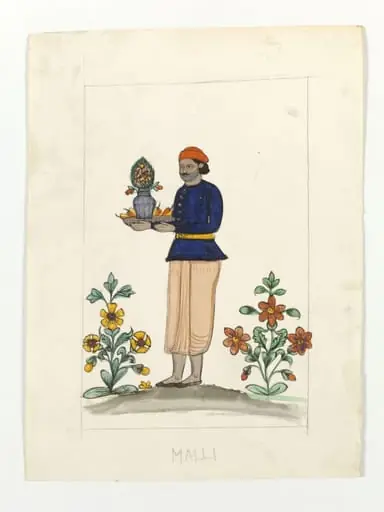
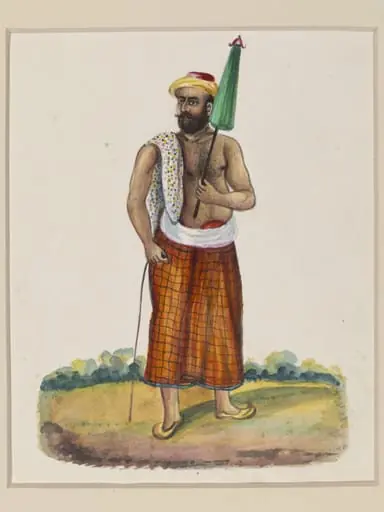
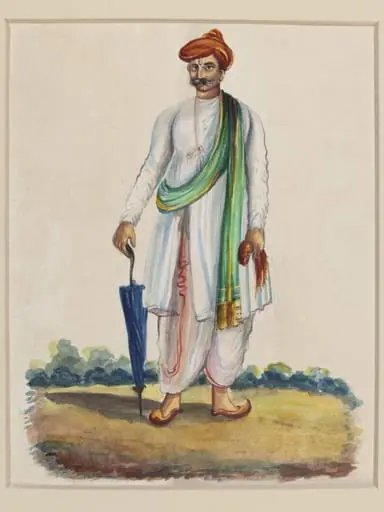
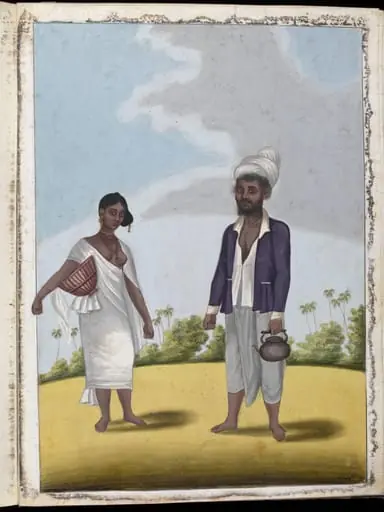
A Cook is a watercolor work on paper by the Impressionist artist Unknown. It dates from 1860 and is held in the collection of the Victoria and Albert Museum. This watercolour is one of fifteen works created in 1860 in Trichinopoly, South India, as part of a series documenting local occupations.
About this work
Overview
The subject is a laborer engaged in a routine task, rendered with restrained detail and muted tones, emphasizing everyday life over idealization.
This watercolour is one of fifteen works created in 1860 in Trichinopoly, South India, as part of a series documenting local occupations. Executed by an Indian artist under British patronage, it reflects a transitional style blending indigenous techniques with European naturalism. The subject is a laborer engaged in a routine task, rendered with restrained detail and muted tones, emphasizing everyday life over idealization.
Subject & Meaning
The figure, a bearer or servant, holds a dead bird by its legs, suggesting a role tied to provisioning or hunting. His bare feet and simple attire indicate modest social standing. The bird’s vivid plumage contrasts with the plainness of the man’s expression and surroundings, drawing attention to the quiet dignity of labor. The scene avoids narrative drama, instead presenting a moment of unembellished routine.
Technique & Style
The painting employs soft watercolour washes with minimal shading, creating a delicate, atmospheric effect. Outlines are faint, and forms are suggested rather than sharply defined. The background is sparse—a single hill and patch of earth—focusing attention on the figure. The palette is subdued, with restrained use of red, blue, and green, reflecting a move toward observational realism over decorative convention.
History & Provenance
Produced during the height of British East India Company influence, the series was commissioned to record regional customs and occupations. These works, known as 'company paintings,' were made by local artists for European patrons seeking ethnographic documentation. This piece originated in Trichinopoly, a cultural crossroads where Indian artistic traditions adapted to colonial tastes and visual expectations.
Context
In mid-19th century South India, traditional miniature painting gave way to more naturalistic styles under British influence. Artists trained in indigenous methods began incorporating perspective, light, and anatomical accuracy to meet colonial demands for documentary accuracy. This work exemplifies that shift—neither fully Western nor purely traditional, it occupies a middle ground shaped by cross-cultural exchange.
Legacy
The series contributes to the historical record of colonial-era visual culture, offering insight into how Indian artists negotiated artistic autonomy under foreign patronage. While largely overlooked in mainstream art history, these works remain valuable for their unvarnished depiction of daily life and their role in the evolution of modern Indian painting traditions.
Artist & collection

 Domestic Scene
 Giacomo and Cardinal Marco, investing Andrea, Abbot of San Zeno, with his Benefice
 The Nymph of Fontainebleau
 Portrait of a Woman
 Madonna and Child with Saints in the Enclosed Garden
 Venus and Minerva
 Family Group of Four on Sofa
 Wall painting from Room H of the Villa of P. Fannius Synistor at Boscoreale