Artwork
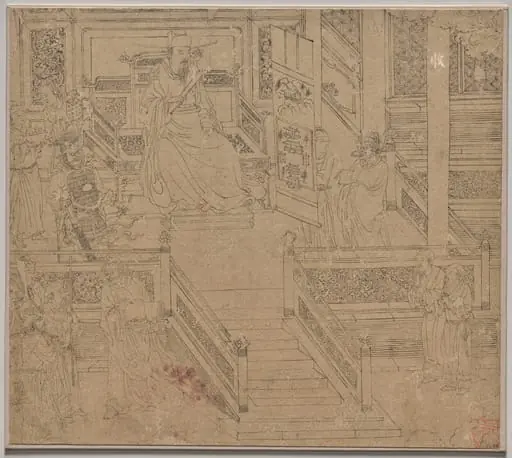
Album of Daoist and Buddhist Themes: Kings of Hells: Leaf 40
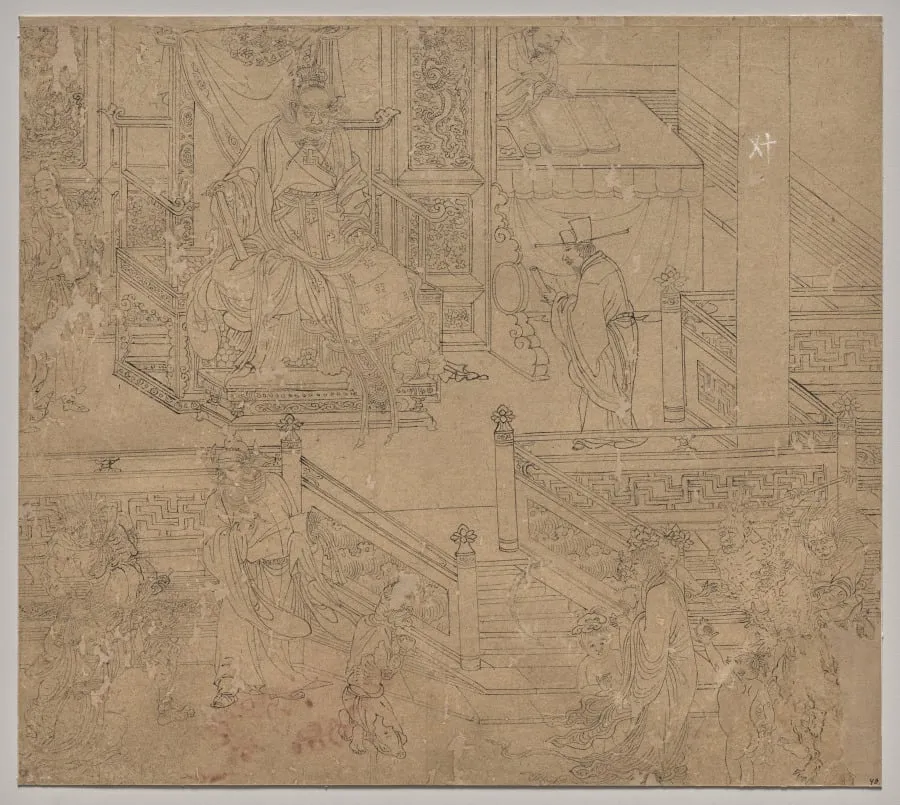
Album of Daoist and Buddhist Themes: Kings of Hells: Leaf 40 is an unspecified painting by the Ming dynasty painting artist Unknown. It dates from 1204 and is held in the collection of the Cleveland Museum of Art. This album comprises fifty painted leaves, likely produced in a 13th-century Chinese studio as instructional material for apprentices.
About this work
You see a crowded scene of judges in tall hats and flowing robes, each pointing at a naked soul who is being boiled, sawed, or crushed under boulders.
You see a crowded scene of judges in tall hats and flowing robes, each pointing at a naked soul who is being boiled, sawed, or crushed under boulders.
This is one page from a training album used in a 1200s Chinese workshop. Fifty leaves were painted so apprentices could copy the faces, poses, and punishments when the studio got real temple jobs. The judges are the Ten Kings of Hell, Buddhist officials who decide how long each sinner suffers.
Look up more paintings from china, southern song dynasty (1127-1279) to see how artists showed divine justice.
Overview
This album comprises fifty painted leaves, likely produced in a 13th-century Chinese studio as instructional material for apprentices. It organizes religious imagery into three thematic sections: Daoist deities, Buddhist hell judges, and mythic battles. The fourth leaf of the hell sequence depicts the Ten Kings of Hell presiding over torments, rendered with precise detail to guide replication in devotional art commissions.
Subject & Meaning
The Ten Kings of Hell are Buddhist celestial magistrates who judge the dead and assign punishments based on moral conduct in life. Each king oversees a specific torment—boiling, sawing, or crushing—corresponding to sins committed. The naked souls before them symbolize vulnerability before divine judgment, reflecting Buddhist teachings on karma and moral accountability in the afterlife.
Technique & Style
The painting employs fine ink lines and restrained color to delineate elaborate robes, facial expressions, and violent scenes with clarity. Figures are arranged in dense, hierarchical compositions, emphasizing authority and order. The style reflects Southern Song academic traditions, prioritizing narrative legibility over emotional drama, suitable for copying by trainees in workshop settings.
History & Provenance
Created between 1127 and 1279, likely in a workshop associated with temple art production, the album served as a reference for artisans commissioned to decorate religious spaces. Its survival suggests it was valued as a pedagogical tool rather than a devotional object. No single artist is credited, indicating collaborative studio practice common in the period.
Context
During the Southern Song dynasty, religious painting flourished as Buddhism and Daoism influenced public ritual and private devotion. Workshops produced standardized imagery for temples, ensuring doctrinal consistency. This album reflects a system where artistic training was tied to religious instruction, blending visual precision with spiritual instruction.
Legacy
The album preserves a rare glimpse into medieval Chinese artistic pedagogy, demonstrating how religious iconography was transmitted through visual models. Its structure influenced later temple murals and illustrated scriptures. Though not widely known outside specialist circles, it remains a key document for understanding the mechanics of religious art production in pre-modern China.
Artist & collection

 Domestic Scene
 Giacomo and Cardinal Marco, investing Andrea, Abbot of San Zeno, with his Benefice
 The Nymph of Fontainebleau
 Portrait of a Woman
 Madonna and Child with Saints in the Enclosed Garden
 Venus and Minerva
 Family Group of Four on Sofa
 Wall painting from Room H of the Villa of P. Fannius Synistor at Boscoreale
 Album of Daoist and Buddhist Themes: Kings of Hells: Leaf 34
 Album of Daoist and Buddhist Themes: Kings of Hells: Leaf 36
 Album of Daoist and Buddhist Themes: Kings of Hells: Leaf 33
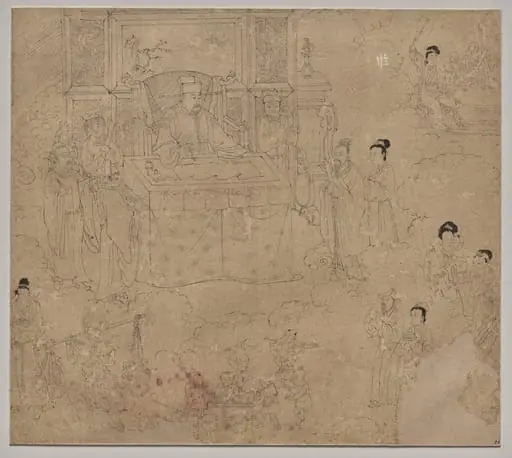 Album of Daoist and Buddhist Themes: Kings of Hells: Leaf 28
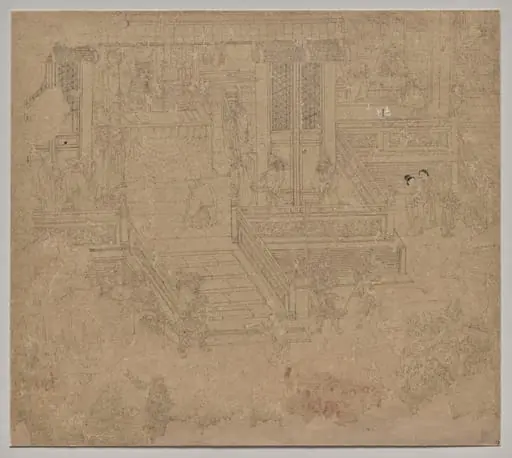 Album of Daoist and Buddhist Themes: Kings of Hells: Leaf 37
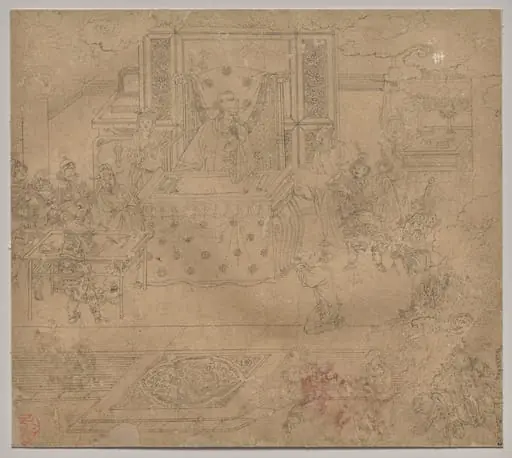 Album of Daoist and Buddhist Themes: Kings of Hells: Leaf 30
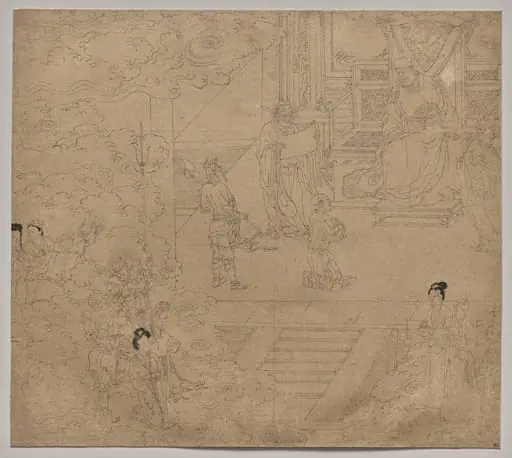 Album of Daoist and Buddhist Themes: Kings of Hells: Leaf 32
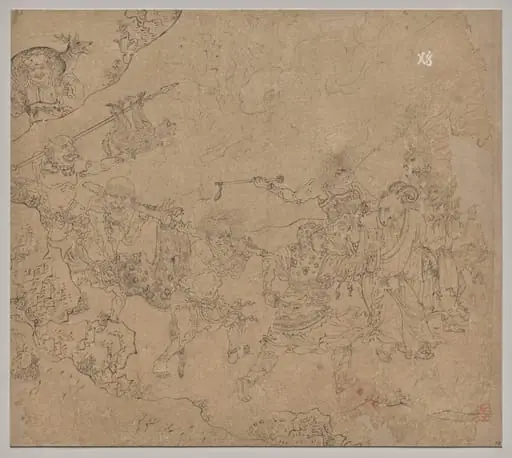 Album of Daoist and Buddhist Themes: Search the Mountain: Leaf 45
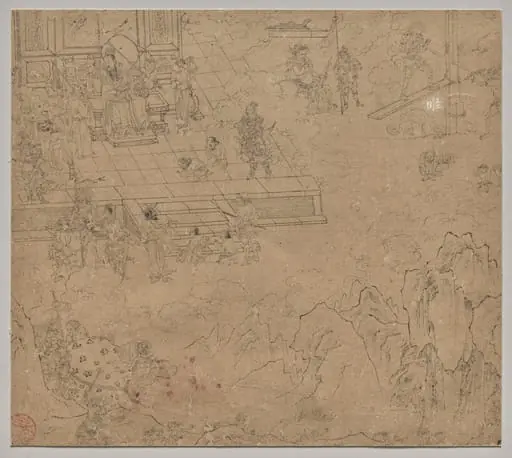 Album of Daoist and Buddhist Themes: Kings of Hells: Leaf 39
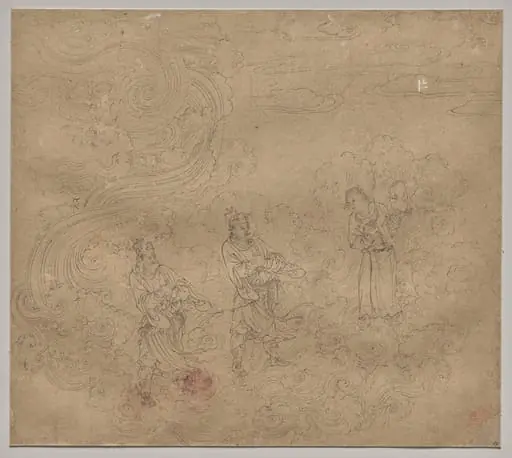 Album of Daoist and Buddhist Themes: Procession of Daoist Deities: Leaf 17
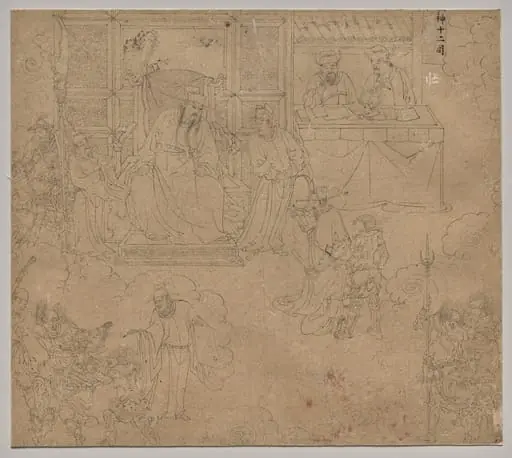 Album of Daoist and Buddhist Themes: Kings of Hells: Leaf 27
 Album of Daoist and Buddhist Themes: Kings of Hells: Leaf 29