Artwork
Bruiser of grain
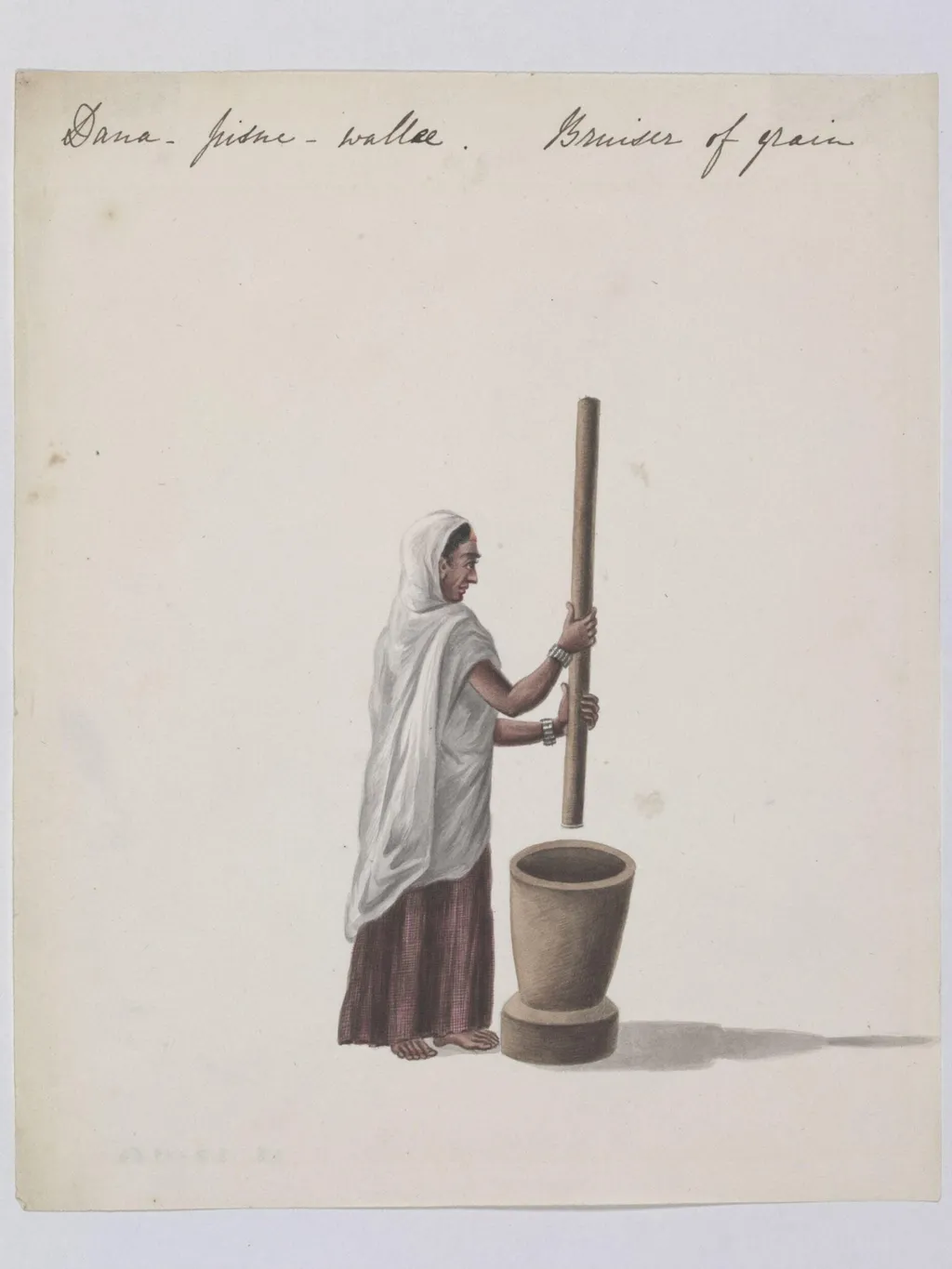
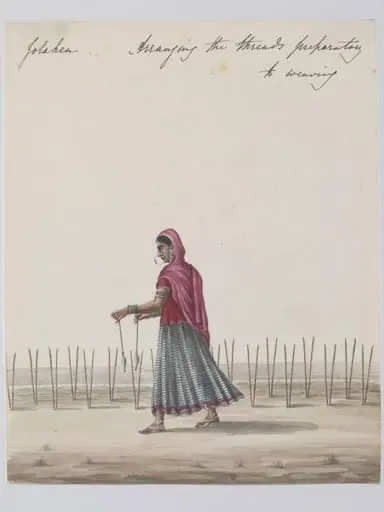
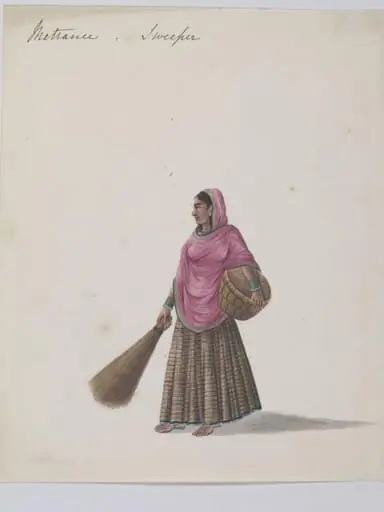
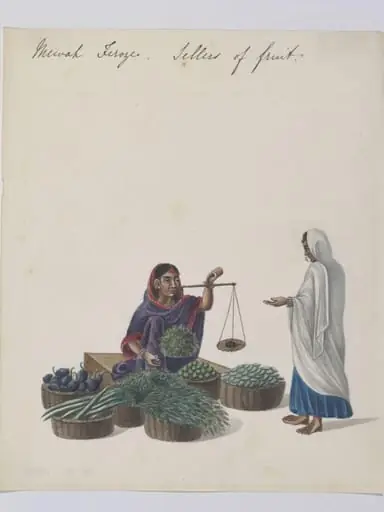
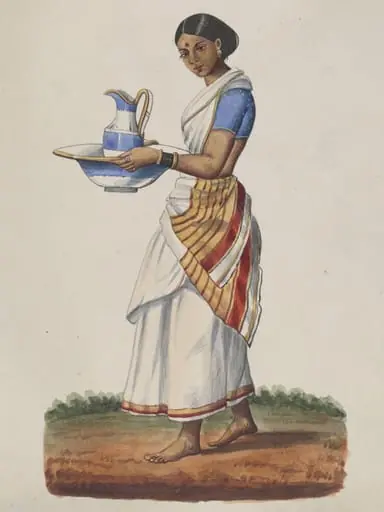
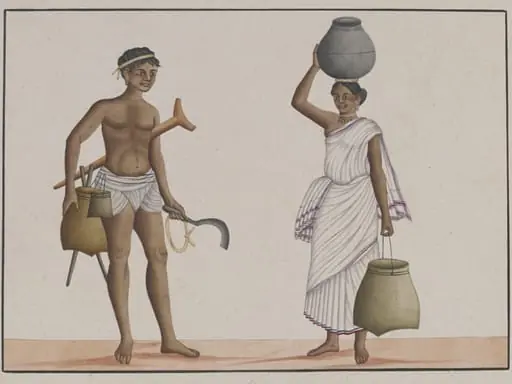
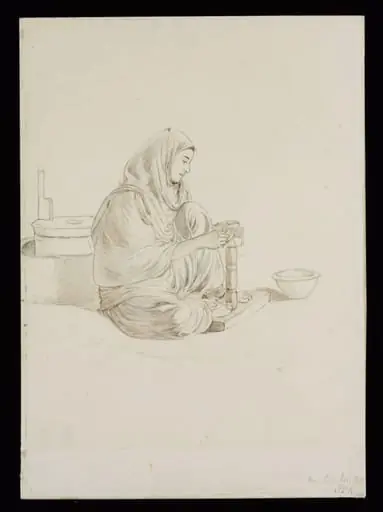
Bruiser of grain is a paint painting by the Realist artist Unknown. It dates from 1826 and is held in the collection of the Victoria and Albert Museum. This 1826 drawing is one of thirty-five in a series depicting everyday labor in pre-industrial society.
About this work
Overview
The artist remains unidentified, but the work reflects a deliberate effort to record common occupational routines.
This 1826 drawing is one of thirty-five in a series depicting everyday labor in pre-industrial society. Executed in ink or pencil on paper, it portrays a woman engaged in the physical act of grinding grain. The artist remains unidentified, but the work reflects a deliberate effort to record common occupational routines. Its modest scale and unadorned style align with documentary rather than decorative intent.
Subject & Meaning
The figure is shown wielding a heavy wooden pestle over a deep mortar, a task requiring sustained strength and rhythm. The title, 'Bruiser of grain,' underscores the labor’s repetitive, unglamorous nature. Dressed in a light head covering and striped skirt, she is rendered without idealization, emphasizing her role as a worker rather than a symbol. The scene captures a domestic chore essential to daily sustenance.
Technique & Style
The artist uses restrained lines and muted tones to focus attention on the figure’s posture and motion. Background elements are omitted, eliminating distraction and reinforcing the isolation of the task. Soft, even lighting suggests an interior space, likely a home or communal workspace. The simplicity of the medium—likely ink or graphite—enhances the drawing’s immediacy and functional character.
History & Provenance
The drawing originated in a collected series of occupational studies from early 19th-century Europe, possibly compiled for educational or ethnographic purposes. It entered institutional holdings through donation or acquisition, though its exact path to the Victoria and Albert Museum is undocumented. Its survival reflects a growing 19th-century interest in preserving records of vanishing manual trades.
Context
Created during a period of industrial transition, the series contrasts emerging mechanization with enduring manual labor. These drawings were not commissioned by elites but likely produced for public or institutional archives. They document work that was invisible in fine art, offering a counter-narrative to romanticized depictions of rural life prevalent at the time.
Legacy
Though unsigned and uncelebrated in its time, the drawing contributes to a broader archive of labor history. It informs modern understandings of gendered work, pre-industrial economies, and the visual documentation of everyday life. Its preservation in a major museum ensures its continued relevance as a quiet testament to unseen labor.
Artist & collection

 Domestic Scene
 Giacomo and Cardinal Marco, investing Andrea, Abbot of San Zeno, with his Benefice
 The Nymph of Fontainebleau
 Portrait of a Woman
 Madonna and Child with Saints in the Enclosed Garden
 Venus and Minerva
 Family Group of Four on Sofa
 Wall painting from Room H of the Villa of P. Fannius Synistor at Boscoreale