Artwork
De serenade
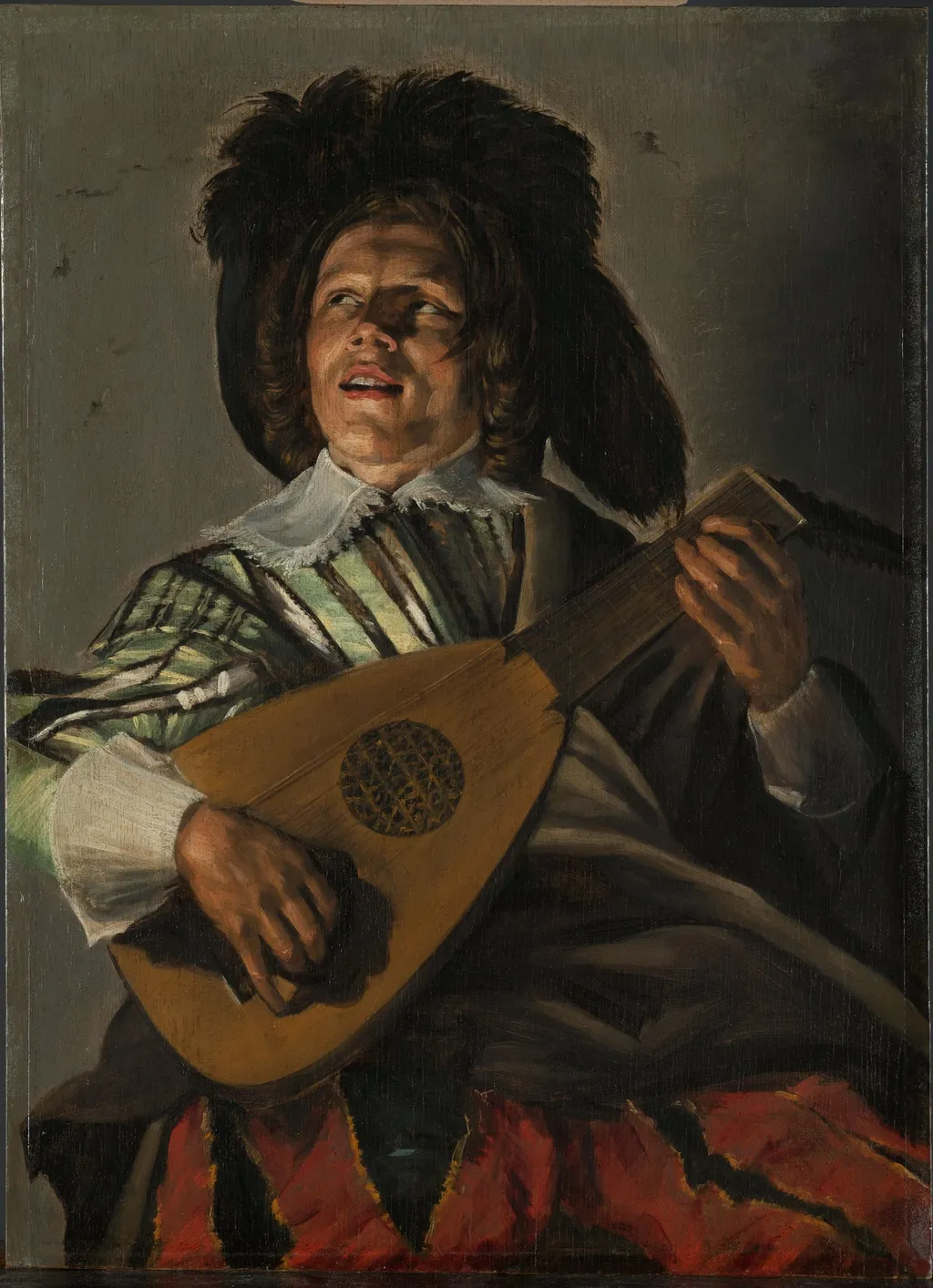
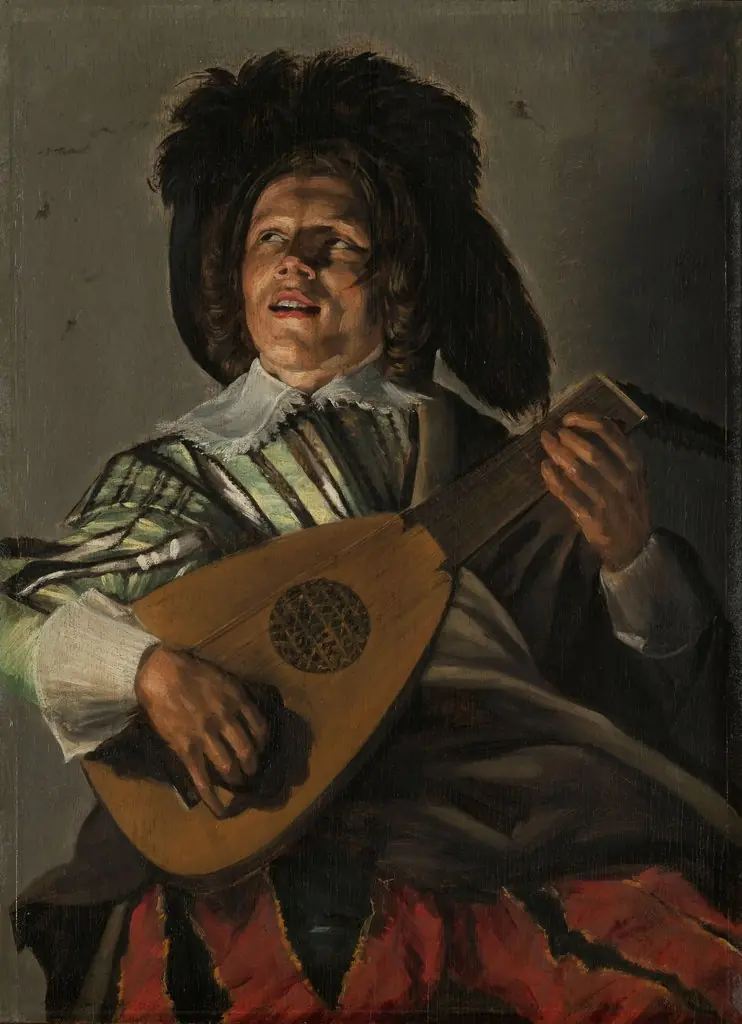
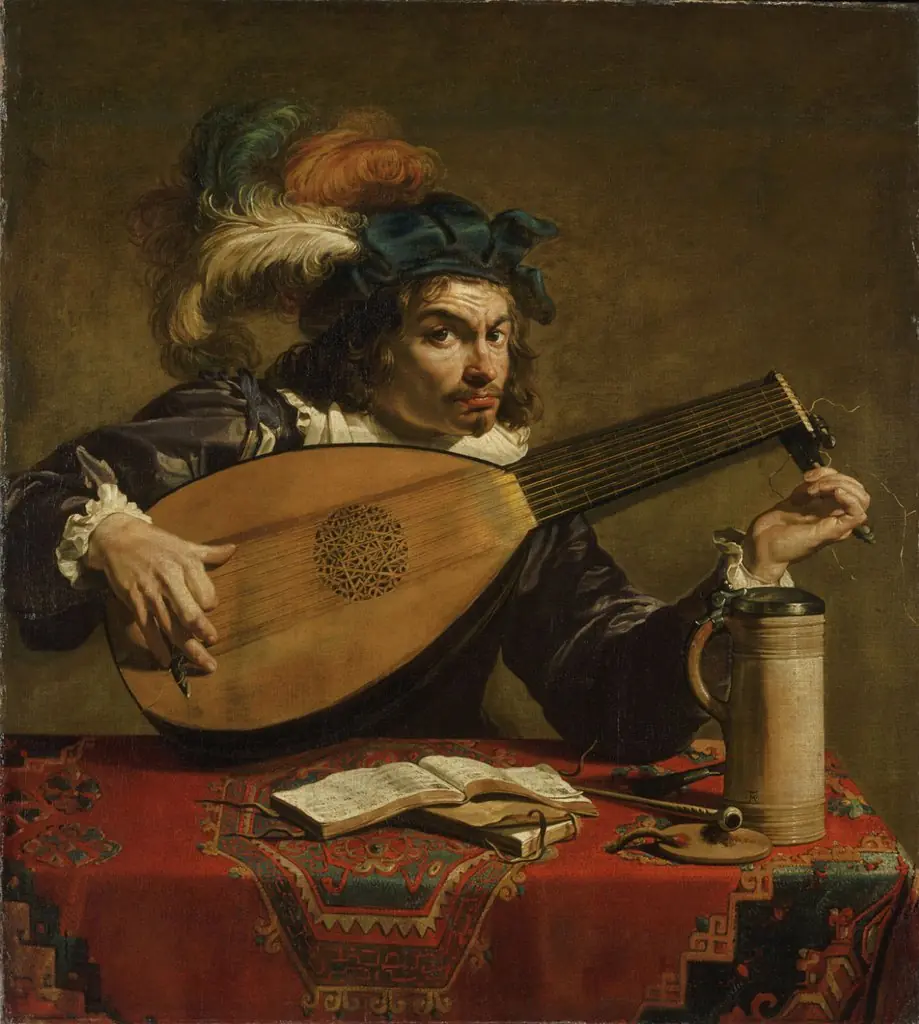
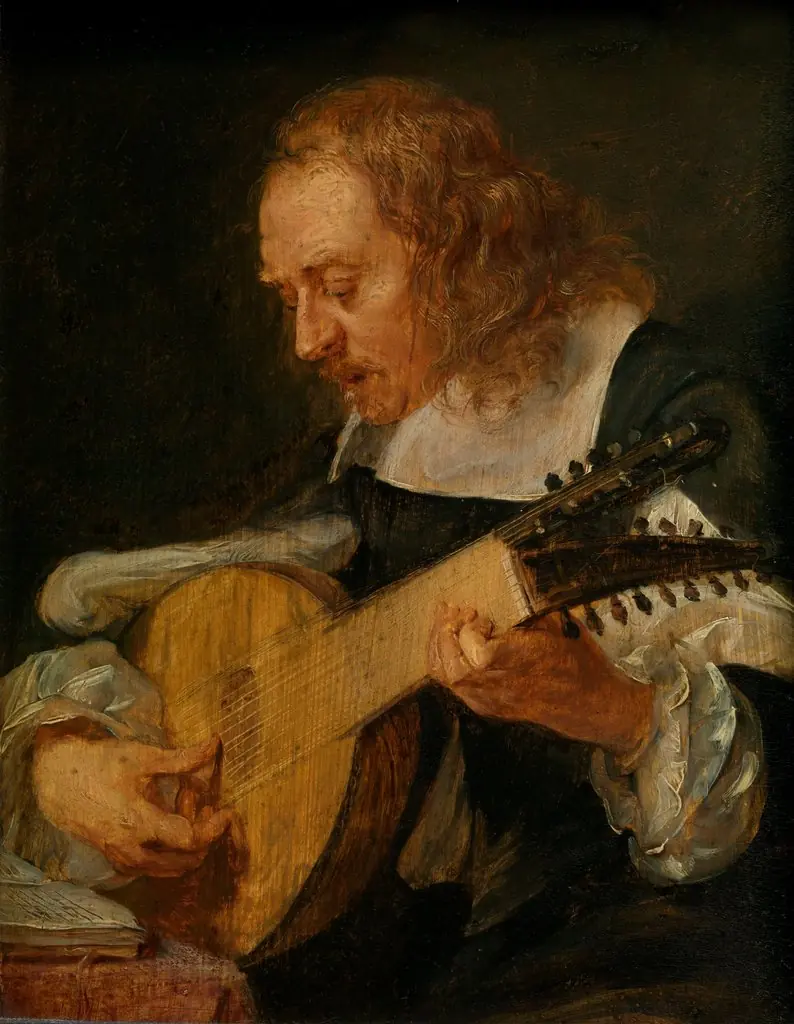
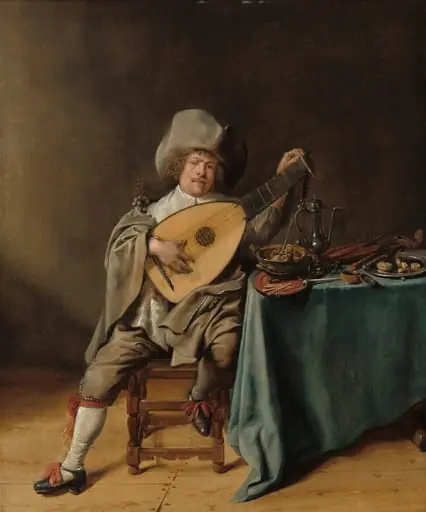
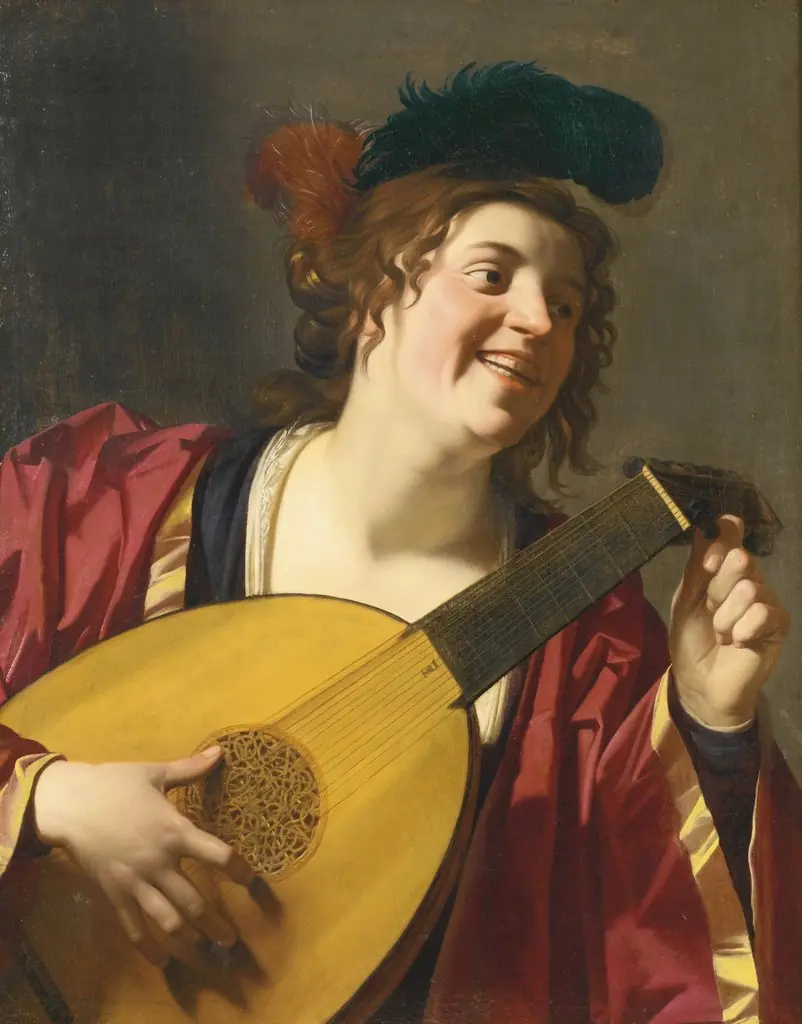
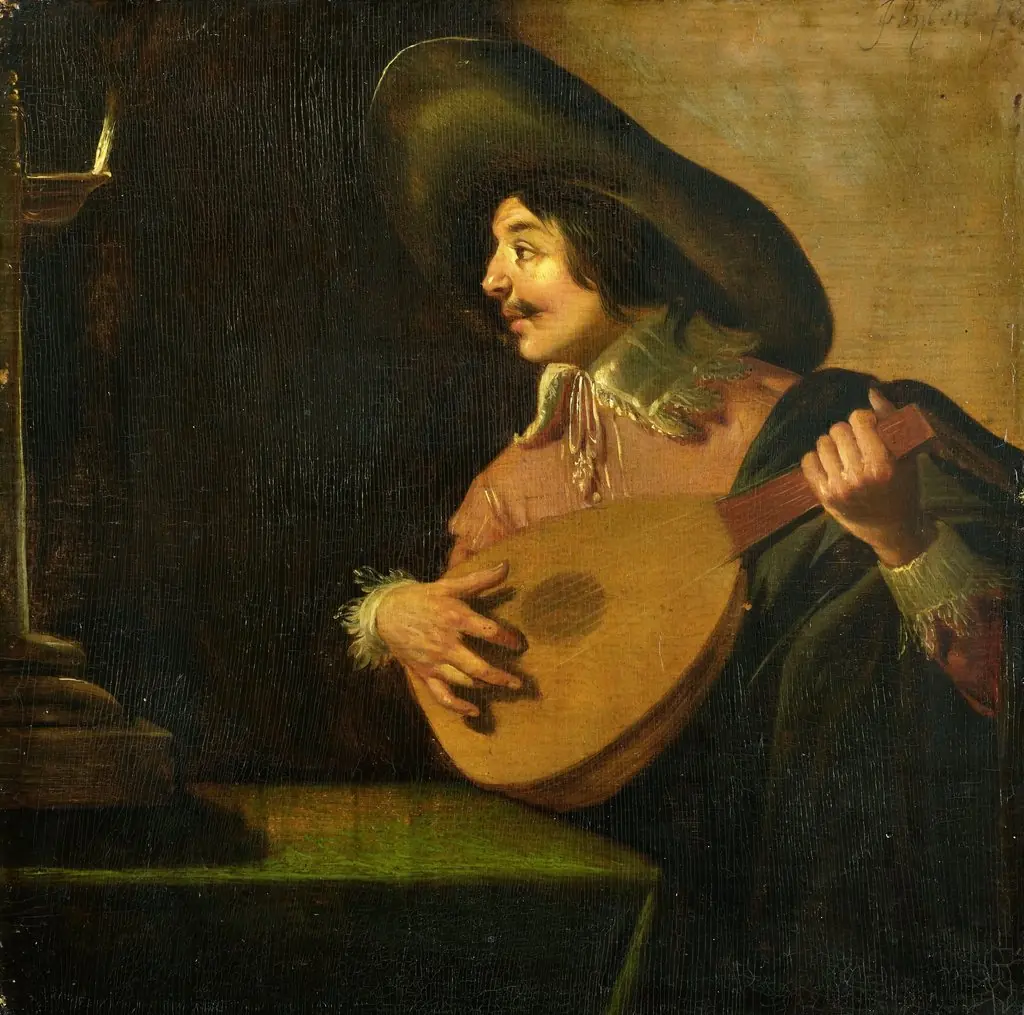
De serenade is an unspecified painting by the Dutch Golden Age artist Unknown. It dates from 1629 and is held in the collection of the Rijksmuseum. This oil painting depicts a male musician, dressed in a red hat and matching breeches, singing while playing a lute.
About this work
Overview
This oil painting depicts a male musician, dressed in a red hat and matching breeches, singing while playing a lute. Warm illumination highlights his figure against a dimly lit interior where muted greens and browns recede, creating a vivid contrast that draws the viewer’s attention to the performer’s attire and instrument.
Subject & Meaning
The work captures a moment of private entertainment, focusing on the act of serenading. The solitary figure, absorbed in music, suggests themes of intimacy and the cultural role of music in 17th‑century Dutch domestic life, inviting contemplation of performance as both personal expression and social pastime.
Technique & Style
Leyster employs pronounced chiaroscuro, using strong light to model the musician’s form while allowing the surrounding space to dissolve into softer shadows. The striking red of the breeches against the subdued greenish background exemplifies her skillful handling of colour to achieve visual emphasis and depth.
History & Provenance
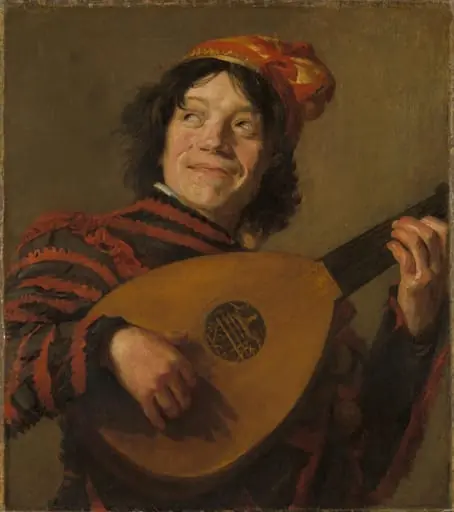
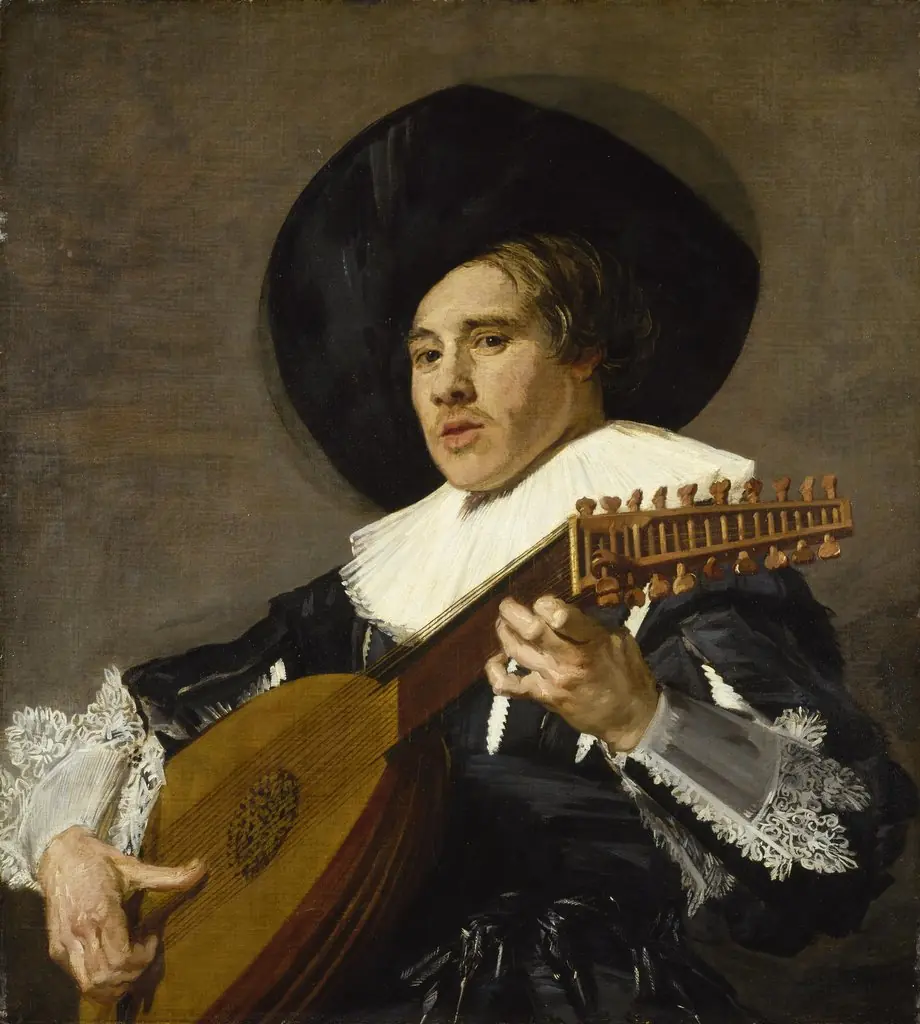
Originally attributed to the Haarlem portraitist Frans Hals, the painting was later reassigned to Judith Leyster after stylistic analysis confirmed her hand. Leyster, admitted to the Haarlem Guild of St Luke in 1633, was the first woman to attain master status in the Dutch Republic, enabling her to run an independent studio and train pupils.
Context
Created during the Dutch Golden Age, the piece reflects the period’s interest in genre scenes that depict everyday activities with realism and subtle moral undertones. Leyster’s focus on a musical subject aligns with contemporary tastes for domestic interiors that celebrate leisure and the arts.
Artist & collection

 Domestic Scene
 Giacomo and Cardinal Marco, investing Andrea, Abbot of San Zeno, with his Benefice
 The Nymph of Fontainebleau
 Portrait of a Woman
 Madonna and Child with Saints in the Enclosed Garden
 Venus and Minerva
 Family Group of Four on Sofa
 Wall painting from Room H of the Villa of P. Fannius Synistor at Boscoreale