Artwork
Depictions of Chukor partridge and Impeyan pheasant of Northern India
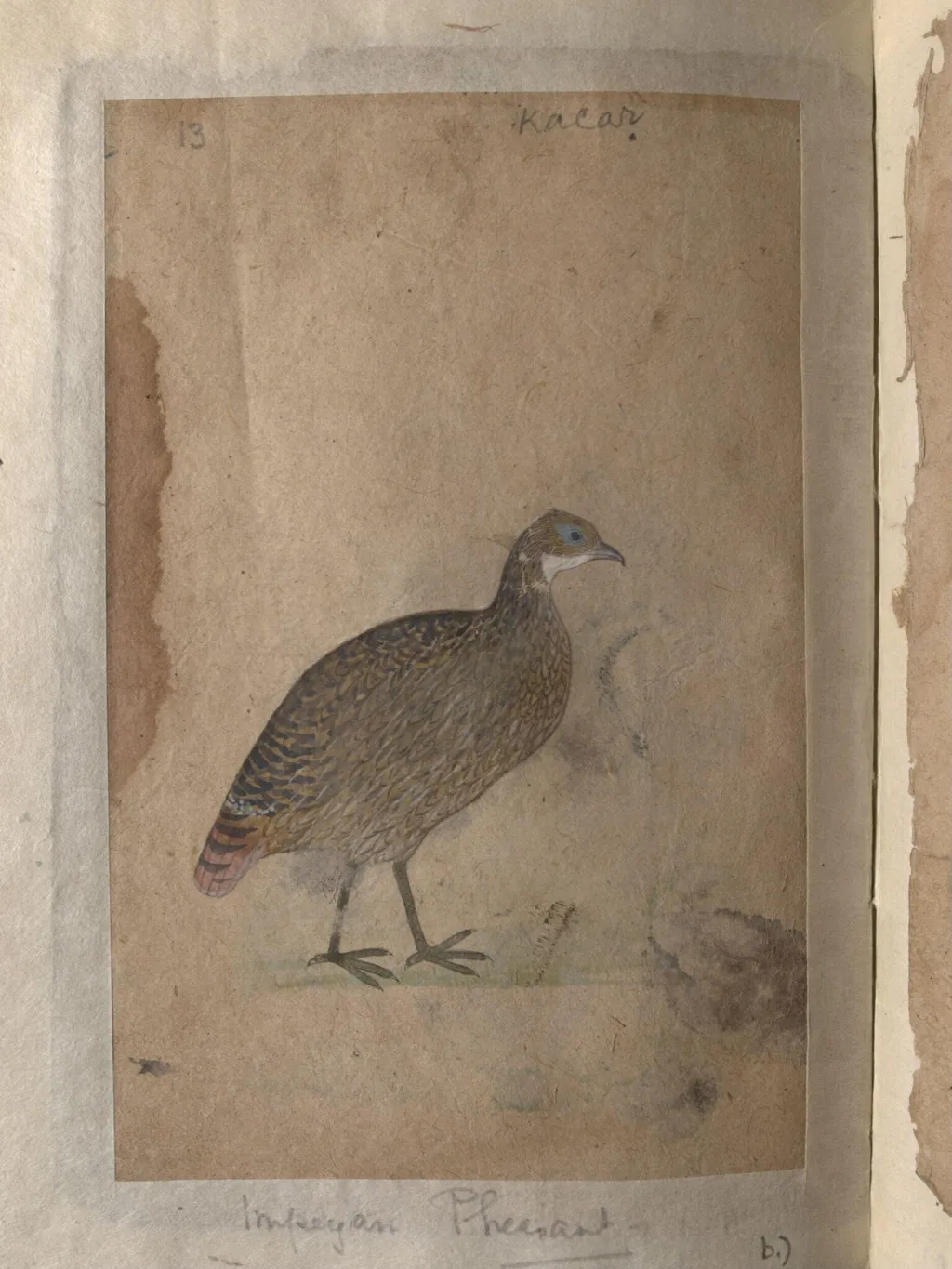
Depictions of Chukor partridge and Impeyan pheasant of Northern India is a paint painting by the Patna School of Painting artist Unknown. It dates from 1820 and is held in the collection of the Victoria and Albert Museum.
About this work
This watercolor shows two birds, a chunky brown Chukor partridge and a flashy blue Impeyan pheasant, both perched on a branch.
This watercolor shows two birds, a chunky brown Chukor partridge and a flashy blue Impeyan pheasant, both perched on a branch. Details like the partridge’s streaked feathers and the pheasant’s fiery crest look almost real. The soft light suggests early morning in the Himalayas.
Made around 1820, it’s part of the Romantic trend that prized nature’s drama over stiff rules. Artists didn’t sign work like this often, so we don’t know who painted it.
Want to see more? Look up the Victoria and Albert Museum.
Overview
These early‑19th‑century watercolours portray two avian species native to the Himalayan foothills of northern India: the modestly coloured Chukor partridge and the vividly plumaged Impeyan pheasant. Both birds are rendered perched on a slender branch, bathed in a gentle light that suggests a cool morning in a mountainous setting.
Subject & Meaning
The composition contrasts the earthy tones and subtle patterning of the Chukor with the striking blue and orange crest of the Impeyan, highlighting the region’s biodiversity. By placing the two species side by side, the image underscores the ecological variety of the Himalayas and reflects contemporary interest in cataloguing exotic wildlife.
Technique & Style
Executed in watercolor, the work employs fine brushwork to delineate feather texture and delicate washes to convey atmospheric light. The realistic rendering aligns with the Romantic era’s fascination with nature’s drama, favouring observation over the rigid academic conventions that dominated earlier European art.
History & Provenance
Created circa 1820, the sheets entered a public collection in 1929 through the donation of Robert Scott Greenshields, a former officer of the Indian Civil Service who served in Bengal and Assam. The donor’s connection to the region likely facilitated the acquisition of these illustrative studies.
Context
During the early nineteenth century, British officials and naturalists stationed in India frequently commissioned or collected visual records of local fauna. Such illustrations served both scientific documentation and the broader Romantic appetite for exotic subjects, bridging colonial administration and artistic practice.
Artist & collection

 Domestic Scene
 Giacomo and Cardinal Marco, investing Andrea, Abbot of San Zeno, with his Benefice
 The Nymph of Fontainebleau
 Portrait of a Woman
 Madonna and Child with Saints in the Enclosed Garden
 Venus and Minerva
 Family Group of Four on Sofa
 Wall painting from Room H of the Villa of P. Fannius Synistor at Boscoreale
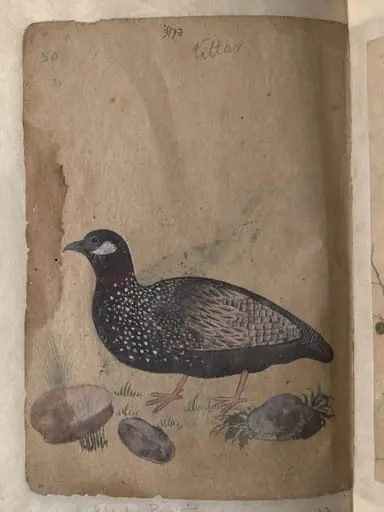 Depictions of Common (or grey) quail and a Black partridge of Northern India
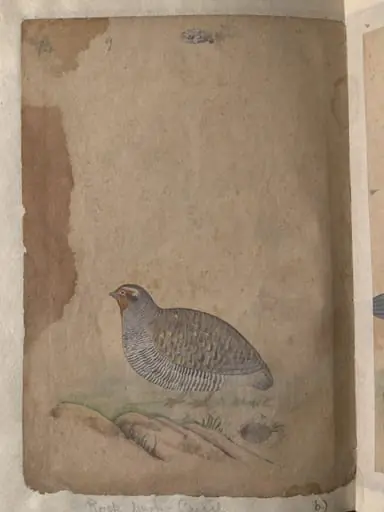 Depictions of a (unfinished drawing) and a Rock bush-quail of Northern India
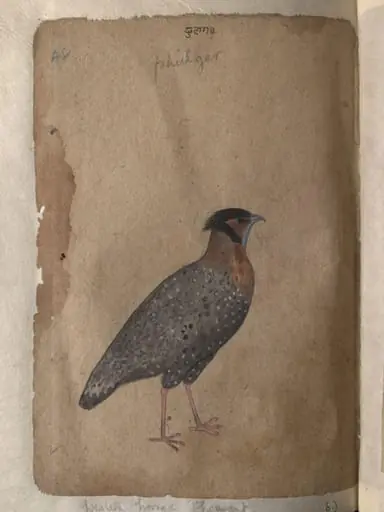 Depictions of Impeyan pheasant (male) and a Western horned pheasant of Northern India
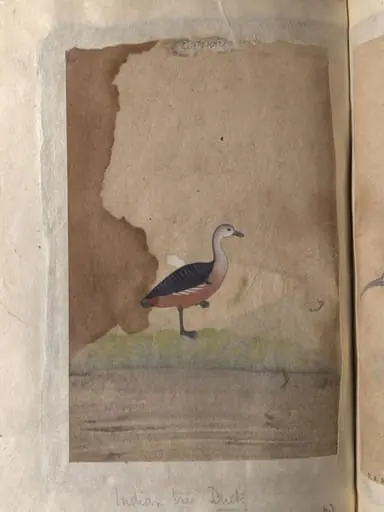 Depictions of a spot-bill duck and an Indian tree duck of Northern India
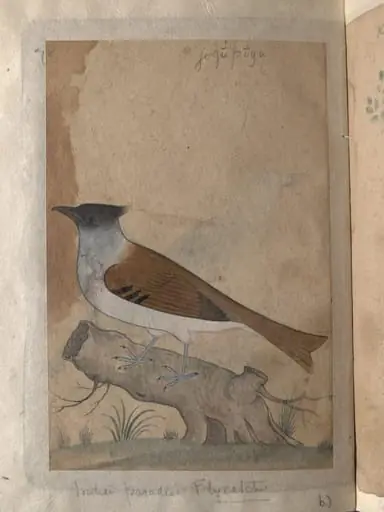 Depictions of Indian house crow and a Indian paradise flycatcher of Northern India
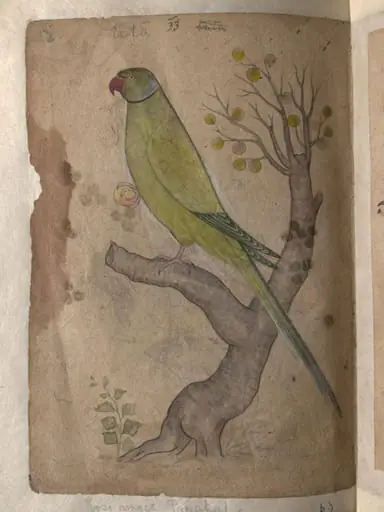 Depictions of Striated scops owl and Rose-ringed parakeet of Northern India
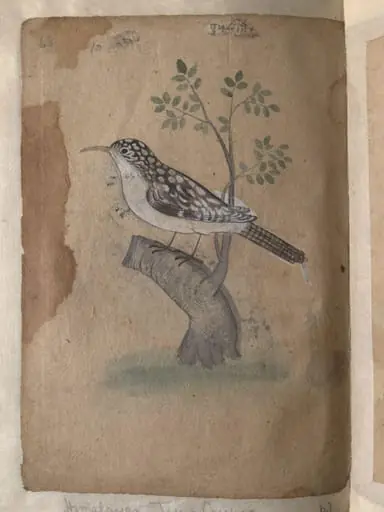 Depictions of a Common Indian myna and a Himalayan tree-creeper of Northern India
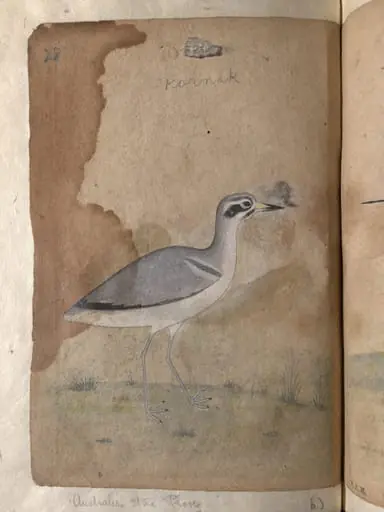 Depictions of a Mallard and Australian black-fronted plover of Northern India
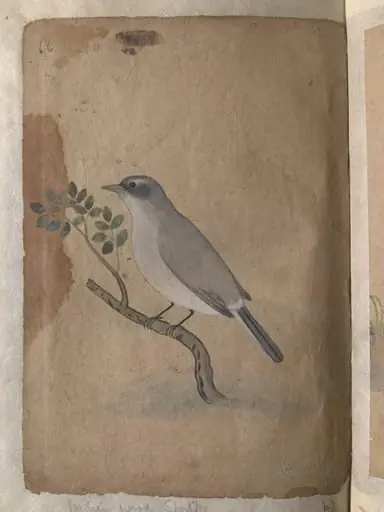 Depictions of a Indian spotted dove and a Common Indian wood-shrike of Northern India
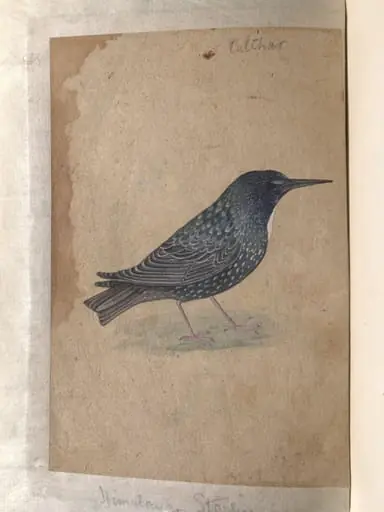 Depictions of white-cheeked bulbul and a Himalayan starling of Northern India
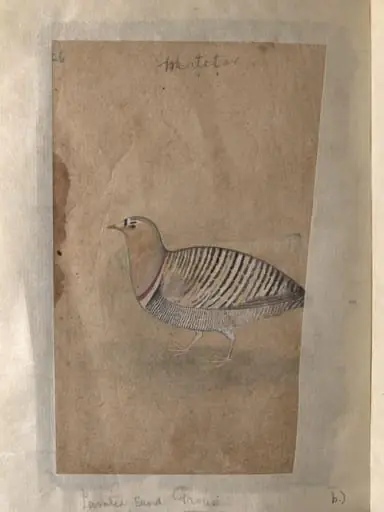 Depictions of a Indian house-sparrow and a Painted sand-grouse (male) of Northern India
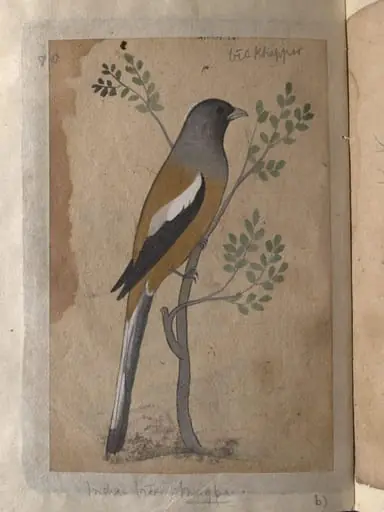 Depictions of a Grey partridge and a Indian tree-pie of Northern India