Artwork
Farfurie de formă tronconică, adâncită, cu buza dreaptă. Decorul este format din motive florale plasate pe interiorul vasului. Smălțuită la interior și la exterior. Cromatică: fond: crem; motive: maro; verde.
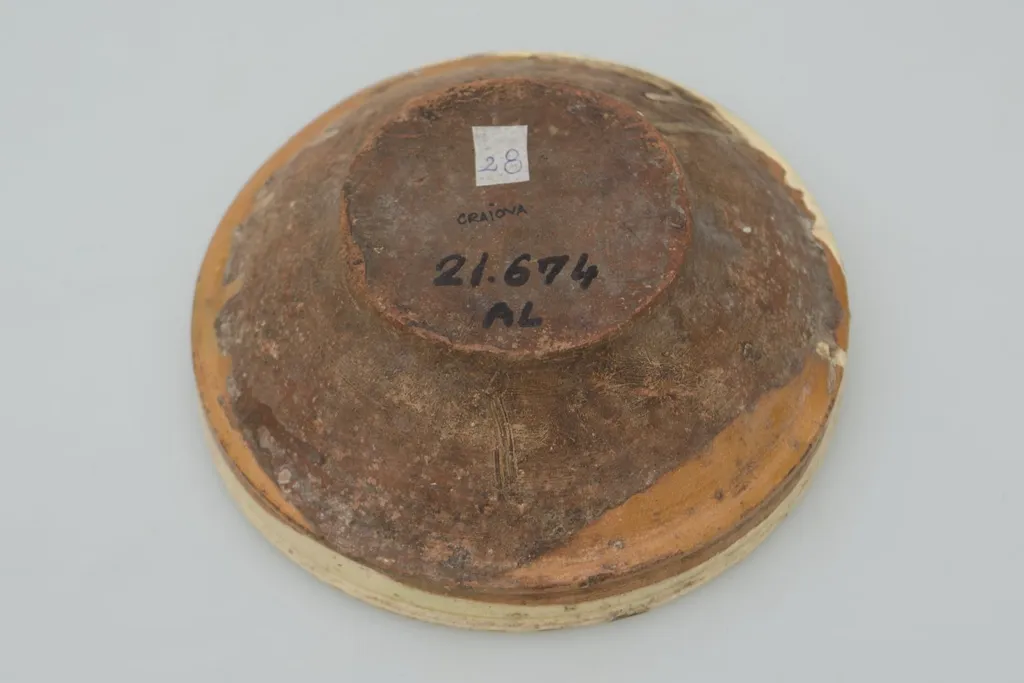
Farfurie de formă tronconică, adâncită, cu buza dreaptă. Decorul este format din motive florale plasate pe interiorul vasului. Smălțuită la interior și la exterior. Cromatică: fond: crem; motive: maro; verde. is a photography by Unknown. It dates from 1850 and is held in the collection of the ASTRA National Museum Complex. A conical ceramic bowl with a deep interior and straight rim, this piece is glazed both inside and out.
About this work
Overview
A conical ceramic bowl with a deep interior and straight rim, this piece is glazed both inside and out. Its surface displays a cream-colored ground with decorative motifs in brown and green, applied within the vessel. A small blue-ink label on the base bears the number "28," along with handwritten annotations "CRAIOVA" and "21.674 AL," indicating cataloging by a collecting institution.
Subject & Meaning
The interior decoration consists of stylized floral patterns, common in regional ceramic traditions of the Balkans. These motifs likely served ornamental rather than symbolic purposes, reflecting local aesthetic preferences rather than religious or narrative content. The simplicity of the design suggests domestic use, possibly for storage or serving food in a rural household setting.
Technique & Style
The vessel was wheel-thrown and coated with a uniform glaze, applied to both interior and exterior surfaces. Pigments in brown and green were painted by hand before firing, producing muted, earthy tones. The craftsmanship is functional yet deliberate, with no evidence of mass production. The glaze shows slight unevenness, consistent with handcrafted, pre-industrial methods.
History & Provenance
The handwritten labels on the base link the bowl to Craiova, a city in southern Romania, and a catalog number likely from a regional ethnographic collection. The notation "21.674 AL" suggests it was documented in a mid-20th-century inventory, possibly by the Museum of Ethnography in Bucharest or a similar institution. Its survival implies preservation as a representative example of folk pottery.
Context
Similar vessels have been found across Oltenia and Muntenia, often distinguished by floral motifs and monochrome glazes.
This bowl aligns with rural Romanian ceramic traditions from the late 19th to early 20th century, where households produced utilitarian wares using locally sourced clay and natural pigments. Similar vessels have been found across Oltenia and Muntenia, often distinguished by floral motifs and monochrome glazes. Its form and decoration reflect a continuity of craft practices before industrial ceramics became widespread.
Legacy
As a documented artifact from a regional collection, this bowl contributes to the study of Romanian folk material culture. It represents a phase of domestic craftsmanship that declined with urbanization and industrialization. Its preservation in institutional archives ensures its role as a reference for understanding pre-modern ceramic production in Southeastern Europe.
Artist & collection

 Domestic Scene
 Giacomo and Cardinal Marco, investing Andrea, Abbot of San Zeno, with his Benefice
 The Nymph of Fontainebleau
 Portrait of a Woman
 Madonna and Child with Saints in the Enclosed Garden
 Venus and Minerva
 Family Group of Four on Sofa
 Wall painting from Room H of the Villa of P. Fannius Synistor at Boscoreale
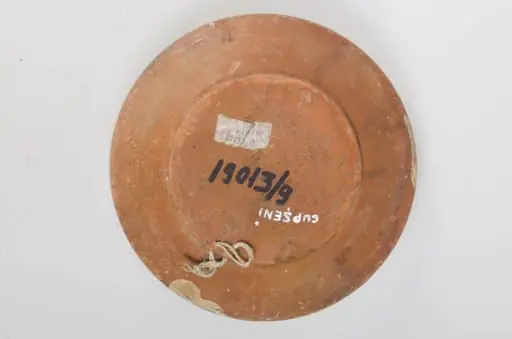 Blid de formă tronconică cu buza îngroșată și ușor răsfrântă, smălțuit (pe interior). Pe zona mediană a vasului, imediat sub buză se identifică un registru continuu format din motive floral-vegetale. De asemenea, pe fundul vasului se identifică un motiv floral-vegetal. Pereții vasului sunt înalți și prezintă un brâu exterior. Se identifică scurgeri de smalț pe exteriorul buzei și degradări ale smalțului în zona buzei. Obiectul este prevăzut cu două orificii pe fundul vasului, pentru agățare. Cromatică: fond: cărămiziu (exterior); alb (interior); motive: alb; verde; maro închis; albastru.
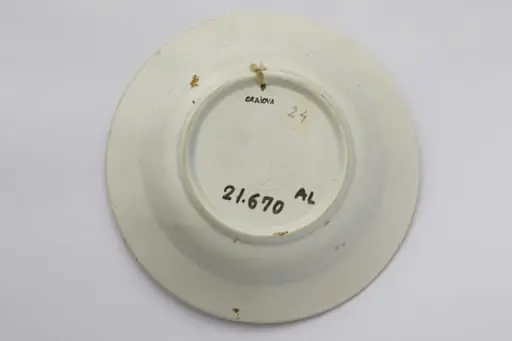 Vas ceramic de formă tronconică. Există două registre ornamentale, unul plasat de jur împrejurul buzei cu motive florale. Al doilea registru plasat în centru de asemenea motive florale. La posterior baza inelară perforată pentru atârnare. Cromatică: fond: alb; motive: verde; albastru.
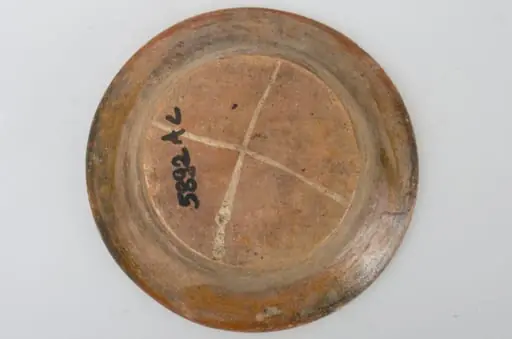 Farfurie de formă tronconică, adâncită, cu buza evazată. Este smălțuită în interior și la exterior (buza). Pe fund are o marcă în formă de ”X” de culoare albă. Pe alocuri smalțul este sărit. Cromatică: cărămiziu, verzui, alb.
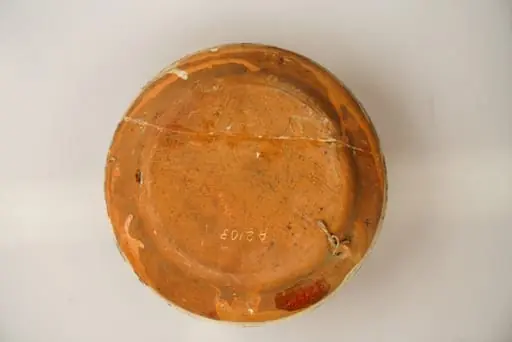 Farfurie de formă aplatizată, cu buza evazată și ușor concavă spre interior; este angobată pe suprafața interioară cu un strat de humă albă peste care este pictat cu pensula și cu cornul decorul format din motive geometrice, dispuse pe întreaga suprafață a piesei: linii groase verzi sub formă de semicerc, cu contur maro; grupuri de linii paralele crescătoare și descrescătoare dispuse pe buză sub formă de triunghi cu vârful orientat spre interior; linii circulare simple și ondulate; linii drepte groase de culoare verde cu contur maro; elemente vegetale geometrizate (frunze?) verzi sau cu linii mici maro în interior; motive sugerând mici flori cu petale rotunde. Suprafața ornamentată a farfuriei este acoperită cu un strat de smalț transparent. Cromatica: alb, albastru.
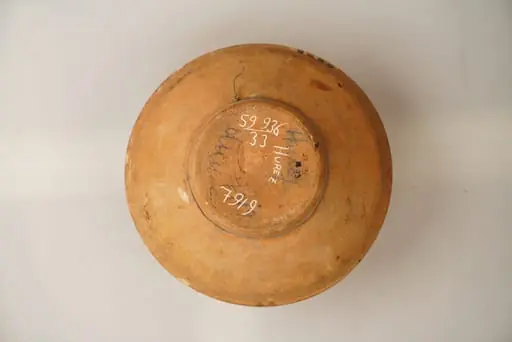 Farfurie adâncă de tip castron, cu corpul tronconic și buza dreaptă, verticală cu muchia buzei ușor răsfrântă spre exterior; este acoperită pe suprafața interioară cu un strat de angobă albă peste care este pictat cu cornul decorul format din motive geometrice dispuse astfel: centrul farfuriei este decorat cu un cerc de culoare maro ce este dublat pe exterior cu linii mici în formă de semicercuri, simulând petalele unei flori, iar în interior conținând un mic element decorativ neregulat, de culoare maro. Peretele farfuriei este decorat în jumătatea sa inferioară cu linii circulare în culorile roșu, verde-deschis, maro, completate cu șapte grupuri de motive formate din semicercuri mici de culoare maro și cu un șir de linii maro în formă de semicercuri mai mari, alăturate, având în interior linii curbe de culoare verde-deschis și roșu. Muchia buzei este decorată cu o linie circulară maro, ondulată mărunt. Suprafața farfuriei nu este smălțuită. Cromatica: alb, verde-deschis, roșu, maro.
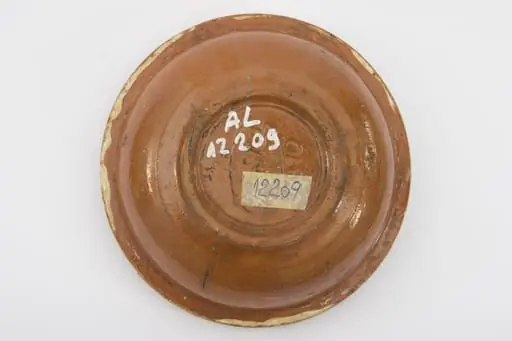 Obiect de uz casnic de formă tronconică foarte adâncită, cu buza foarte înaltă și ușor ieșită în afară în partea exterioară; este smălțuit interior și exterior (doar buza); în centru e decorat cu motive florale, iar pe margine cu o linie; pe fund are marca Granitul No 10; are gura puțin ciobită. Ccromatica: fond interior crem, fond exterior maro; motice: verde, albastru, maro.
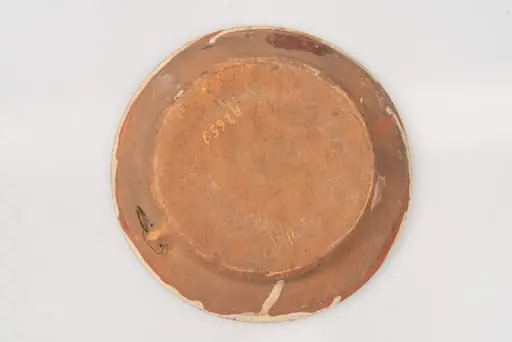 Farfurie de formă aplatizată, angobată cu humă albă pe suprafața interioară și decorată prin pictare cu cornul, cu motive geometrice și vegetale geometrizate, ce acoperă întreaga suprafață a piesei: registrul central de pe fundul farfuriei este decorat cu motivul brăduțului, flori de crin geometrizate și elemente vegetale (vrejuri), iar buza farfuriei cu două linii circulare în formă de zig-zag, intersectate, completate cu puncte albastre mari. Bordura interioară a farfuriei și muchia buzei sunt decorate cu linii circulare simple și linii circulare ondulate. Cromatica: alb, albastru. Suprafața ornamentată a farfuriei este acoperită cu un strat de smalț transparent.
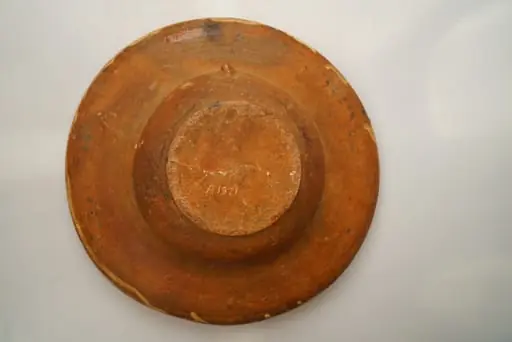 Farfurie mare adîncă, cu corp tronconic ușor rotunjit, buză lată evazată cu muchia buzei verticală; este acoperită pe suprafața interioară cu un strat de angobă albă peste care este pictat cu pensula decorul monocromatic format din motive geometrice și motive florale și vegetale stilizate, dispuse astfel: centrul farfuriei este decorat cu o floare (posibil crin) încadrată într-un cerc dublu, floare care se repetă și pe exteriorul cercului, alternată cu un motiv format din linii hașurate intersectat dispus sub formă de triunghi. Restul suprafeței corpului este decorat cu șiruri de frunze duble, orientate opus. Exteriorul buzei este decorat cu două linii circulare incizate. Suprafața ornamentată a farfuriei este acoperită cu un strat de smalț transparent. Cromatica: alb, albastru.
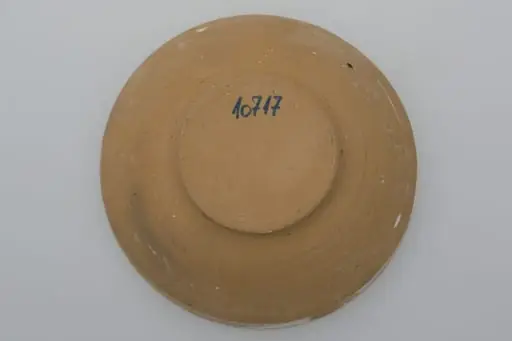 Recipient din lut de uz casnic, nesmălțuit, angobat, de formă circulară, cu profil tronconic, cu buza dreaptă și înaltă. Pe pereții interiori, vasul este decorat cu cornul, cu motive geometrice și florale: un contur de floare urmat de un șir de flori mici stilizate. Spre gura strachinii, la interior, sunt prezente linii concentrice, maro. În centrul vasului este pictată o spirală. Buza vasului este ornată cu o linie ondulată. Cromatică: fond: alb; motive: gri, maro închis, maro deschis.
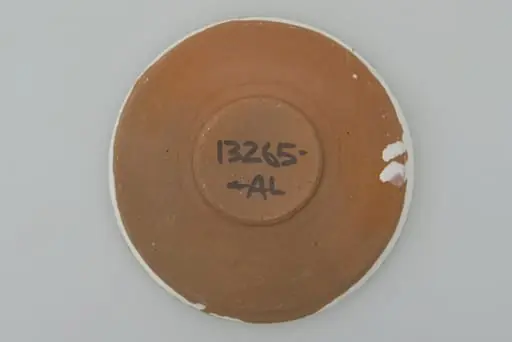 Farfurie de formă tronconică cu buza rotunjită. Decorul este compus din motive geometrice și vegetale pictate cu cornul: pe fund: două spirale cu puncte și două frunze; pe buză: linie ondulată; interior angobat; decor smălțuit. Cromatică: fond: alb; motive: verde; galben.