Artwork
Farfurie din faianță smălțuită cu smalț alb. Vasul este de formă circulară, ușor adâncită. Pe fundul vasului decorul este floral-vegetal. Pe buza vasului se identifică trei flori, un decor geometric (cerc) ce încadrează decorul floral. Pe fundul vasului se identifică marca ”WILHELMSBURG”. Cromatică: fond alb; motive: verde; roșu.
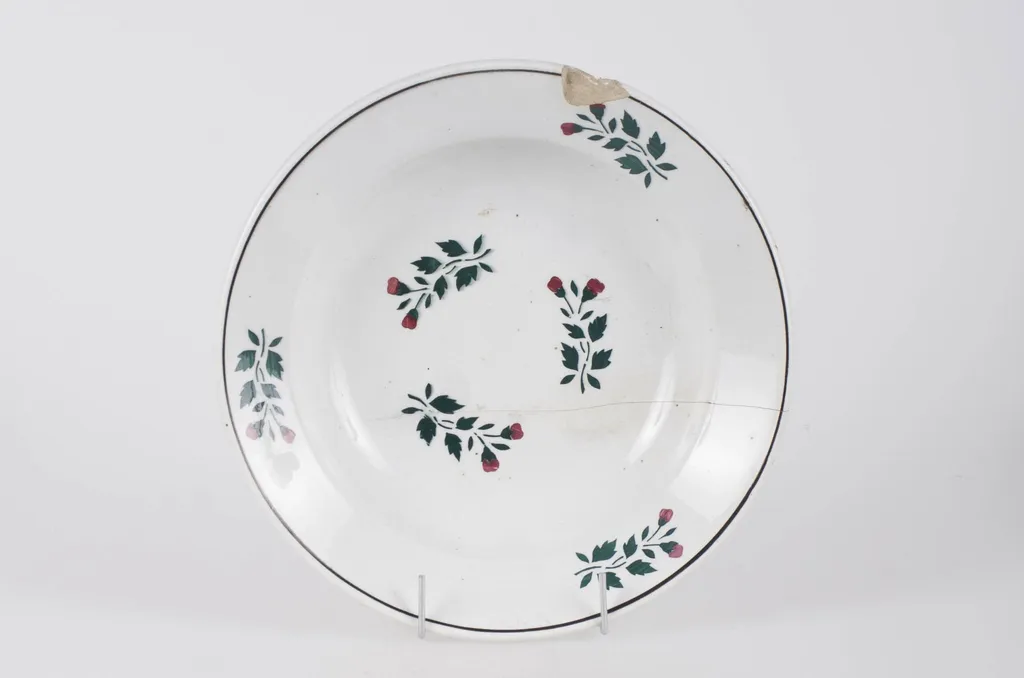
Farfurie din faianță smălțuită cu smalț alb. Vasul este de formă circulară, ușor adâncită. Pe fundul vasului decorul este floral-vegetal. Pe buza vasului se identifică trei flori, un decor geometric (cerc) ce încadrează decorul floral. Pe fundul vasului se identifică marca ”WILHELMSBURG”. Cromatică: fond alb; motive: verde; roșu. is a print by Unknown. It dates from 1850 and is held in the collection of the ASTRA National Museum Complex. A shallow, circular ceramic dish with a plain white rim and a softly recessed interior.
About this work
Overview
A shallow, circular ceramic dish with a plain white rim and a softly recessed interior. The surface is glazed in white, with hand-painted floral motifs in green and red. A small maker’s mark, 'WILHELMSBURG,' appears near the rim, indicating its origin from a specific workshop. The design is restrained, emphasizing the contrast between the vivid berries and the pale ground.
Subject & Meaning
The decoration features four clusters of stylized leaves and red berries, arranged in a loose circular pattern. No symbolic or narrative elements are evident; the motif appears purely ornamental, likely drawn from natural forms common in domestic ceramics of the period. The repetition of berries and foliage suggests an interest in seasonal abundance, rendered without elaborate symbolism.
Technique & Style
The slightly faded condition reveals the fragility of early ceramic pigments, yet the forms remain legible, indicating skilled, if rapid, hand-painting.
Painted in underglaze on a white tin-glazed surface, the design uses simplified, fluid brushwork. Leaves are rendered with loose, sketch-like strokes, while berries are rendered as solid red dots. The limited palette—white, green, red—enhances clarity. The slightly faded condition reveals the fragility of early ceramic pigments, yet the forms remain legible, indicating skilled, if rapid, hand-painting.
History & Provenance
The mark 'WILHELMSBURG' identifies the piece as originating from a ceramic workshop in the German region of Thuringia, active in the late 18th or early 19th century. These workshops produced utilitarian wares for local and regional markets, often copying popular decorative motifs from larger centers. The dish reflects the spread of standardized ceramic production beyond major urban ateliers.
Context
This dish belongs to a broader tradition of tin-glazed earthenware common across Central Europe, influenced by Dutch and French faience. Its modest scale and simple decoration suggest domestic use, likely for serving food or as a decorative object in middle-class households. The emphasis on natural motifs aligns with prevailing tastes favoring rustic simplicity over Baroque ornamentation.
Legacy
Pieces like this represent the transition from artisanal craft to early industrial ceramic production. While not artistically exceptional, they document the dissemination of decorative techniques beyond elite workshops. Surviving examples help trace regional trade patterns and the standardization of household goods in pre-industrial Europe.
Artist & collection

 Domestic Scene
 Giacomo and Cardinal Marco, investing Andrea, Abbot of San Zeno, with his Benefice
 The Nymph of Fontainebleau
 Portrait of a Woman
 Madonna and Child with Saints in the Enclosed Garden
 Venus and Minerva
 Family Group of Four on Sofa
 Wall painting from Room H of the Villa of P. Fannius Synistor at Boscoreale
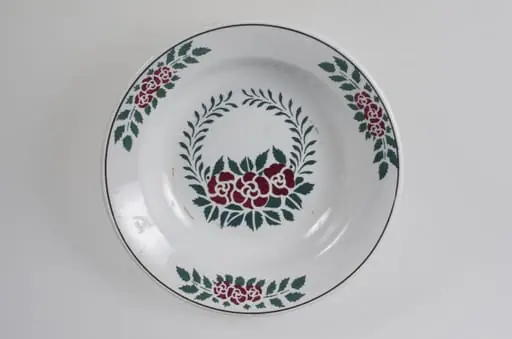 Vasul are formă tronconică, adâncită. Este decorat cu motive florale, vegetale și geometrice; are trei flori pe margine ce sunt delimitate de o linie; în centru este decorat cu un buchet format din trei trandafiri; pe fund are trei cercuri concentrice. Vasul este smălțuit interior-exterior. Cromatică: fond alb; motive: verde; roșu.
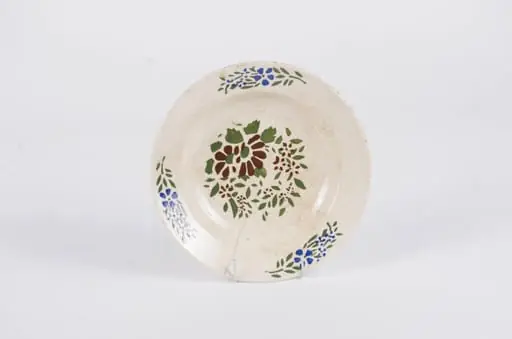 Farfuria este de formă tronconică, fiind smălțuită integral. Prezintă un decor floral-vegetal dispus pe fundul și pe buza vasului. Cromatică: fond alb; motive: verde; maro; albastru.
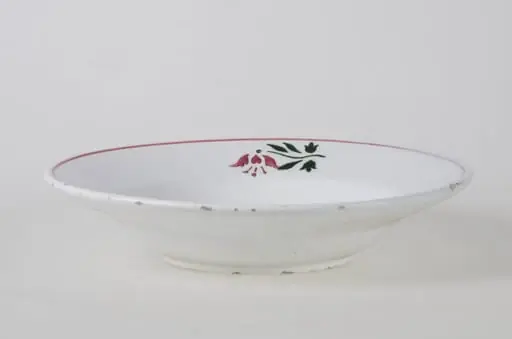 Recipient de formă tronconică, adâncit, cu gura mai largă decât baza. Este decorat cu motive florale și geometrice: trei flori și un cerc pe margine, precum și trei flori în centru. Pe fund are o ștanță indescifrabila: ”HOLLOHAZA”. Pe fundul vasului sunt două incizii în care este introdus un șnur folosit la agățarea vasului pe perete. Vasul este smălțuit interior-exterior. Cromatică: fond: alb; motive: roșu; verde.
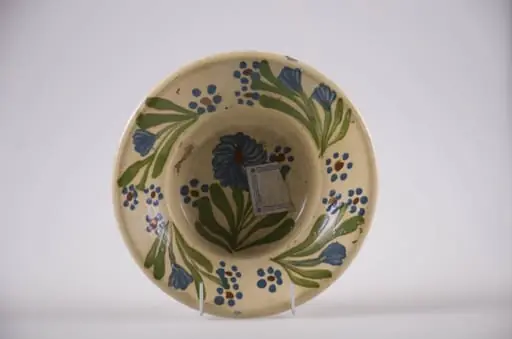 Farfurie de formă tronconică; corpul vasului se ridică perpendicular în raport cu fundul acestuia, pe când gâtul și buza vasului sunt larg evazate. Atât pe fundul vasului cât și pe gâtul acestuia sunt ornamente florale, vegetale și geometrice: puncte. Cromatică: fond: crem; motive: albastru; verde; maro. Partea posterioară prezintă o ureche aplicată prin care se trece ața.
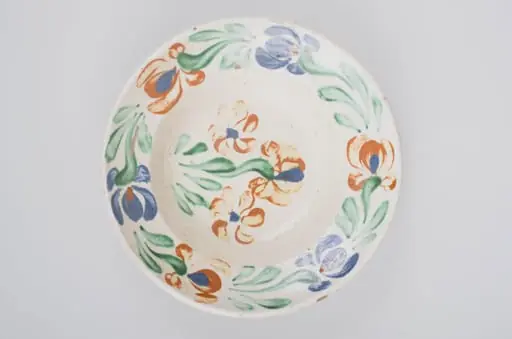 Farfurie cu fundul adâncit și buza evazată. Smălțuită numai în interior și scurgeri de smalț sub buză. Prezintă găuri pentru prinderea aței în vederea agățării. Decorată cu motive florale: central are trei flori iar pe margine un chenar floral. Cromatică: fond: alb; motive: maro; verde; albastru.
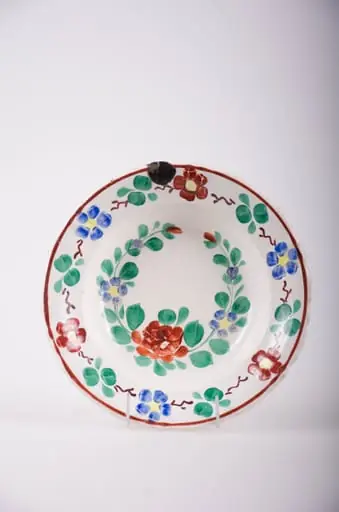 Farfurie de porțelan smălțuită pe fond alb. Decorată cu flori și frunze dispuse sub formă de ghirlande atât în centrul vasului cât și pe buza acestuia. De asemenea sunt prezente și motive geometrice: linia și linii întrerupte. Comatică: fond: alb; motive: verde; albastru; galben; roșu.
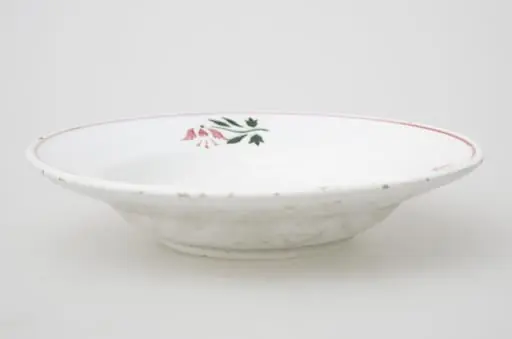 Farfurie din porțelan tronconică, de uz casnic, întrebuințată în gospodărie la decorarea pereților casei. Formă circulară, adâncită; În interioriul vasului se identifică un decor fitomorf; motive vegetale și florale și decor geometric. Decorul este dispus pe margine și în centru: are trei flori pe margine, ce sunt marginite de un cerc roșu; în centru este decorat cu trei flori. Pe fund prezintă găuri pentru agățare și o ștanță cu inscripția: HOLLOHAZA. Cromatică: fond alb; motive: verde, roșu.
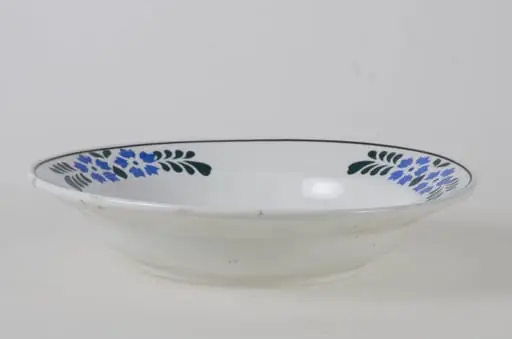 Vasul are formă tronconică smălțuit la interior și pe exterior (smalț de culoare albă). Prezintă motive decorative floral/vegetal și geometrice dispuse pe fundul vasului dar și într-un registru decorativ dispus pe buza vasului. De asemenea se identifică și motive decorative geometrice: pătratul, cercul, linia. Cromatică: fundal alb; verde; grena; albastru.
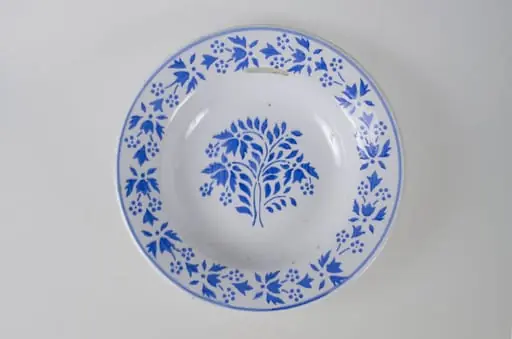 Farfuria are formă tronconică ușor adâncită. Pe buza vasului se identifică un registru decorativ floral, vegetal, continuu mărginit de o linie. Pe fund este o ștanță: o casă cu o pasăre pe acoperiș. Pe fundul vasului sunt două incizii în care este introdus șnurul folosit la agățarea vasului pe perete. Cromatică: fond: alb; motive: albastru.
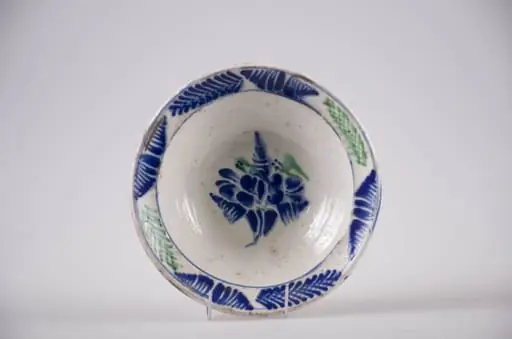 Blid de formă tronconică cu buza evazată, Smălțuit la interior. Decorul este format din ornamente florale dispuse pe motiv central: floare; motive marginale, fitomorfe: brăduț. Cromatică: verde și albastru pe fond alb.
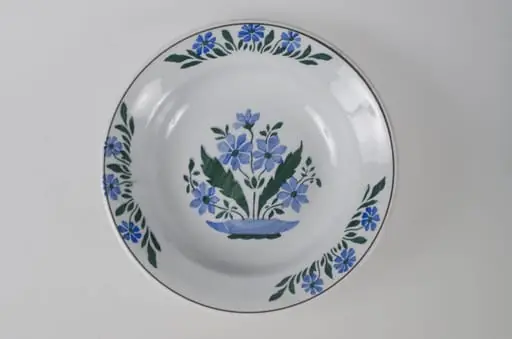 Vasul are formă tronconică, adâncită și este decorat cu motive florale dispuse în trei registre a câte trei flori pe margine, încadrate de o linie; în centru este decorat cu flori și frunze. Pe fund are trei cercuri concentrice care profilează trei registre. Vas evazat în partea superioară. Smălțuit interior-exterior. Cromatică: fond: alb; motive: verde; albastru; negru.