Artwork
Gusu Beauty – Winter
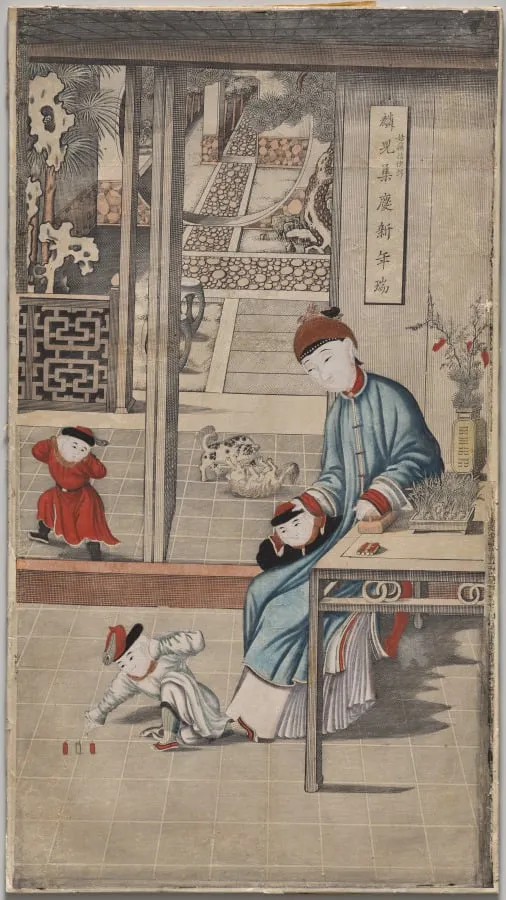
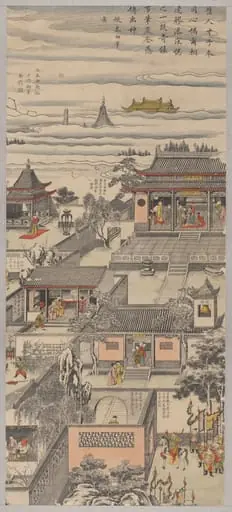
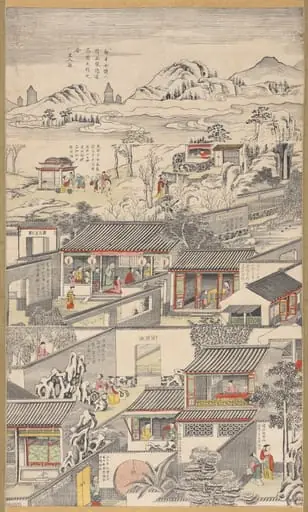
Gusu Beauty – Winter is a print by the Baroque artist Unknown. It dates from 1766 and is held in the collection of the Cleveland Museum of Art. Produced in Suzhou during the early Qing dynasty, this single-sheet color print reflects the rise of urban commercial art in Jiangnan.
About this work
The artist’s name is lost, but the style was common—delicate lines, soft colors, and scenes from daily life.
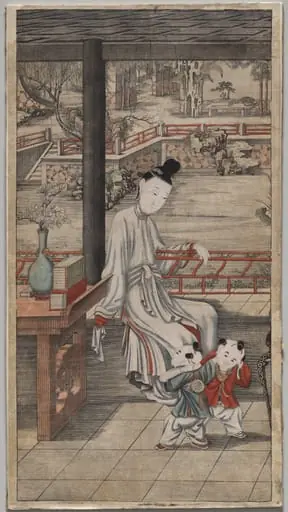
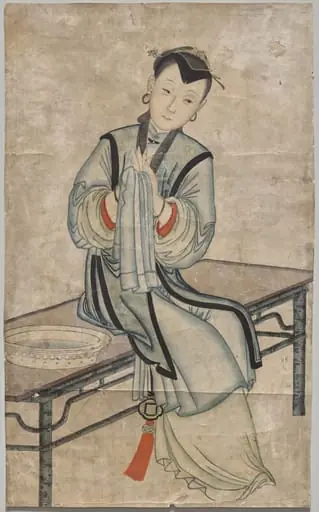
You see a woman in a pale blue robe standing by a snowy garden wall. Snowflakes drift past bamboo and a bare plum tree. Her face is calm, almost like a porcelain doll’s.
This print was made in Suzhou, a city where colorful wall prints were sold like posters today. People hung them for luck or just to brighten their homes. The artist’s name is lost, but the style was common—delicate lines, soft colors, and scenes from daily life.
Look up *qing dynasty (1644–1911)* to see more of these quiet, everyday moments.
Overview
Produced in Suzhou during the early Qing dynasty, this single-sheet color print reflects the rise of urban commercial art in Jiangnan. Once confined to illustrated books, color printing expanded into affordable wall decorations, catering to middle-class households seeking aesthetic enrichment. The work belongs to a genre that blended artistic refinement with everyday appeal, circulating widely as both ornament and cultural artifact.
Subject & Meaning
A woman in a pale blue robe stands beside a snow-dusted garden wall, framed by bare plum branches and bamboo. Her stillness and composed expression evoke quiet solitude, aligning with ideals of refined femininity in literati culture. The winter setting, with drifting snow and dormant plants, suggests transience and resilience—themes resonant in Chinese poetic tradition, though the print’s purpose was likely decorative rather than philosophical.
Technique & Style
The print employs fine, controlled lines and muted, layered pigments typical of Suzhou’s woodblock tradition. Colors are applied with subtlety—soft blues, grays, and pale whites—creating a serene, atmospheric effect. The composition emphasizes negative space and delicate detail, avoiding dramatic gestures. This restrained aesthetic reflects local workshop practices that prioritized harmony and elegance over boldness or spectacle.
History & Provenance
Though the artist’s identity is unknown, the print’s style aligns with Suzhou’s thriving print industry of the late 17th century. These works were mass-produced for domestic sale, often displayed in homes as seasonal decorations or symbols of good fortune. Their survival is rare; most were discarded after use, making extant examples valuable records of everyday visual culture in early Qing urban life.
Context
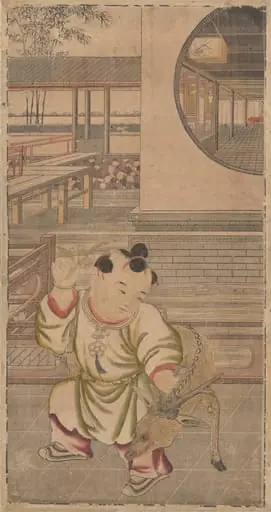
Suzhou, a center of textile and print production, became a hub for affordable art as literacy and disposable income grew among urban dwellers. Unlike court paintings, these prints focused on intimate, domestic scenes—women in gardens, children at play, seasonal landscapes—offering a visual counterpoint to elite artistic traditions. They bridged the gap between craft and fine art, accessible to those outside the scholar-official class.
Legacy
These prints influenced later developments in Japanese ukiyo-e and contributed to the global appreciation of East Asian woodblock aesthetics. In China, they represent a democratization of visual culture, where art moved beyond imperial or monastic patronage into private homes. Though largely overlooked in traditional art histories, they now serve as key evidence of how ordinary people engaged with beauty in daily life.
Artist & collection

 Domestic Scene
 Giacomo and Cardinal Marco, investing Andrea, Abbot of San Zeno, with his Benefice
 The Nymph of Fontainebleau
 Portrait of a Woman
 Madonna and Child with Saints in the Enclosed Garden
 Venus and Minerva
 Family Group of Four on Sofa
 Wall painting from Room H of the Villa of P. Fannius Synistor at Boscoreale