Artwork
Icoana este pictată pe un suport de lemn de formă dreptunghiulară, în ax vertical. Sfinții Apostoli Petru și Pavel sunt reprezentați în picioare, simetric, susținînd, cu câte o mână Biserica. Amândoi sunt înveșmântați simplu, cu tunici albastre verzui, mantie orange(Sf. Petru), roșie (Sf. Pavel). Drapajul este fin. Apostolul Petru, conform legendei, ține în mână cheile Raiului, aici supradimensionate. Sfântul Pavel ține în stânga sabia. Biserica de zid, cu o singură turlă, centrală, înaltă, în stilul bisericilor moldovene medievale, cu ziduri albe, acoperiș roșu și două cruci mari pe coamă. Chipurile sunt expresive, grave, realizate prin tehnica iluminării treptate, cu accente naive. Sfântul Petru are barba și părul cărunte, scurte, Sf Apostol Pavel este redat mai tânăr, conform Erminiilor. Aureolele sunt radiante, raportându-se la un cerc scrijelat fin. Chenar subțire,o linie albă, la fel cu scrisul.În partea de jos între cei doi sfinți icoana este datată: "1876. F. 14" Fond bej crem, cu urme de arsură.
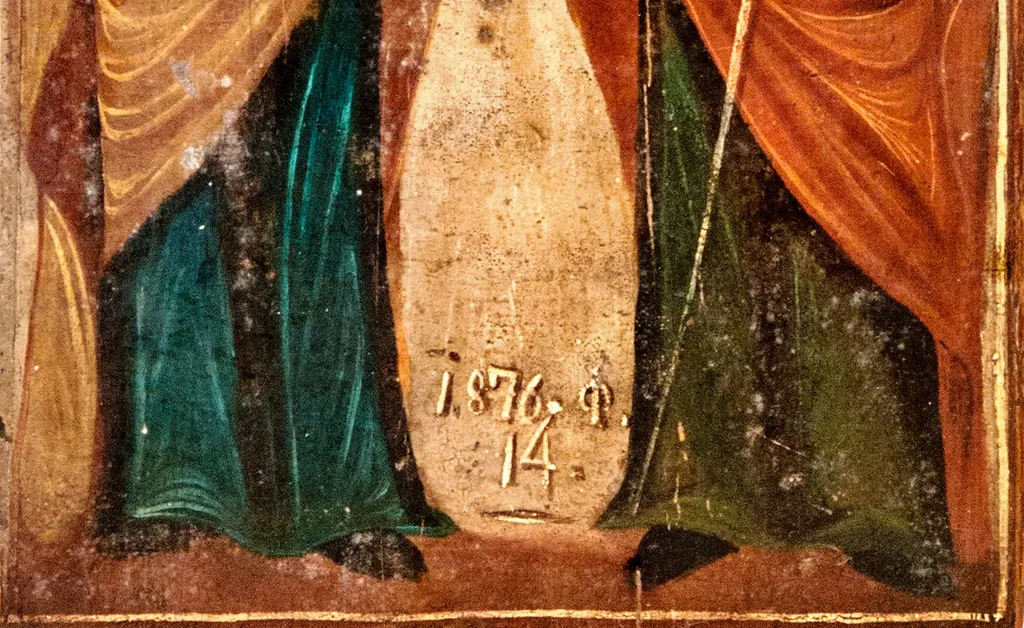
Icoana este pictată pe un suport de lemn de formă dreptunghiulară, în ax vertical. Sfinții Apostoli Petru și Pavel sunt reprezentați în picioare, simetric, susținînd, cu câte o mână Biserica. Amândoi sunt înveșmântați simplu, cu tunici albastre verzui, mantie orange(Sf. Petru), roșie (Sf. Pavel). Drapajul este fin. Apostolul Petru, conform legendei, ține în mână cheile Raiului, aici supradimensionate. Sfântul Pavel ține în stânga sabia. Biserica de zid, cu o singură turlă, centrală, înaltă, în stilul bisericilor moldovene medievale, cu ziduri albe, acoperiș roșu și două cruci mari pe coamă. Chipurile sunt expresive, grave, realizate prin tehnica iluminării treptate, cu accente naive. Sfântul Petru are barba și părul cărunte, scurte, Sf Apostol Pavel este redat mai tânăr, conform Erminiilor. Aureolele sunt radiante, raportându-se la un cerc scrijelat fin. Chenar subțire,o linie albă, la fel cu scrisul.În partea de jos între cei doi sfinți icoana este datată: "1876. F. 14" Fond bej crem, cu urme de arsură. is a drawing by Unknown. It dates from 1850 and is held in the collection of the "Dimitrie Gusti" National Village Museum.
About this work
Their faces are serious, with short beards, and they each hold an object—a set of oversized keys and a sword.
This close-up shows two robed figures standing side by side, holding a church between them. One wears a blue-green tunic with a red cloak, the other a similar tunic with an orange cloak. Their faces are serious, with short beards, and they each hold an object—a set of oversized keys and a sword. The background is a simple beige with faint burn marks.
The painting is dated "1876. F. 14" in the bottom corner, hinting at its age. The figures’ robes are painted with smooth folds, and their faces glow softly, as if lit from within.
Look up cross-hatching to see how artists create depth with lines.
Overview
The rectangular wooden panel, painted vertically, depicts the Apostles Peter and Paul standing symmetrically and supporting a church structure between them. Both saints are dressed in simple robes—Peter in a blue‑green tunic with an orange mantle, Paul in a similar tunic with a red mantle. Their expressions are solemn, and each holds a symbolic object: Peter the oversized keys of Heaven, Paul a sword.
Subject & Meaning
The central motif of the two apostles upholding the church reflects the traditional view of Peter and Paul as foundational pillars of Christianity. Peter’s keys signify his role as gatekeeper of the kingdom, while Paul’s sword alludes to his martyrdom and the spiritual warfare he represents. The radiant halos, rendered with fine concentric circles, emphasize their sanctity.
Technique & Style
The figures are rendered with delicate drapery and gradual illumination, creating a subtle modeling of form. Fine cross‑hatching provides depth, especially in the folds of the mantles, while the naive accents give the faces a gentle inner glow. The background is a beige ground marked by faint burn spots, and a thin white line outlines the composition, echoing a modest decorative border.
History & Provenance
A date and signature, "1876. F. 14," appear at the lower edge, indicating the work’s creation in the late nineteenth century. The panel’s wooden support and the style of the central church—single‑towered, white‑walled, red‑roofed, with two large crosses—suggest influence from medieval Moldavian ecclesiastical architecture.
Context
The depiction aligns with Eastern Orthodox iconographic conventions, where saints are often shown holding attributes that identify them. The portrayal of Peter with oversized keys and Paul with a sword follows longstanding visual codes, while the simplified architectural backdrop situates the saints within a familiar liturgical setting.
Artist & collection
Museum
"Dimitrie Gusti" National Village Museum
Continue through works from the same source collection.
 Domestic Scene
 Giacomo and Cardinal Marco, investing Andrea, Abbot of San Zeno, with his Benefice
 The Nymph of Fontainebleau
 Portrait of a Woman
 Madonna and Child with Saints in the Enclosed Garden
 Venus and Minerva
 Family Group of Four on Sofa
 Wall painting from Room H of the Villa of P. Fannius Synistor at Boscoreale
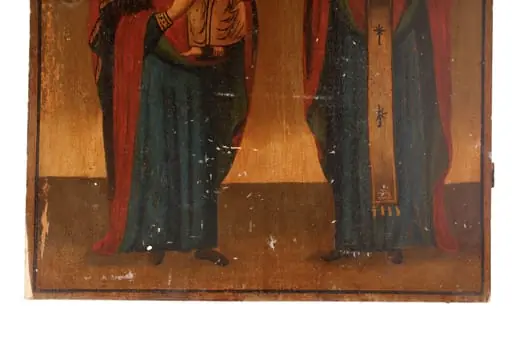 Icoană pictată pe lemn reprezentând pe Fecioara Maria cu Iisus în brațe și pe Sf. Neculai. Pe fond maro este prezentată Fecioara Maria în picioare ușor întoarsă spre dreapta, cu Pruncul pe brațul stâng, și Sfântul Nicolae în picioare, față, binecuvântând cu dreapta, iar cu stânga ținând Evanghelia. Atât Maria, cât și Nicolae poartă peste veșminte verzi-albastre mantii roșii. Carnația, nimburile, veșmintele lui Iisus, Evanghelia, omoforul sunt tratate în tonalități de ocru apropiat de maroul fondului.
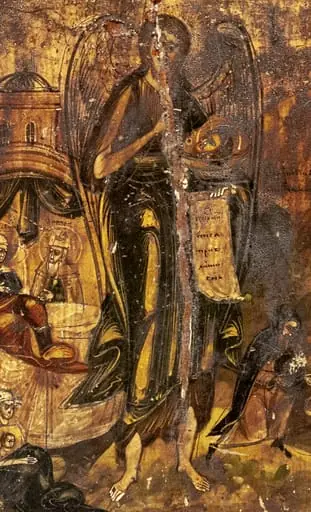 În centrul spațiului pictural, prim plan, Sfântul Ioan Îngerul Pustiului, cu aripi mari,având în mâna stângă un rotulus desfășurat, cu dreapta ținând capul său tăiat pe o tipsie. Este înveșmântat cu o mantie verde peste blana de cămilă, picioarele desculțe. În planul doi, dreapta, este redată scena aflării capului. Un călugăr îngenuncheat lângă capul aureolat al sfântului prooroc, un alt personaj în veșminte roșii(deși tot călugăr), prezentat în picioare, cu capul înclinat, indicând locul cu o săgeată (în alte icoane ambii călugări au lopeți). Este vorba de una dintre aflările capului sfântului, în zilele lui Constantin cel Mare. Aceasta s-a întâmplat în muntele Eleonului. În partea stângă a icoanei este redată nașterea sfântului Ioan. Pe un pat înalt, Elisabeta, în spatele patului, proorocul Zaharia, cu barbă lungă, albă, privind-o. În fața patului, o slujnică ținându-l în brațe pe pruncul Ioan, cu aureolă în jurul capului. Scena se petrece într-un iatac dintr-o clădire cu o turlă. În colțul din stânga sus, Iisus așa cum apare pe mahrama Veronicăi sau sfântul Keramion. Inscripții: pe chenar în partea superioară - Chipul Sfântului Ioan Înainte Mergătorul; în jurul nimburilor părinților proorocului -Elisaveta și Zaharia; în partea dreaptă a icoanei cu litere mici cursive: Aflarea capului Sfântului Ioan Botezătorul, pe rotulusul desfășurat inscripții indescifrabile.Fondul - foița aurie brunificată, (partea de sus), pe care se proiectează crestele muntoase. Cromatica specifică acestui tip de icoane, predomină culorile calde, tonurile de brun, încadrate de bordura roșiatică( galben, ocru, tonuri de verde, brun, roșu, negru.) Desenul trasat cu linie fină. Suportul prezintă o crăpătură longitudinală, lacune ale stratului pictural.
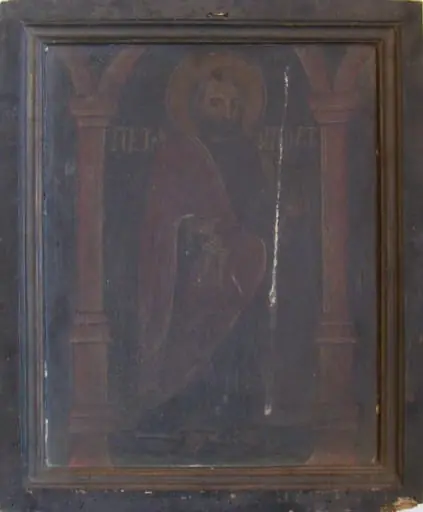 Sf. Apostol Petru
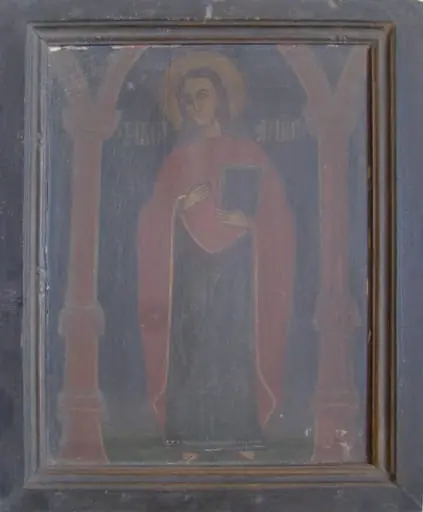 Sf. Apostol Filip
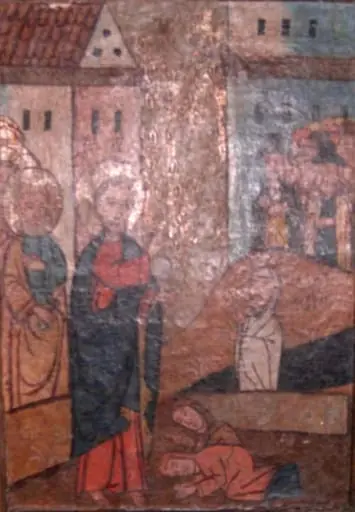 Învierea lui Lazăr
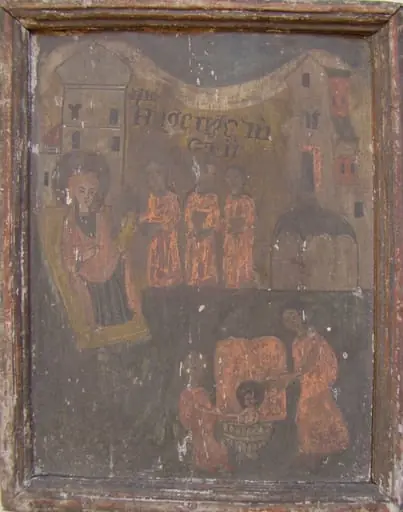 Nașterea Maicii Domnului
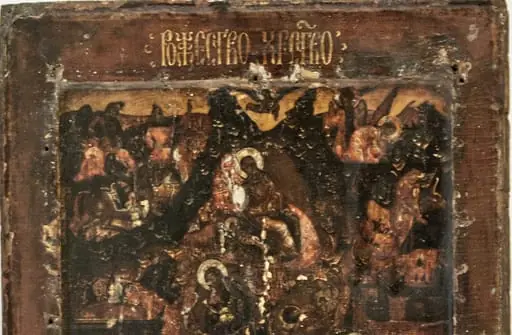 Scenă complexă, redată într-un spațiu pictural incavat, bordura înscriind-o în tipologia icoanelor de tip krashnuska. Scena centrală, nașterea Mântuitorului în peștera din Betleem completată narativ de secena închinării magilor și fuga în Egipt. Fecioara Maria pe un aștenut cu motive tradiționale, alături de Pruncul înfășat,. Un plan mai jos, scăldătoarea Pruncului, și Sfântul Iosif așezat, așezat, gânditor. Deasupra, pe fondul cerului luminat, steaua susținută de arhanghelul Gavriil își revarsă razele. În colțul din stânga sus, cei trei magi călări, urmând drumul indicat de steaua de la răsărit. În colțul drept îngeri vestind nașterea, mai jos un păstor cu oile. Scenele de jos sunt separate de zidurile cetății. În colțul stâng inferior Fecioara Maria pe tron, cu Pruncul în brațe, primind darurile celor trei magi. În dreapta este redată scena fugii în Egipt, Maica Domnului cu Pruncul pe un cal alb, în fața lor Iosif, Arhanghelul Gavriil ocrotindu-i. Scenele sunt redate miniatural, cu mare finețe. Chipurile și veșmintele foarte elaborate. Cromatica specifică icoanelor de acest tip, bordura roșiatică, restul compoziției - tonuri de pământ, brun-roșcat, roșu, galben, accentele de alb foarte fine. Icoana necesită restaurare.
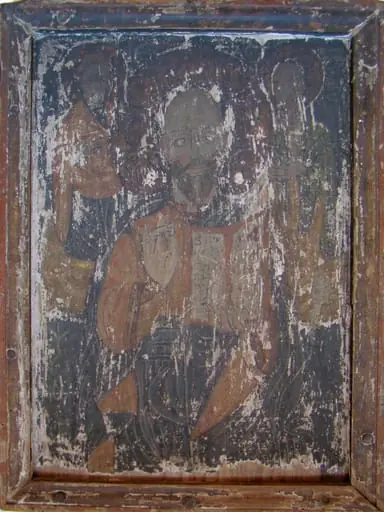 Deisis
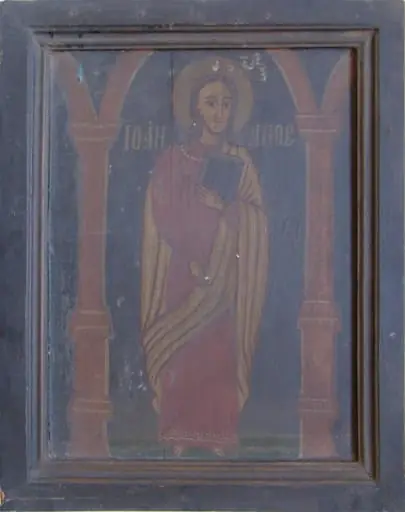 Sf. Apostol Ioan
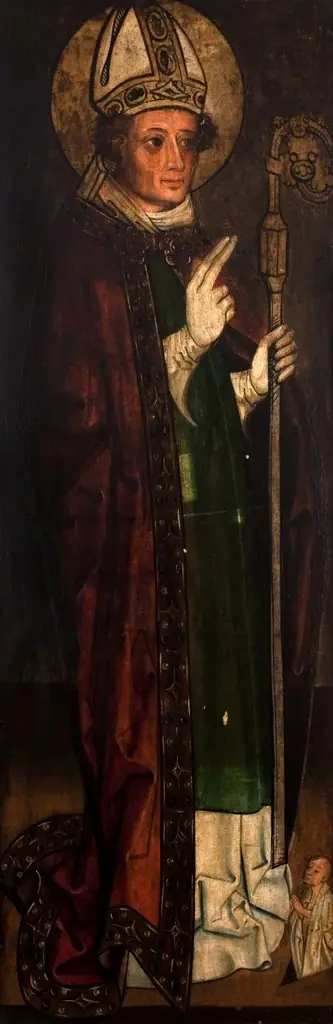 St Stanislaus (obverse); Archangel Gabriel from the Scene of the Annunciation (reverse). Wing of the altar retable from Snoza
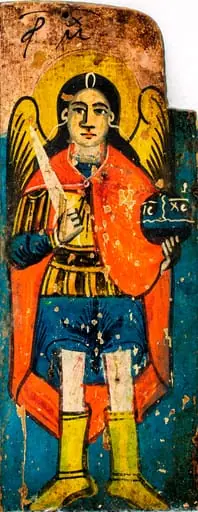 Cele două voleuri sunt realizate dintr-un blat subțire de formă dreptunghiulară, căruia i s-a îngustat și arcuit ușor porțiunea superioară. Pictura este realizată în stil popular, cu respectarea în mare a indicațiilor canoanelor bizantine. Sunt reprezentați frontal în picioare, pe un voleu sf.apostol Filip iar pe celălalt voleu, arhanghelul Mihail. Sfântul apostol Filip este redat tânăr, cu capul descoperit, părul lung, prins la spate.Fața ovală, nasul cu nările mari, buzele roșii, privirea îndreptată lateral. Înveșmântat cu chiton roșu și himation albastru. Binecuvintează cu mâna dreaptă, în stânga ține un rotulus desfășurat. Arhanghelul este redat în veșminte ostășești, în mâna dreaptă cu sabia de foc de culoare albă, în stânga cu globul cruciger.Părul lung, negru, lăsat pe umeri, fața asemănătoare cu a apostolului Filip.Poartă o lorică 3/4, mantie roșie, tunică albastră. Aripi galbene, cizme înalte galbene. Ambii au nimburi de culoare galbenă. Fondul - albastru pe porțiunea mai lată, roșu cărămiziu deasupra umerilor apostolului, bej la arhanghel.Inscripția este prescurtată, scrisă cu litere negre, dezordonate. Pictura are un evident caracter naiv, popular. Paleta cromatică variată, culorile tari, ușor stridente. Pe spatele voleurilor apare inscripția IS HS; NI KA, iar în partea de jos capul lui Adam. Cele două voleuri sunt fixate cu două șipci mici de brad și cuie metalice.
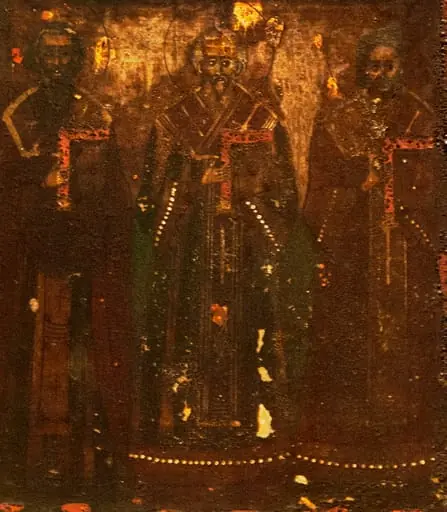 În spațiul dreptunghiular creat prin scobire(rezultă o ramă de 3 cm lățime), sunt pictați, în ax vertical, Sfinții trei ierarhi Vasile, Grigorie și Ioan. Stratul pictural fiind înnegrit, nu se pot identifica exact fiecare din cei trei sfinți. Probabil ca cel din centru să fie Sf. Ioan Gură de Aur, cu părul și barba albe, în stânga fiind sf. Vasile cel Mare iar în dreapta sf. Grigorie Noul Teolog, toți în picioare. Toți trei țin în mîini cartea Sfântă.Veșmintele sunt arhierești, patrafirele au cruci în linii subțiri, doi dintre ei au veșmântul împodobit cu șiruri de puncte albe. Fondul este aurit, aureolele trasate cu linii subțiri, negre, în stilul icoanelor lipovenești. Pe partea de sus a ramei o inscripție în același stil. La mijloc chipul lui Isus și monogramul Acestuia.