Artwork
Johannes Messeniuksen muotokuvan selitystaulu
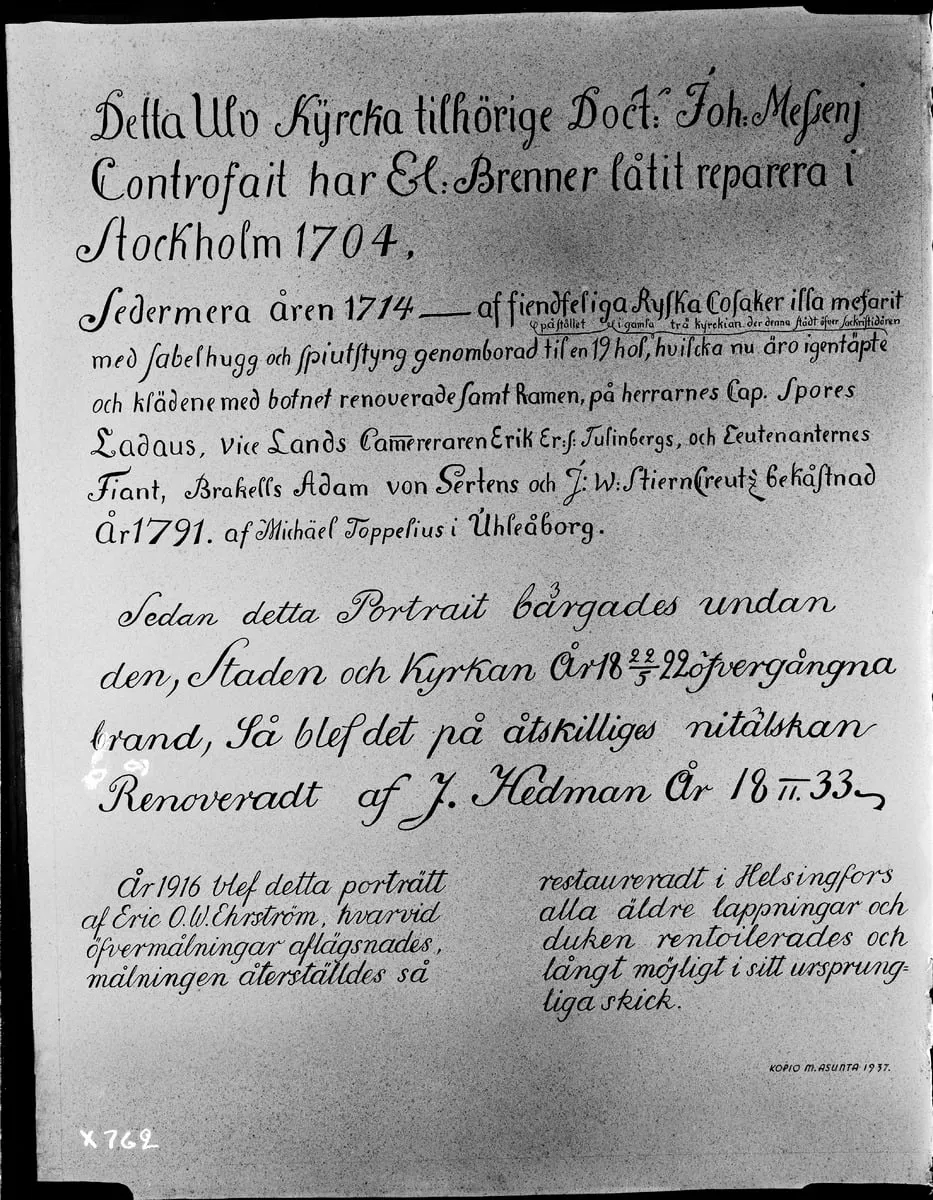
Johannes Messeniuksen muotokuvan selitystaulu is a photography by Unknown. It dates from 1850 and is held in the collection of the Finnish Heritage Agency. This 1936 photograph captures an explanatory plaque for a portrait of Johannes Messenius, located in Oulu's vicar's office.
About this work
You see a typed photograph from 1936. It shows a museum plaque about a long-ago prisoner. Johannes Messenius died in Oulu 300 years before the photo was taken.
The plaque tells a story. Messenius was locked in Kajaani castle for years. His crime? Writing plays that the king didn’t like.
Look up the Museum of Ethnography to see more old texts like this.
Overview
This 1936 photograph captures an explanatory plaque for a portrait of Johannes Messenius, located in Oulu's vicar's office. The subject, a notable historical figure, is commemorated here due to his death in Oulu 300 years prior to the photograph.
Subject & Meaning
The plaque honors Johannes Messenius, a prisoner at Kajaani Castle, known for writing plays that incurred royal disfavor, leading to his imprisonment. His death in Oulu is highlighted, marking a significant event in the plaque's narrative.
Technique & Style
The image is a typed photograph from 1936, presenting a straightforward, documentary-style capture of the plaque, with no identifiable artistic stylization beyond the typographic design of the plaque itself.
History & Provenance
The photograph was taken on November 6, 1936, at Oulu's vicar's office. The artist of the original portrait of Messenius remains unknown. The plaque itself serves as a historical marker, commemorating events from over three centuries prior.
Context
The piece is associated with the Museum of Ethnography, suggesting its connection to the preservation of historical texts and artifacts. Messenius's story, as told by the plaque, reflects the historical tensions between artistic expression and political authority.
Legacy
While the artist of the portrait is unknown, the photograph of the plaque ensures the enduring visibility of Johannes Messenius's story, highlighting themes of censorship and the fate of a historical figure who challenged royal approval through his writings.
Artist & collection
 Domestic Scene
 Giacomo and Cardinal Marco, investing Andrea, Abbot of San Zeno, with his Benefice
 The Nymph of Fontainebleau
 Portrait of a Woman
 Madonna and Child with Saints in the Enclosed Garden
 Venus and Minerva
 Family Group of Four on Sofa
 Wall painting from Room H of the Villa of P. Fannius Synistor at Boscoreale
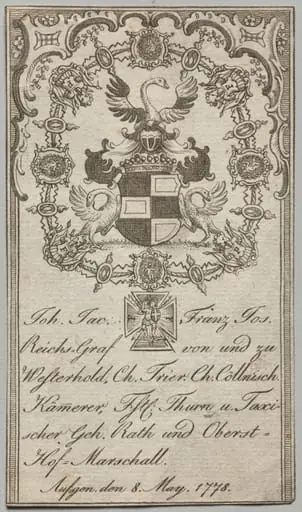 Bookplate: Johan. Jac. Franz-Joseph, Reichs-Graf von Westerhold
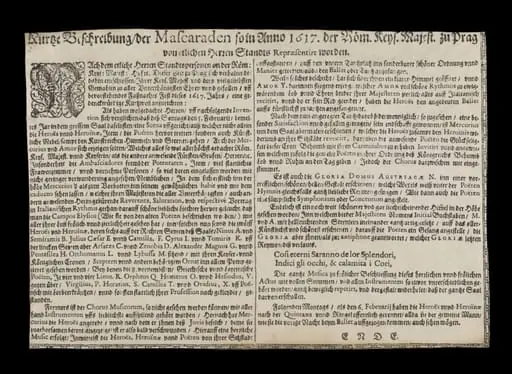 Print Collection
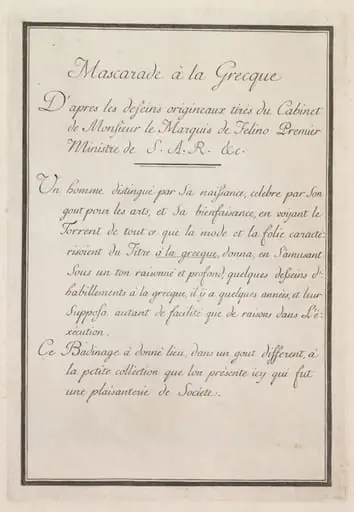 Mascarade à la Grecque: Title Page, Plate 1
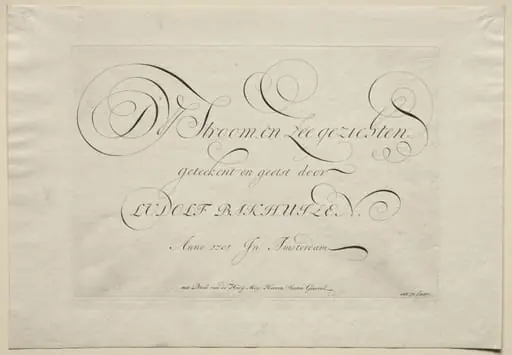 The River IJ and Seascapes
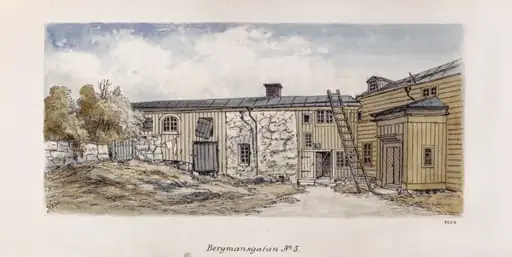 Vuorimiehenkatu 5
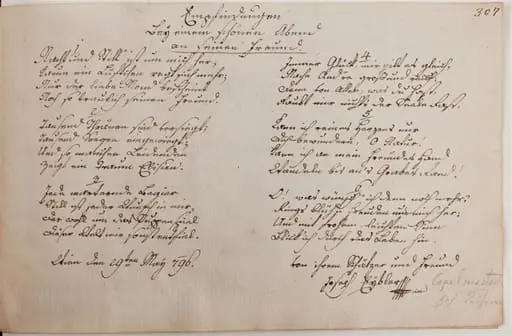 Tekst
Tekst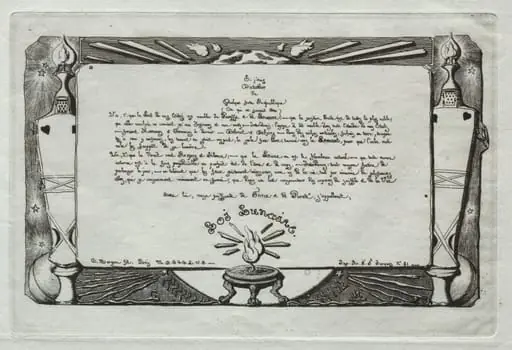 La Loi Lunaire
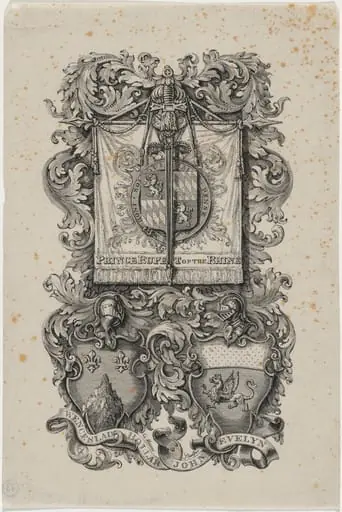 Coat of Arms of Prince Rupert, Hollar and Evelyn
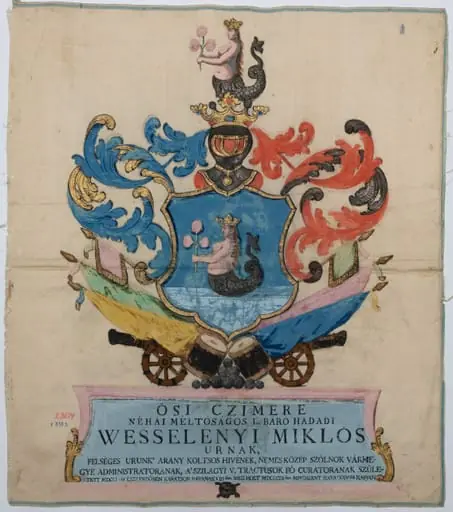 Blazonul funerar al baronului Miklós Wesselényi din Hodod
 The Siege of La Rochelle: Plate 4
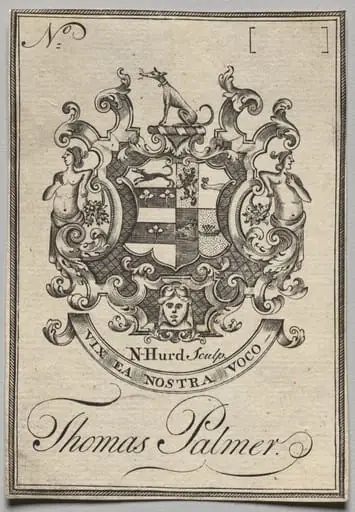 Bookplate: Coat of Arms with Thomas Palmer inscribed
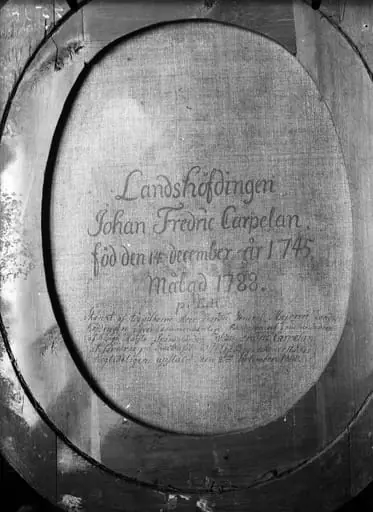 Maaherra Johan Carpelanin muotokuvan kääntöpuoli