Artwork
John Lowin, Comedian, 1640
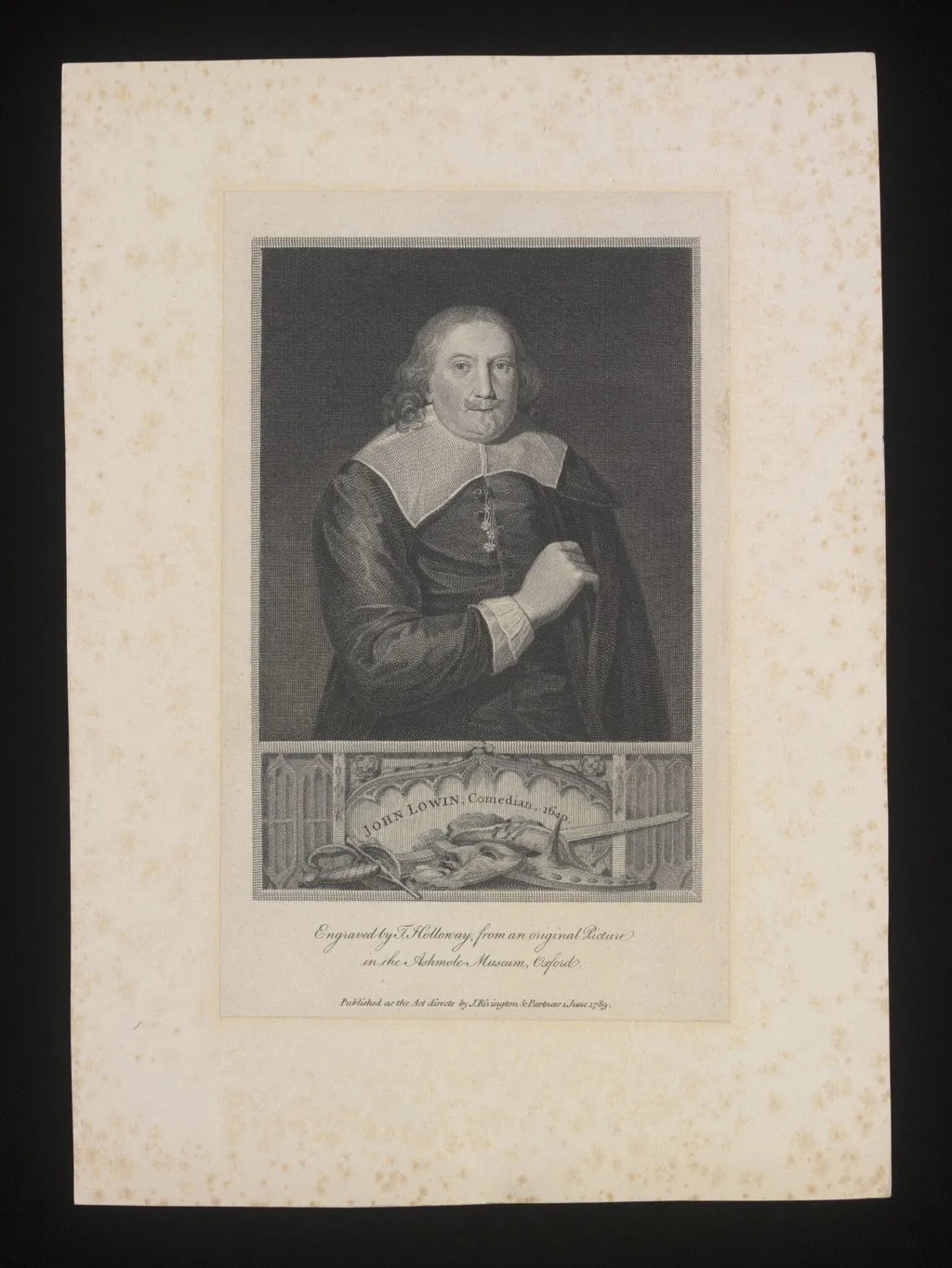
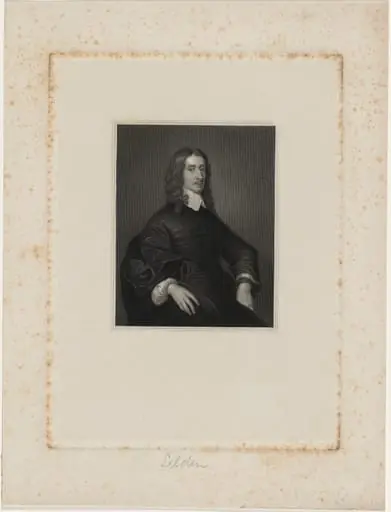
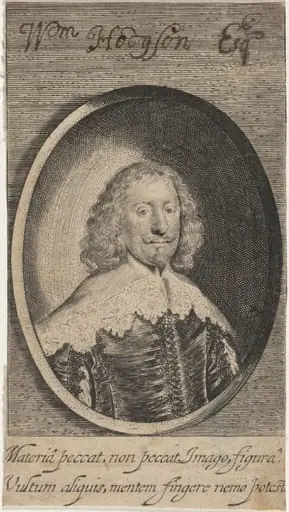
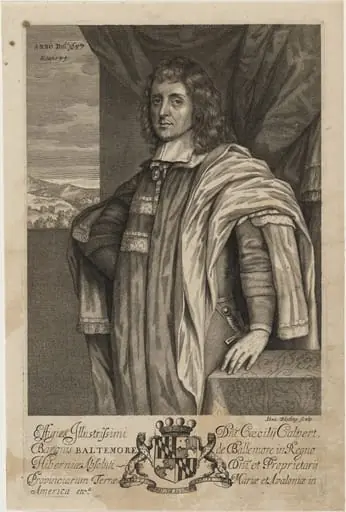
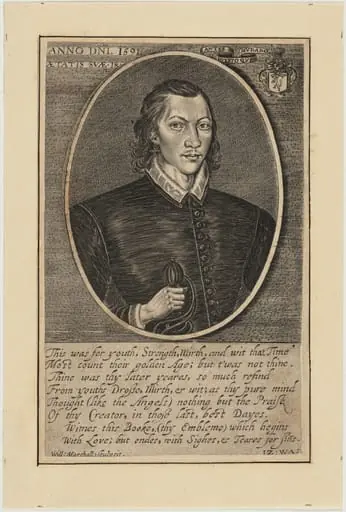
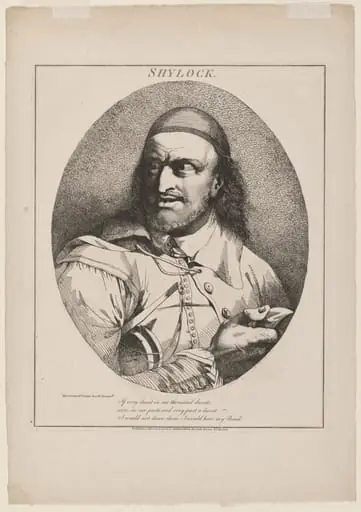
John Lowin, Comedian, 1640 is a print by the Romanticist artist Unknown. It dates from 1 and is held in the collection of the Victoria and Albert Museum. This print portrays John Lowin, a 17th-century actor known for his comedic roles in Shakespearean theatre.
About this work
Overview
The image belongs to the Harry Beard Collection, a curated assembly of theatrical portraits, now held at the Victoria and Albert Museum.
This print portrays John Lowin, a 17th-century actor known for his comedic roles in Shakespearean theatre. Produced by J. Rivington & Partners in 1789, it is a posthumous depiction based on earlier sources. The image belongs to the Harry Beard Collection, a curated assembly of theatrical portraits, now held at the Victoria and Albert Museum. Its creation reflects 18th-century interest in preserving the likenesses of early modern performers.
Subject & Meaning
John Lowin was a member of the King’s Men, the playing company associated with William Shakespeare. He succeeded Richard Burbage as lead actor and was noted for his portrayals of comic and character roles. This print captures him in period costume, not as a contemporary portrait but as a historical commemoration. It serves as a visual record of a performer whose stage presence shaped early English drama, preserved for later audiences through print.
Technique & Style
The image is a reproductive print, likely an engraving or etching, made nearly 150 years after Lowin’s death. Its style adheres to 18th-century conventions of theatrical portraiture: formal pose, detailed costume, and restrained expression. The artist relied on earlier images or descriptions rather than direct observation, resulting in a stylized representation that prioritizes historical association over individual likeness.
History & Provenance
Created in 1789 by J. Rivington & Partners, the print was part of a broader effort to document theatrical history through published imagery. It entered the Harry Beard Collection, assembled by a 19th-century theatre enthusiast, and was later acquired by the Victoria and Albert Museum. Its survival reflects the growing institutional interest in preserving performance culture as part of national heritage.
Context
In the late 18th century, there was a surge of interest in England’s theatrical past, fueled by antiquarianism and the rise of public museums. Prints like this one helped reconstruct the visual identity of early modern actors, many of whom left no surviving portraits. Lowin’s image, though not contemporary, became a reference point for understanding the physicality and dress of Shakespearean performers.
Legacy
The print contributes to the archival record of English theatre, offering insight into how later generations imagined their predecessors. Though not a lifelike portrait, it remains a key artifact in the study of performance history. Its presence in the V&A underscores the institutional role of museums in sustaining memory of cultural figures whose physical traces have otherwise vanished.
Artist & collection

 Domestic Scene
 Giacomo and Cardinal Marco, investing Andrea, Abbot of San Zeno, with his Benefice
 The Nymph of Fontainebleau
 Portrait of a Woman
 Madonna and Child with Saints in the Enclosed Garden
 Venus and Minerva
 Family Group of Four on Sofa
 Wall painting from Room H of the Villa of P. Fannius Synistor at Boscoreale