Artwork
Henry More
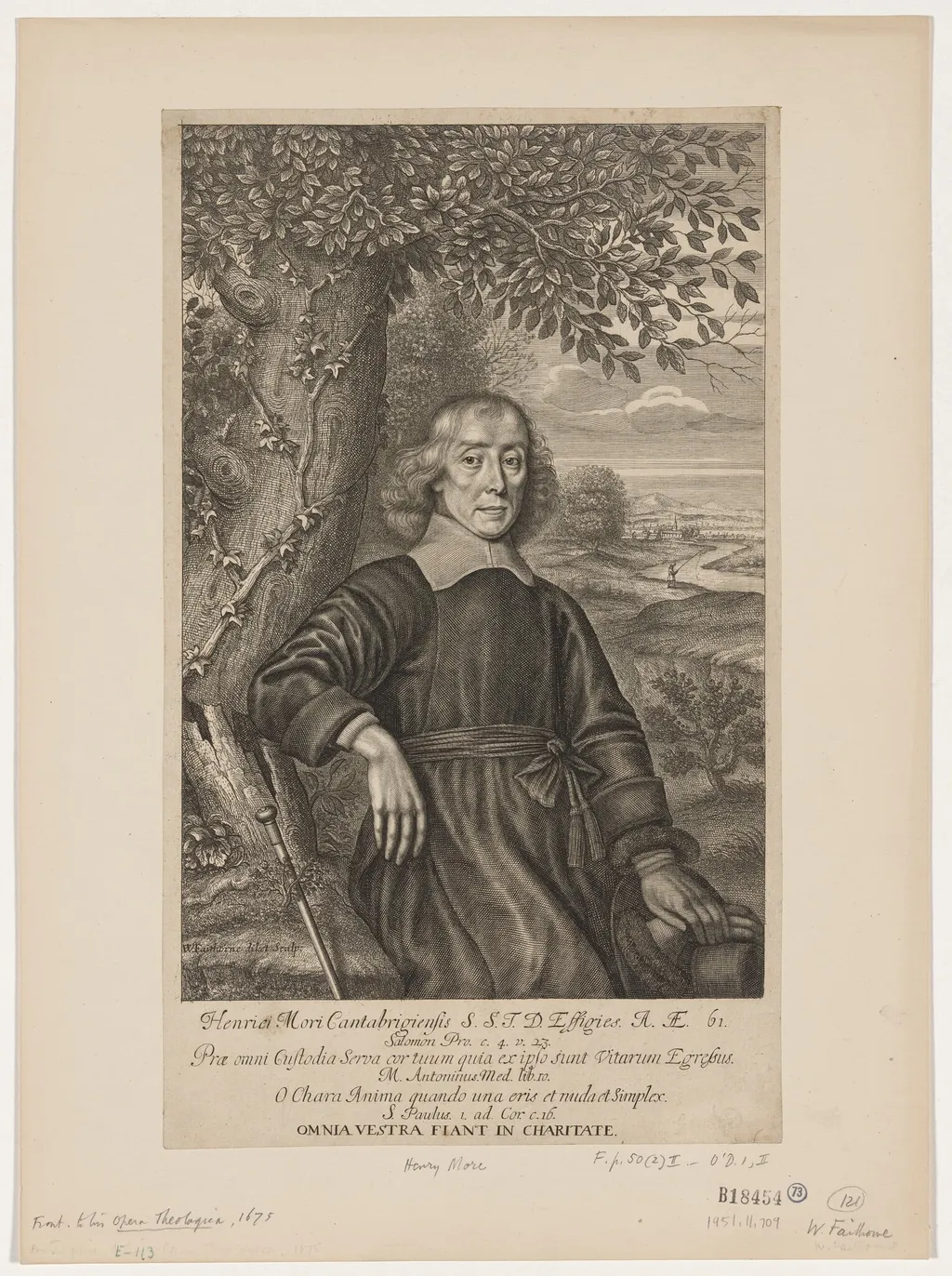
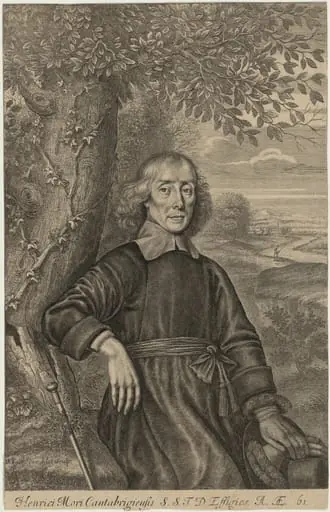
Henry More is an ink print by the Baroque artist William Faithorne. It dates from 1675 and is held in the collection of the National Gallery of Art.
About this work
Overview
William Faithorne’s 1675 engraving presents a seated figure against a natural backdrop. The subject stands before a tree, with a broader landscape receding behind him, and is dressed in dark, formal clothing accented by a belt. His posture is composed, with a walking stick in his right hand and his left hand resting on a rock or stump.
Subject & Meaning
The portrait captures a man of serious demeanor, his expression solemn and his hair rendered in loose, curly locks. The inclusion of the tree and open scenery may suggest a connection to the natural world or an idealized setting, typical of portraiture that seeks to convey status and character through environmental cues.
Technique & Style
Faithorne employs fine cross‑hatching throughout the plate, creating texture and depth that lend the image a realistic quality. The meticulous line work defines the fabric, foliage, and facial features, while the contrast of light and shadow enhances the three‑dimensional impression of the figure and his surroundings.
History & Provenance
The engraving was produced in 1675 by the English printmaker William Faithorne, known for his portrait work. It stands as an example of mid‑seventeenth‑century English engraving, reflecting the technical skill and aesthetic preferences of the period.
Artist & collection
Artist
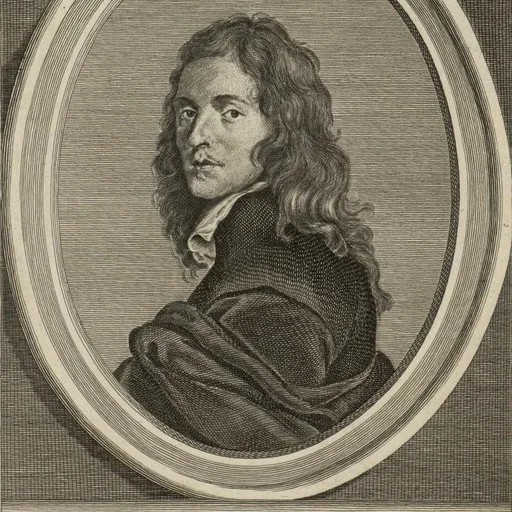
William Faithorne (1616–1691) was a British artist, born in Greater London.

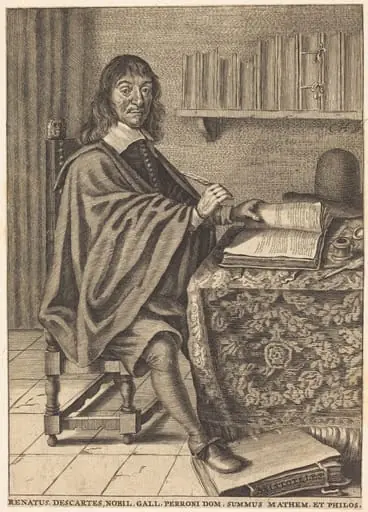 René Descartes
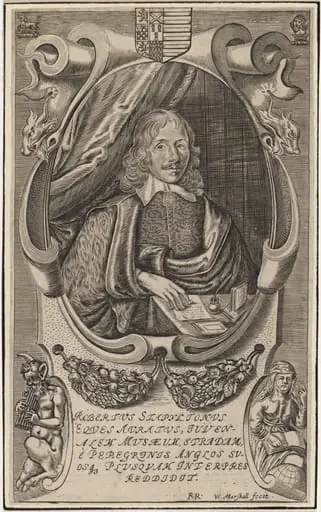 Sir Robert Stapylton
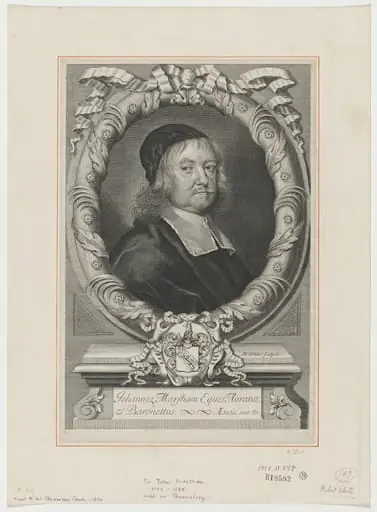 Sir John Marsham, Writer on Chronology
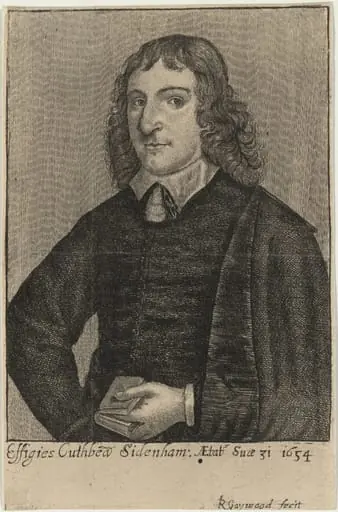 Cuthbert Sydenham
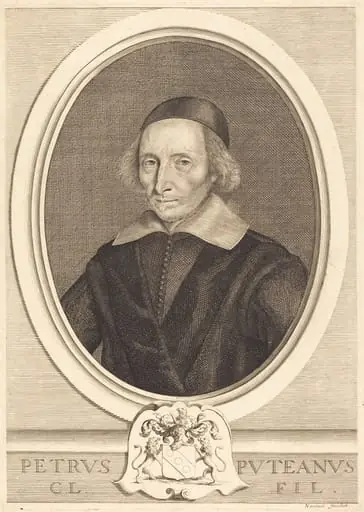 Pierre Dupuy
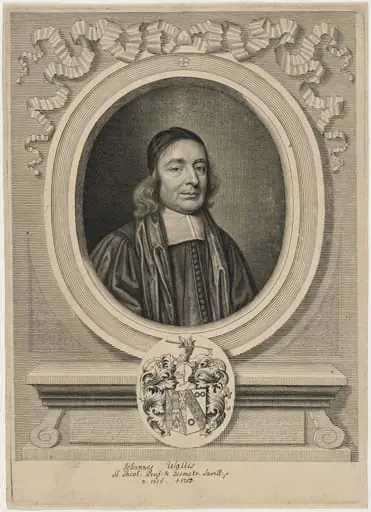 John Wallis, Mathematician
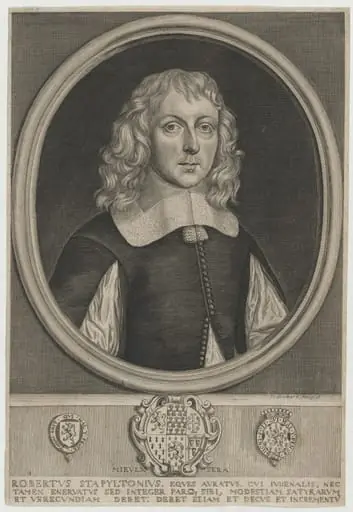 Sir Robert Stapylton, Dramatic Poet and Translator
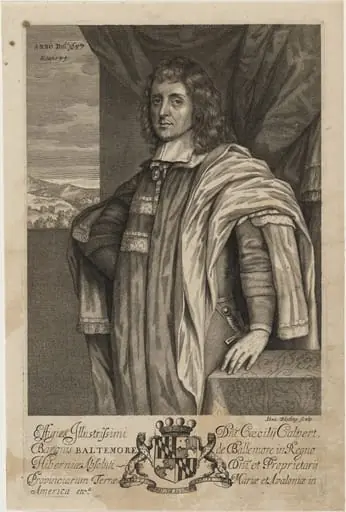 George Calvert, Lord Baltimore
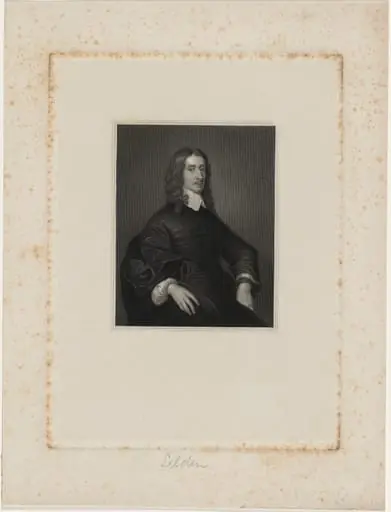 John Selden, Jurist and Antiquary
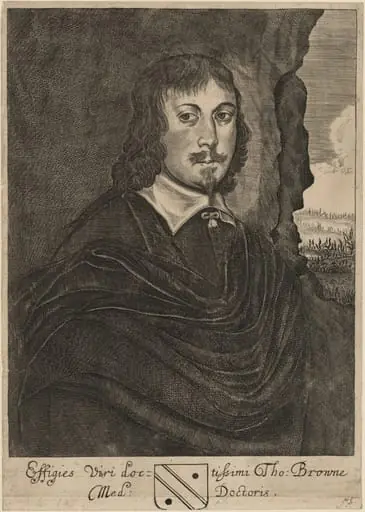 Tho. Browne, Med. Doctoris (Sir Thomas Browne, M.D.)
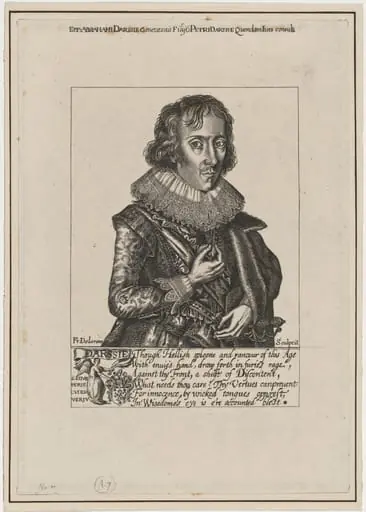 Abraham Darssie
 Henry More