Artwork
Nașterea lui Iisus Hristos
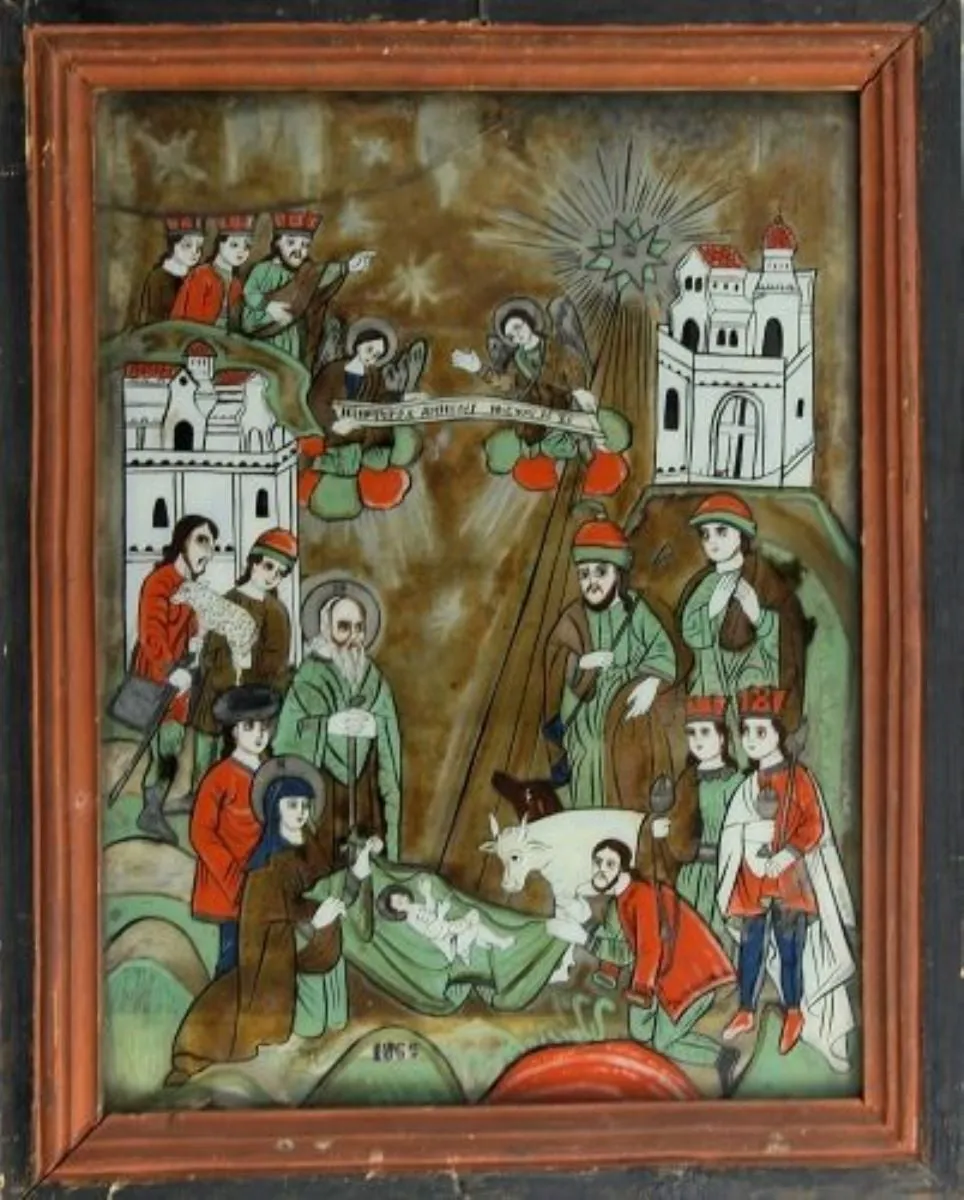
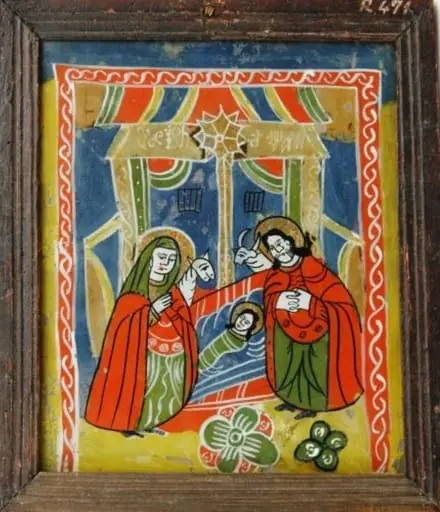
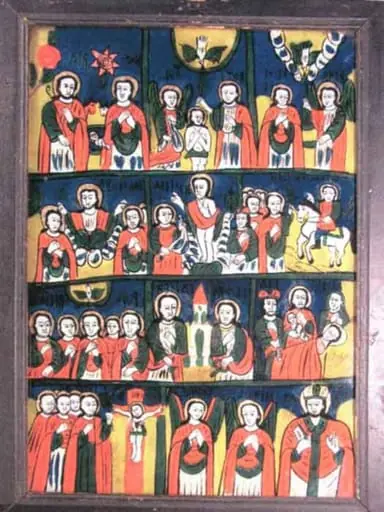
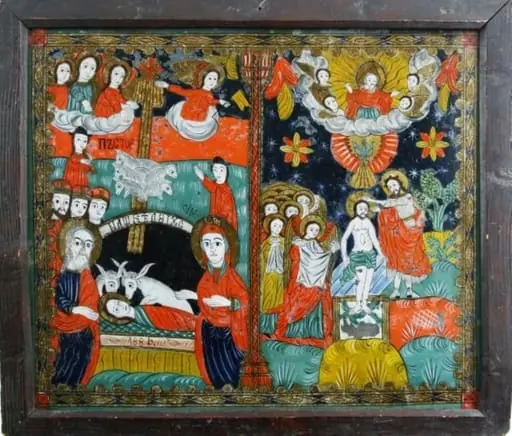
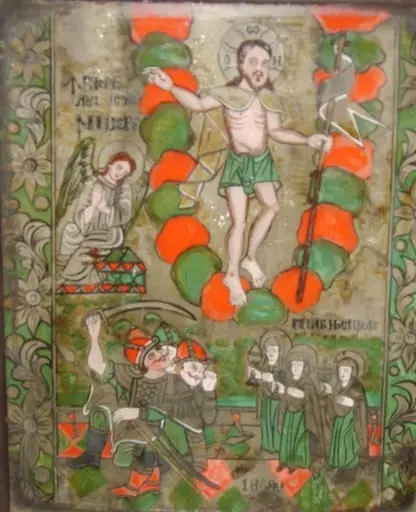
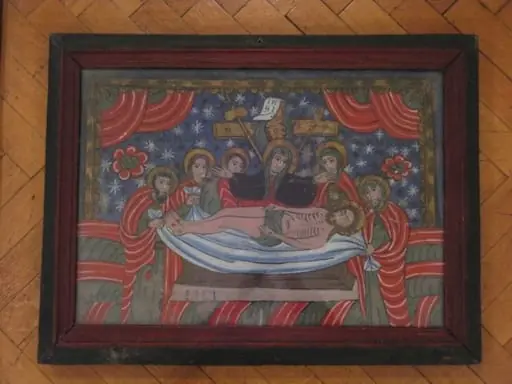
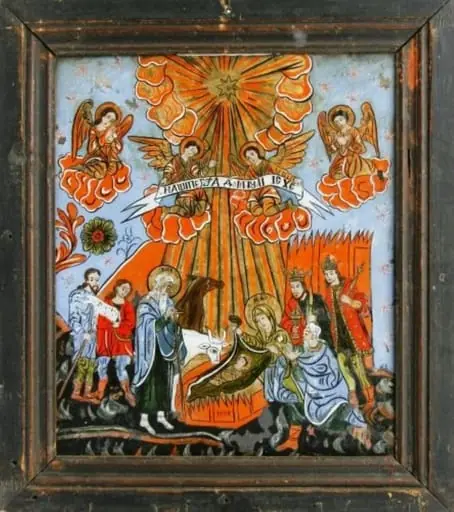
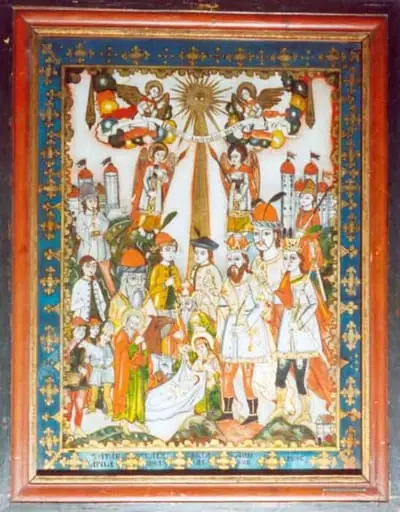
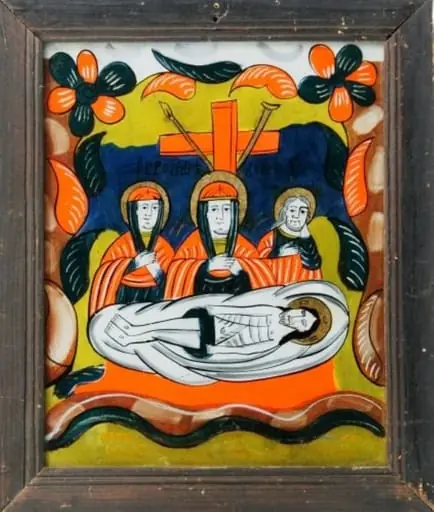
Nașterea lui Iisus Hristos is a drawing by the Impressionist artist Unknown. It dates from 1865 and is held in the collection of the Romanian Peasant Museum.
About this work
This drawing shows a scene of Jesus Christ's birth.
It's a simple drawing, but what's interesting is that it was made in 1865, a time when drawings like this were often used in religious settings. The details in the drawing are also notable, with lines and shapes used to create a sense of depth.
You can learn more about this style by looking into the technique of cross-hatching.
Overview
This 1865 drawing depicts the Nativity of Jesus Christ, rendered in a restrained, linear style typical of devotional illustrations of the period.
This 1865 drawing depicts the Nativity of Jesus Christ, rendered in a restrained, linear style typical of devotional illustrations of the period. Though modest in scale and detail, it reflects a tradition of religious imagery intended for private or congregational use. The composition centers on the infant Christ, surrounded by figures of Mary, Joseph, and likely shepherds or angels, arranged with symbolic clarity rather than naturalistic drama.
Subject & Meaning
The scene illustrates the biblical account of Christ’s birth in Bethlehem, emphasizing humility and divine presence. The figures are arranged to draw attention to the newborn, reinforcing theological themes of incarnation and grace. Absence of ornate detail underscores the spiritual simplicity valued in 19th-century devotional art, where emotional resonance outweighed theatricality.
Technique & Style
The artist employs linear techniques, including cross-hatching and controlled contour lines, to suggest volume and spatial depth without color or shading. The economy of marks reflects a functional aesthetic common in printed religious materials, where clarity and reproducibility were prioritized. Each line serves a structural or expressive purpose, avoiding excess while maintaining legibility.
History & Provenance
Created in 1865, the drawing likely originated in a religious or educational context, possibly as a preparatory sketch or reproduction for liturgical use. Its survival suggests it was preserved within a church, family, or institutional collection. No known artist is recorded, consistent with the anonymity common in devotional art of the era.
Context
In mid-19th-century Europe and America, hand-drawn religious images were widely circulated in pamphlets, hymnals, and classroom materials. This work aligns with a broader trend of simplifying biblical narratives for mass accessibility, often using line-based techniques that could be easily engraved or lithographed for wider distribution.
Legacy
The drawing stands as an example of how religious imagery functioned in everyday spiritual life before the dominance of photography and mass-printed color illustrations. Its preservation offers insight into the visual literacy of 19th-century faith communities, where minimal means conveyed profound narratives.
Artist & collection

 Domestic Scene
 Giacomo and Cardinal Marco, investing Andrea, Abbot of San Zeno, with his Benefice
 The Nymph of Fontainebleau
 Portrait of a Woman
 Madonna and Child with Saints in the Enclosed Garden
 Venus and Minerva
 Family Group of Four on Sofa
 Wall painting from Room H of the Villa of P. Fannius Synistor at Boscoreale