Artwork
One of six drawings of snakes, poised against a landscape with hills.
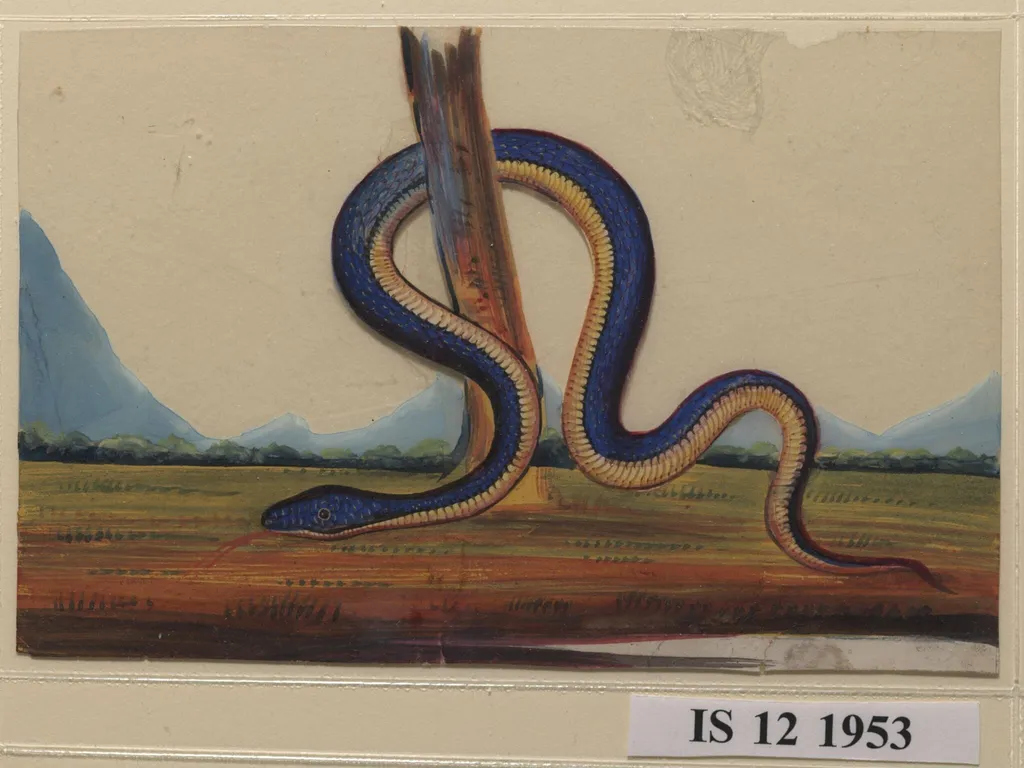
One of six drawings of snakes, poised against a landscape with hills. is a paint painting by the Impressionist artist Unknown. It dates from 1860 and is held in the collection of the Victoria and Albert Museum. Created in 1860, this small-scale painting shows a krait snake winding its body in an S‑curve across a gently undulating terrain.
About this work
Overview
Created in 1860, this small-scale painting shows a krait snake winding its body in an S‑curve across a gently undulating terrain. The serpent, rendered in deep blue with yellow highlights, occupies the central plane while muted brown‑green hills recede behind it, producing a tranquil composition that balances animal and landscape.
Subject & Meaning
The work focuses on the Indian krait (Bungarus), a venomous species often associated with both danger and reverence in local culture. By placing the snake amid a peaceful hillside, the image suggests a harmonious coexistence between the creature and its natural environment, inviting contemplation of the animal’s role within the landscape.
Technique & Style
Executed on a mica surface, the painting employs chiaroscuro to model the snake’s scales and the terrain’s texture, creating a subtle three‑dimensional effect. The limited palette of blues, yellows, and earth tones enhances the contrast between the glossy serpent and the matte hills, while the smooth, reflective mica adds a distinctive sheen.
History & Provenance
The piece is one of a series of six similar snake studies. It entered the collection through a donation by Miss W.F. Cleare, whose involvement indicates a 19th‑century interest in exotic natural subjects. Such mica paintings were reportedly produced for tourists at the Nilgiri hill station of Ootacamund, reflecting the period’s market for souvenir art.
Context
During the mid‑1800s, British colonial presence in South India spurred demand for local wildlife depictions, often sold to visitors at hill stations. The use of mica, a locally sourced mineral, catered to travelers seeking portable, durable artworks that could be displayed in European homes.
Legacy
Although the artist remains unidentified, the work exemplifies a niche genre of colonial-era naturalist painting. Its survival within a museum collection provides insight into the visual culture of the Nilgiri region and the broader patterns of cross‑cultural artistic exchange in the nineteenth century.
Artist & collection

 Domestic Scene
 Giacomo and Cardinal Marco, investing Andrea, Abbot of San Zeno, with his Benefice
 The Nymph of Fontainebleau
 Portrait of a Woman
 Madonna and Child with Saints in the Enclosed Garden
 Venus and Minerva
 Family Group of Four on Sofa
 Wall painting from Room H of the Villa of P. Fannius Synistor at Boscoreale
 Ruru
Ruru A peacock
 Studiu de peisaj. În prim-plan, iarbă colorată în culorile toamnei (verde, ocru, roșu, indigo). În plan îndepărtat, un gard negru, în spatele căruia se observă culoarea roșie reflectorizantă, indigo și albastru spre marginea de sus. Tușe surte care agită suprafața. Disonanță cromatică. Semnat cu indigo, dreapta jos: Victor M. Craiu.
 Peisaj Deltă
 Gebel Attaka
 Peisaj (cu stradă)
 Vishnu as Matsya
 Krishna and Kaliya
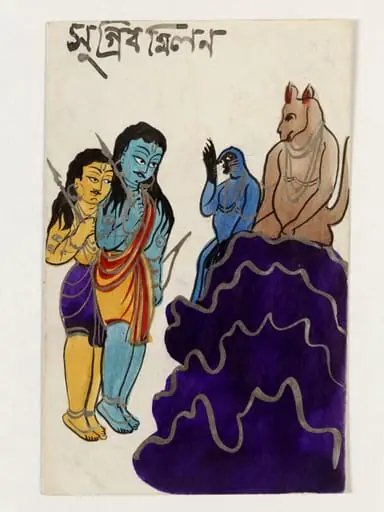 Rama, Lakshman and Sugriva
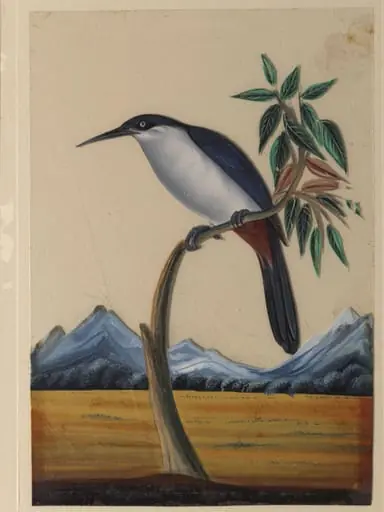 An unidentified bird
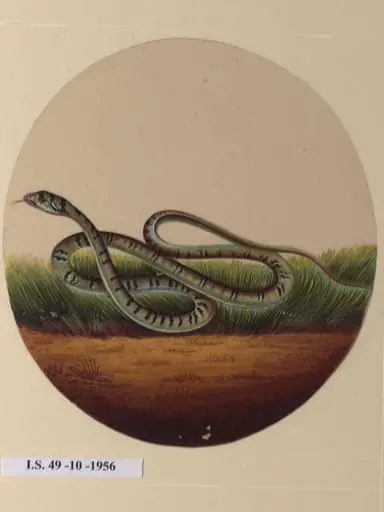 One of twelve drawings of birds and reptiles, insects and flowers.
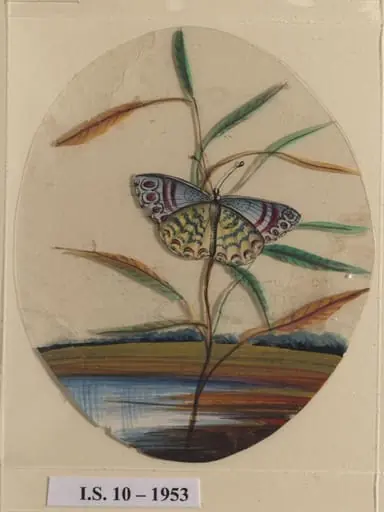 An unidentified butterfly on a leaf