Artwork
Legendary story about the magic peach
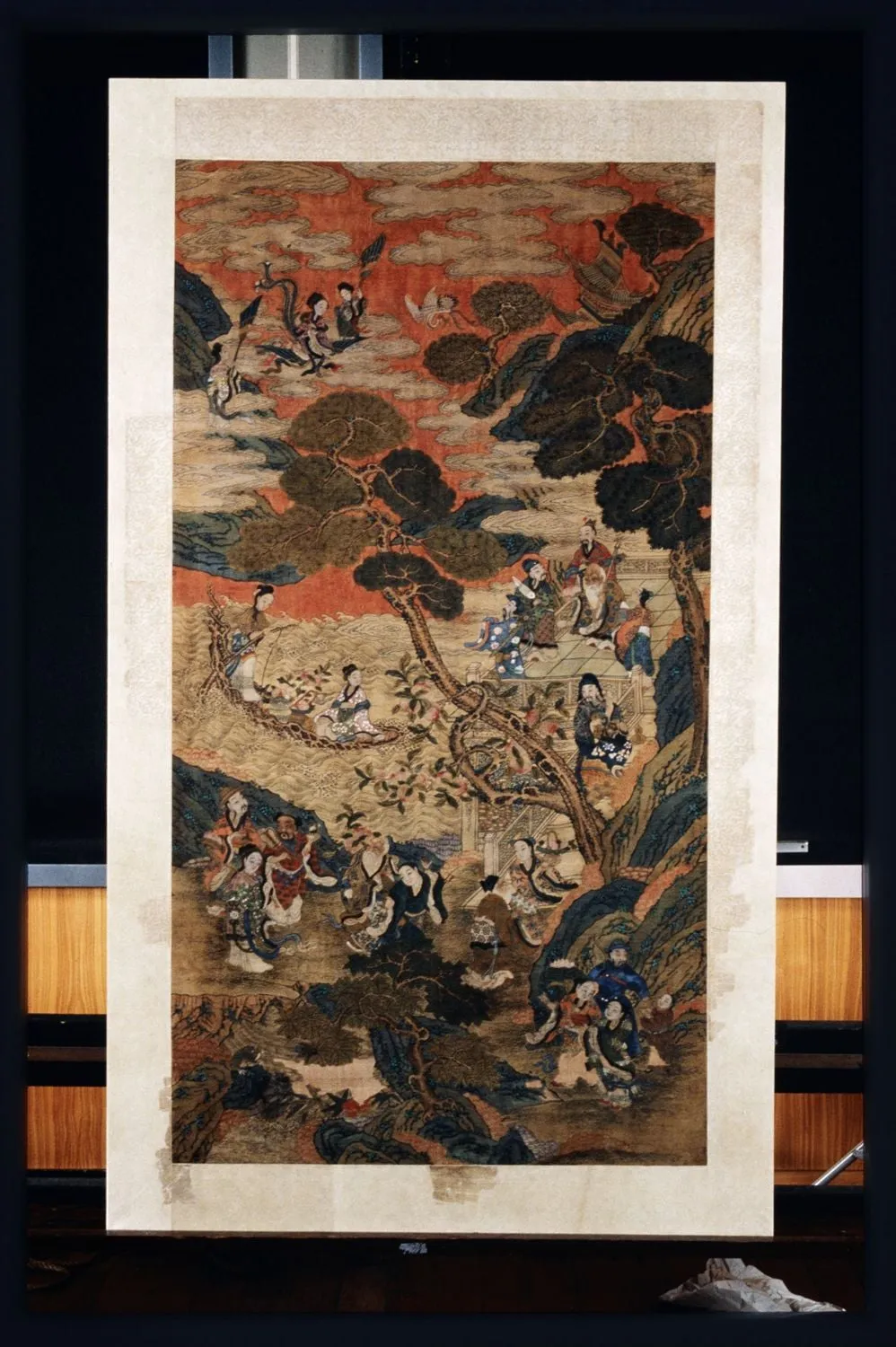
Legendary story about the magic peach is a photography by the Baroque artist Unknown. It dates from 1701. This painting depicts a mythological gathering centered around a large, curved peach tree.
About this work
Overview
Figures in historical attire are arranged in varied poses beneath its branches, accompanied by birds and a dragon.
This painting depicts a mythological gathering centered around a large, curved peach tree. Figures in historical attire are arranged in varied poses beneath its branches, accompanied by birds and a dragon. The background features a vivid red field with drifting clouds, while rocky hills recede into the distance. The composition is densely detailed, with rich colors and careful attention to natural and supernatural elements.
Subject & Meaning
The scene draws from Chinese folklore, likely referencing the Peaches of Immortality associated with the Queen Mother of the West. The presence of a dragon and celestial birds suggests divine or otherworldly beings. Figures gathered beneath the tree may represent immortals or devotees partaking in a sacred banquet, symbolizing longevity and transcendence.
Technique & Style
The work employs fine brushwork and layered pigments to render textures in foliage, fabric, and rock. Figures are rendered with precise detail, while the red background creates a symbolic, non-naturalistic space. The curved branches of the peach tree guide the viewer’s eye through the composition, integrating human and mythical elements into a harmonious, decorative whole.
History & Provenance
The painting’s origins are tied to East Asian courtly or religious traditions, possibly from the Ming or Qing dynasties. It may have been commissioned for imperial or temple use, reflecting Daoist or folk beliefs in immortality. Its survival suggests preservation within a collector’s lineage or institutional collection, though specific provenance remains undocumented.
Context
This image aligns with traditional Chinese narrative painting, where mythological themes were rendered with symbolic rather than realistic conventions. Unlike Western Baroque art, it does not emphasize perspective or dramatic lighting, but instead uses color and arrangement to convey spiritual meaning. Similar motifs appear in temple murals and imperial scrolls from the same period.
Legacy
The painting contributes to a broader visual language of immortality in East Asian art, influencing later decorative arts and illustrated texts. Its enduring presence in collections reflects continued interest in mythological symbolism. While not widely known outside specialized circles, it remains a representative example of narrative painting rooted in Daoist cosmology.
Artist & collection
Artist
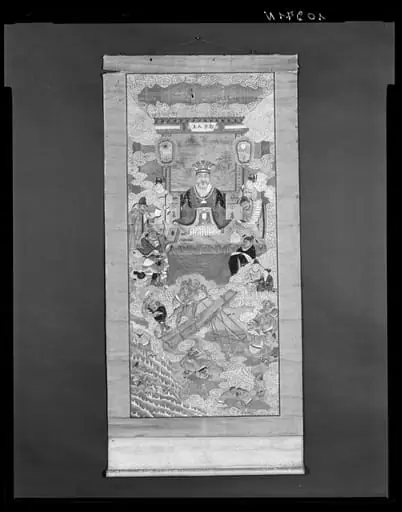
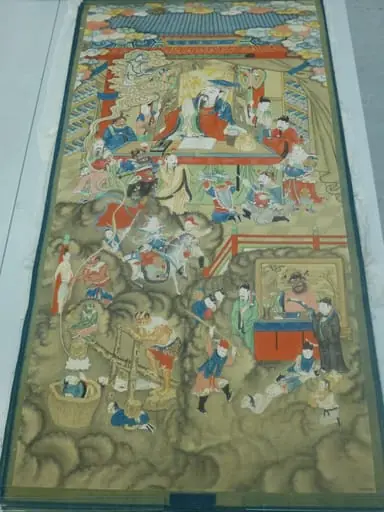 The Ten Kings of Purgatory: King Qinguang of the First Court
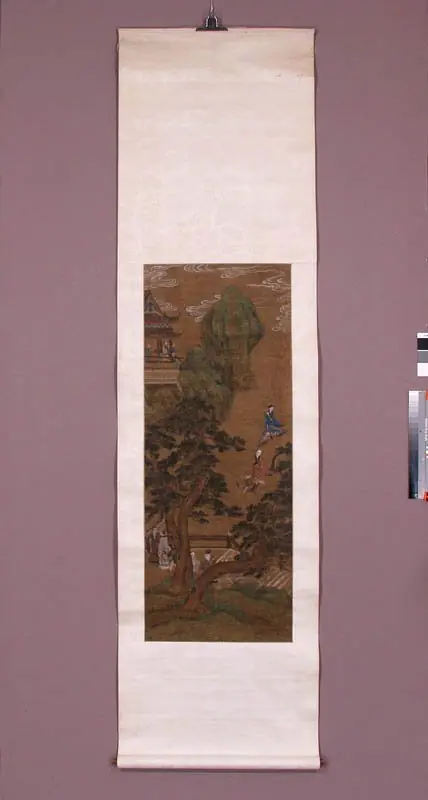 Spotkanie Ośmiu Nieśmiertelnych
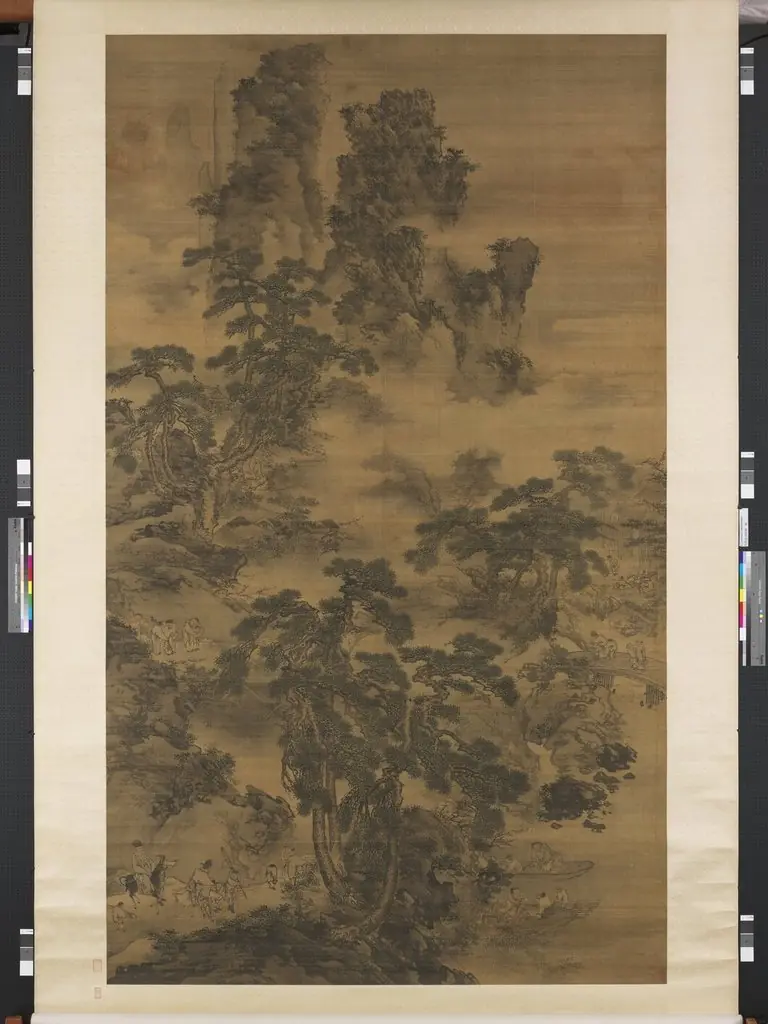 明戴進春酣圖 軸
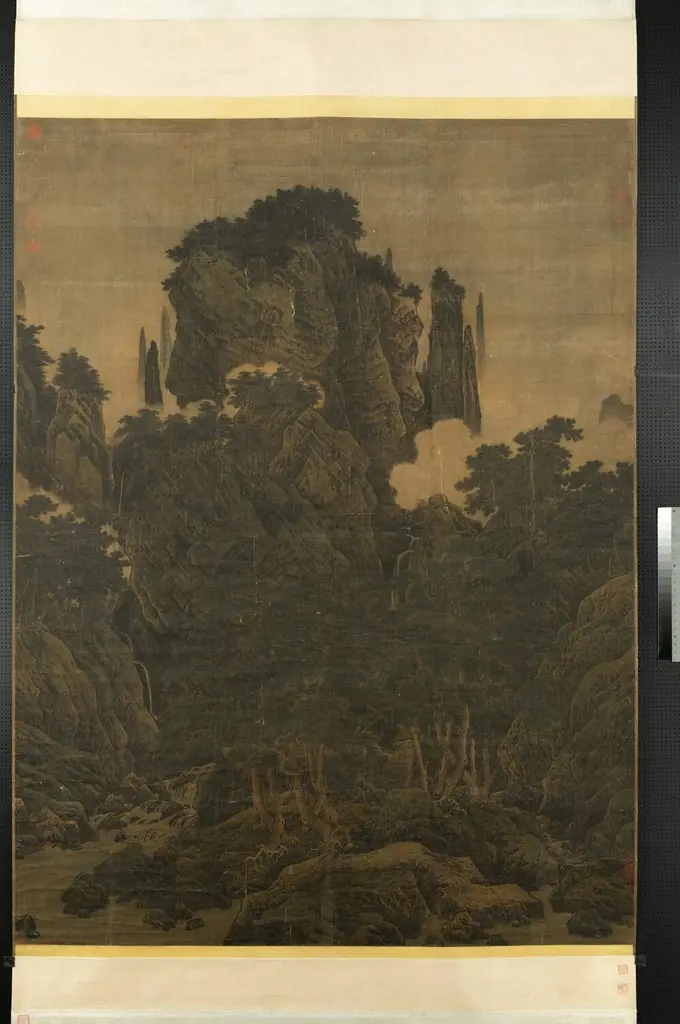 宋李唐萬壑松風圖 軸
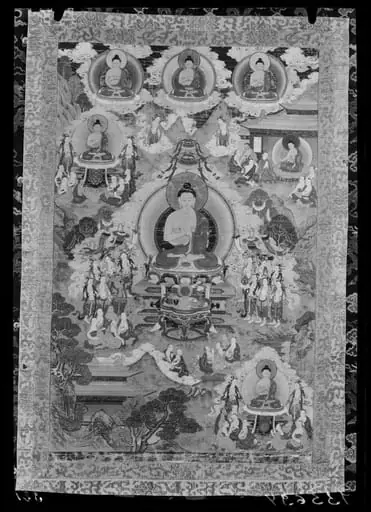
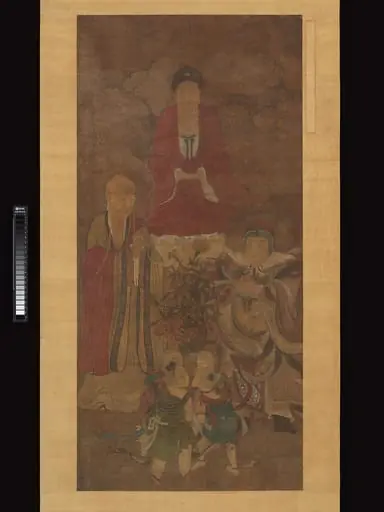 明 佚名 禮佛圖 軸|Shakyamuni with luohan, heavenly king, and boys
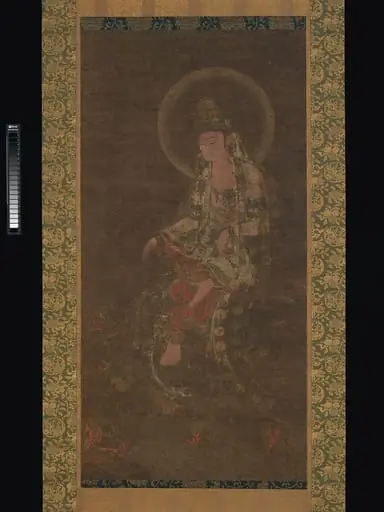 작자미상 수월관음도 고려|作者未詳 水月觀音圖 高麗|Water-Moon Avalokiteshvara
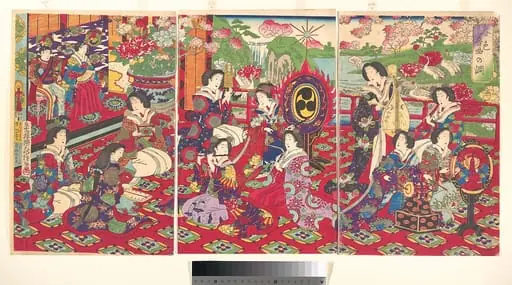 Shunshoku, Onkyoku no Shirabe|Spring Scenery; Melody of a Musical Performance
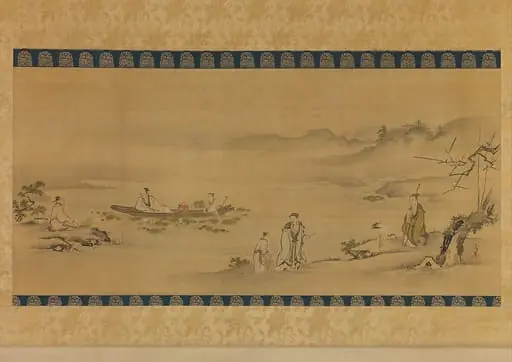 狩野常信筆 四愛図 |Four Admirers
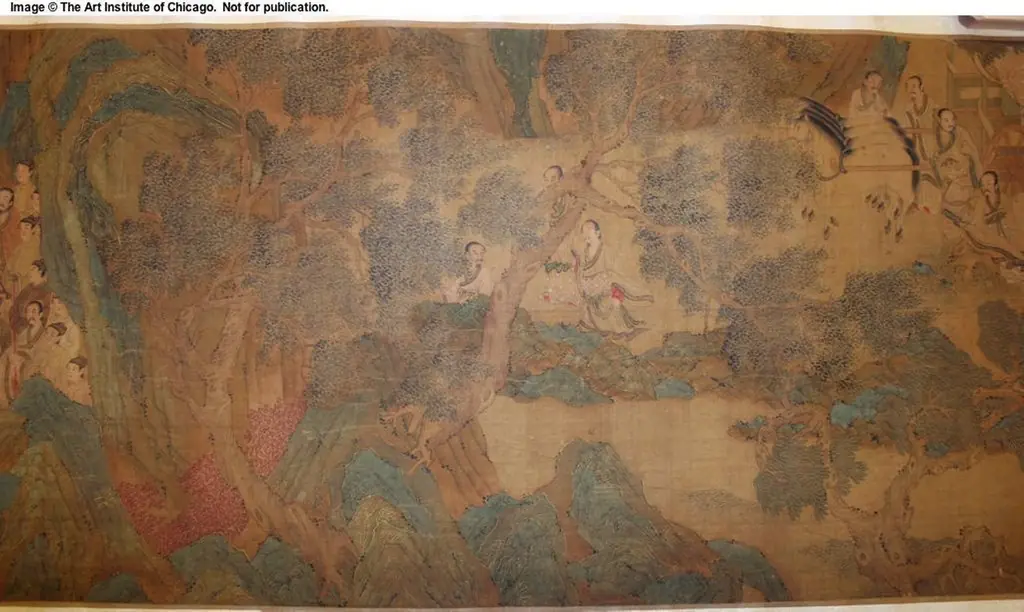 King Yu Moving a Mountain to Control the Floods
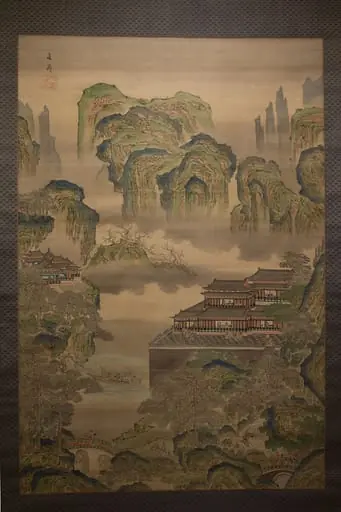 Untitled
 Buddhist Panel
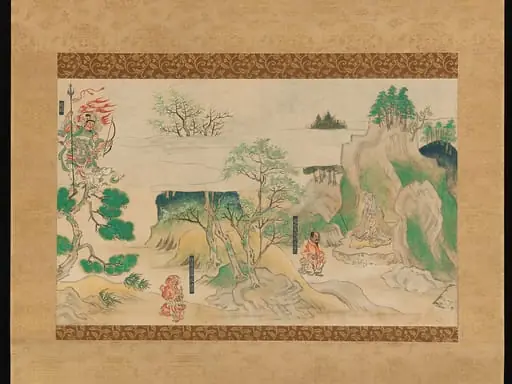 神於寺縁起絵巻断簡|Scene from The Illustrated Legends of Jin’ōji Temple