Artwork
strachină
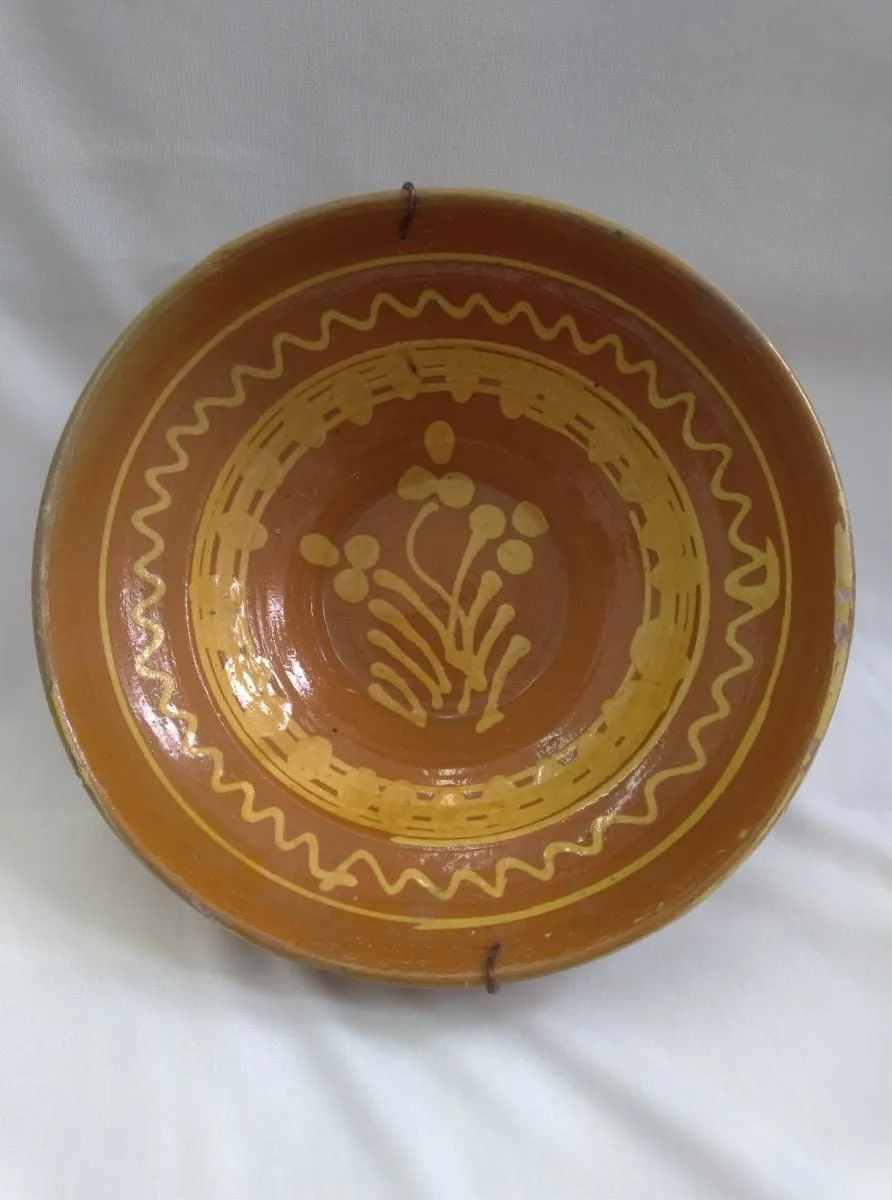
strachină is a photography by Unknown. It dates from 1983 and is held in the collection of the Moldova National Museum Complex. A small, hand-formed ceramic bowl, roughly circular and earthy brown in tone, features minimal decorative elements.
About this work
The rim has a wavy yellow line, and inside that, there’s a small painted flower with three leaves and three round shapes at the center.
This is a round, earthy-brown bowl with a simple design. The rim has a wavy yellow line, and inside that, there’s a small painted flower with three leaves and three round shapes at the center. The bowl looks handmade, with a slightly uneven edge.
The photo was taken in 1983, showing a bowl likely used in everyday life. The colors are muted but bright enough to stand out.
If you like this kind of traditional craft, check out the Museum of Ethnography.
Overview
A small, hand-formed ceramic bowl, roughly circular and earthy brown in tone, features minimal decorative elements. Its rim is accented by a thin, undulating yellow band, beneath which a simple floral motif is painted. The vessel shows signs of handcrafting, with an irregular edge suggesting it was shaped by hand rather than on a wheel. The object appears functional, not ceremonial, and was photographed in 1983 as part of a domestic collection.
Subject & Meaning
The decoration consists of a stylized flower with three petals and three rounded forms at its center, possibly representing seeds or buds. The design lacks complex symbolism, instead reflecting a local tradition of modest ornamentation on utilitarian objects. The motif may signify growth or seasonal cycles, but its primary role seems aesthetic—adding subtle visual interest to an everyday vessel.
Technique & Style
The bowl was likely coil-built and fired at low temperatures, resulting in a porous, uneven surface. Paint was applied with a fine brush or stick, using natural pigments that have faded slightly over time. The yellow rim and floral pattern contrast gently against the brown clay, using a restrained palette. The lack of glaze and asymmetry confirm its handmade origin and regional craft practices.
History & Provenance
Photographed in 1983, the bowl was part of a private or community collection, possibly from a rural household in Eastern Europe. No documented lineage exists, but its form and decoration align with folk pottery traditions from the Carpathian region. Its preservation suggests it was valued for utility rather than display, and may have been in daily use until the mid-20th century.
Context
This bowl belongs to a broader tradition of domestic ceramics produced in small-scale, non-industrial settings across rural Eastern Europe. Similar vessels were used for storing food, serving meals, or holding water. Decoration was often localized and passed down informally, with motifs varying by village. The absence of mass production marks supports its status as a personal, community-made object.
Legacy
The bowl represents an understated but enduring form of vernacular craftsmanship. Though not widely documented, such objects inform contemporary studies of material culture and rural life. Institutions like the Museum of Ethnography preserve similar pieces to document the quiet continuity of everyday art in pre-industrial societies.
Artist & collection
 Domestic Scene
 Giacomo and Cardinal Marco, investing Andrea, Abbot of San Zeno, with his Benefice
 The Nymph of Fontainebleau
 Portrait of a Woman
 Madonna and Child with Saints in the Enclosed Garden
 Venus and Minerva
 Family Group of Four on Sofa
 Wall painting from Room H of the Villa of P. Fannius Synistor at Boscoreale
 strachină
 strachină
 Strachină cu toartă
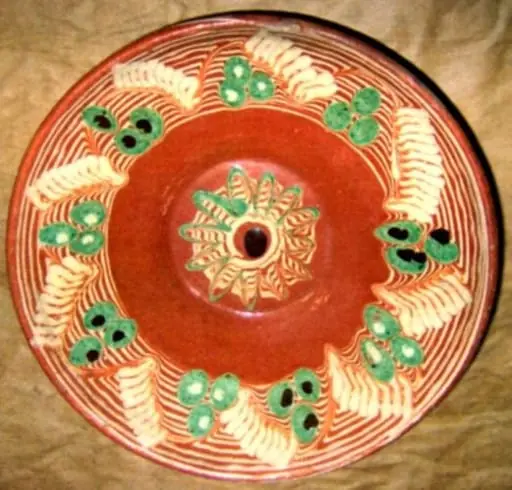 strachină
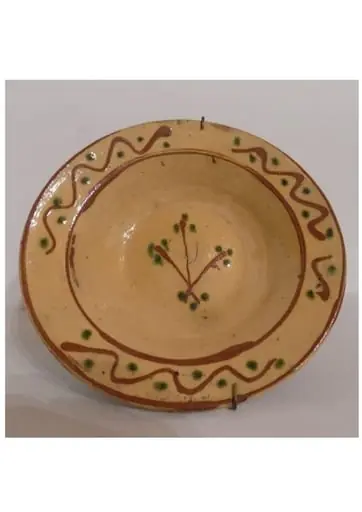 Talger
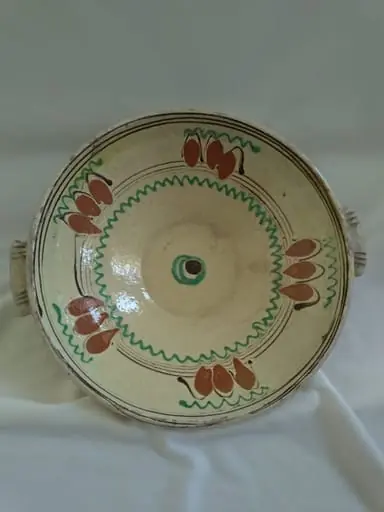
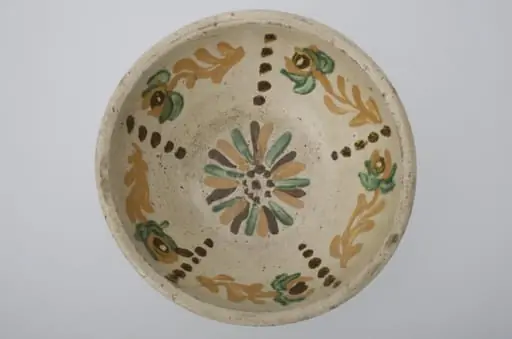 Strachină de formă tronconică, cu pereții oblici puțin curbați, smălțuită numai în interior. Decor central floarea soarelui, iar pe pereții laterali avem un chenar floral. Cromatică: fond: alb; motive: brun; galben; verde.
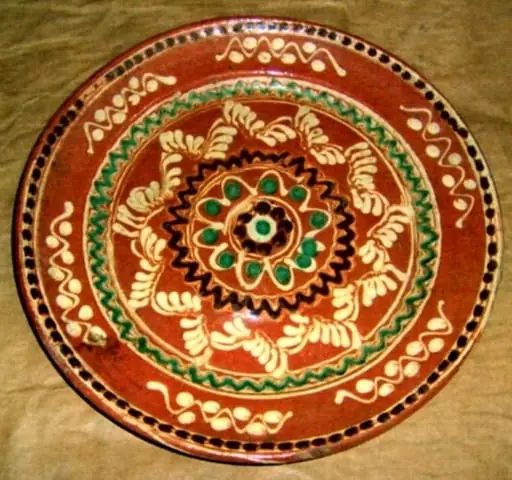 farfurie
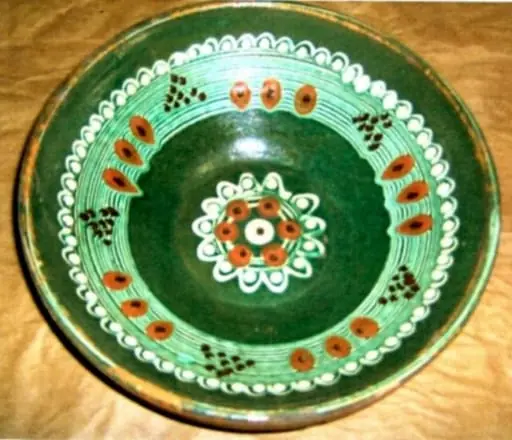 strachină
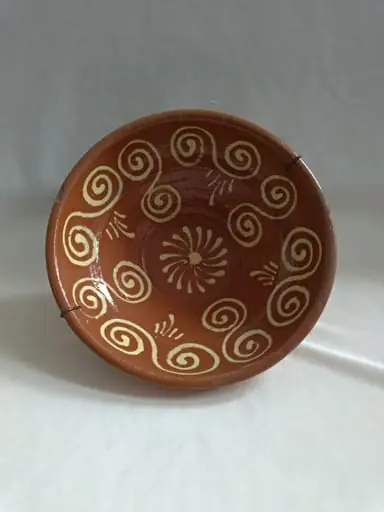
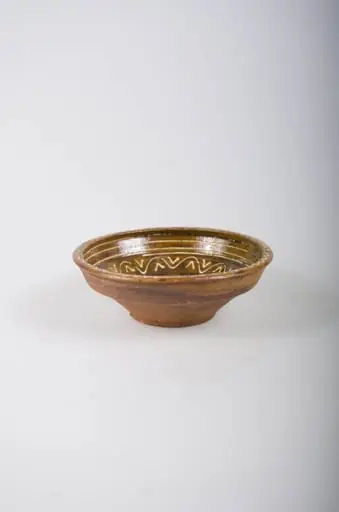 Recipient tronconic, cu gura mai largă decât baza, cu buza dreaptă și înaltă. Acesta este smălțuit doar la interior. Vasul este decorat prin pictare cu cornul, cu ornamente geometrice: spirală pe fund, linii circulare, linii vălurite și ”V”-uri înscrise pe pereți și decorații de tip val pe margine. Din punct de vedere al cromaticii, se observă un fond ocru la interior, cărămiziu la exterior, motivele fiind pictate cu alb.
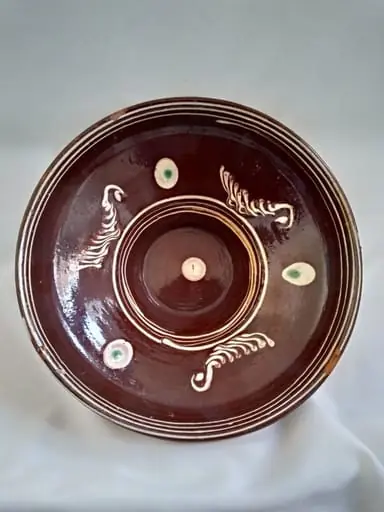
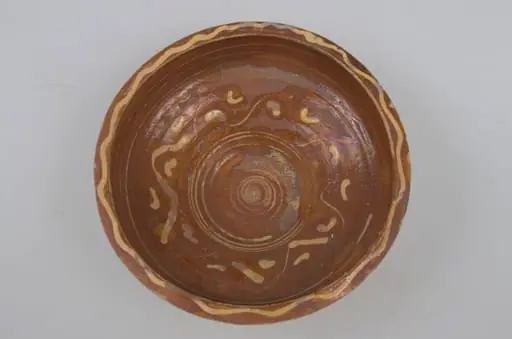 Vas tronconic puțin adâncit de culoare cărămizie smălțuit în interior. Prezintă decorații executate cu culoare albă sub formă de val pe margini, alternanță val-puncte și linii în interior. Spirală pe fundul vasului.
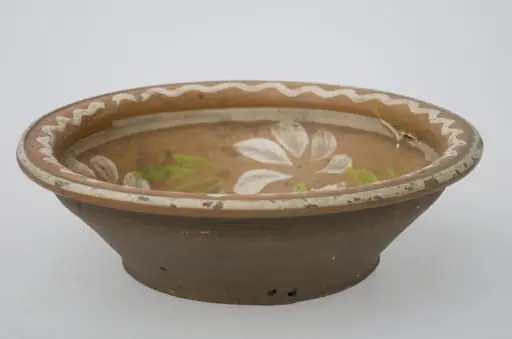 Vas adânc de formă tronconică, cu marginea bombată și evazată marcată de o linie în relief. Smălțuit numai în interior. Prezintă decor floral, iar pe margine două cercuri încadrează o linie frântâ. Cromatică: fond: cărămiziu; motive: alb, verde.