Artwork
Untitled
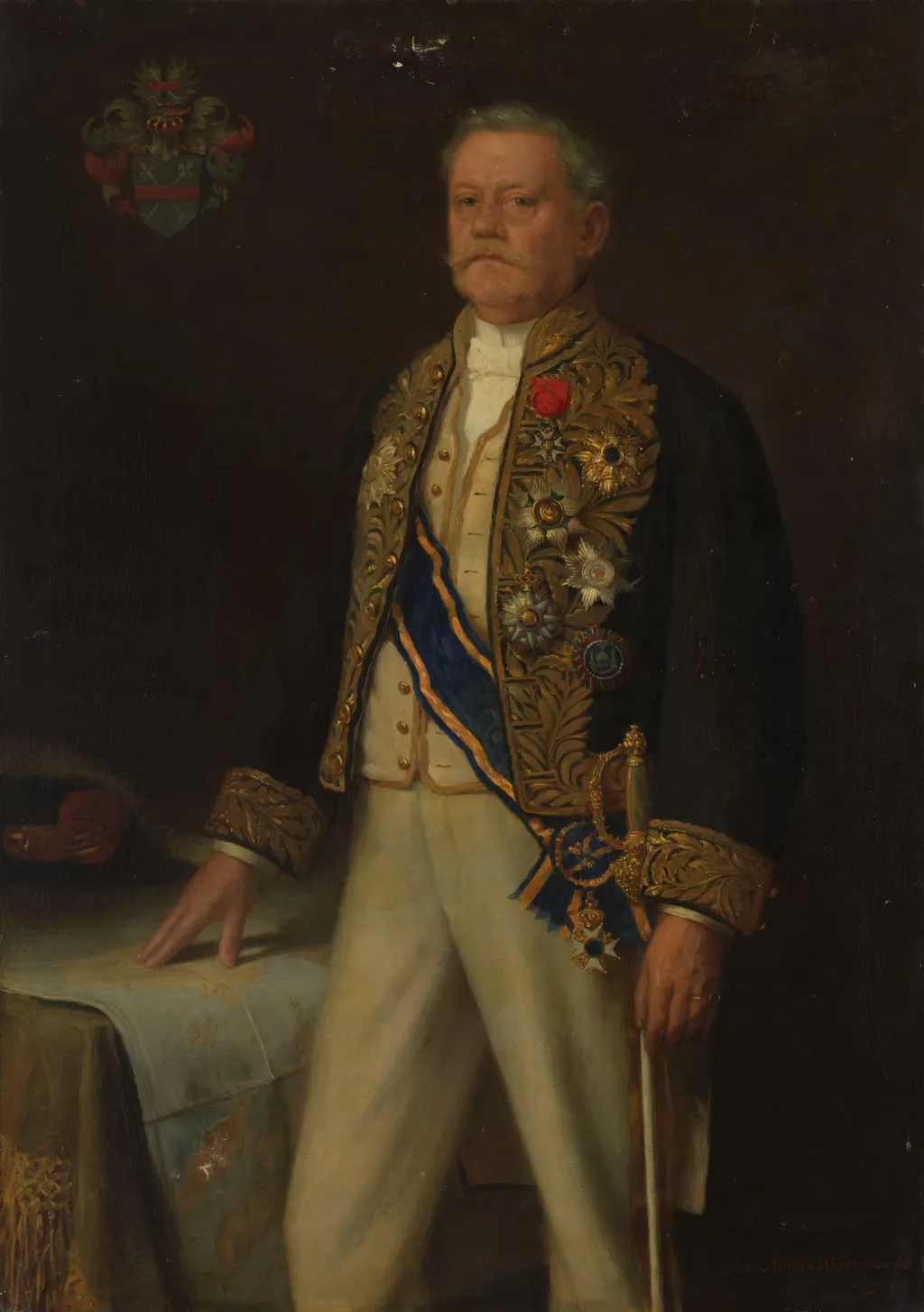
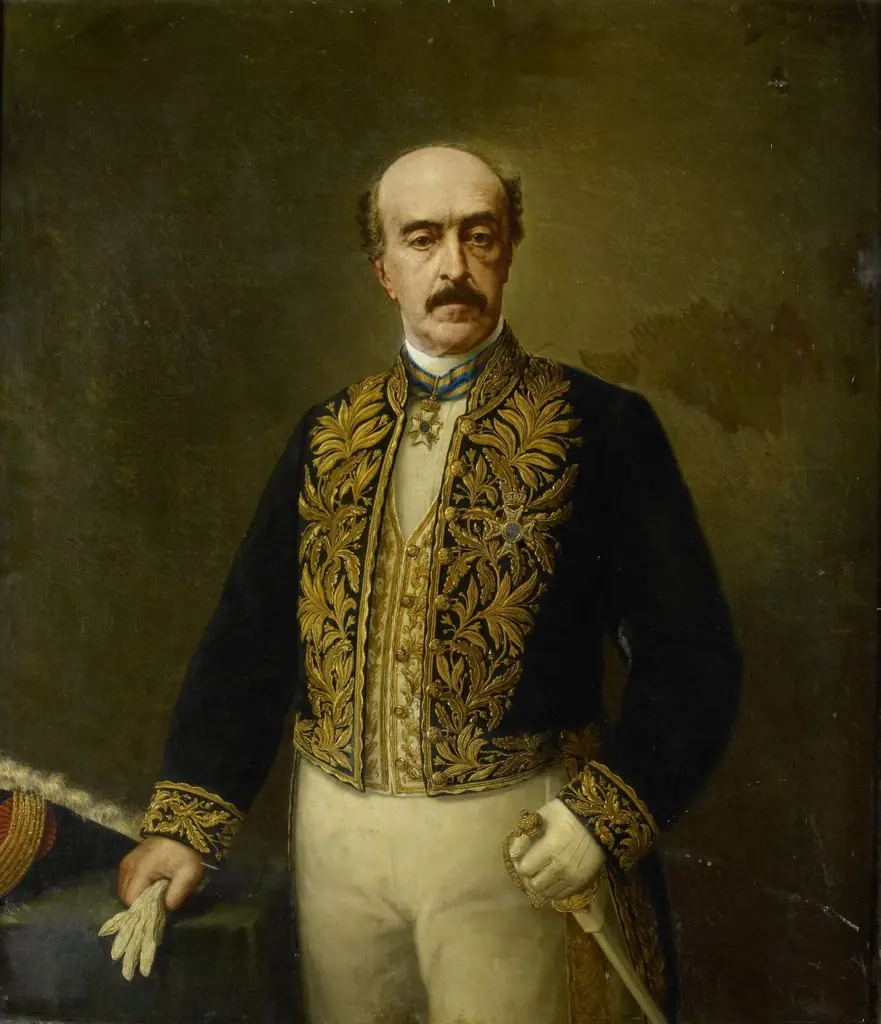
Untitled is an unspecified painting by the Dutch Golden Age artist Unknown. It dates from 1900 and is held in the collection of the Rijksmuseum. This painting depicts Carel Herman Aart van der Wijck, who served as Governor-General of the Dutch East Indies from 1893 to 1899.
About this work
Overview
This painting depicts Carel Herman Aart van der Wijck, who served as Governor-General of the Dutch East Indies from 1893 to 1899.
This painting depicts Carel Herman Aart van der Wijck, who served as Governor-General of the Dutch East Indies from 1893 to 1899. It is one of a group of official portraits commissioned to document the colony’s leadership. The figure stands in formal attire beside a table, with a large map of the archipelago spread before him. A family crest is positioned in the upper left, signaling lineage and status. The work belongs to a broader colonial administrative tradition of visual record-keeping.
Subject & Meaning
Van der Wijck is portrayed not merely as an individual but as an agent of imperial authority. His hand resting on the unfolded map of Indonesia underscores his administrative role over the territory. The map functions as a symbol of control and knowledge, reinforcing the colonial framework in which governance was exercised. The inclusion of the family crest ties personal identity to institutional power, suggesting hereditary legitimacy within the colonial hierarchy.
Technique & Style
The composition follows the conventions of 19th-century official portraiture: formal pose, restrained palette, and clear spatial organization. The figure is rendered with precision, while the map and crest are rendered with symbolic clarity rather than detailed realism. The background remains unadorned, directing focus to the subject and his emblematic objects. The medium and brushwork remain undocumented, but the style aligns with academic traditions of the period.
History & Provenance
The painting was created during or shortly after van der Wijck’s term as Governor-General, likely as part of a state-sponsored series documenting colonial leadership. Its original location is unknown, though such portraits were often displayed in government buildings in Batavia or The Hague. The artist has not been identified, and no records confirm its acquisition or movement after its creation. It remains part of an incomplete historical archive of colonial imagery.
Context
This portrait emerged during a period of intensified Dutch administrative presence in the East Indies, when visual culture was used to legitimize colonial rule. Similar portraits of governors were commissioned to reinforce the image of orderly, authoritative governance. The emphasis on territorial control through cartography reflects broader imperial practices of mapping and claiming land. These images served both ceremonial and political functions within colonial institutions.
Legacy
The portrait contributes to a visual archive of Dutch colonial administration, now viewed as historical evidence of imperial ideology. While once used to affirm state authority, it is today studied for its representation of power dynamics and territorial assertion. Its anonymity as a work—lacking a credited artist—mirrors the institutional nature of colonial portraiture, where the system mattered more than the individual creator.
Artist & collection

 Domestic Scene
 Giacomo and Cardinal Marco, investing Andrea, Abbot of San Zeno, with his Benefice
 The Nymph of Fontainebleau
 Portrait of a Woman
 Madonna and Child with Saints in the Enclosed Garden
 Venus and Minerva
 Family Group of Four on Sofa
 Wall painting from Room H of the Villa of P. Fannius Synistor at Boscoreale
 Untitled
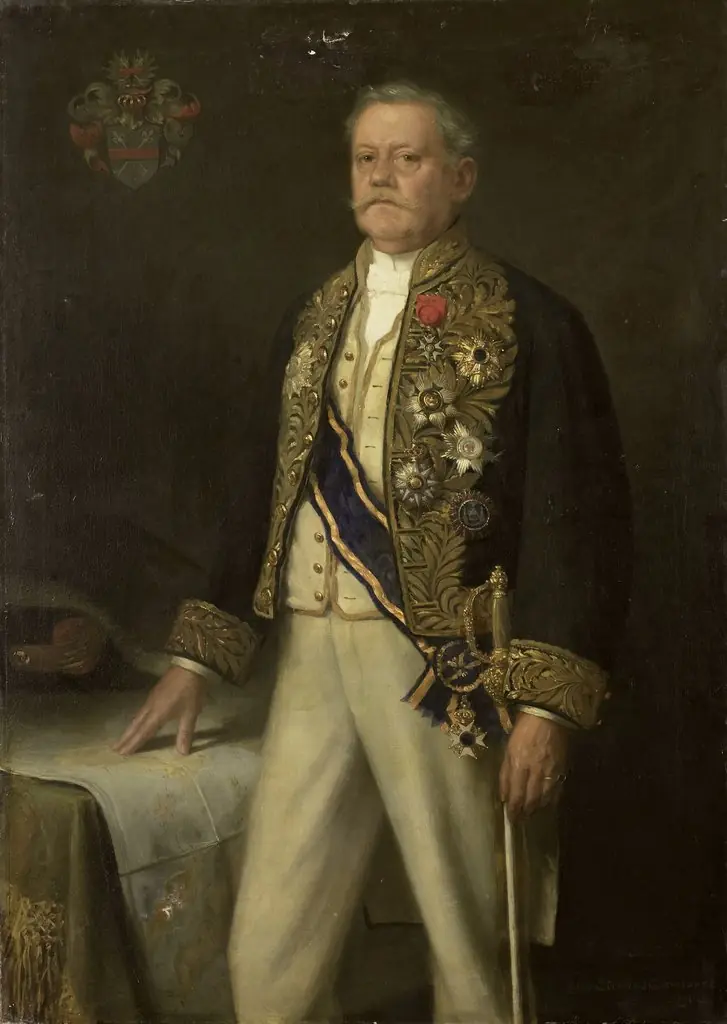 Carel Herman Aart van der Wijck (1840-1914). Gouverneur-generaal (1893-99)
 Untitled
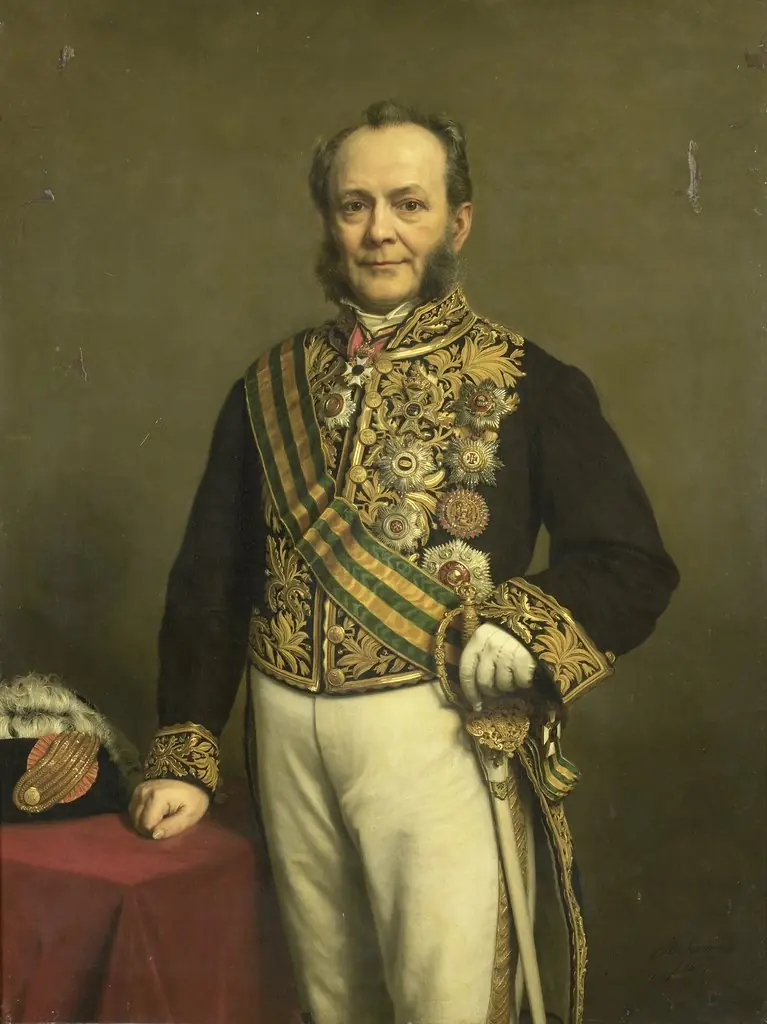 Pieter Mijer (1812-81). Gouverneur-generaal (1866-71)
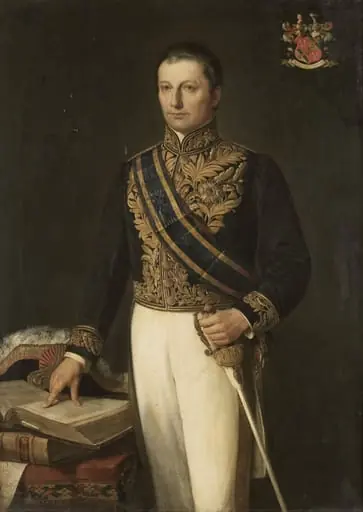 Untitled
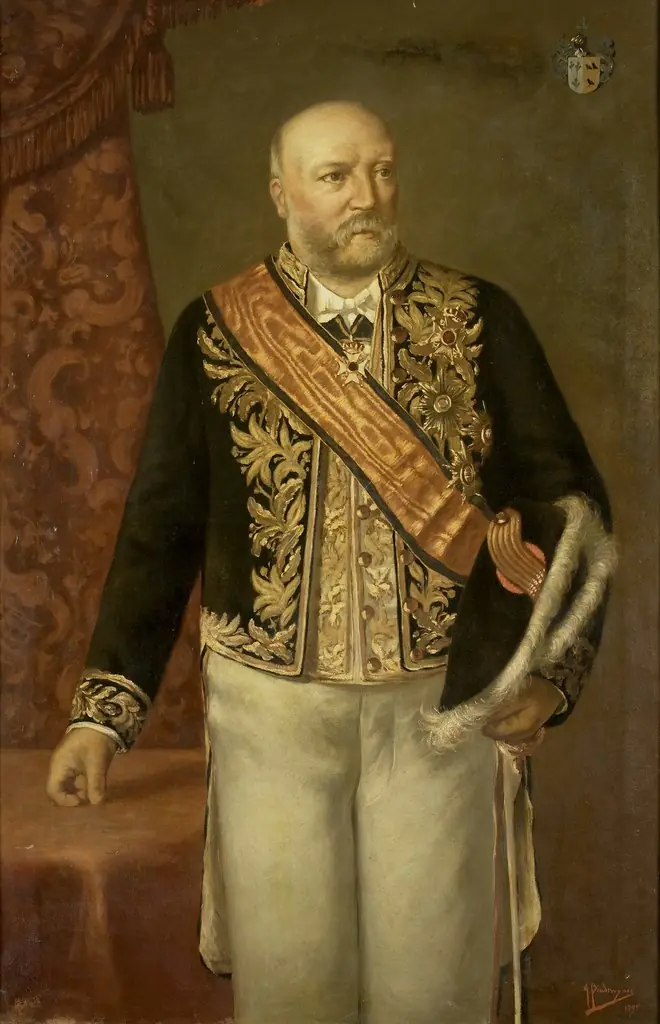 Cornelis Pijnacker Hordijk (1847-1908). Gouverneur-generaal (1888-93)
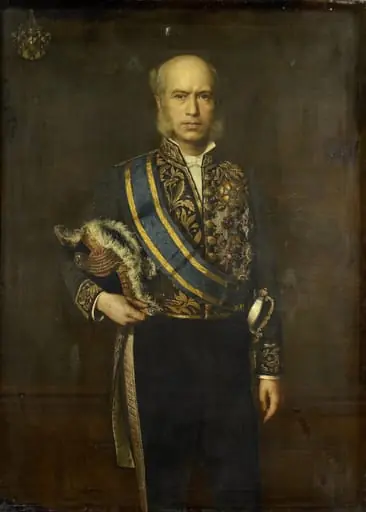 Untitled
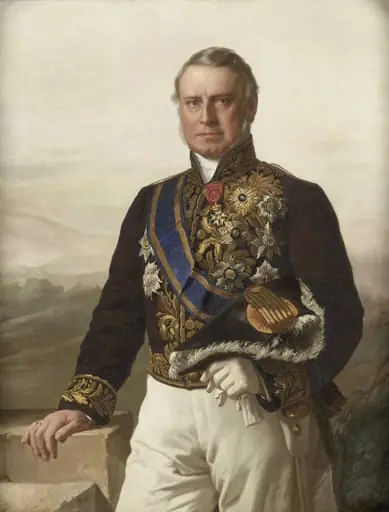 Untitled
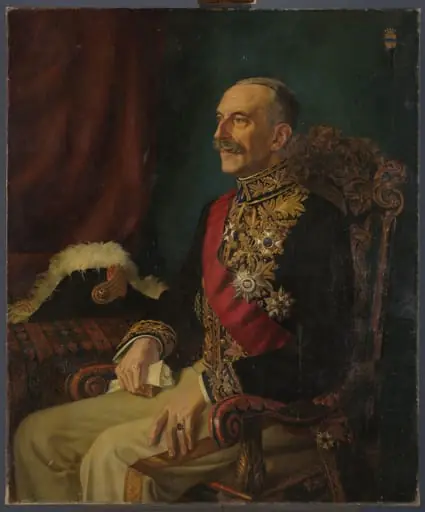 Untitled
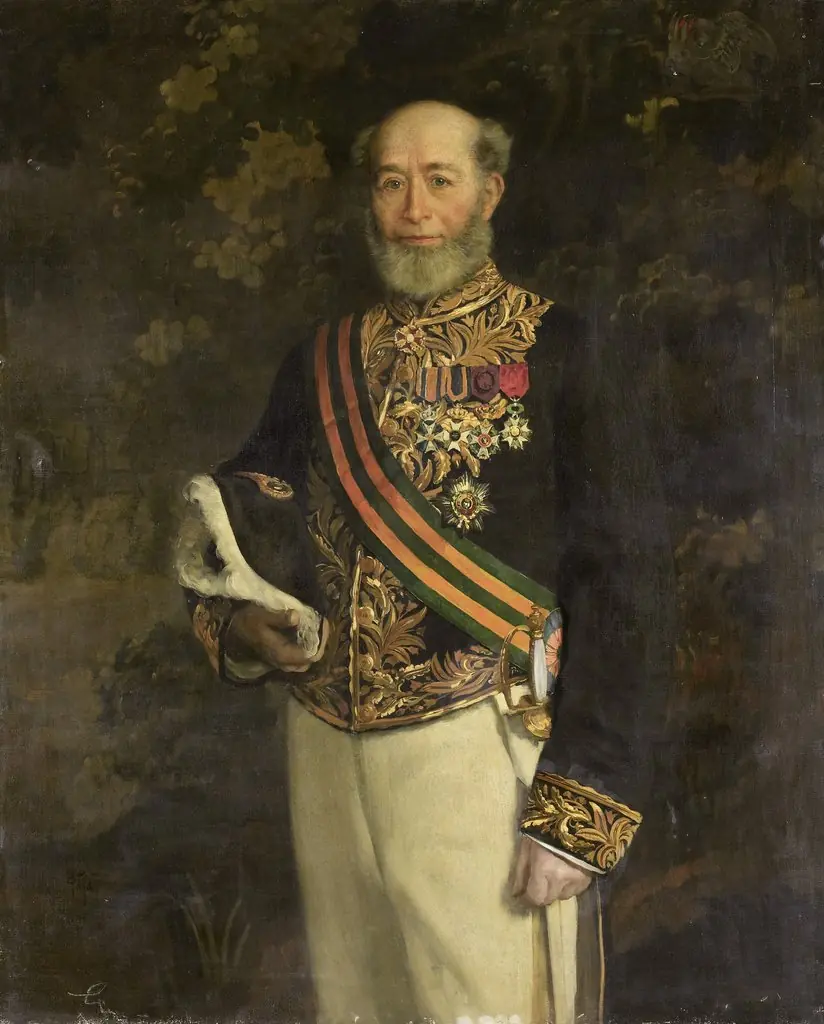 Frederik s'Jacob (1822-1901). Gouverneur-generaal (1880-84)
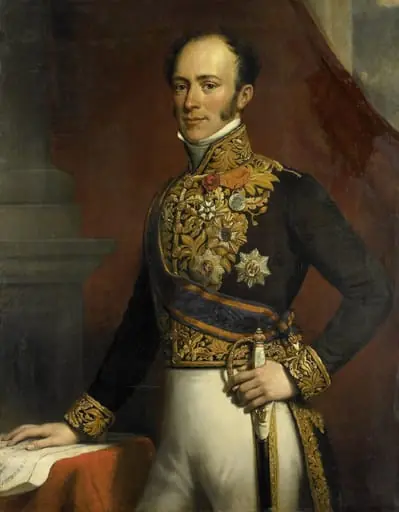 Portrait of Jan Jacob Rochussen, Governor-General of the Dutch East Indies
 Otto van Rees (1823-92). Gouverneur-generaal (1884-88)