Artwork
Untitled
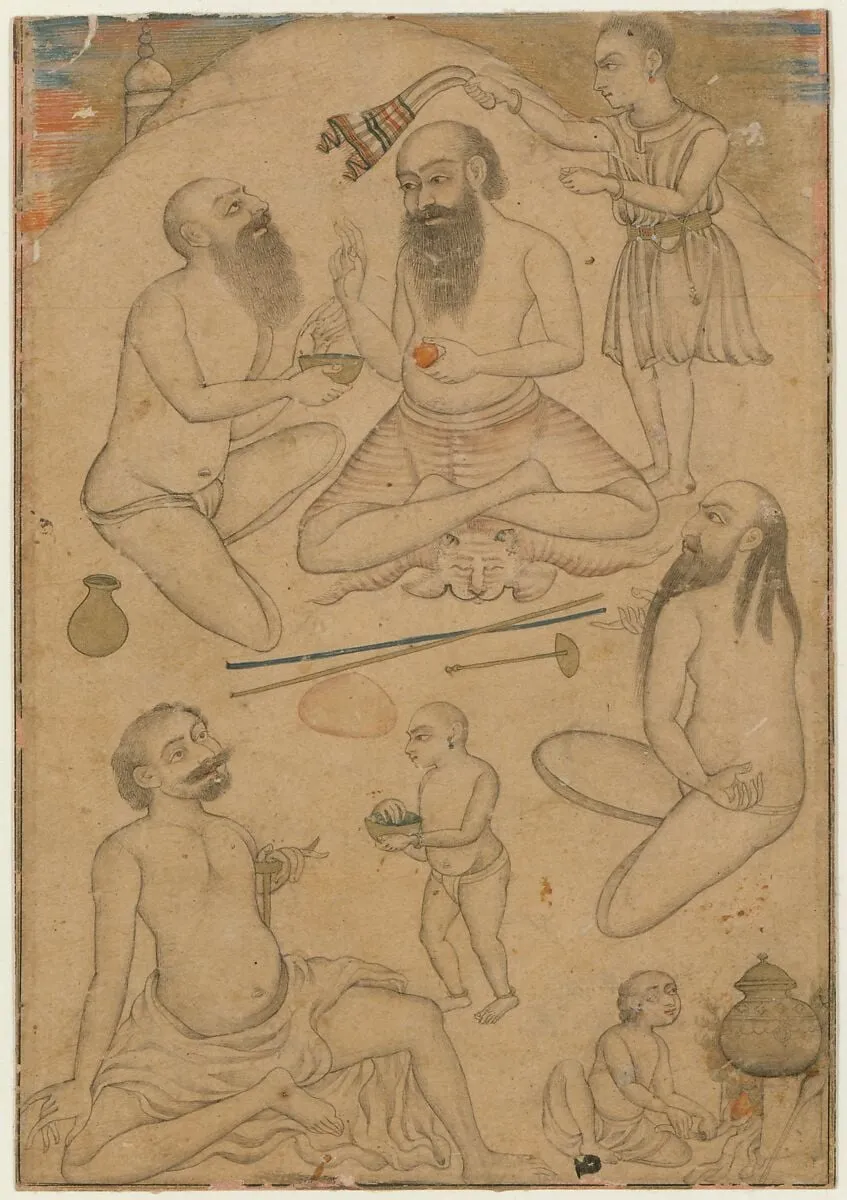
Untitled is a watercolor painting. It dates from 1660 and is held in the collection of the Metropolitan Museum of Art.
About this work
Back then, artists often worked for royal courts, but we don’t know who made this or why.
A man in a bright green robe stands against a plain tan background, holding a book. His face is calm, his mustache thin, and his turban wrapped tightly.
This painting comes from the Deccan region of India, around 1660. Back then, artists often worked for royal courts, but we don’t know who made this or why. The simple style—just ink and watercolor—gives it a quiet, direct feel.
To see more works like this, look up India (Deccan, Aurangabad?).
Overview
Created in the Deccan region of India around 1660, this untitled portrait depicts a man standing against a plain tan background. The figure is rendered in ink and opaque watercolor on paper, wearing a bright green robe and a tightly wrapped turban. He holds a book in his hands, suggesting a status of learning or piety, while his facial features include a thin mustache and a calm, composed expression. The composition is characterized by its vertical orientation and the stark contrast between the vibrant green of the garment and the neutral ground, a stylistic trait common in Deccani court painting of the mid-seventeenth century. Although the artist remains anonymous, the work reflects the sophisticated aesthetic traditions of the Deccan sultanates, where portraiture often served to document courtly figures or religious scholars. The painting exemplifies the regional preference for rich color palettes and stylized, frontal poses that prioritize the subject's presence over realistic spatial depth. As an artifact from a period of significant cultural synthesis in the Indian subcontinent, it offers insight into the visual culture of the Deccan courts prior to the full consolidation of Mughal influence in the region.
Subject & Meaning
The painting features a man clad in a vibrant green robe, standing against an unadorned tan backdrop. He holds a book, his expression composed, and his thin mustache and tightly wound turban contribute to his dignified appearance. The figure's calm demeanor and the presence of the book suggest a contemplative or scholarly individual, though the precise identity or narrative remains unspecified.
Technique & Style
Executed with ink and opaque watercolor on paper, the artwork demonstrates a straightforward approach to portraiture. This medium choice lends itself to a quiet and immediate aesthetic, emphasizing the figure's presence without elaborate detail or background. The simplicity of the technique highlights the subject, allowing for a direct engagement with the viewer, characteristic of certain regional styles from the Deccan.
History & Provenance
Created in the Deccan region of India around 1660, this painting emerged from a period when artists frequently served royal courts. While the specific patron and the original purpose of this particular work are not documented, its existence points to the flourishing artistic production within the region. The absence of an identified artist or specific commission underscores the challenges in attributing many historical works from this era.
Artist & collection

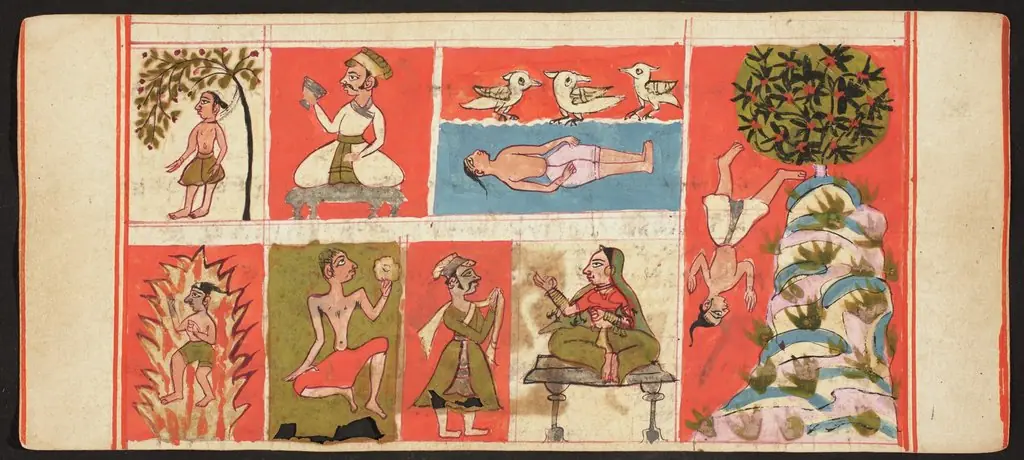 Tantric Manuscript, "Sangrahani Sutra"
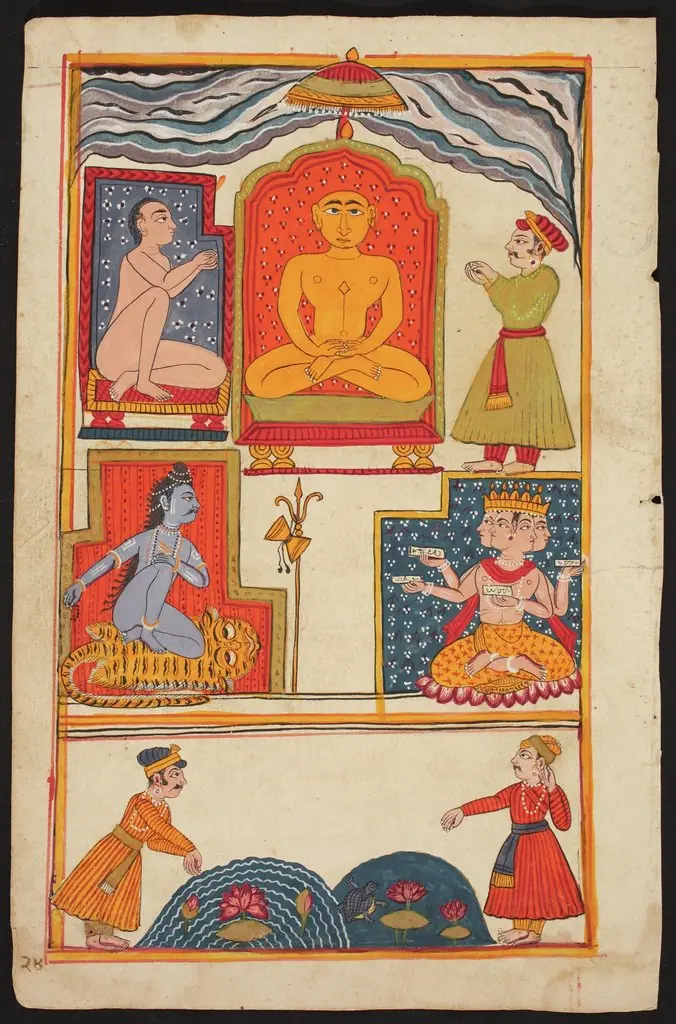 Folio from the Bhaktamara Stotra (“Hymn of the Immortal Devotee”)
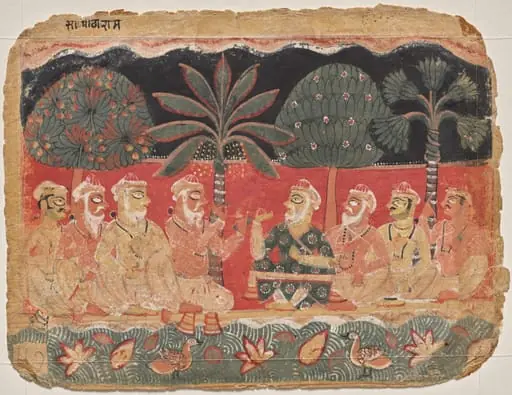 Nanda and the elders, page from a Bhagavata Purana
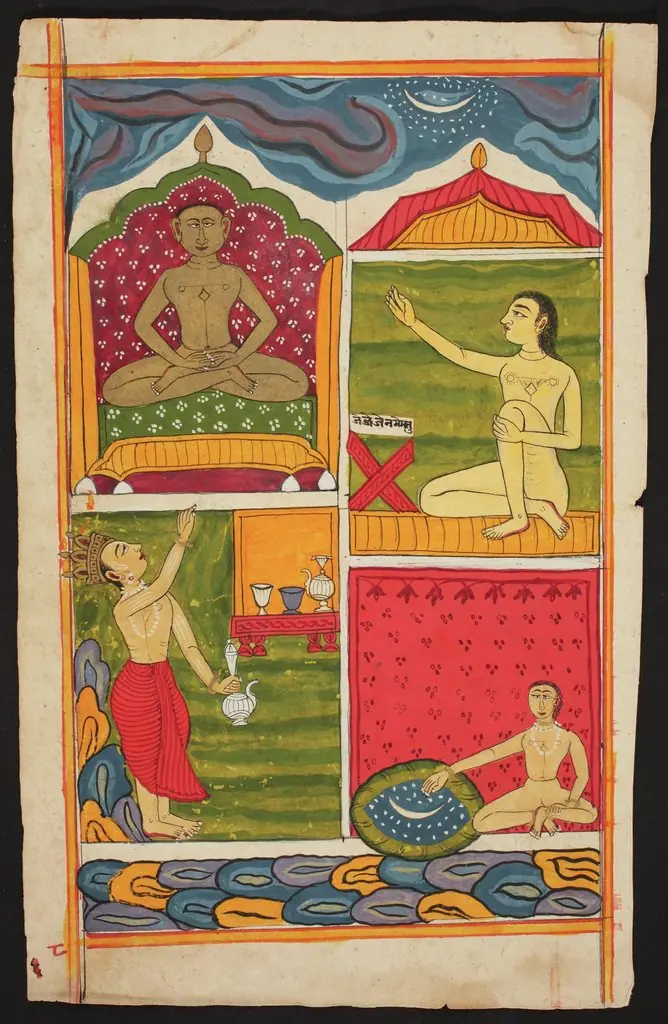 Folio from the Bhaktamara Stotra (“Hymn of the Immortal Devotee”)
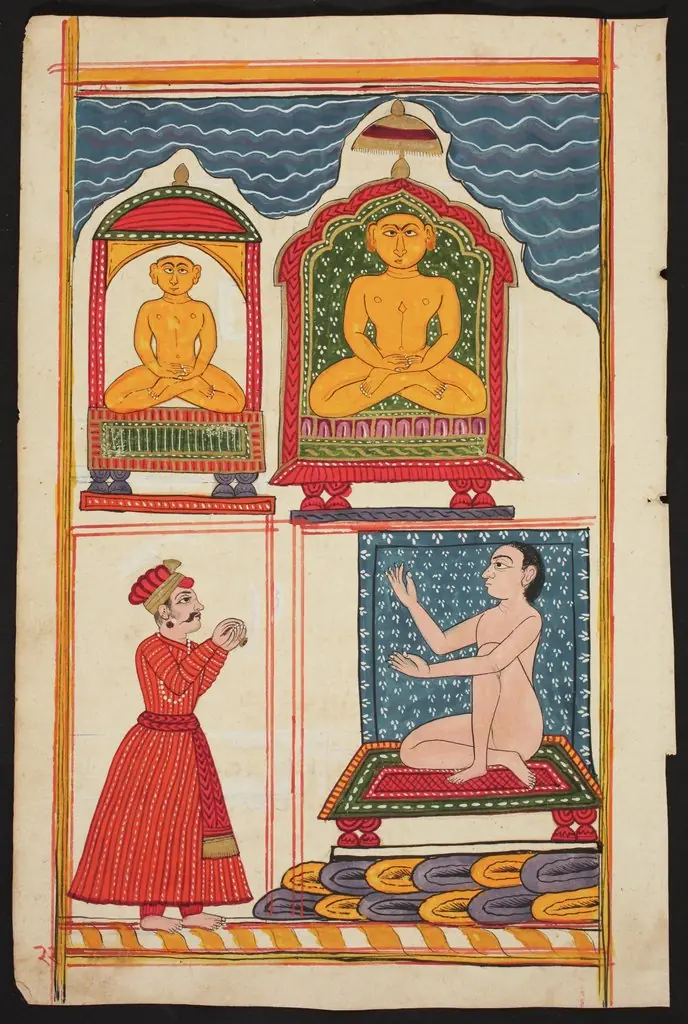 Folio from the Bhaktamara Stotra (“Hymn of the Immortal Devotee”)
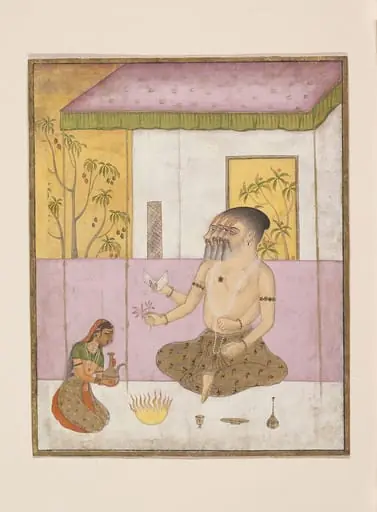 Untitled
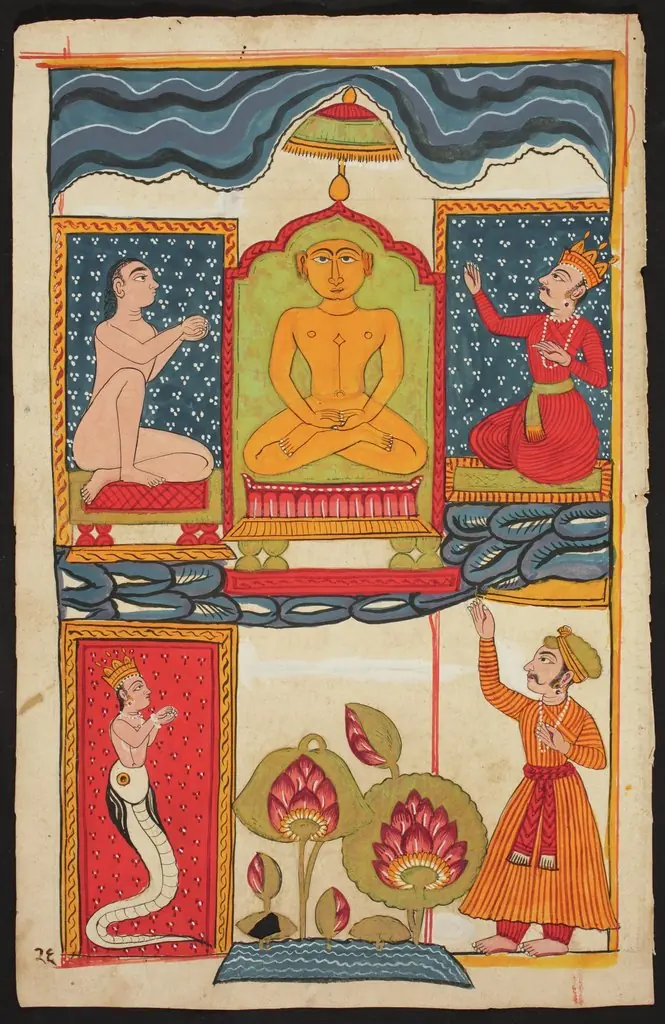 Folio from the Bhaktamara Stotra (“Hymn of the Immortal Devotee”)
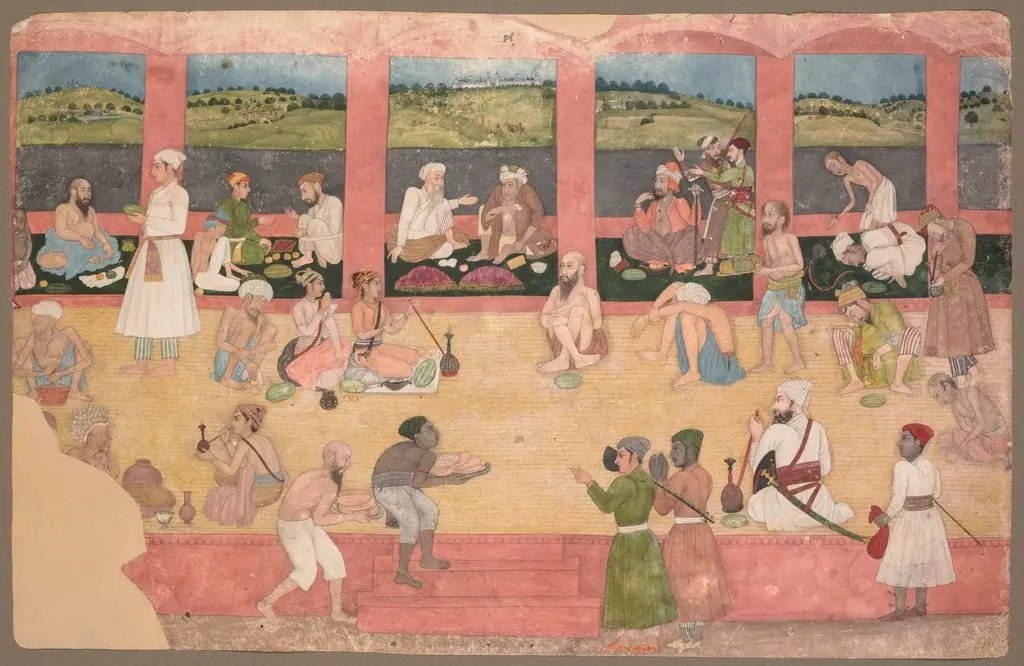 Opium Smokers Served Fruit and Bread
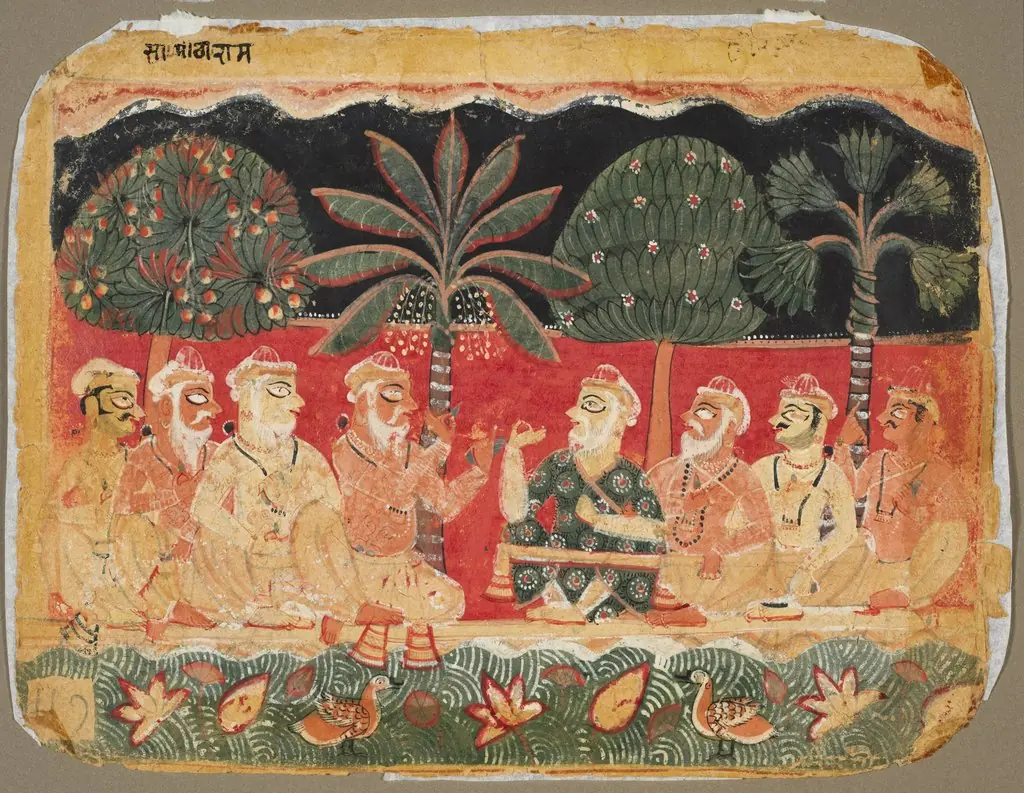 Nanda and the Elders, page from a Bhagavata Purana
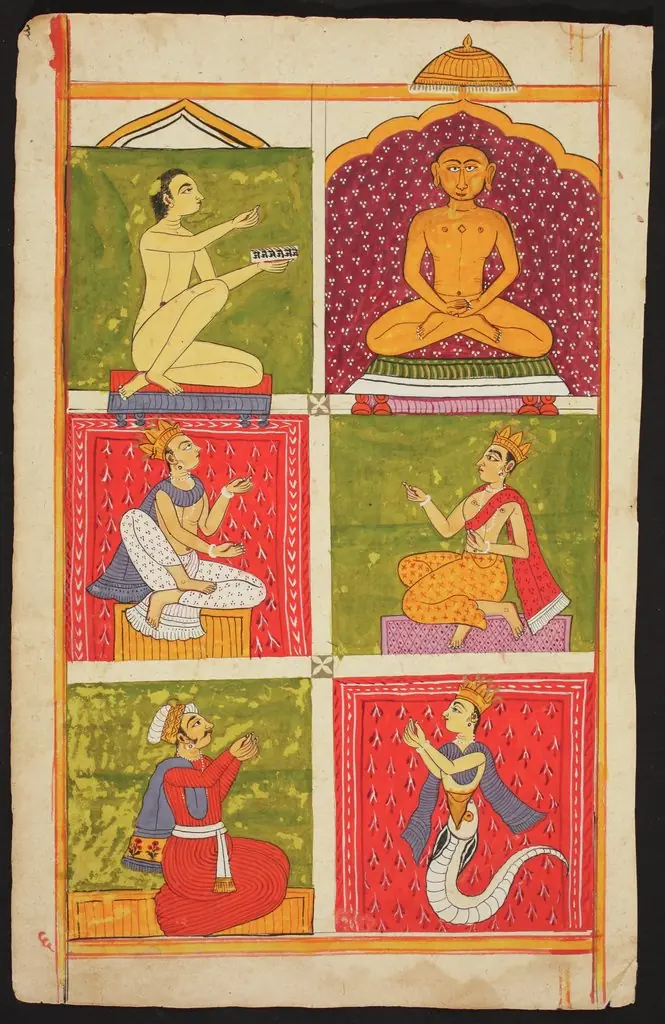 Folio from the Bhaktamara Stotra (“Hymn of the Immortal Devotee”)
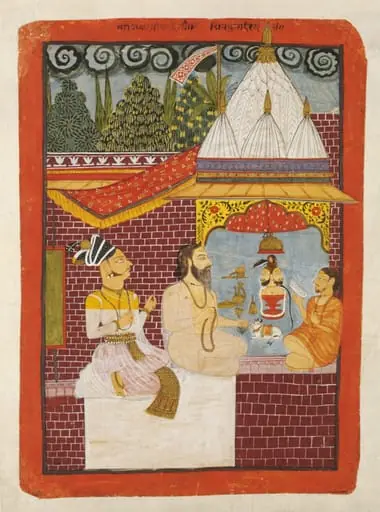 Raja Viram Dev
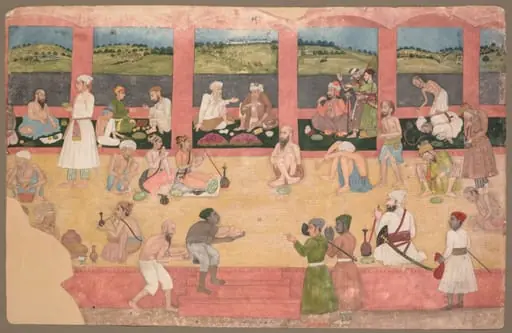 Opium Smokers Served Fruit and Bread