Artwork
Vase with flower arrangement and scrollwork
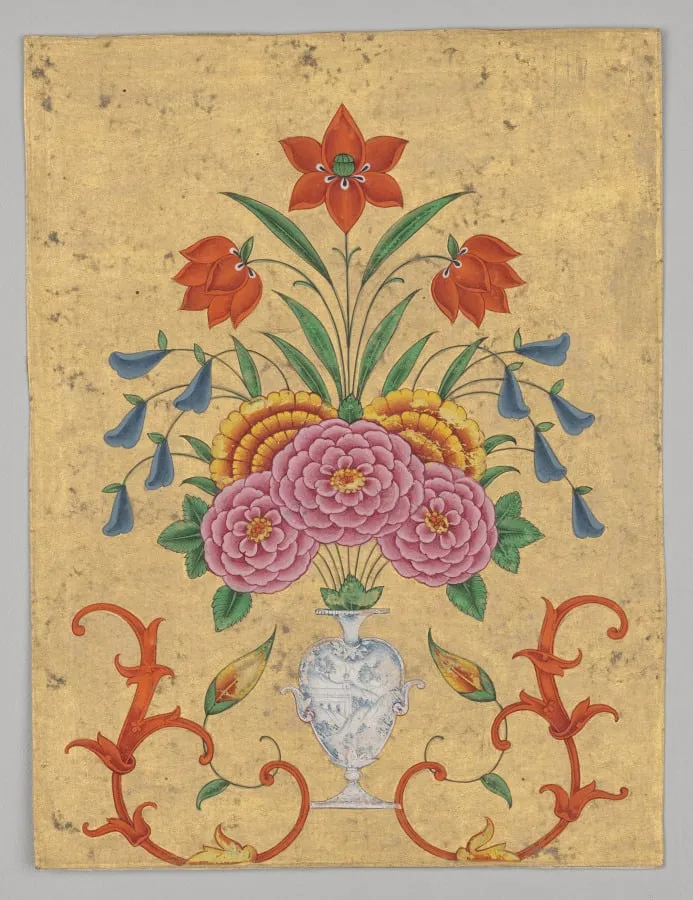
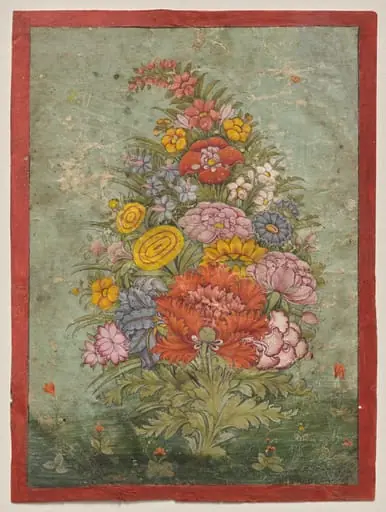
Vase with flower arrangement and scrollwork is an unspecified painting by the Mughal Painting artist Unknown. It dates from 1775 and is held in the collection of the Cleveland Museum of Art. This painting depicts a tall blue-and-white porcelain vase, overflowing with flowers, set against a background of ornate gold scrollwork.
About this work
Overview
This painting depicts a tall blue-and-white porcelain vase, overflowing with flowers, set against a background of ornate gold scrollwork.
This painting depicts a tall blue-and-white porcelain vase, overflowing with flowers, set against a background of ornate gold scrollwork. Created in northern India, likely for a wealthy patron in Lucknow, it merges visual elements from China, Persia, and Europe, reflecting the cosmopolitan tastes of its time. The work is not a ceramic object but a painted representation, emphasizing cultural exchange through imagery rather than material.
Subject & Meaning
The vase, brimming with flowers, draws on an ancient Indian symbol of abundance and fertility. Its fullness suggests prosperity, not merely through local wealth but through participation in global trade networks. The inclusion of a Chinese-export vase, adorned with European-style landscapes, reinforces the idea of wealth derived from international commerce, transforming a utilitarian object into a marker of status and connection.
Technique & Style
Indian artists rendered the porcelain vase with precise detail, mimicking the blue-and-white glaze of Chinese export ware. The scrolling gold ornamentation on either side blends Persian-derived forms with European decorative conventions, adapted through local sensibilities. The floral arrangement is rendered with naturalistic care, yet arranged symmetrically, reflecting an idealized aesthetic rather than observed reality.
History & Provenance
The painting was commissioned in Lucknow during the late Mughal or early Nawabi period, a time when regional courts cultivated refined artistic tastes. The vase it portrays was manufactured in China for the European market, later entering Indian collections. Its depiction here signals the circulation of goods and visual motifs across continents, with Indian artists reinterpreting foreign objects for elite domestic consumption.
Context
In 18th-century northern India, elite patrons collected and displayed imported objects as signs of global engagement. This painting reflects a broader trend: the integration of foreign artifacts into indigenous artistic traditions. The fusion of Chinese ceramics, European landscape motifs, and Persian-inspired scrolls illustrates how cultural exchange was not merely passive reception but active reinterpretation within local frameworks.
Legacy
The painting stands as a quiet testament to the fluidity of artistic influence in early modern South Asia. Rather than asserting cultural purity, it reveals how Indian artists selectively adopted and transformed foreign visual languages. Such works contribute to a deeper understanding of Mughal and post-Mughal art as dynamic, interconnected, and responsive to global currents.
Artist & collection

 Domestic Scene
 Giacomo and Cardinal Marco, investing Andrea, Abbot of San Zeno, with his Benefice
 The Nymph of Fontainebleau
 Portrait of a Woman
 Madonna and Child with Saints in the Enclosed Garden
 Venus and Minerva
 Family Group of Four on Sofa
 Wall painting from Room H of the Villa of P. Fannius Synistor at Boscoreale
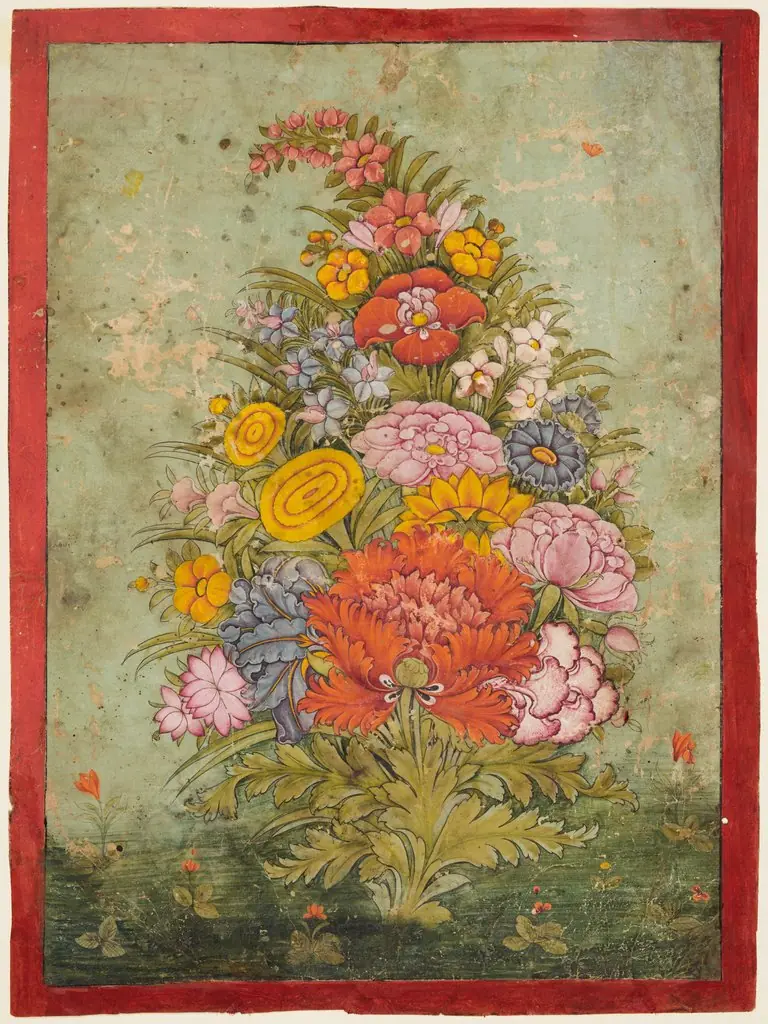 Still Life: Bouquet of Flowers Emerging from the Grass
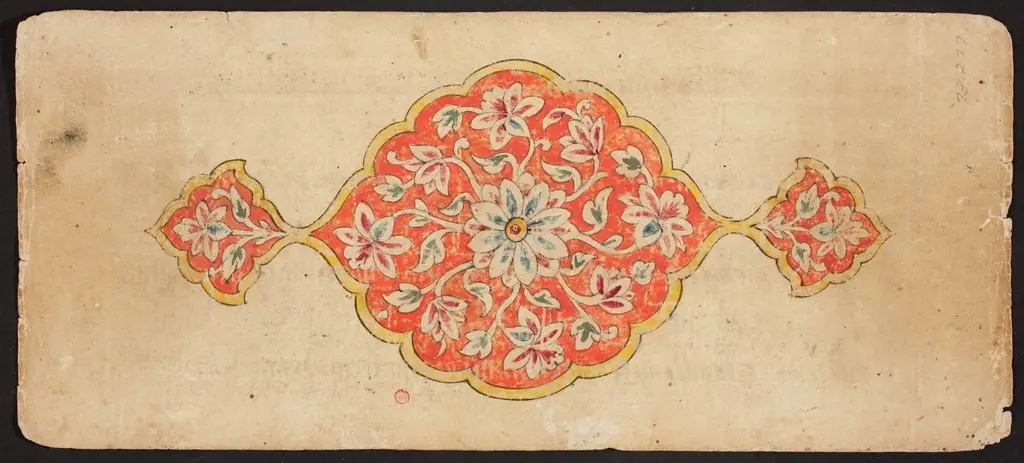 Tantric Manuscript, "Sangrahani Sutra"
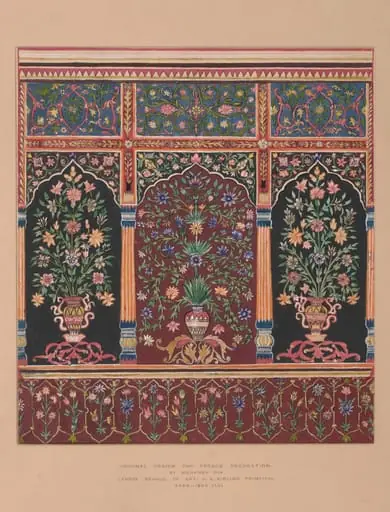 Untitled
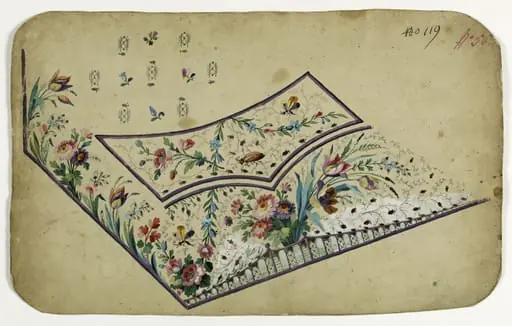 Gilet fleurs, papillons et scarabée, projets de broderies de gilet, XVIIIème siècle
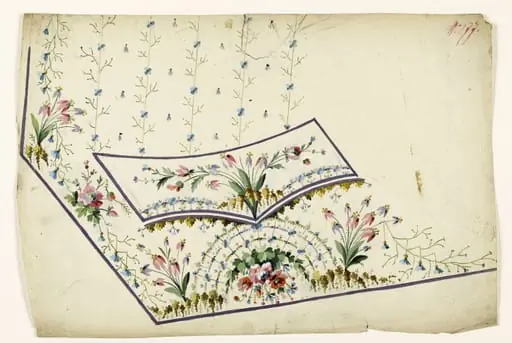 Bouquet suspendu surmonté d'un motif floral rayonnant, bouquets de fleurs et grappes, rayures fleuries, projets de broderies de gilet, XVIIIème siècle
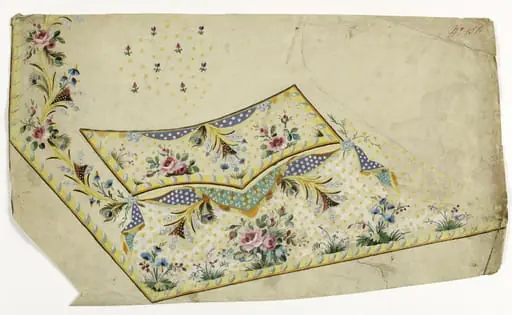 Gilet aux plumes de paon, projets de broderies de gilet, XVIIIème siècle
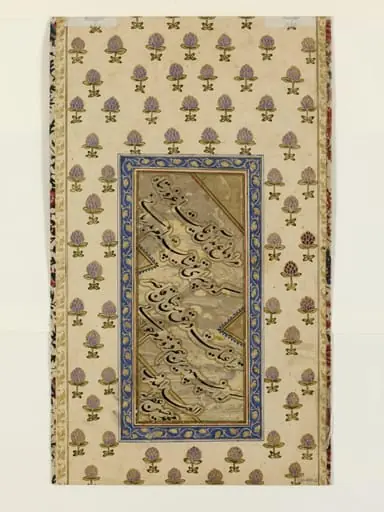 Aurangzeb
 Untitled
 Pietra-dura work decoration on the top of the cenotaph of the Empress Arjumand Banu Begam, Taj Mahal, Agra
 Composition en bouquets de fleurs multicolores et motifs de grappes rayonnants, projets de broderies de gilet, XVIIIème siècle
 Tantric Manuscript "Sangrahani Sutra"
 Still Life: Bouquet of Flowers Emerging from the Grass