Artwork
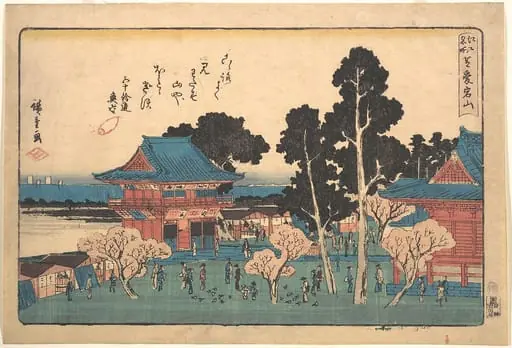
江都名所 飛鳥山はな見|Asakayama Hanami
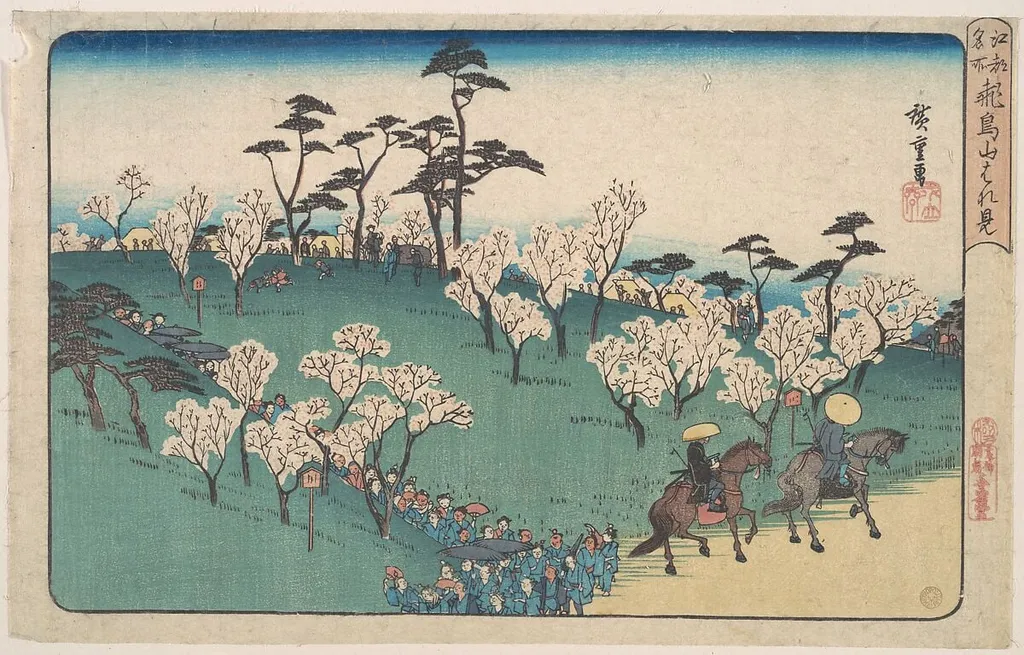
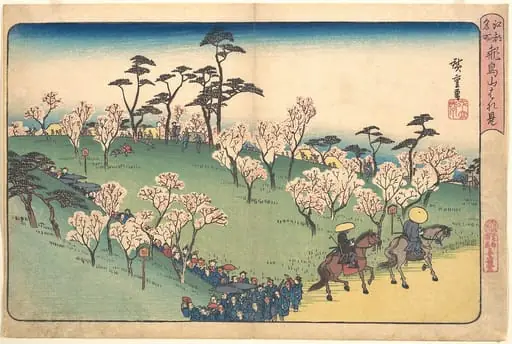
江都名所 飛鳥山はな見|Asakayama Hanami is an ink print by the Romanticist artist Utagawa Hiroshige. It dates from 1834 and is held in the collection of the Metropolitan Museum of Art.
About this work
Overview
Created around 1834 by Utagawa Hiroshige, this woodblock print captures a springtime scene at Asakayama, a hill in Edo known for cherry blossoms.
Created around 1834 by Utagawa Hiroshige, this woodblock print captures a springtime scene at Asakayama, a hill in Edo known for cherry blossoms. Executed in ink and color on paper, it belongs to Hiroshige’s series of landscape prints that shifted focus from urban life to natural settings. The work exemplifies the ukiyo-e tradition while emphasizing seasonal beauty and quiet communal activity over theatrical or dramatic themes.
Subject & Meaning
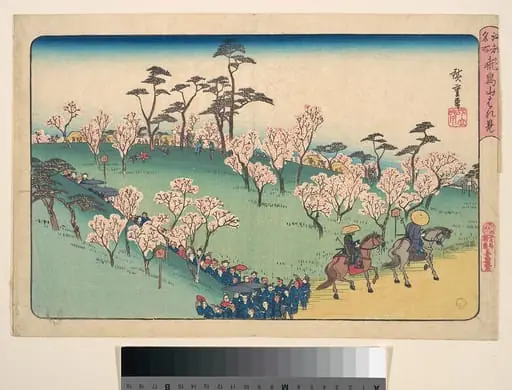
The scene portrays a procession of visitors ascending the hill to view cherry blossoms in full bloom. Two riders lead a crowd of pedestrians, some carrying umbrellas, while others pause to admire the trees. The composition reflects the cultural practice of hanami, or flower viewing, as a shared, contemplative ritual. The harmony between human movement and natural abundance suggests a peaceful coexistence with nature, central to Edo-period aesthetic values.
Technique & Style
Hiroshige employed fine, precise lines to render individual blossoms and figures, creating a dense yet legible crowd. Soft washes of blue for the sky contrast with the white petals and deep green foliage, enhancing the spring atmosphere. Cross-hatching and layered printing techniques add texture to the trees and clothing, while subtle gradations in color suggest depth and light. The perspective draws the eye upward along the winding path, guiding viewers through the scene.
History & Provenance
This print was produced during Hiroshige’s early mature period, when he was refining his landscape style after initial work in actor and courtesan prints. It likely originated as part of a commercial print series aimed at Edo’s growing middle class, who collected such images as souvenirs or decorative art. Surviving impressions are held in major museum collections, reflecting its enduring value as a record of Edo-era leisure and print culture.
Context
In the 1830s, Edo’s population increasingly sought out seasonal outings, and cherry blossom viewing became a widespread social custom. Artists like Hiroshige responded by depicting such moments outside the city’s bustling centers. Asakayama, though modest compared to famous sites like Ueno, offered a more intimate setting, allowing Hiroshige to explore quiet observation rather than spectacle, aligning with broader shifts in ukiyo-e toward personal, atmospheric expression.
Legacy
Hiroshige’s approach to landscape, as seen in this print, influenced later Japanese and Western artists, including the Impressionists, who admired his use of color and composition. The work remains a key example of how ukiyo-e evolved from depicting urban spectacle to capturing transient, everyday moments in nature. Its detailed yet serene portrayal of seasonal ritual continues to inform modern understandings of Edo-period visual culture.
Artist & collection
Artist
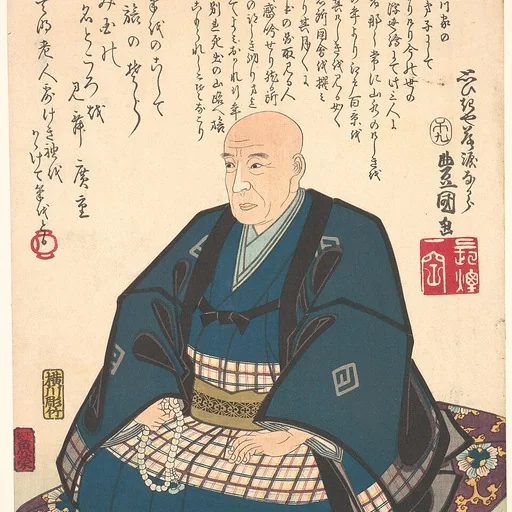
Utagawa Hiroshige (歌川 広重) or Andō Hiroshige (安藤 広重), born Andō Tokutarō (安藤 徳太郎; 1797 – 12 October 1858), was a Japanese ukiyo-e artist, considered the last great master of that tradition.