Artwork
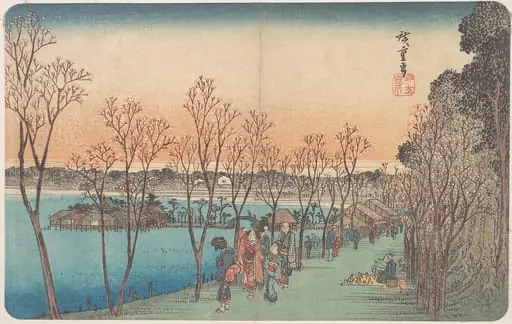
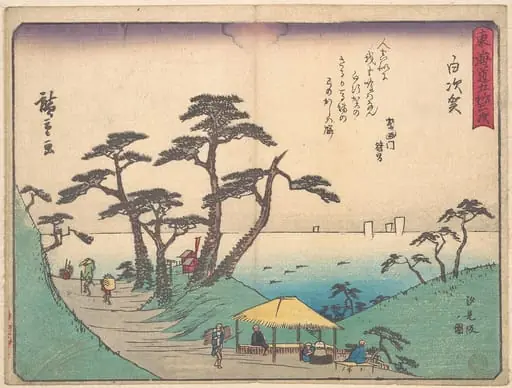
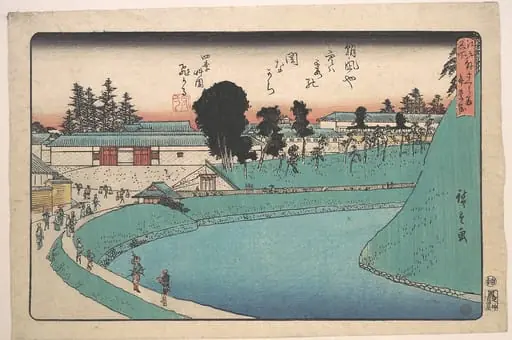
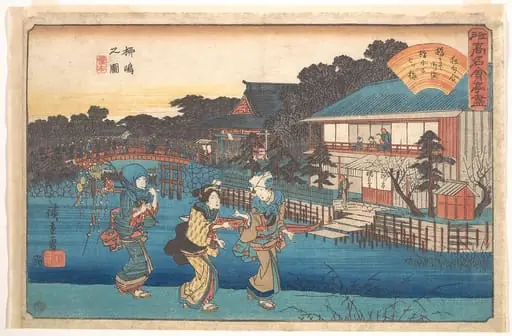
江戸名所 芝愛宕山|Shiba Atogayama
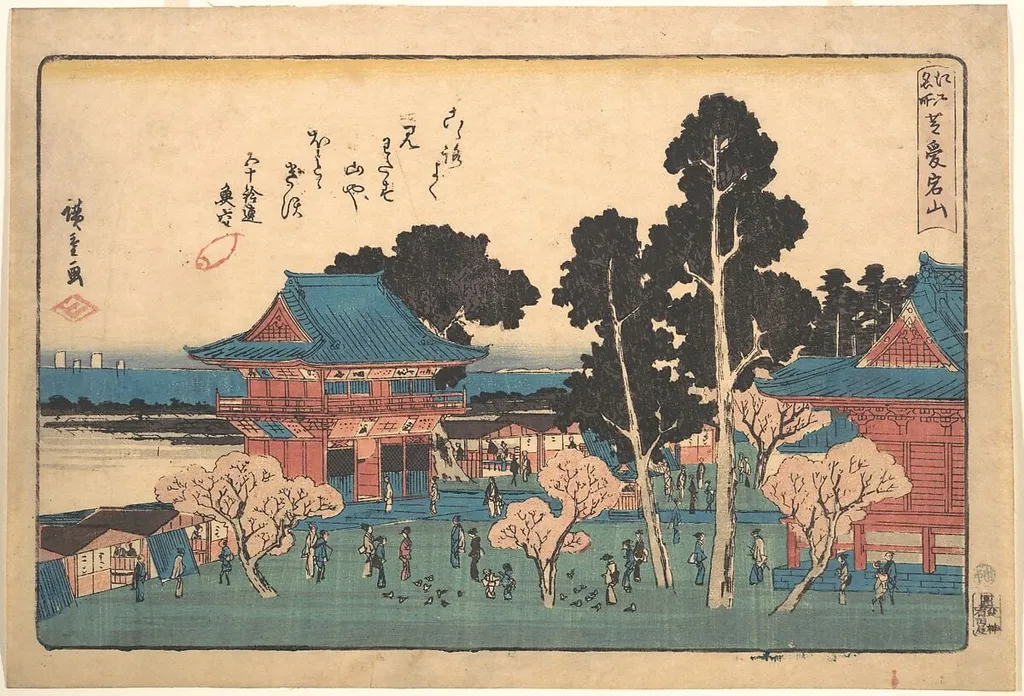
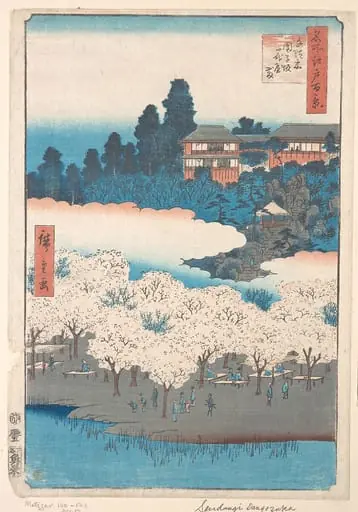
江戸名所 芝愛宕山|Shiba Atogayama is an ink print by the Baroque artist Utagawa Hiroshige. It dates from 1742 and is held in the collection of the Metropolitan Museum of Art.
About this work
Overview
Rendered in ink and color on paper, it combines topographical detail with atmospheric tone, offering a glimpse into Edo’s suburban scenery.
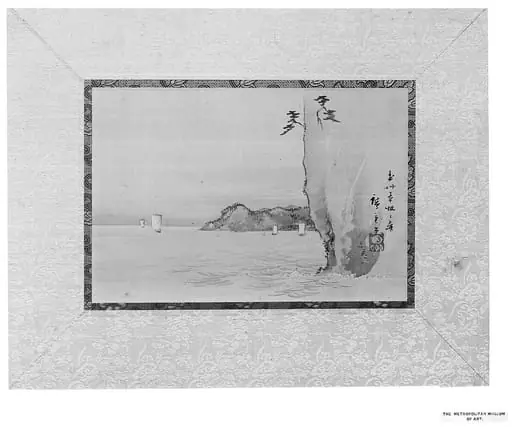
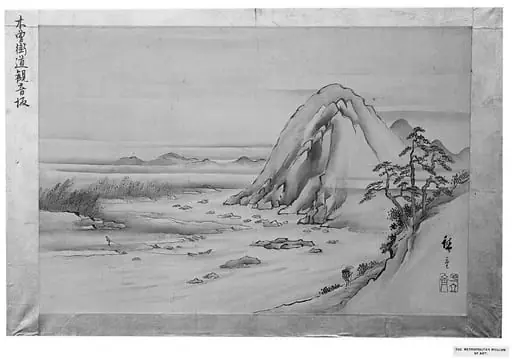
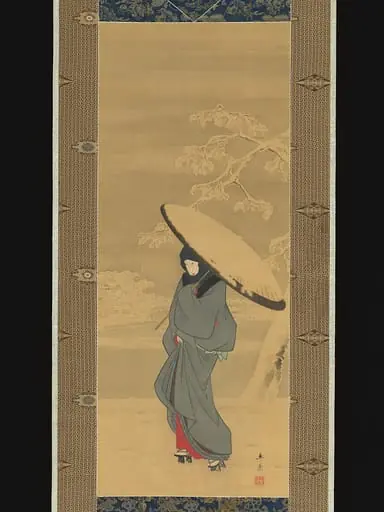
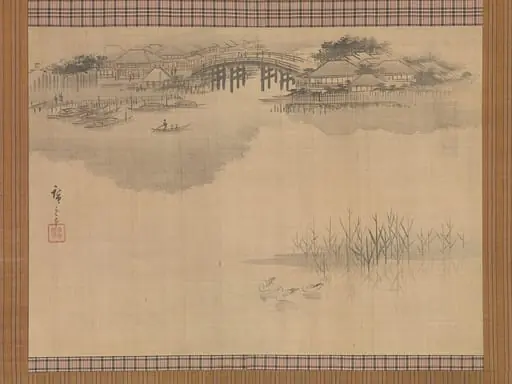
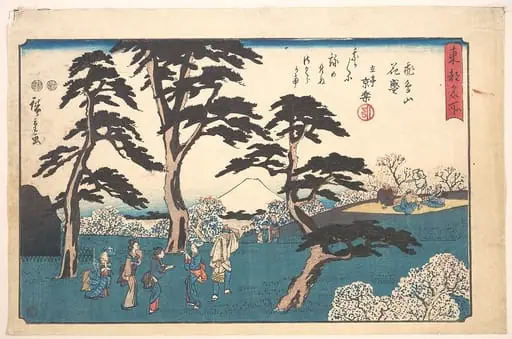
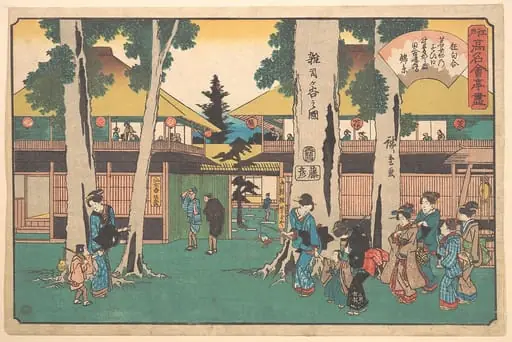
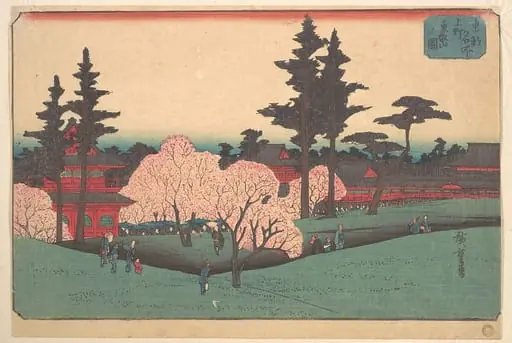
This woodblock print by Utagawa Hiroshige depicts Shiba Atogayama, a hillside area in Edo featuring the Atago Shrine. Part of a series documenting notable locations in the city, the work reflects Hiroshige’s interest in quiet, everyday landscapes rather than the bustling pleasure districts typically favored in ukiyo-e. Rendered in ink and color on paper, it combines topographical detail with atmospheric tone, offering a glimpse into Edo’s suburban scenery.
Subject & Meaning
The scene centers on Atago Shrine, its distinctive curved roofs and red beams rising above a sloping hill. Pilgrims and travelers move along paths beneath bare trees, with a few cherry blossoms signaling early spring. The river behind the shrine suggests a boundary between sacred space and the urban world. The composition conveys reverence for place and season, aligning with Edo-period cultural values that honored nature and pilgrimage.
Technique & Style
Hiroshige employed traditional ukiyo-e woodblock methods, using flat planes of color and simplified forms to suggest depth without perspective. The sky is washed in pale tones, contrasting with the vivid reds and blues of the shrine. Delicate linework defines branches and figures, while the use of mica or metallic pigments may enhance the shimmer of the roof. The print’s clarity and restraint reflect Hiroshige’s signature balance between detail and harmony.
History & Provenance
Created in the 1840s—not 1742, as sometimes misstated—this print belongs to Hiroshige’s series on Edo’s famous sights. It was produced by publishers who commissioned multiple artists to document the city’s landmarks for a growing middle-class audience. Original impressions were distributed widely, and surviving examples are held in major collections, including the Museum of Fine Arts, Boston, and the British Museum.
Context
During the 1840s, travel within Japan became more accessible, fueling interest in illustrated guides to famous places. Hiroshige’s series responded to this trend, offering visual itineraries that blended geography with cultural memory. Unlike earlier ukiyo-e focused on actors and courtesans, these landscapes emphasized tranquility and seasonal change, reflecting broader shifts in urban aesthetics and leisure.
Legacy
Hiroshige’s depictions of Edo’s outskirts influenced later generations of artists, both in Japan and abroad. His ability to capture mood through subtle color and composition helped redefine landscape as a subject worthy of serious artistic attention. The print remains a reference point in studies of Japanese printmaking and the evolving relationship between urban life and natural space in the 19th century.
Artist & collection
Artist
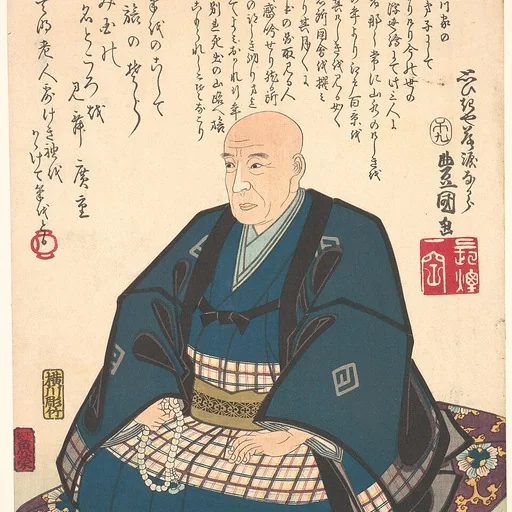
Utagawa Hiroshige (歌川 広重) or Andō Hiroshige (安藤 広重), born Andō Tokutarō (安藤 徳太郎; 1797 – 12 October 1858), was a Japanese ukiyo-e artist, considered the last great master of that tradition.