Artwork
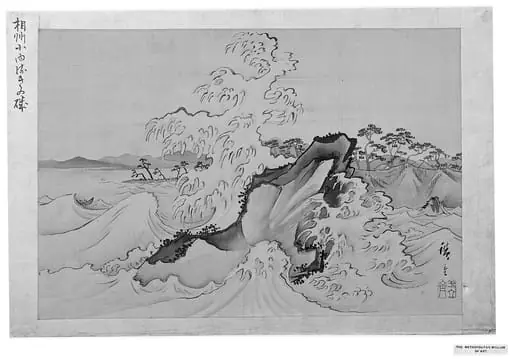
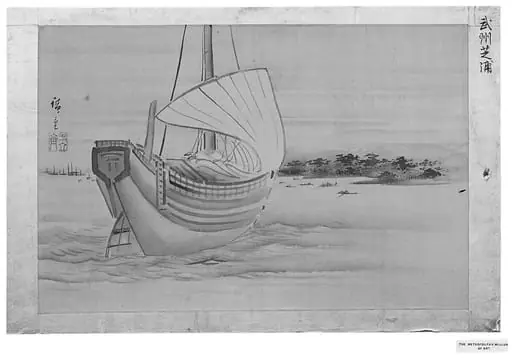
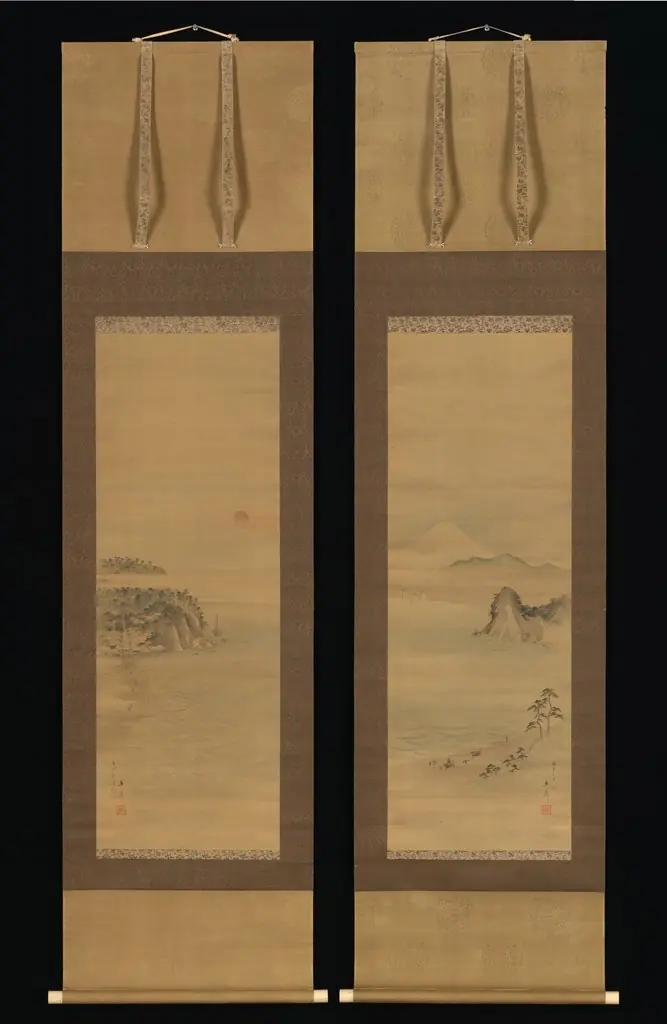
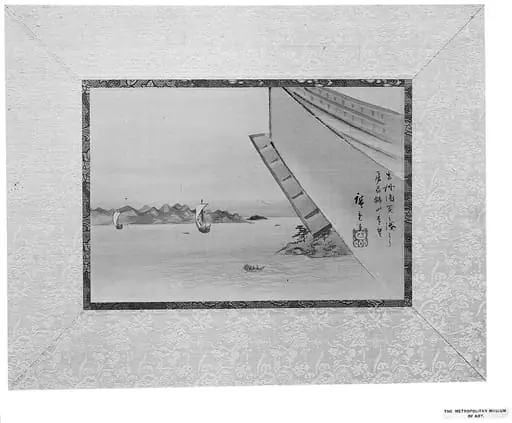
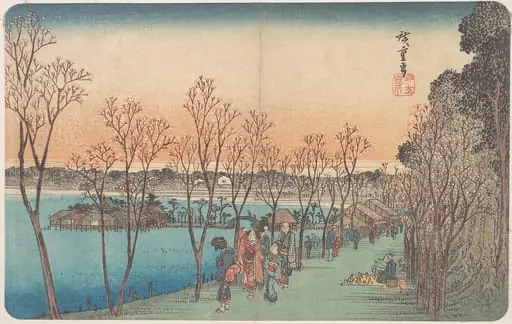
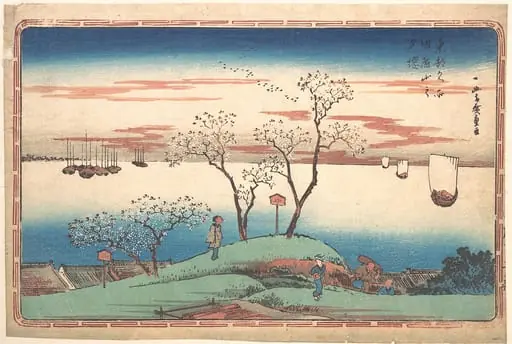
江戸十二景 隅田川|Gotenyama-no Hana
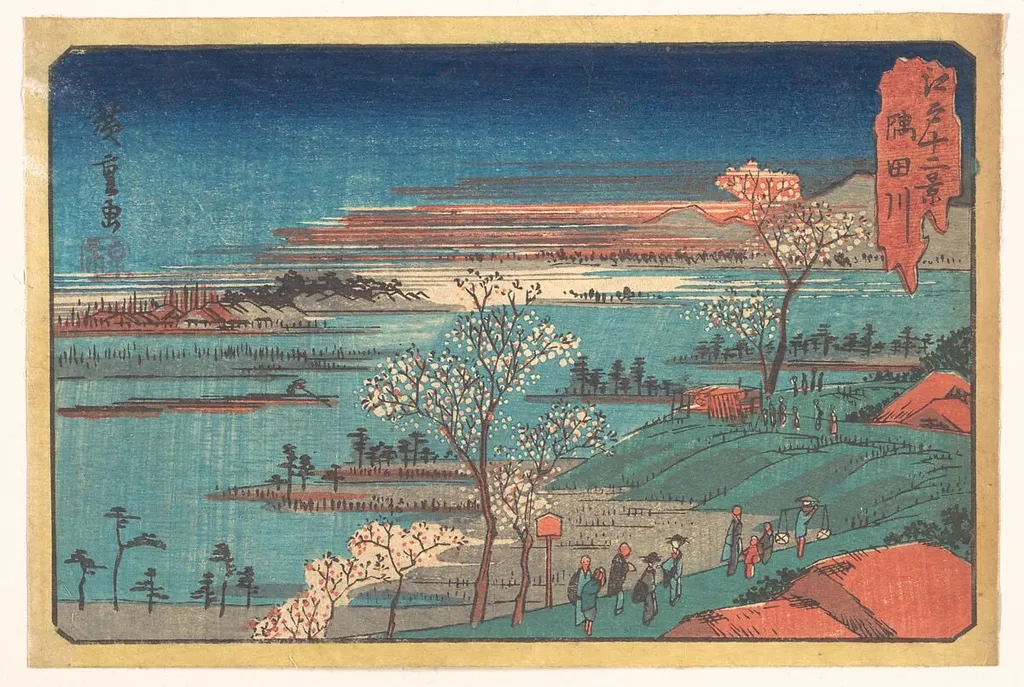
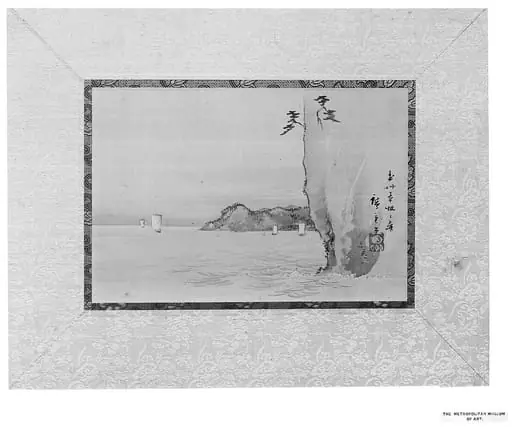
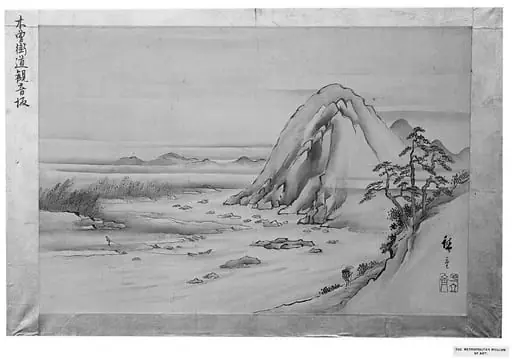
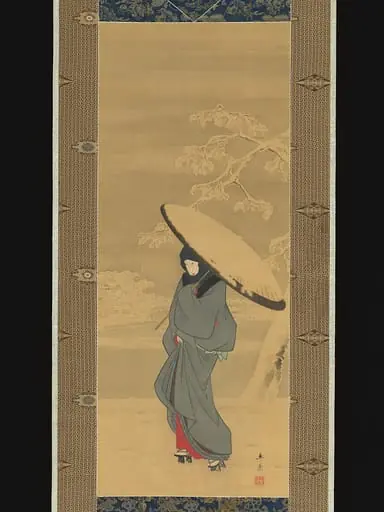
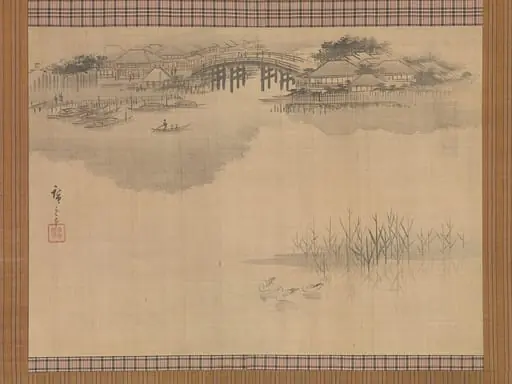
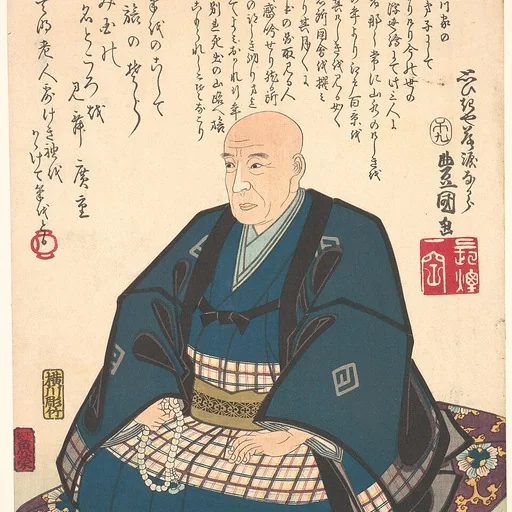
江戸十二景 隅田川|Gotenyama-no Hana is an ink print by the Romanticist artist Utagawa Hiroshige. It dates from 1828 and is held in the collection of the Metropolitan Museum of Art.
About this work
Overview
The woodblock print 'Gotenyama-no Hana' is a landscape scene created by Utagawa Hiroshige in 1828. It is part of his 'Gotenyama' series and features ink and color on paper.
Subject & Meaning
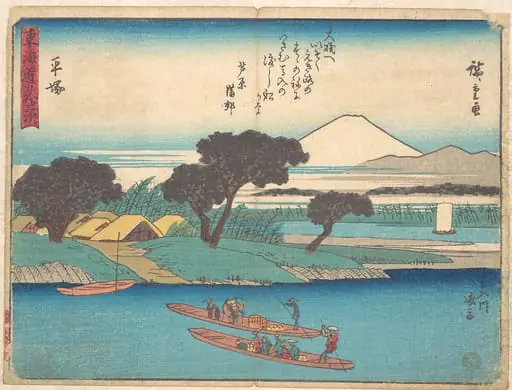
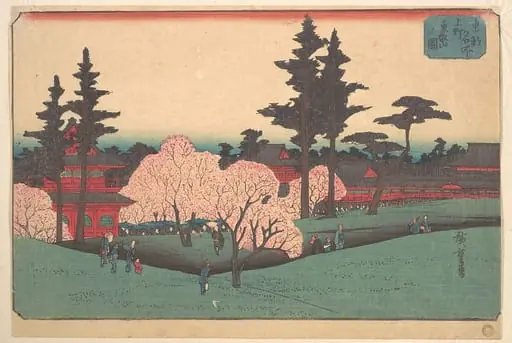
The print depicts the Sumida River, with a wide river cutting through a busy scene. Trees line the banks, and people walk along paths or gather near buildings. A bridge stretches over the river, and hills fade into the distance. A bright red sign with white text is prominent on the right.
Technique & Style
Hiroshige's work is characterized by atmospheric depictions of nature and urban scenes. This print showcases his use of ink and color on paper to create a serene and vibrant landscape.
History & Provenance
The print is held in the collection of The Metropolitan Museum of Art. It is a representative work of Hiroshige, a leading Japanese ukiyo-e artist of the late Edo period.
Context
Hiroshige's focus on landscapes was a departure from the typical subjects of ukiyo-e, which often featured courtesans or actors. His work helped to popularize this genre.
Artist & collection
Artist
Utagawa Hiroshige (歌川 広重) or Andō Hiroshige (安藤 広重), born Andō Tokutarō (安藤 徳太郎; 1797 – 12 October 1858), was a Japanese ukiyo-e artist, considered the last great master of that tradition.