Artwork
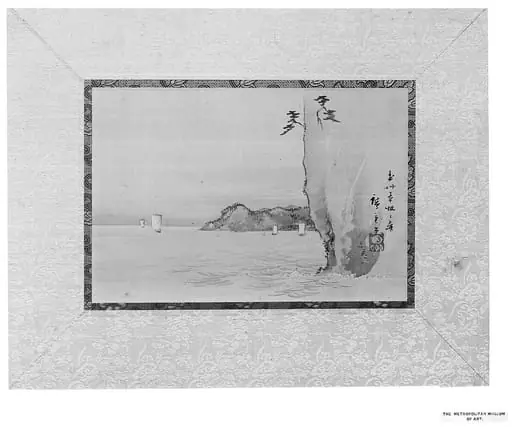
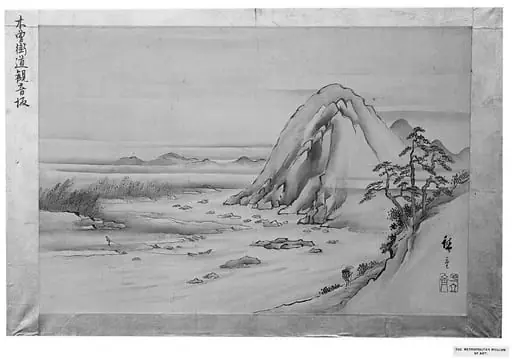
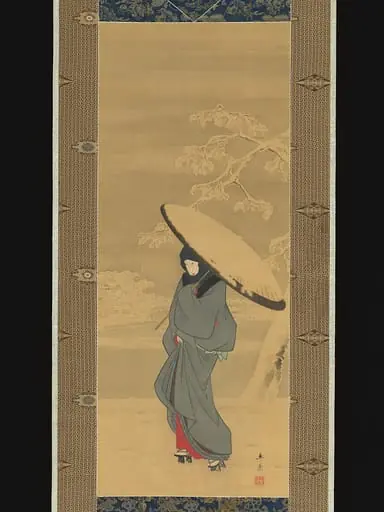
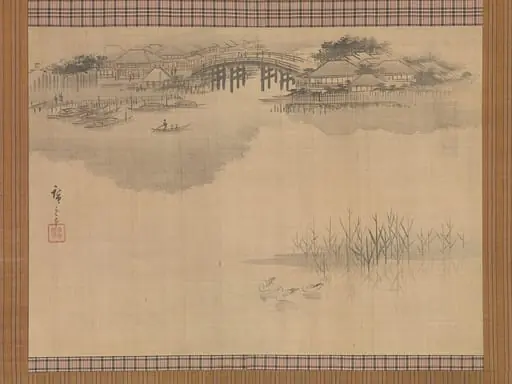
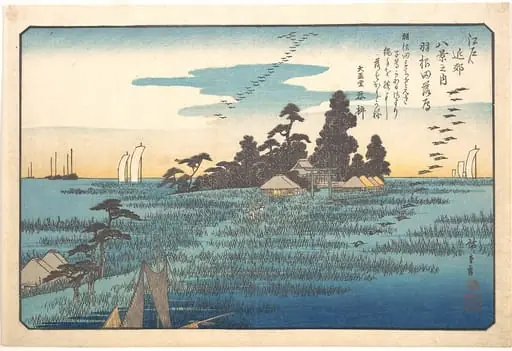
江戸近郊八景之内 羽根田落雁|Haneda Rakugan
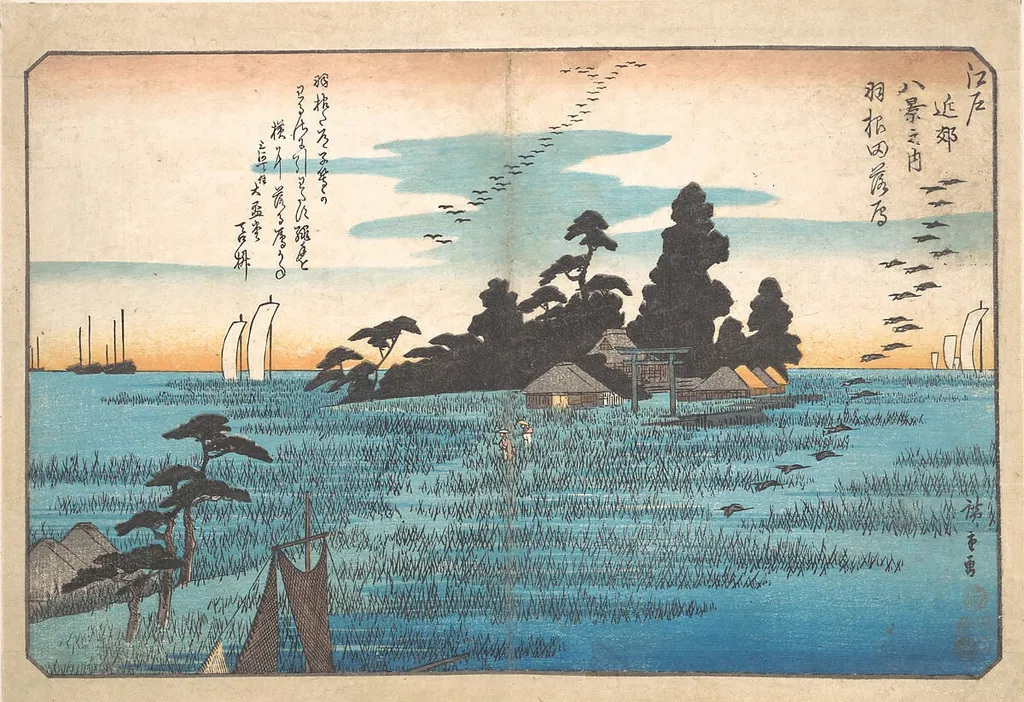
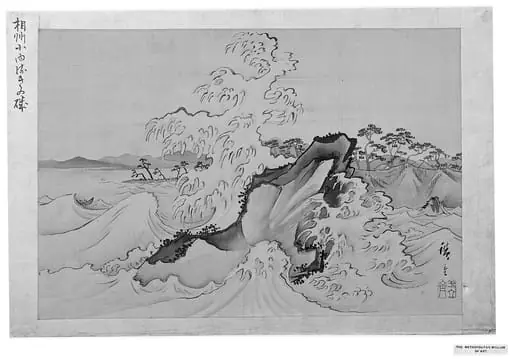
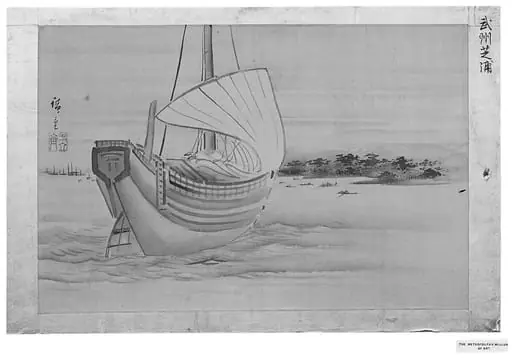
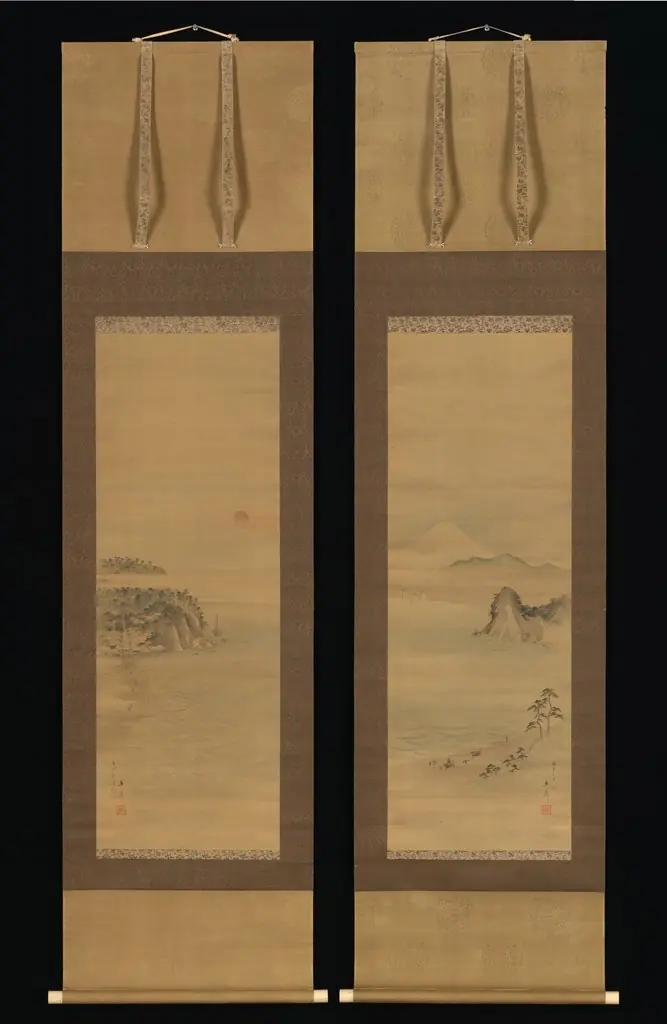
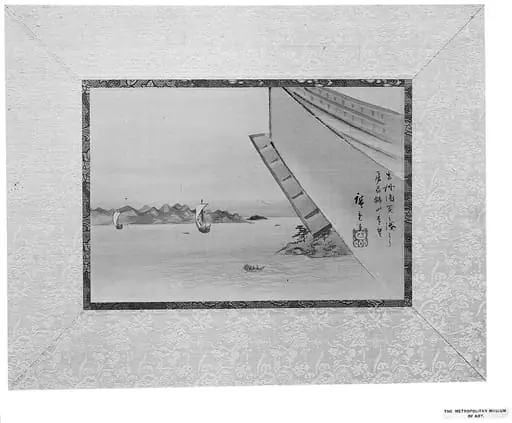
江戸近郊八景之内 羽根田落雁|Haneda Rakugan is an ink print by the Romanticist artist Utagawa Hiroshige. It dates from 1835 and is held in the collection of the Metropolitan Museum of Art.
About this work
Overview
The composition emphasizes stillness and natural harmony, reflecting Hiroshige’s interest in the subtle beauty of everyday landscapes beyond the city.
Created around 1835 by Utagawa Hiroshige, this woodblock print is one of eight scenes from the series *Eight Views of the Environs of Edo*. It depicts a quiet coastal wetland at twilight, moving away from the bustling urban themes common in ukiyo-e. The composition emphasizes stillness and natural harmony, reflecting Hiroshige’s interest in the subtle beauty of everyday landscapes beyond the city.
Subject & Meaning
The scene portrays Haneda, a marshy area near Edo, during the seasonal arrival of migrating geese. Tall reeds dominate the foreground, while a few birds glide above the water, suggesting movement within stillness. A small shrine on a distant hillock, framed by pine trees, hints at spiritual connection to the land. The title, meaning 'Geese Descending at Haneda,' evokes a poetic tradition linking nature’s cycles with human contemplation.
Technique & Style
Hiroshige employed flat areas of color and minimal linework to suggest depth and atmosphere rather than detail. The sky transitions gently from pale blue to near-black at the horizon, enhancing the sense of dusk. The reeds are rendered with rhythmic, vertical strokes, contrasting with the horizontal sweep of water and sky. This restrained palette and compositional balance are hallmarks of his mature style, prioritizing mood over realism.
History & Provenance
Produced during Hiroshige’s early period of landscape-focused work, the print was part of a commercially successful series that helped popularize travel-themed ukiyo-e. It was likely printed in multiple copies for sale to middle-class patrons interested in scenic views of the Edo region. No specific early ownership records survive, but the print’s widespread circulation reflects its popularity in the 1830s.
Context
In the 1830s, Edo’s growing urban population sought cultural connections to nearby natural sites, often visited as day trips. The *Eight Views* series responded to this trend, drawing on classical Chinese poetic traditions adapted to Japanese locales. Haneda, once a real pilgrimage stop, had become a symbolic place of quiet reflection, its depiction aligning with broader literary and artistic interests in transience and seasonal change.
Legacy
Hiroshige’s *Haneda Rakugan* contributed to the elevation of landscape as a central subject in ukiyo-e, influencing later artists and Western printmakers like Monet and Van Gogh. Its emphasis on atmosphere and subtle emotion helped redefine Japanese printmaking beyond narrative or theatrical themes. The work remains a quiet example of how everyday nature could be rendered with poetic gravity.
Artist & collection
Artist
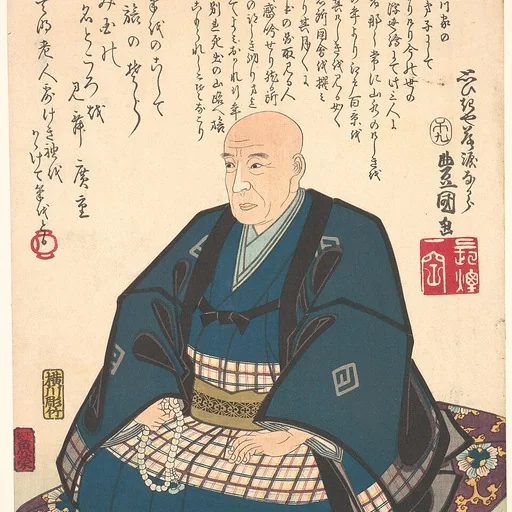
Utagawa Hiroshige (歌川 広重) or Andō Hiroshige (安藤 広重), born Andō Tokutarō (安藤 徳太郎; 1797 – 12 October 1858), was a Japanese ukiyo-e artist, considered the last great master of that tradition.