Artwork
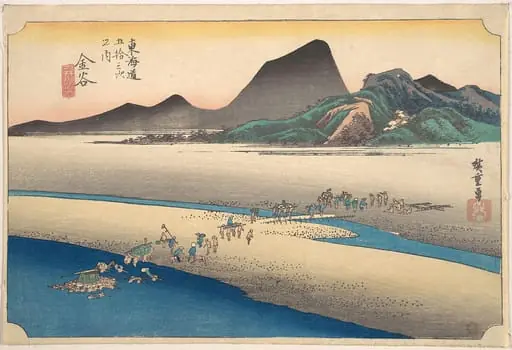
東海道五十三次 金谷|Kanaya
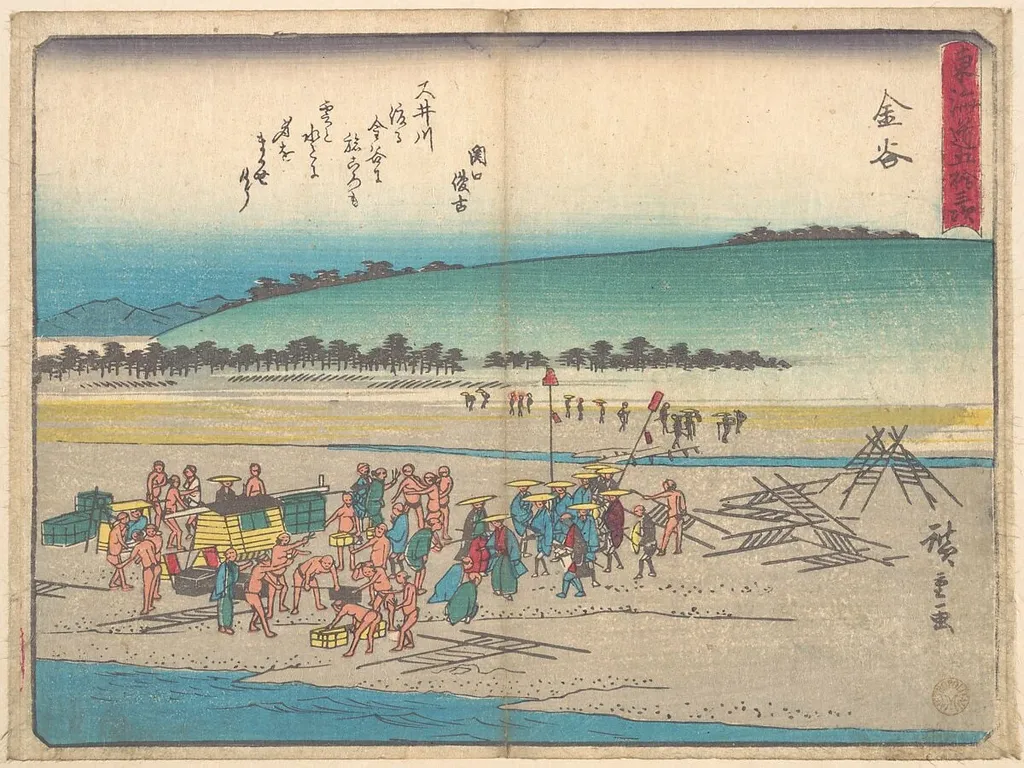
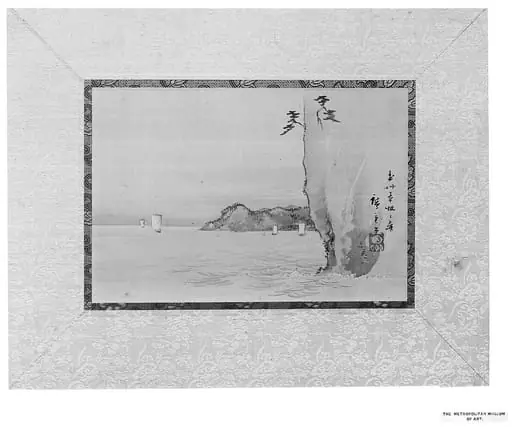
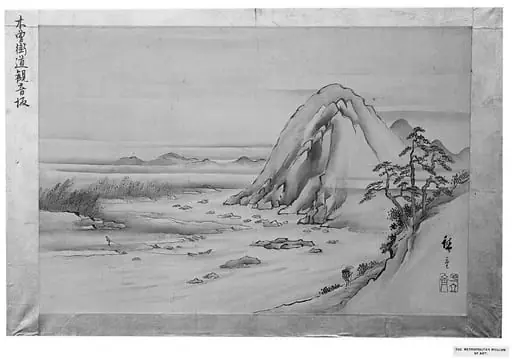
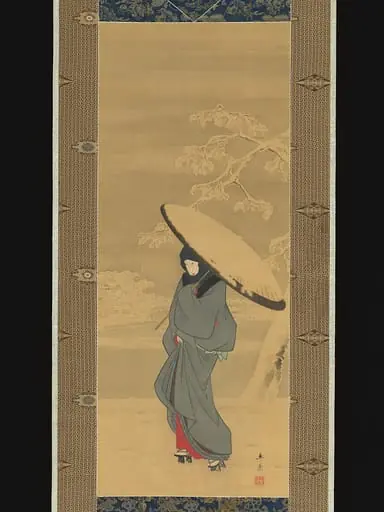
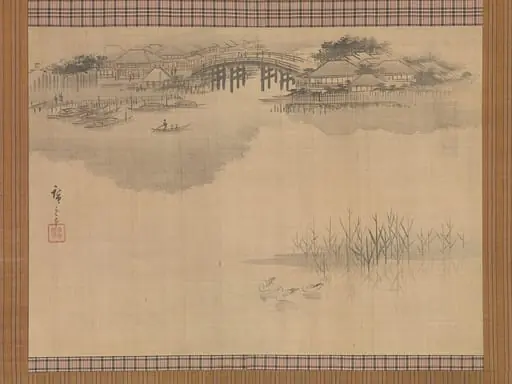
東海道五十三次 金谷|Kanaya is an ink print by the Romanticist artist Utagawa Hiroshige. It dates from 1838 and is held in the collection of the Metropolitan Museum of Art.
About this work
Overview
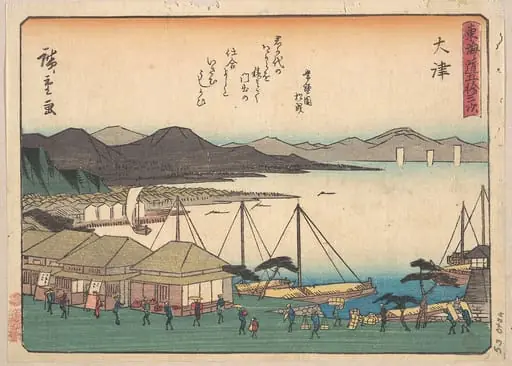
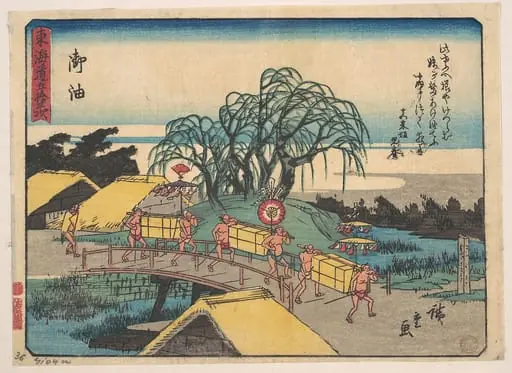
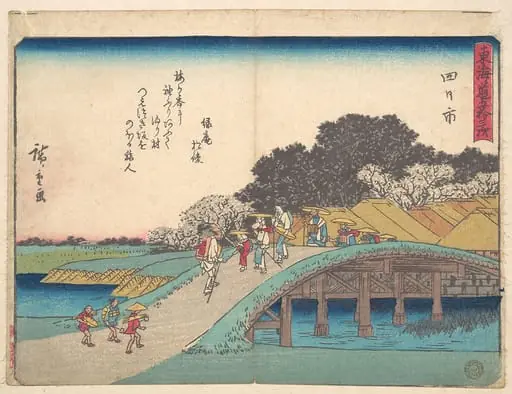
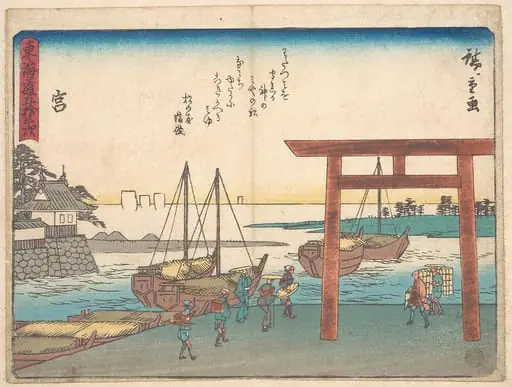
This woodblock print, Kanaya, is part of Utagawa Hiroshige's series The Fifty-three Stations of the Tōkaidō, created around 1838. It depicts a scene along the Tōkaidō road, a major travel route in Japan during the Edo period.
Subject & Meaning
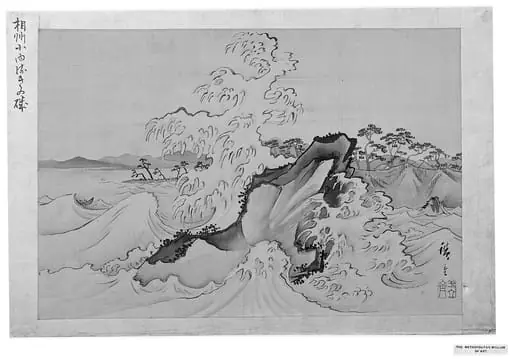
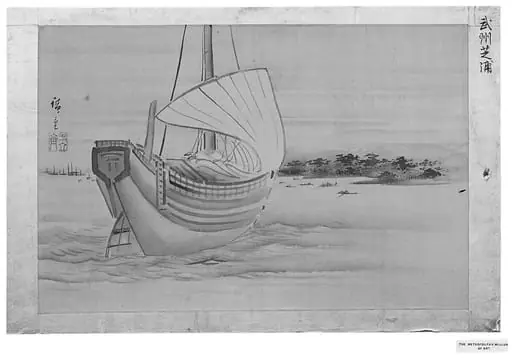
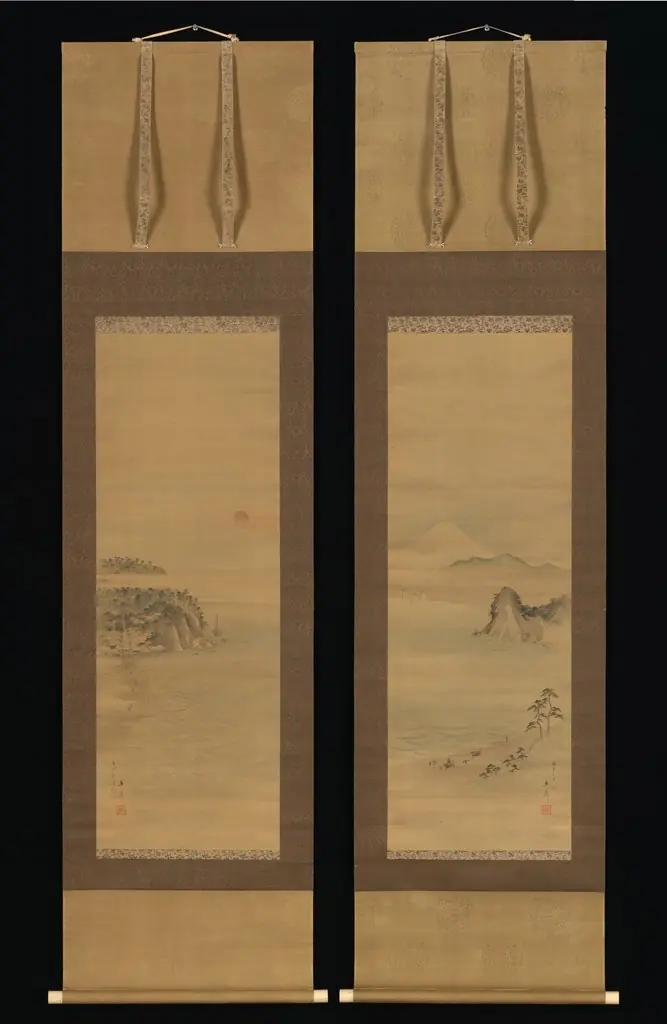
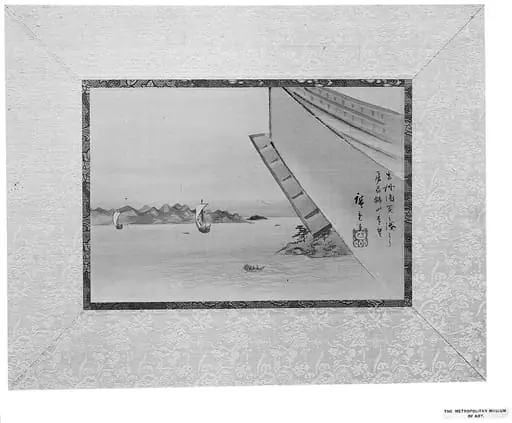
The print shows a bustling riverside scene with people carrying loads, pushing carts, or walking along the shore. The image captures daily life and activity, set against a backdrop of natural scenery, including a bright blue river, sandy shore, and distant hills.
Technique & Style
Hiroshige used simple shapes and bold colors to convey movement and energy in the scene. The composition balances the depiction of everyday activity with the natural environment, characteristic of his atmospheric and scenic style.
Context
The Fifty-three Stations of the Tōkaidō series marked a shift in the ukiyo-e genre, focusing on landscapes and travel routes rather than urban life. Hiroshige's work documented the 53 post stations along the Tōkaidō road, providing a visual record of the journey.
Artist & collection
Artist
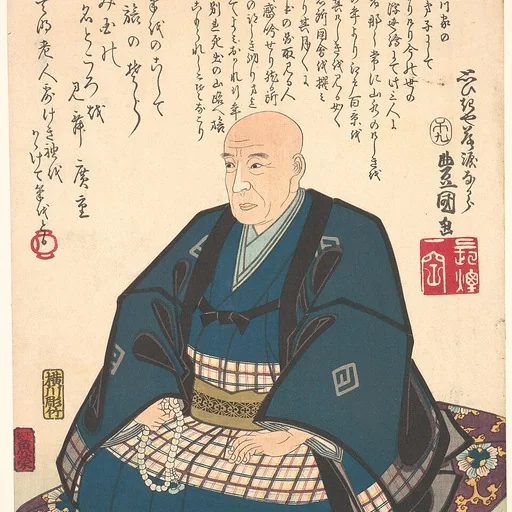
Utagawa Hiroshige (歌川 広重) or Andō Hiroshige (安藤 広重), born Andō Tokutarō (安藤 徳太郎; 1797 – 12 October 1858), was a Japanese ukiyo-e artist, considered the last great master of that tradition.