Artwork
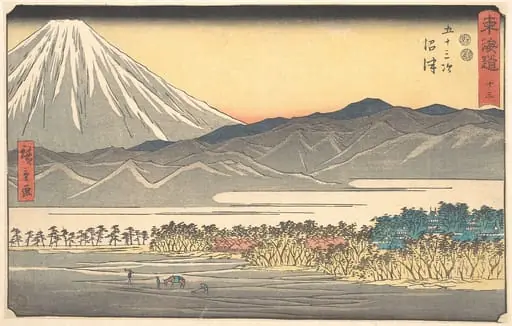
東海道五十三次 沼津|Numazu
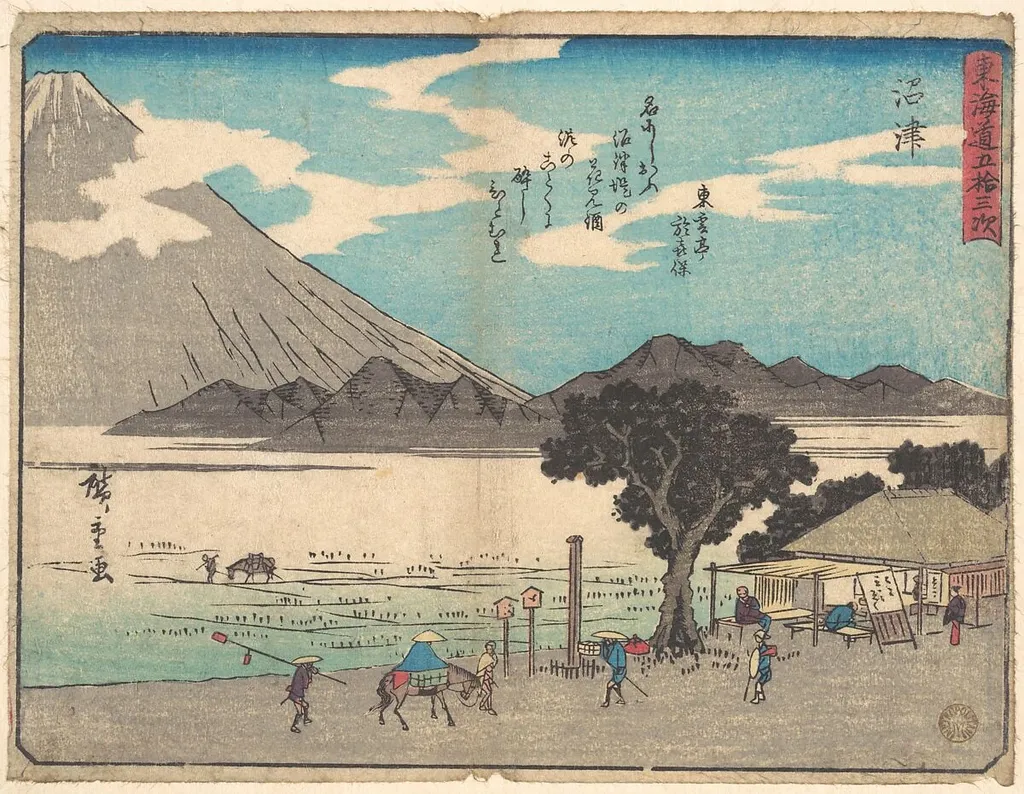
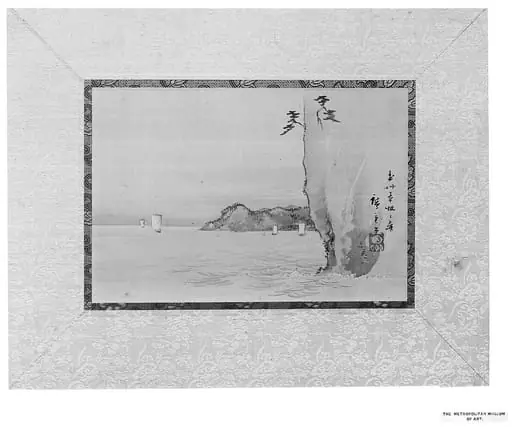
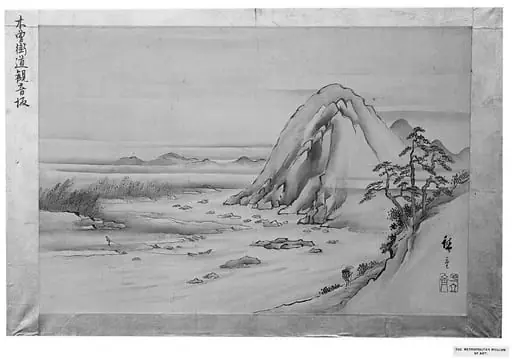
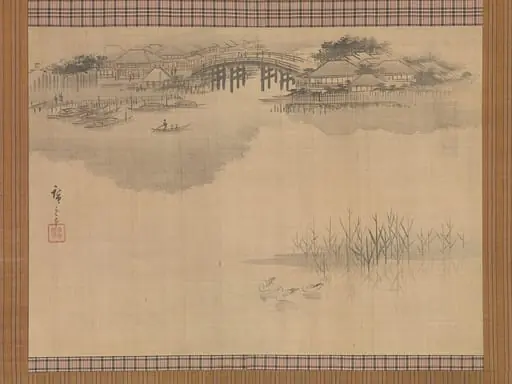
東海道五十三次 沼津|Numazu is an ink print by the Romanticist artist Utagawa Hiroshige. It dates from 1838 and is held in the collection of the Metropolitan Museum of Art.
About this work
Overview
Numazu is a woodblock print from Utagawa Hiroshige's series The Fifty-three Stations of the Tōkaidō, created around 1838. It exemplifies Hiroshige's shift towards landscape-focused ukiyo-e, departing from the genre's traditional urban themes.
Subject & Meaning
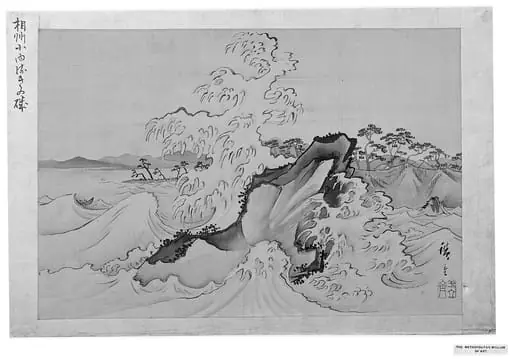
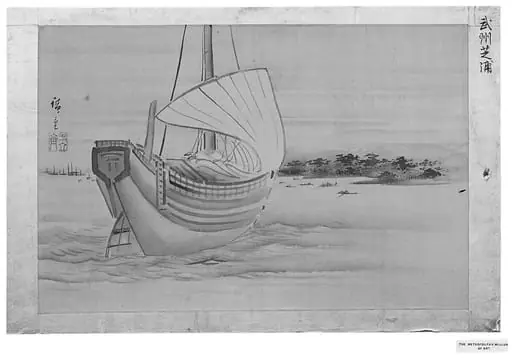
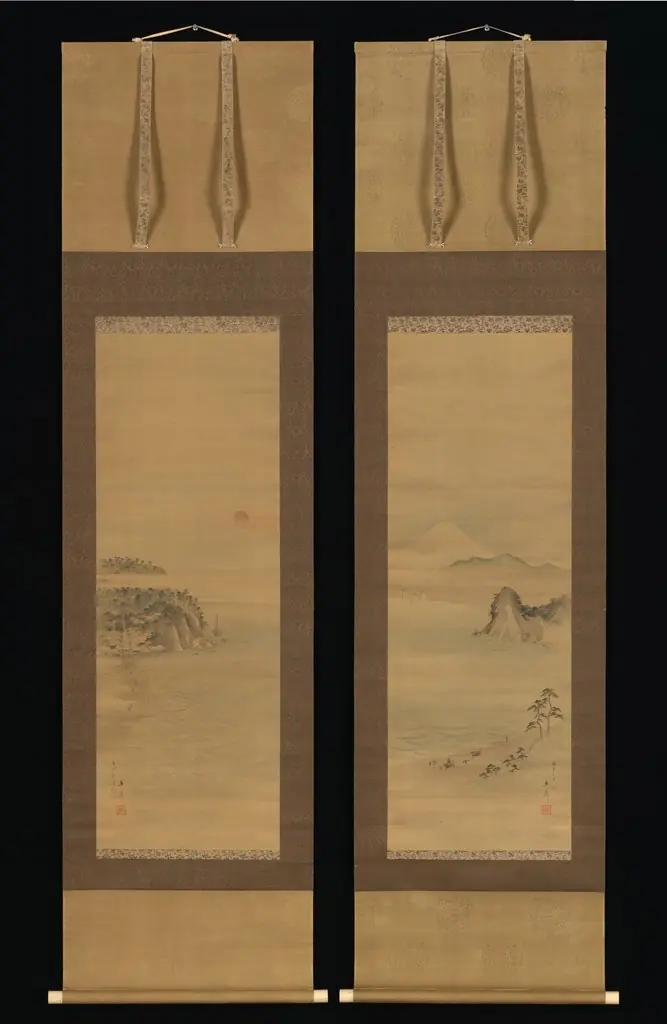
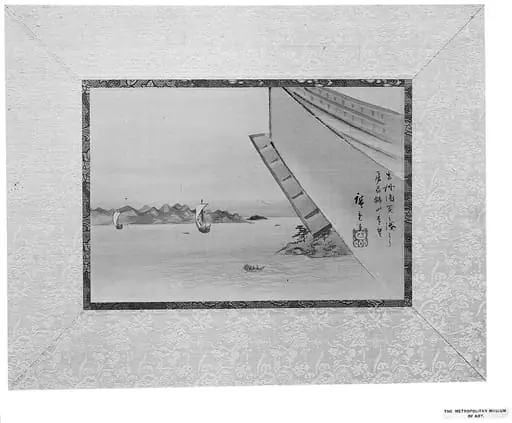
The print depicts a serene landscape along the Tōkaidō road, featuring a distant mountain, a foreground body of water, field workers, and shoreline strollers. The peaceful, idyllic atmosphere evokes a sense of rural tranquility.
Technique & Style
Rendered in ink and color on paper in Hiroshige's distinctive horizontal format, the work showcases meticulous attention to atmospheric detail. The composition and color usage create depth and perspective, guiding the viewer's eye into the scene.
History & Provenance
Numazu is part of The Metropolitan Museum of Art's collection, highlighting its recognition within the global art historical canon.
Context
While rooted in Japanese ukiyo-e traditions, the emphasis on natural serenity and depth might draw parallels with Western Romanticism's emphasis on landscape and mood, though this is a distinctively Japanese interpretation.
Legacy
As part of The Fifty-three Stations of the Tōkaidō, Numazu contributes to Hiroshige's enduring influence on Japanese art and his role in popularizing landscape ukiyo-e, inspiring later artists both in Japan and internationally.
Artist & collection
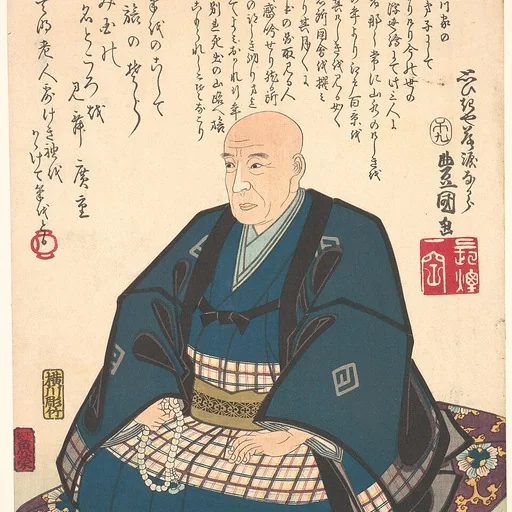
Artist
Utagawa Hiroshige (歌川 広重) or Andō Hiroshige (安藤 広重), born Andō Tokutarō (安藤 徳太郎; 1797 – 12 October 1858), was a Japanese ukiyo-e artist, considered the last great master of that tradition.