Artwork
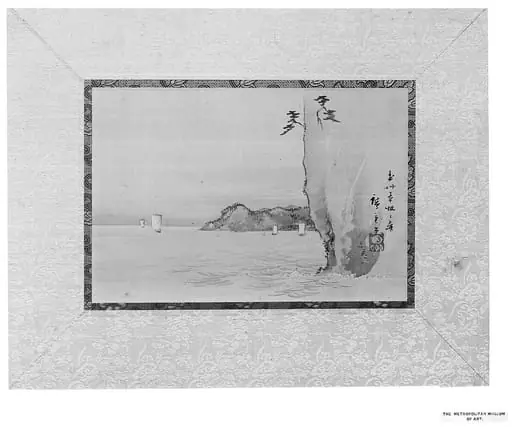
東海道五十三次之内 江尻 三保遠望|Panorama of Miwo Pine Wood from Ejiri
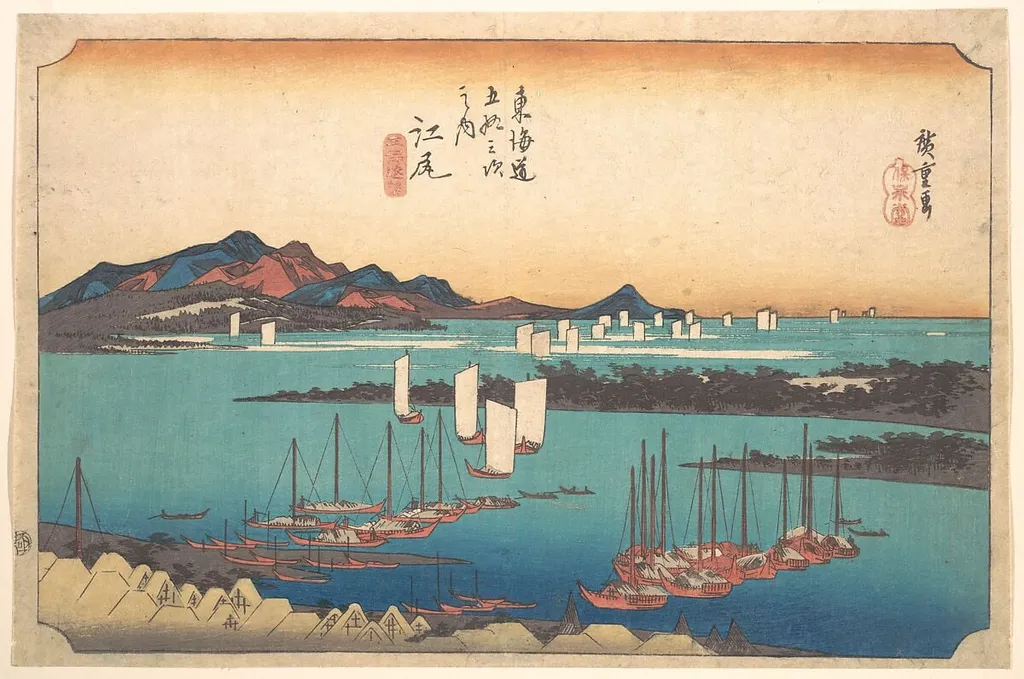
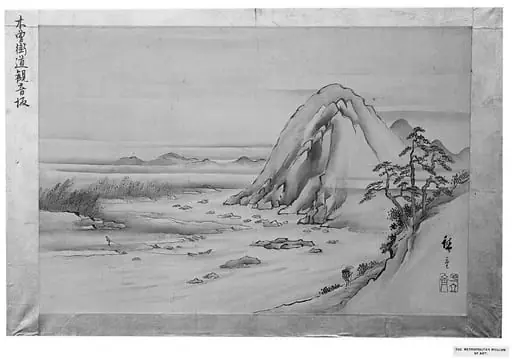
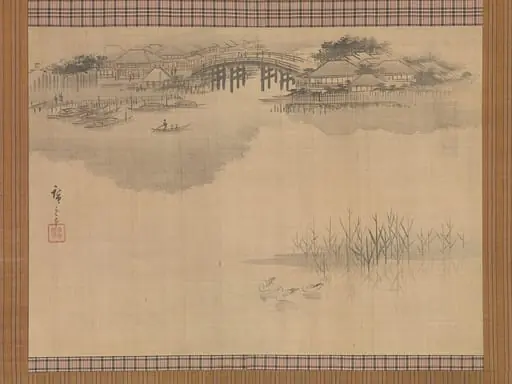
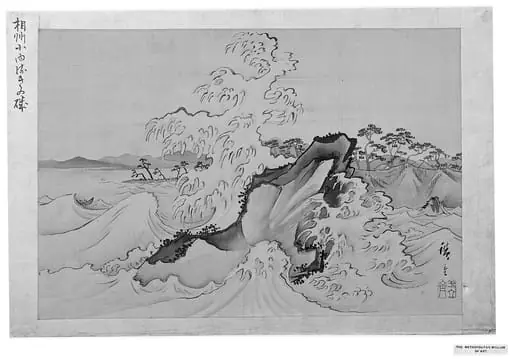
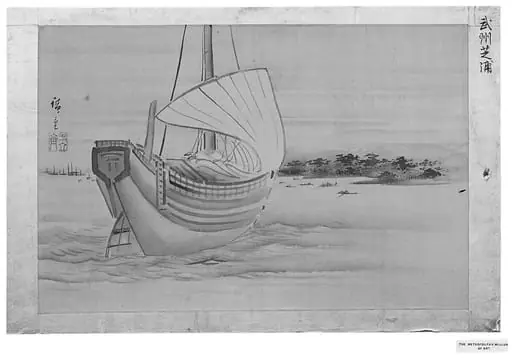
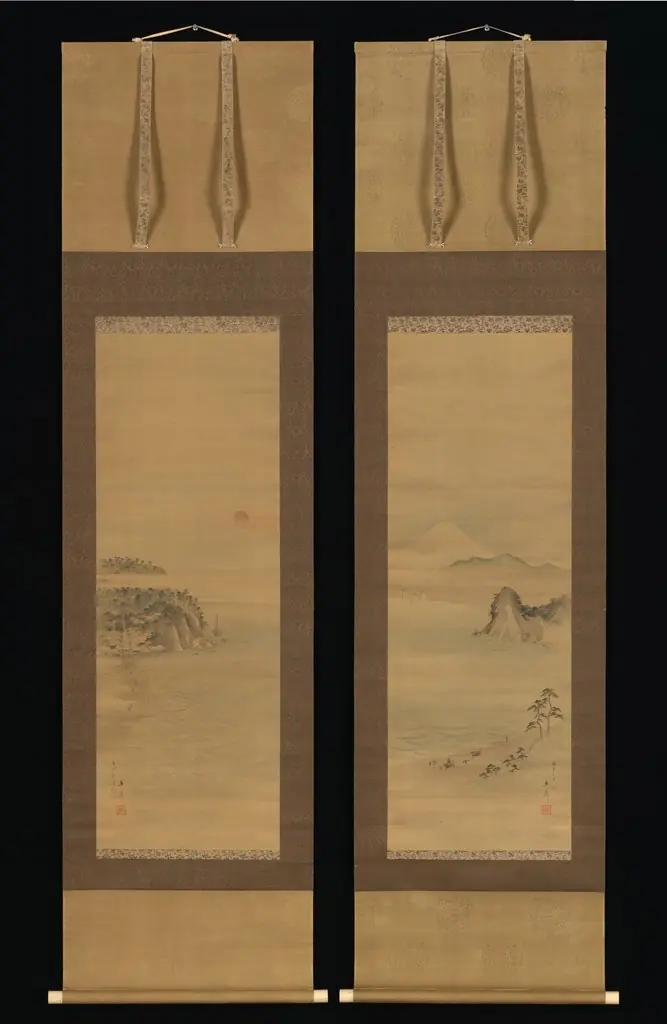
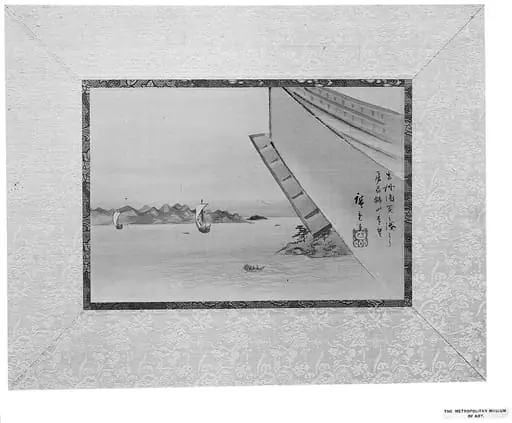
東海道五十三次之内 江尻 三保遠望|Panorama of Miwo Pine Wood from Ejiri is an ink print by the Romanticist artist Utagawa Hiroshige. It dates from 1834 and is held in the collection of the Metropolitan Museum of Art.
About this work
Overview
Panorama of Miwo Pine Wood from Ejiri is a woodblock print by Utagawa Hiroshige, created in 1834 for his *The Fifty-three Stations of the Tōkaidō* series. Executed in ink and color on paper, it is now part of The Metropolitan Museum of Art's collection.
Subject & Meaning
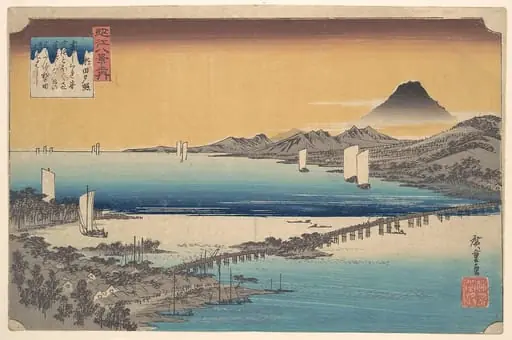
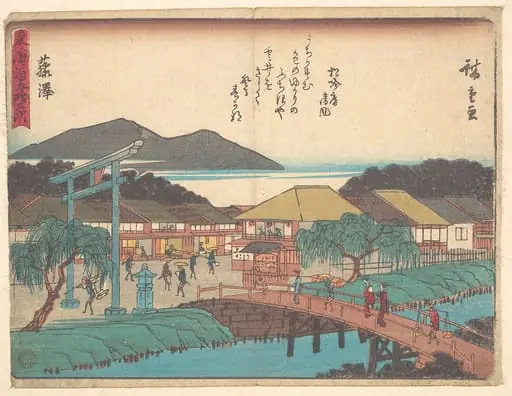
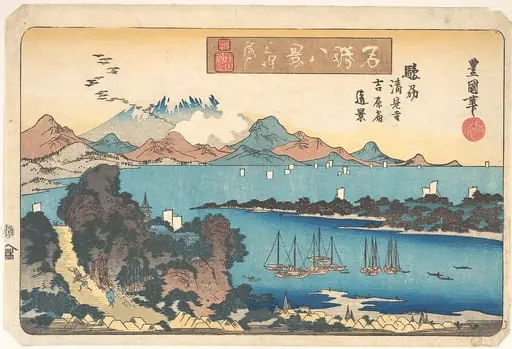
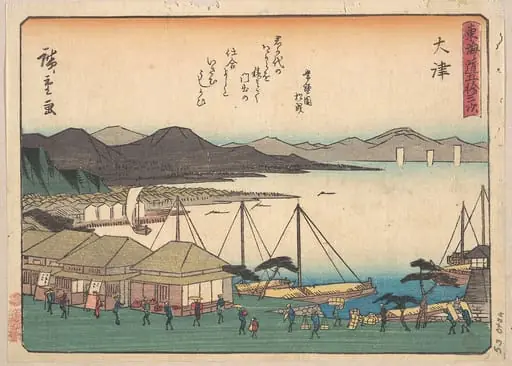
The print depicts a serene scene along the Tōkaidō road during the Edo period, focusing on a wide river with numerous boats sailing towards distant mountains, set against a layered, colorful backdrop of hills and sky.
Technique & Style
Hiroshige employed bold, vibrant colors and simple, flat shapes to convey depth, somewhat akin to a map. The composition balances the calm of the boats with the grandeur implied by the mountains, showcasing his ability to imbue everyday scenes with a sense of scale and drama.
History & Provenance
Created in 1834 as part of a renowned series, the work marks a departure from typical ukiyo-e subjects, instead highlighting Hiroshige's penchant for landscapes. It is currently held in The Metropolitan Museum of Art's collection.
Context
Part of *The Fifty-three Stations of the Tōkaidō*, this print reflects Hiroshige's contribution to ukiyo-e by capturing the beauty of Japan's landscapes during the Edo period, contrasting with the more common themes of urban life and entertainment.
Artist & collection
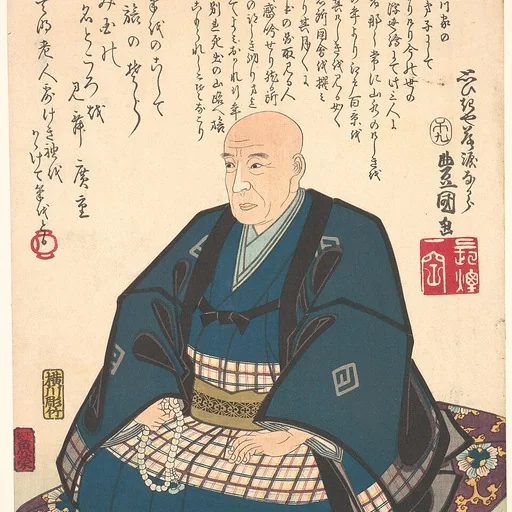
Artist
Utagawa Hiroshige (歌川 広重) or Andō Hiroshige (安藤 広重), born Andō Tokutarō (安藤 徳太郎; 1797 – 12 October 1858), was a Japanese ukiyo-e artist, considered the last great master of that tradition.